


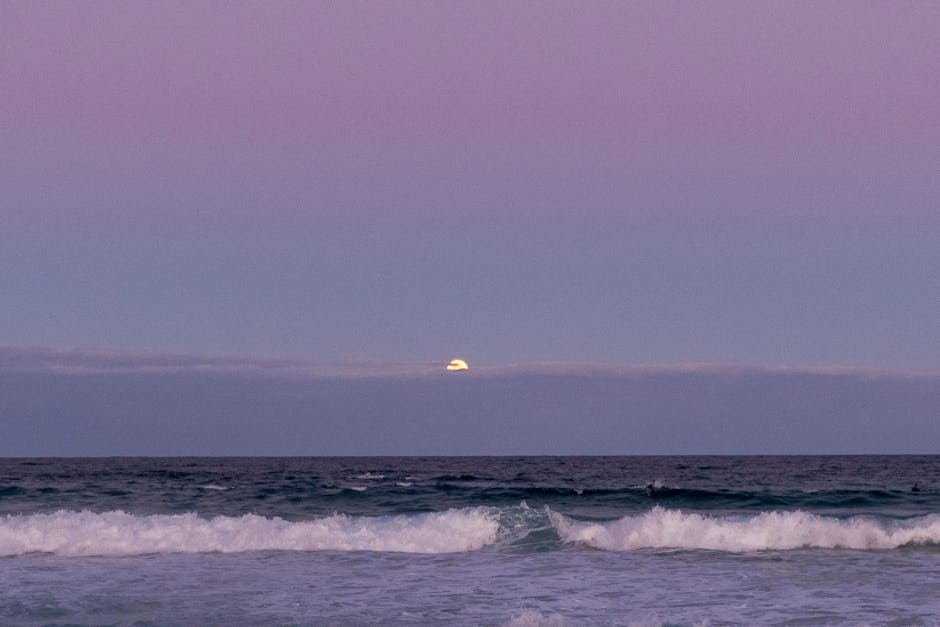
So here’s the question nobody asks out loud but everyone’s thinking: is 40 too late to learn to surf — or even just paddle out and see what all the fuss is about?
You’ve scrolled past a thousand photos of glistening morning waters, watched mates post their weekend wave catches, and thought “maybe next year.” But next year keeps coming, and that number on your birthday cake keeps climbing. Here’s what nobody tells you: the surfing world has an open secret called stand-up paddleboarding (SUP), and Byron Bay is where most Australians finally stop watching and start paddling. The fees aren’t what you’d expect, the learning curve is forgiving, and — most importantly — the ocean genuinely doesn’t care how old you are.
The “Am I Too Old?” Conversation (Honest Answer)
Let’s address the elephant in the room: is 40 too late to learn to surf? The honest answer depends entirely on what you’re actually asking. If you’re dreaming of competitive shortboarding and pipeline barrels, yeah, that ship has probably sailed. But if you’re asking whether you can experience the joy of wave-riding, ocean connection, and that post-saltwater glow — absolutely not.
Here’s what Surfing Australia, the national governing body headquartered at Headland Drive, Casuarina, NSW 2487, will tell you: their learn-to-surf programs regularly welcome participants in their 40s, 50s, and beyond. The organisation’s accredited schools up and down the coast have adapted their teaching methods for adult learners who bring something teenagers don’t — patience, body awareness, and the humility to start slow.
Stand-up paddleboarding has become the gateway drug for ocean-curious adults for good reason. You’re already standing when you catch the wave. The stability of a SUP board means you’re spending more time enjoying the view and less time being tumbled through the wash. For anyone questioning whether they’ve left it too late, SUP is the reassuring pat on the back that says “you’ve got this.”
What Your Body Can Actually Handle
The physical demands of surfing versus SUP are night and day. Traditional surfing requires explosive paddling, quick pop-ups, and the core strength to hold positions that challenge even fit 20-year-olds. SUP? You’re mostly standing, using a long paddle for propulsion, and choosing your own adventure — gentle cruise or vigorous workout.
Byron Bay’s protected waters make it particularly forgiving for beginners. The pass between Clarkes Beach and The Wreck creates naturally calmer conditions where first-timers can find their balance without fighting white-water chaos.
The Real Cost of Getting Wet (Fees Broken Down)
Right, so you’re not too old. But what’s this actually going to cost you? Let’s break down the Byron Bay SUP scene with brutal honesty, because those “$20 hire” signs rarely tell the full story.
Base Hire Rates (What You’ll Actually Pay)
- Hourly hire: $25–$40 for a standard SUP board and paddle
- Half-day (4 hours): $60–$85, usually the sweet spot for beginners
- Full-day: $90–$130, but honestly, most first-timers are done after 2 hours
- Guided tours: $75–$120 for 1.5–2 hours including instruction
The Hidden Costs Nobody Mentions
That $25 hourly rate? It’s rarely the final number. Here’s what catches people out:
- Wetsuit hire: $10–$15 extra (mandatory in winter months)
- Lockers and secure storage: $5–$8
- Photo packages: $25–$45 if you want proof you actually did it
- Insurance/admin fees: Some operators tack on $3–$5 per booking
- Transport to location: Not all hire shops are beachfront
The “what I wish someone told me” moment: always ask for the total cost before handing over your card. Some shops are transparent; others treat add-ons as assumed.
Guided vs Solo: The Beginner’s Dilemma
Here’s where people try to save money and regret it. Going solo as a complete beginner in Byron Bay is technically possible, but you’ll spend your first hour figuring out which way the wind’s pushing you, how to hold the paddle correctly, and why you keep drifting toward the rocks.
A guided session — particularly with a Surfing Australia accredited instructor — fast-tracks the learning curve dramatically. You’ll get technique correction, local knowledge about currents and wind patterns, and someone watching out for your safety. For your first time, the extra $30–$50 is worth every cent.
Byron Bay’s Local Intelligence
The brochures won’t tell you this stuff. But locals will.
Where to Actually Go (And Where to Avoid)
The Tourist Trap: Main Beach at 10am in summer. You’ll share the water with fifty other boards, struggle to find space, and spend more time dodging collisions than enjoying yourself.
The Local’s Choice: Clarkes Beach early morning, or the river mouth at Brunswick Heads (20 minutes north) for absolutely glassy beginner conditions. The Brunswick River offers flat water, minimal crowds, and a genuine chance to spot dolphins without fighting waves.
Parking Without the Fines
Finding Accredited Operators
Not all SUP hire operations are created equal. Surfing Australia maintains a register of accredited schools that meet safety standards, employ qualified instructors, and maintain equipment properly. You can verify accreditation through their website or by asking operators directly for their Surfing Australia school number.
The official Surfing Australia address at Headland Drive, Casuarina, is just 20 minutes south of Byron Bay — their headquarters is literally in the heart of surf country. If you’re serious about learning properly, their team can point you toward the most reputable local operators.
Your First Time: A Realistic Preview
Let’s walk through what actually happens, so you can stop imagining the worst.
You’ll arrive at the beach, probably overthinking everything. The instructor will hand you a board that seems enormous (this is normal — bigger is more stable). You’ll wobble getting to your knees. You’ll fall off at least once in shallow water while everyone pretends not to notice. This is all part of it.
Then something clicks. You find your balance. The paddle starts feeling like an extension of your arms rather than a clumsy oar. You’re moving across the water, actually moving, and suddenly you understand why people become obsessed with this.
The 47-Year-Old Accountant Story
Last autumn, a visiting accountant from Melbourne booked a 2-hour session fully expecting to hate it. He’d never done anything more adventurous than a resort pool. By the end of the first hour, he’d fallen off four times and was laughing harder than he had in months. He rebooked for the next three mornings straight. “I thought I was too old,” he told his instructor. “I was just too scared to look silly.”
What Makes It Worthwhile
Byron’s water temperature hovers around 22–25°C in summer and drops to 18–20°C in winter (hence the wetsuit hire). Morning conditions typically offer offshore winds and glassy surfaces. And the wildlife encounters? Paddling past a pod of dolphins or spotting a sea turtle beneath your board isn’t guaranteed, but it’s common enough that locals don’t even Instagram it anymore.
Booking Smart: Questions to Ask Before You Pay
Before you book with any operator, arm yourself with these questions:
- Is this the total cost, or are there additional fees?
- Does the price include wetsuit hire if needed?
- Is the instructor Surfing Australia accredited?
- What happens if conditions are unsuitable — full refund or reschedule?
- Do you offer dawn rates for early bookings?
Seasonal Price Variations
Peak season (December–February, plus school holidays) commands premium pricing. You’ll pay 15–25% more than shoulder season rates. But here’s the trade-off: summer offers warmer water, longer daylight hours, and more operator choice. Winter means cheaper rates, emptier beaches, and the need for a wetsuit.
Key Takeaways
- Age is not the barrier you think it is — Surfing Australia’s own data shows over-40s thriving in learn-to programs
- SUP is the accessible entry point — same ocean connection, gentler learning curve than traditional surfing
- Budget $80–$120 for a quality first experience — including guided session and all gear
- Book early mornings — cheaper rates, better conditions, fewer crowds
- Verify accreditation — check Surfing Australia’s registered schools for safety assurance
- Peak season books out — December to February requires advance reservations
Your Move
The water’s not judging your age. The fees are manageable when you know the shortcuts and hidden costs upfront. Byron Bay offers perhaps the gentlest, most beautiful introduction to ocean life you’ll find anywhere in Australia.
The only real question left: what are you doing this weekend?
If you’re ready to take the plunge, head to Surfing Australia’s website to find accredited operators near Byron Bay. Their headquarters at Headland Drive, Casuarina can also be contacted directly for program recommendations. And if you’re visiting during peak season (December–February), book at least a week ahead — the good operators fill up, and you don’t want to settle for second-best when your first ocean experience is on the line.
Frequently Asked Questions
How much does stand-up paddleboarding cost in Byron Bay?
Expect to pay $25–$40 per hour for standard SUP board and paddle hire, or $60–$85 for a half-day (4 hours). Full-day hire ranges from $90–$130, though most beginners find 2 hours sufficient. Guided tours cost $75–$120 for 1.5–2 hours including instruction. Budget $80–$120 total for a quality first experience with all gear included. Many operators offer dawn rates before 7am that are 20–30% cheaper than peak times.
What hidden fees should I watch out for when hiring a SUP board?
The advertised hire rate rarely covers everything. Additional costs include wetsuit hire ($10–$15, mandatory in winter), lockers and secure storage ($5–$8), photo packages ($25–$45), and some operators add insurance or admin fees of $3–$5 per booking. Always ask for the total cost before paying, as some shops treat add-ons as assumed rather than disclosing them upfront.
Is 40 too old to learn stand-up paddleboarding in Australia?
Absolutely not. Surfing Australia reports that adults over 40 represent one of the fastest-growing demographics in their learn-to-surf programs. SUP is particularly well-suited to adult learners because you’re already standing when catching waves, the stability means less time tumbling, and it has lower impact on joints than traditional surfing. The organisation’s accredited schools have adapted teaching methods specifically for adult learners.
When is the best time to go paddleboarding in Byron Bay?
Early morning offers the best conditions with offshore winds, glassy water surfaces, and fewer crowds. Book before 7am to access dawn rates that are 20–30% cheaper. Avoid Main Beach at 10am in summer when you’ll share the water with fifty other boards. Peak season runs December to February with premium pricing 15–25% higher than shoulder season, though summer provides warmer water (22–25°C) and longer daylight hours.


Be the First to Comment
Sign in to start the conversation.