



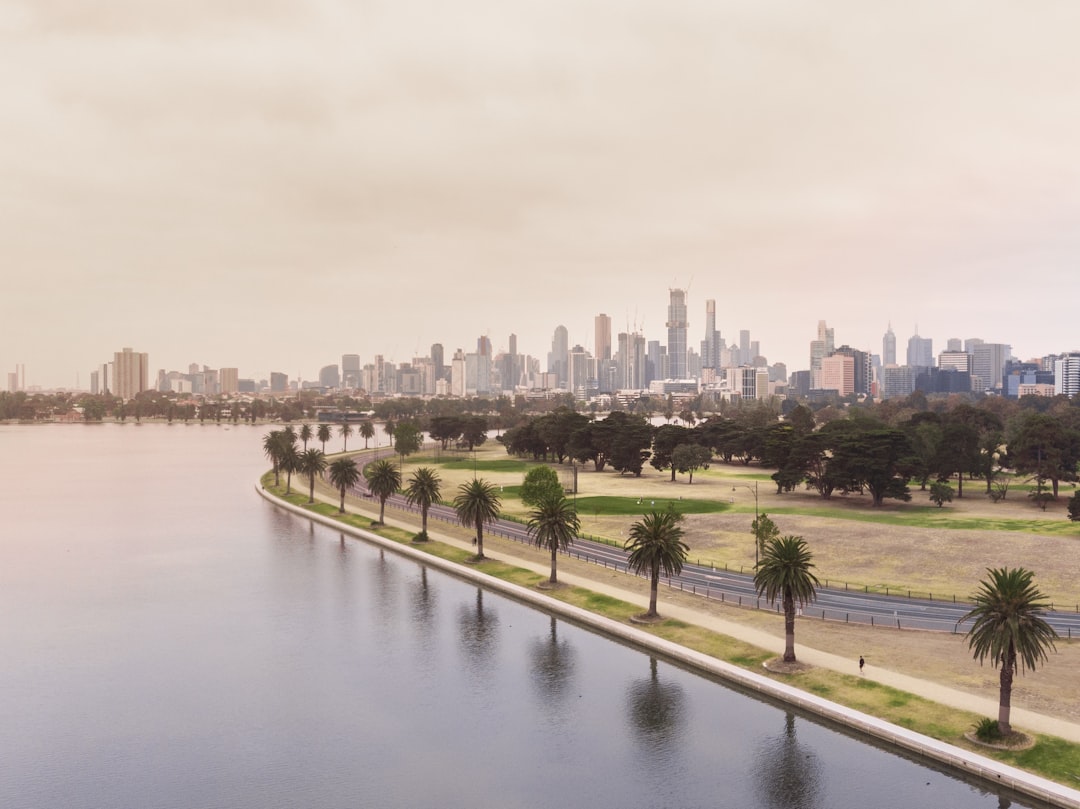
So you’ve mapped out your route, checked your tyre pressure, and laid out your kit—but have you actually checked what Melbourne’s weather has in store for you this month?
If you’re planning to tackle the stunning roads around Greater Melbourne, that question matters more than you might think. Melbourne’s reputation for “four seasons in one day” isn’t just a cliché—it’s a genuine consideration for anyone serious about cycling Australia‘s southern routes. Whether you’re training ahead of the Australian Road Cycling Championships 2026 or simply exploring what makes bicycling Australia such a rewarding pursuit, understanding Melbourne’s seasonal rhythms transforms a good ride into an unforgettable one.
The Four Personalities of Melbourne’s Riding Year
Melbourne doesn’t have weather—it has moods. And each season brings a completely different riding personality to the table. Understanding these isn’t just about comfort; it’s about matching your cycling goals to the conditions that’ll serve them best.
Summer: The Early Bird’s Game
December through February delivers everything a cycling Australia enthusiast dreams of—long daylight hours, dry roads, and temperatures that hover between 25-35°C. But here’s the catch: Melbourne’s summer heat can be brutal, particularly when north-westerly winds blow in from the desert interior.
Autumn: The Secret Season
March and April are when locals quietly celebrate. Temperatures settle into that perfect 18-24°C range, humidity drops, and the notorious Melbourne wind tends to behave itself. This is when you’ll see pro teams training ahead of major events—the conditions are that good.
Winter: The Quiet Achievement
May through August separates the committed from the casual. Yes, it’s colder (6-14°C), and yes, you’ll encounter rain. But Melbourne’s winters are surprisingly rideable compared to European standards. The key is flexibility—having indoor backup options and being willing to chase weather windows.
Spring: The Gamble That Pays Off
September through November is Melbourne at its most unpredictable. You might cop a 30°C scorcher followed by a 12°C wet day. But spring also delivers some of the year’s most spectacular riding—wildflowers in the Dandenongs, green rolling hills, and that sense of emergence after winter’s grip.
Month-by-Month: Your Riding Calendar
Here’s your practical breakdown for planning road cycling adventures around Greater Melbourne and the Yarra Valley:
- January: Ride Rating 4/5. Peak summer heat means early starts are non-negotiable. Best for experienced riders comfortable with heat management. Key tip: Plan routes with multiple water stops.
- February: Ride Rating 3/5. Often the hottest month. The Warburton climb is genuinely testing—temperatures in the valley can hit 40°C. Locals ride before 7am or not at all.
- March: Ride Rating 5/5. The golden month. Perfect temperatures, stable weather, and ideal for all skill levels. Book accommodation early—everyone wants a piece of this.
- April: Ride Rating 5/5. Another cracker. Autumn colours in the Yarra Valley make every ride scenic. Mornings are crisp, afternoons are warm.
- May: Ride Rating 4/5. Transition month. Some stunning days, some wet ones. Pack layers and check forecasts religiously.
- June: Ride Rating 3/5. Winter proper begins. Shorter days mean tight scheduling. Weekends become precious weather windows.
- July: Ride Rating 3/5. Coldest month, but often drier than you’d expect. Early morning frosts can linger in valleys until 9am.
- August: Ride Rating 3/5. Similar to July, with slightly more rain. The serious base-mile builders are out regardless.
- September: Ride Rating 4/5. Spring arrives unpredictably. Glorious days interspersed with challenging ones. Worth the gamble.
- October: Ride Rating 4/5. Wildflowers, green hills, and increasingly reliable weather. One of the year’s best-kept secrets.
- November: Ride Rating 4/5. Warming up nicely. Occasional hot spells remind you summer’s coming. Great for long weekend adventures.
- December: Ride Rating 4/5. Early summer joy. Long days mean flexible scheduling. Christmas-New Year period has quieter roads.
The Yarra Valley Sweet Spot
For anyone exploring bicycling Australia seriously, the Yarra Valley represents something special. Just an hour’s drive from Melbourne’s CBD, it offers world-class riding without the logistics of remote adventure. The region has become a cornerstone of cycling Australia culture, hosting everything from gran fondos to quiet solo adventures.
Iconic Routes Worth Your Time
The Warburton Loop: A rite of passage. The climb from Yarra Junction to Warburton delivers 8km of sustained climbing with gradients sitting around 4-6%. It’s accessible for motivated beginners, challenging enough for experienced riders, and the café at the top pours excellent coffee.
The Healesville Extension: Add this to any Yarra Valley route for bonus kilometres and the famous Healesville Sanctuary (worth a post-ride visit if you’ve got family in tow). The rolling terrain here is perfect for tempo work.
Chum Creek Road: A local favourite that doesn’t make the guidebooks. Quiet, beautifully surfaced, and with enough undulation to keep things interesting. Connects seamlessly to bigger loops.
The Microclimate Advantage
Here’s something most visitors don’t realise: the Yarra Valley’s topography creates distinct microclimates. Warburton, nestled in the valley, can be 5°C cooler than Healesville on the same morning. What this means practically is route flexibility—if one area’s dealing with frost or fog, another might be perfectly clear.
What Nobody Tells You About Riding Here
The guidebooks won’t mention these details. But they’ll make or break your experience.
The Wind Factor
Melbourne’s northerly winds are the stuff of local legend—and not in a good way. A northerly can turn a pleasant 25km/h cruise into a 15km/h grind within kilometres. The saving grace? The Yarra Valley’s topography offers natural shelter. North-south routes cop the full force; east-west routes through the valley tend to be more protected.
Road Surface Reality
Victoria’s regional roads are generally excellent, but storm damage and agricultural traffic take their toll. Popular cycling routes are maintained well, but lesser-used roads can develop corrugations, particularly after harvest season (February-March). Wider tyres (28mm minimum) are worth the marginal aero penalty for the comfort and puncture protection.
The Insurance Conversation
It’s not glamorous, but it matters. Cycling Australia insurance—or equivalent coverage through other organisations—is something experienced riders don’t leave home without. Regional rides mean higher speeds, wildlife risks, and distances from medical support. If you’re riding regularly, membership that includes liability cover and personal accident insurance is genuinely worth considering. It’s the kind of practical detail that seems unnecessary until you need it.
Wildlife Encounters
Your 72-Hour Weather Decision Framework
You’re three days out from a planned big ride. Here’s how to make the right call:
72 hours out: Check the synoptic chart. Is there a high-pressure system sitting over Victoria? That’s your green light. A low-pressure trough? Expect changeable conditions.
48 hours out: Look at wind direction. Northerlies above 25km/h? Consider rescheduling or choosing a sheltered route. Southerlies are generally fine—they’re lighter and bring cooler, cleaner air.
24 hours out: Temperature check. Anything above 35°C means committing to a pre-6am start or postponing. Below 8°C? Pack extra layers and accept you’re committed to climbing to warm up.
Morning of: Step outside before you kit up. Does it feel right? Your body’s instincts are more reliable than any forecast. If something feels off, there’s no shame in pivoting to an indoor session or café ride instead.
Key Takeaways
- Best months: March, April, and October offer the most reliable conditions for all rider levels
- Summer strategy: The 6am rule is non-negotiable—beat the heat or skip the ride
- Yarra Valley advantage: Microclimates mean route flexibility when conditions are marginal
- Wind awareness: Check forecasts and plan routes accordingly—northerlies change everything
- Wildlife caution: Dawn and dusk require reduced speeds and heightened awareness
The Roads Are Waiting
You now know when Melbourne’s seasons shine, why the Yarra Valley delivers year-round magic, and the local knowledge that transforms a ride from good to extraordinary. Whether you’re building towards the Australian Road Cycling Championships 2026 or simply chasing that perfect Sunday spin, Greater Melbourne’s roads offer something few destinations can match: variety, challenge, and genuine adventure within reach of a world-class city.
The only question left: which month are you starting with?
Frequently Asked Questions
When is the best time of year for road cycling around Greater Melbourne?
March, April, and October offer the most reliable conditions for road cycling in Greater Melbourne, each earning a 5/5 or 4/5 ride rating. March is considered the ‘golden month’ with perfect temperatures in the 18-24°C range and stable weather. April delivers crisp mornings, warm afternoons, and stunning autumn colours in the Yarra Valley. October features wildflowers, green rolling hills, and increasingly dependable weather—making it one of the year’s best-kept secrets for cyclists.
What is the ‘6am rule’ for summer cycling in Melbourne?
The 6am rule is a strategy serious Melbourne cyclists follow during December through February when temperatures reach 25-35°C. By rolling out before sunrise, riders can complete around 80km before the intense heat and brutal north-westerly winds from the desert interior really take hold. This approach transforms potentially dangerous summer conditions into magical early morning experiences, particularly on roads around the Yarra Valley where you can see mist lifting off vineyards and kangaroos grazing beside the verges.
How do I use the 72-hour weather decision framework for planning rides?
At 72 hours out, check the synoptic chart—a high-pressure system over Victoria signals favourable conditions, while a low-pressure trough means changeable weather. At 48 hours, assess wind direction: northerlies above 25km/h warrant rescheduling or choosing sheltered routes, while southerlies are generally manageable. At 24 hours, check temperatures—anything above 35°C requires a pre-6am start or postponement, whilst below 8°C demands extra layers. On the morning of your ride, step outside before kitting up to trust your body’s instincts about whether conditions feel right.
Why does the Yarra Valley offer advantages for cyclists compared to Melbourne CBD?
The Yarra Valley sits just an hour’s drive from Melbourne’s CBD and offers world-class riding with distinct microclimate advantages. The topography creates varying conditions—for example, Warburton can be 5°C cooler than Healesville on the same morning, giving cyclists route flexibility when one area has frost or fog. The valley also provides natural shelter from Melbourne’s notorious northerly winds, with east-west routes more protected than north-south ones. The region features iconic routes like the Warburton Loop with 8km of sustained climbing at 4-6% gradients.


Be the First to Comment
Sign in to start the conversation.