
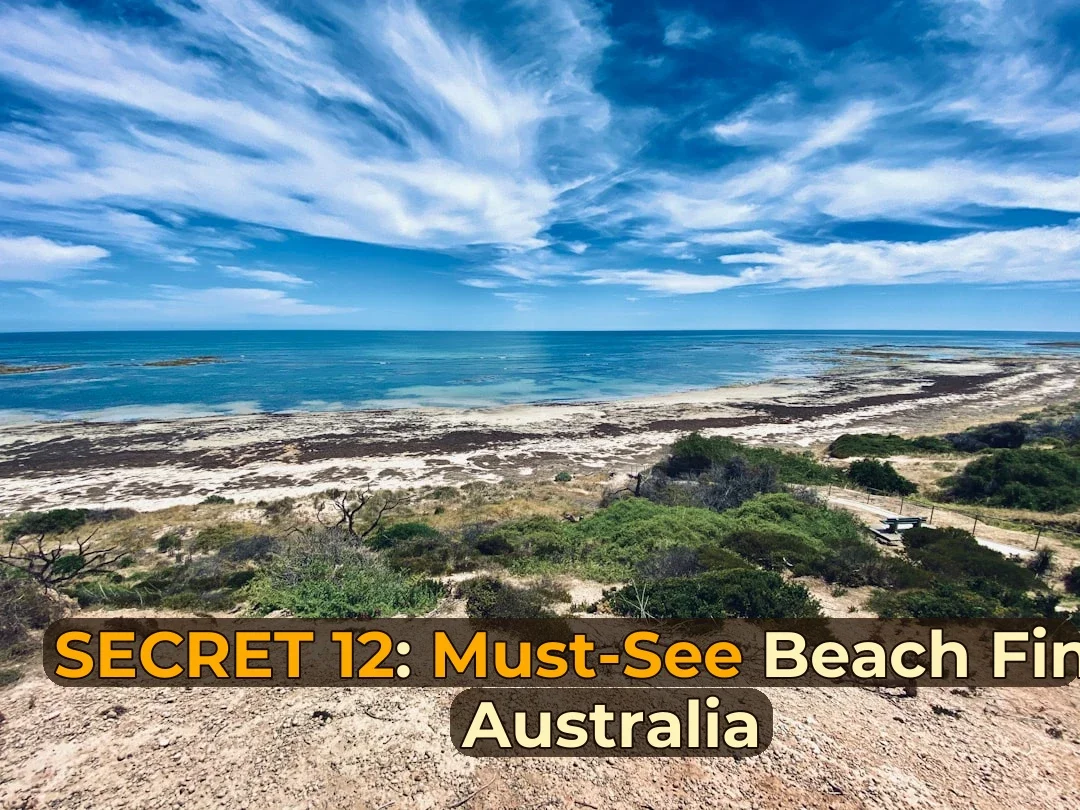
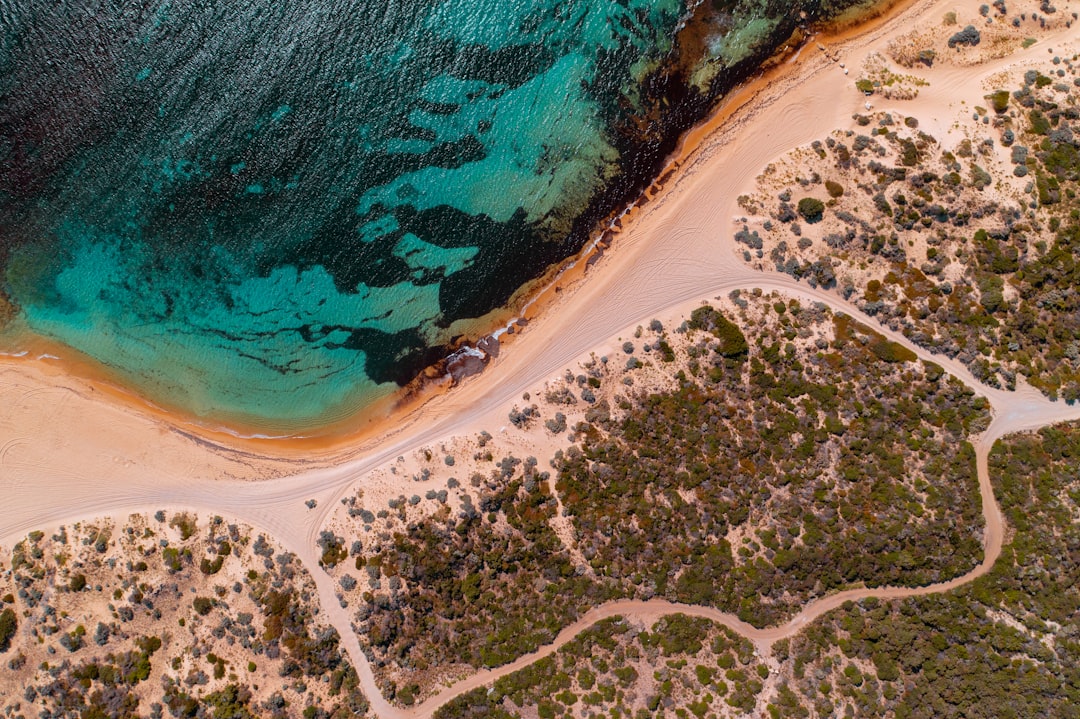
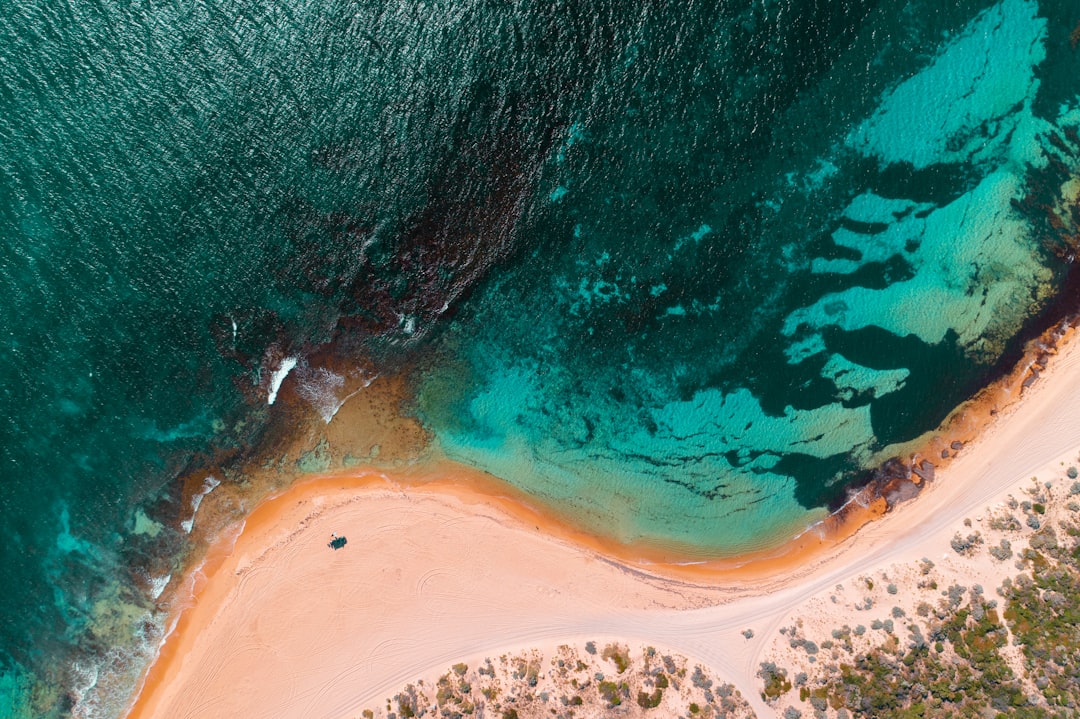
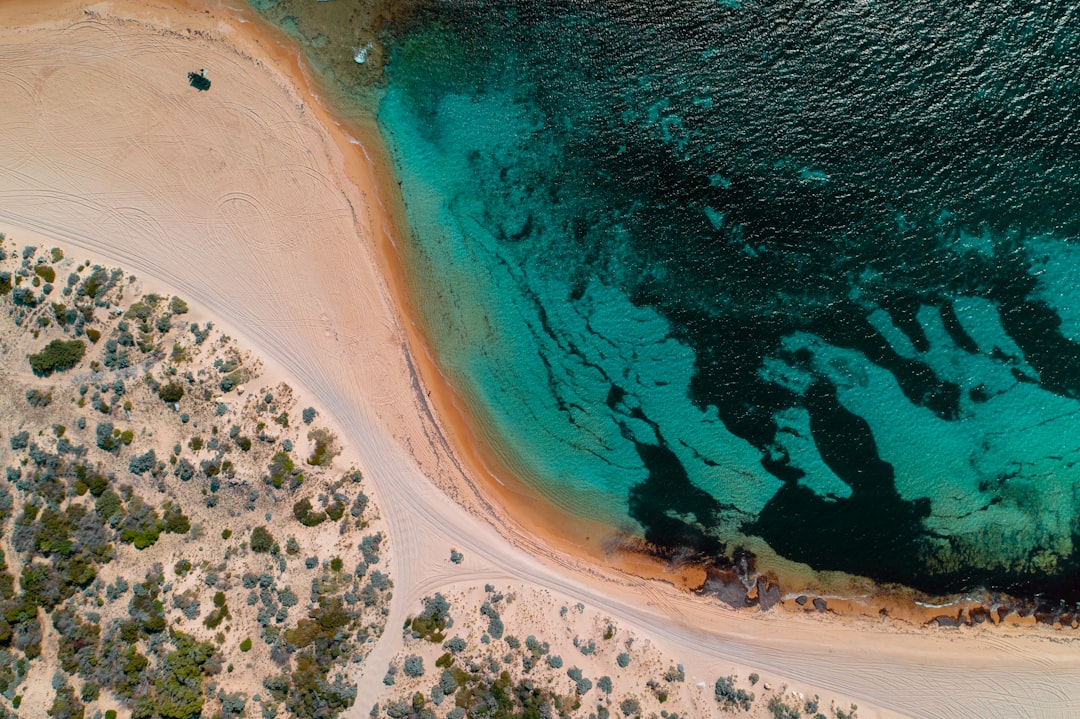
The salt-laced wind cuts across your face as you step onto the sand at dawn, your feet sinking into cool, damp grains that still hum with the memory of the night’s tide. A lone surfboard leans against a driftwood log, its red wax glowing faintly in the low sun. The air smells of wet kelp and distant eucalyptus, and somewhere beyond the dunes, a seagull calls like a forgotten signal—sharp, alive, *real*. This isn’t a postcard. This is Margaret River at the start of a new day, and the beach isn’t just a place. It’s a rhythm.
The Beach Is Not Just Sand and Surf—it’s a Living System
Forget the glossy brochures. Margaret River’s coastline isn’t just a backdrop—it’s a dynamic, breathing system shaped by ocean currents, seasonal swells, and geological quirks. The headland acts like a natural funnel, channeling southern swells into predictable, glassy curls that peak between 5:30 and 6:30 a.m. That’s when the tide is just right—low enough to expose the reef, but high enough to create that sweet, rolling break locals call “the rhythm.”
Here’s what you won’t learn from a quick Google search: the best waves don’t come when the sun is high. They come when the stars are still out. Why? Because the swell energy from the Southern Ocean takes time to settle. By dawn, the water has calmed into a smooth, responsive surface—perfect for carving. The real insiders don’t check a surf forecast app. They check the moon.
“You don’t read the tide. You listen to it. The sand whispers, the waves answer.” — Malcom, 72, lifelong fisherman and surf guide at Margaret River Surf School
How to Read a Beach Like a Local
- Look for the “suction line”—a dark patch where water is being pulled offshore. That’s where the wave is about to form.
- If the sand is shiny and wet, the tide is coming in—good for beginners, bad for longboards.
- Check the water colour: milky or greenish? That’s sediment from recent storm runoff—avoid until the sea clears.
What Locals *Actually* Do When the Tourists Are Gone (And Why It Matters)
By 8:00 a.m., the beach transforms. Tourists snap photos, kids build sandcastles, and rental shops swarm with gear. But the locals? They’re already gone—back to the cove at Pigeon Hole, where the waves break over a submerged rock reef no one else sees.
There’s a hidden rhythm here. For 90 minutes after low tide, the surf is sweet, the water calm, and the sand flat enough for kids to balance a sandcastle on a sea urchin’s back. That’s when you’ll find local families teaching their kids to duck dive, using the same stretch of sand where their parents learned 30 years ago.
“I was 42. My son was 10. We tried to surf at the main beach. Nothing. Then I followed a fisherman to the back cove. He said, ‘Wait for the second wave. It’s not for the first. You’re not late—you’re learning to listen.’” — Elena, Perth, 40, now a weekly surfer
That moment—the surprise, the fear, the joy—it reshaped how locals view “danger.” It’s not about avoiding risk. It’s about timing.
Seasonal Advice and Timing: When to Come, When to Stay, When to *Wait*
As of April 2026, Margaret River is in the sweet spot. The winter swells are easing, the water has warmed to a comfortable 18°C (64°F), and the crowds are thinning. This is “the real 2026” season—late winter to early spring—when the waves are consistent, the sun is kind, and the sea is calm enough for beginners.
Here’s the insider calendar:
- June–August (Winter): Massive swells—perfect for experienced surfers. Water temp drops to 16°C. Bring a 4/3mm wetsuit.
- September–November (Spring): Ideal for learners. Waves are gentle, sun is strong, water temp climbs to 19–20°C. Great for families.
- December–February (Summer): Crowded. Waves are flat. Water warms to 22°C—perfect for swimming, snorkelling, and SUP.
- March–April (Autumn): The quiet gold. Few tourists, stable swells, and warm enough water for a wetsuit-free swim. This is when locals say, “Now’s the time.”
Your Backpack: What You *Really* Need (And What’s Just Weight)
Don’t bring a suitcase. Bring a kit. Here’s what 90% of visitors forget—and what locals swear by.
Essentials for the Real Margaret River Experience
- Foldable beach towel (Sea to Summit Air Mat, $109 AUD at BCF): 220g, dries in 10 minutes. Doubles as a surf mat. Packs into a pocket.
- Portable saltwater rinse bottle (NautiClean Salt Rinse, $36 AUD at Kathmandu): 500ml, UV-protected. Rinse your board and wetsuit without needing fresh water.
- Wetsuit (Rip Curl 4/3mm, $299 AUD at BCF): Full-length, chest zip. 75D ripstop nylon, 3000mm waterhead rating. Perfect for 16–19°C water.
- Surfboard (DHD Mini Mal, $520 AUD at Anaconda): 6’2” long, 24” wide, 3.5” thick. Designed for beginners and small waves. Lightweight, easy to carry.
- Headtorch (Petzl Tikka 2, $45 AUD at Decathlon): 300 lumens, 2-hour battery. Essential for pre-dawn sessions.
“Your phone is not a camera. It’s a distraction. The waves don’t care if you’re taking selfies.” — Local instructor at Margaret River Surf School
What NOT to Bring
- No heavy sunscreen bottles—use a travel-size one (e.g., La Roche-Posay Anthelios SPF 50, $28 AUD at Paddy Pallin).
- No flip-flops—bring water shoes (Salomon X Ultra 3 GTX, $199 AUD at Snowys Outdoors).
- No backpacks over 30L—stick to Osprey Atmos AG 65 ($349 AUD) for comfort and support on long walks.
Practical Travel Information
Getting to Margaret River is easy. The closest airports are Busselton (35km) and Bunbury (60km). Rent a car—there’s no public transport to the best surf spots.
Key locations:
- Surfing at The Pockets: 200m from the car park, 700m south of the main road. Access via sealed path.
- Snorkelling at Pigeon Hole: 1.2km walk from the main trail. Check tide charts—low tide only.
- Family Sandcastle Zone: South end of the beach, near the dunes. Flat, dry sand, gentle slope—safe for kids.
Local tips:
- Park at the official carparks only—abandoned vehicles are banned.
- Use the free surf school at Margaret River Surf School (open daily 6:30–7:30 a.m., free for under-16s).
- Report sea urchins to the rangers—some are venomous.
Key Takeaways
- Best time to surf: March–April 2026 (low crowds, warm water, consistent waves)
- Don’t bring your phone—it’s not for the photos, it’s for the moment
- The real magic happens between 5:30–6:30 a.m.—no tourists, just rhythm
- Use a saltwater rinse bottle to protect your gear and the environment
- The hidden tidal pool near Pigeon Hole is a quiet sanctuary—treat it with care
Final Note
As the sun dips behind the cliffs and the tide begins its slow retreat, the beach becomes a mirror—not of the sky, but of what you’ve carried with you. Maybe it was fear. Maybe it was curiosity. Now it’s something more: a memory of sand between your toes, salt on your skin, and the quiet hum of a place that doesn’t care about your calendar—but will remember your presence, if you let it.
Margaret River doesn’t just give you waves.
It gives you a reason to show up—*when no one else is watching*.
And sometimes, that’s exactly when the ocean speaks the loudest.
Frequently Asked Questions
What is the best time of year to visit Margaret River for surfing?
The best time to surf in Margaret River is March–April 2026, when the water temperature is warm (around 18–19°C), crowds are minimal, and swells are consistent. This period offers ideal conditions for beginners and intermediate surfers, with a balance of manageable waves and pleasant weather.
What are the essential items to pack for a surf trip to Margaret River?
Essential items include a foldable beach towel (e.g., Sea to Summit Air Mat, $109 AUD), a portable saltwater rinse bottle (NautiClean Salt Rinse, $36 AUD), a 4/3mm wetsuit (Rip Curl, $299 AUD), a beginner-friendly surfboard (DHD Mini Mal, $520 AUD), and a headtorch (Petzl Tikka 2, $45 AUD). These items support safety, gear care, and comfort during early morning sessions.
How do I access the best surf spots in Margaret River?
The best surf spots are accessible via sealed paths: The Pockets is 200m from the car park, 700m south of the main road; Pigeon Hole snorkelling site is a 1.2km walk from the main trail. Always check tide charts—Pigeon Hole is only accessible at low tide—and park only in official carparks to avoid fines.
What time of day is best for surfing at Margaret River?
The optimal time for surfing is between 5:30–6:30 a.m., when the tide is low enough to expose the reef but high enough to create a clean, rolling break. This window offers calm water, fewer tourists, and waves shaped by the Southern Ocean’s settled swell—perfect for catching ‘the rhythm’.

Be the First to Comment
Sign in to start the conversation.