
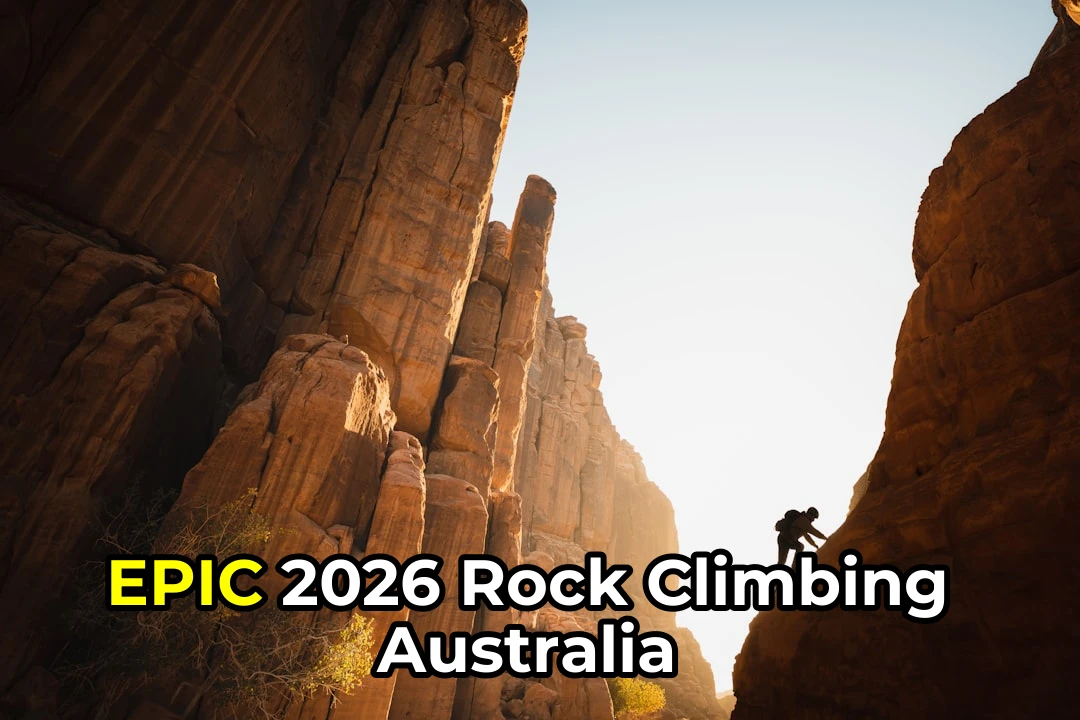
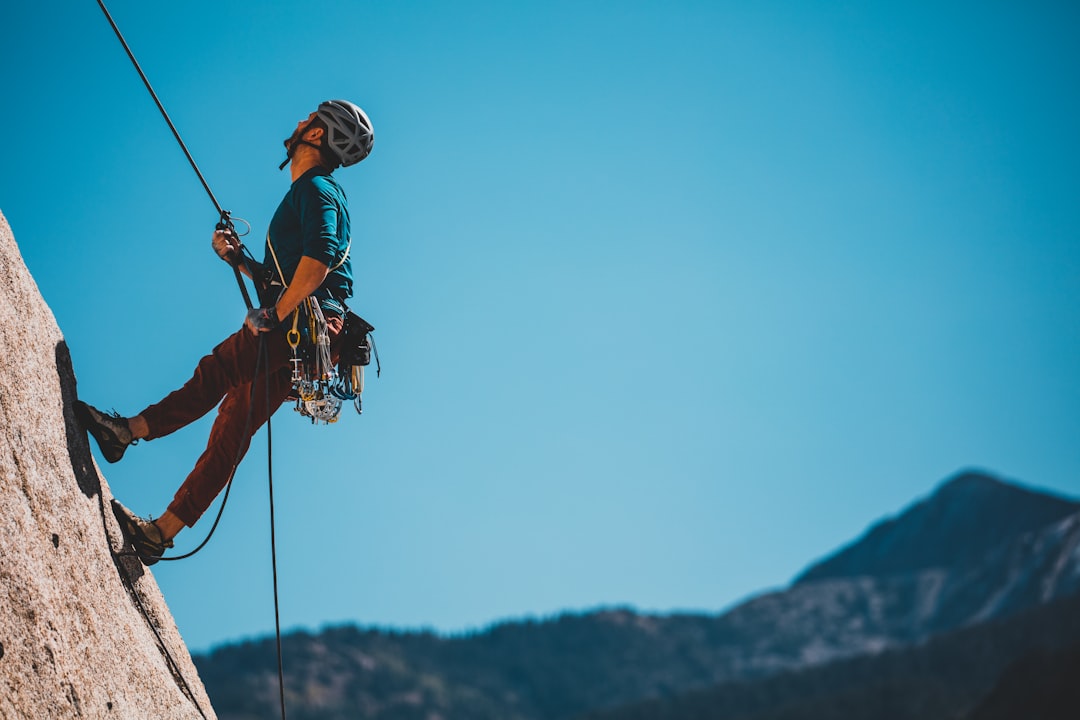
Did you know that while the world looks to Fraser Island (K’Gari) for its endless dunes, it is actually the hardest rock formations on Earth that hold the island together? Beneath those 120,000 hectares of shifting sand lies Precambrian quartzite—some of the oldest and most durable stone in Queensland. This geological paradox is what makes K’Gari’s climbing scene so uniquely challenging: you aren’t just scaling rock; you are engaging with the ancient skeleton of the island itself. Unlike the limestone recesses of the Blue Mountains or the towering granite domes of Mount Barney, the sandstone reefs here offer a jagged, abrasive dialogue with gravity that demands technical precision over brute force. For the serious climber, the “best” experience isn’t about height; it’s about reading a stone that has withstood millions of years of erosion, making every hold a lesson in geology and patience.
The Geology of Grip: Understanding the Stone
To climb K’Gari effectively, one must first understand that this is not traditional cragging. The rock here is primarily Precambrian sandstone reef, exposed along the western coastline where erosion has chewed back the dunes. This rock type differs significantly from granite or limestone in several key ways: it is often porous, has high friction (which aids gripping but causes rapid rope wear), and can be deceptively unstable.
The Choss vs. Solid Rock Dilemma
The defining feature of Fraser Island’s climbing is the presence of “choss.” In climbing terminology, choss refers to loose, unstable rock that crumbles under pressure. On K’Gari, the distinction between a solid hold and choss is often determined by the rock’s porosity.
* Solid Reef: Dense, iron-rich quartzite often found near Indian Head and Happy Valley. This stone holds gear well but can be sharp on ropes.
* Weathered Choss: Found in lower areas or after wet seasons, this rock disintegrates easily. Placing protection here is dangerous as the rock around the cam or nut can shatter.
“K’Gari isn’t about how hard you pull; it’s about how well you listen to the stone. If the rock whispers, don’t shout back.”
— A local guide based in Kingfisher Bay
Warning: Never assume a hold is solid without testing it with your fingers or shoe soles first. A loose block of choss falling onto a belayer below can be fatal, even if the climber remains secure.
Micro-Climates and Wind Exposure
Another critical factor often ignored by mainland climbers is the micro-climate. The western side of K’Gari faces the open Great Sandy Strait, where winds can be ferocious. This affects not just comfort, but rope management. High winds can swing a hanging rope into sharp rock edges, causing friction burns or cutting the rope entirely. Local guides insist on checking wind exposure maps just as rigorously as tide tables, ensuring that your anchors and mid-point protection are placed where the wind won’t act as a guillotine.
The Tiered Ascent: A Skill-Based Navigation
Climbing on Fraser Island is best approached by grading routes based on skill level rather than just location. The island offers a spectrum of challenges, from low-angle slabbing to high-exposure sport climbs.
The Learner’s Reef: Low-Angle Slabs
Near the ferry terminals and accessible areas of the western coast, you will find gentle slabs ideal for beginners.
* Focus: Footwork and balance.
* Technique: Because the rock is porous, smearing (using the friction of your shoe sole) is more effective than finding toe jams.
* Gear: A basic rack with soft ropes is sufficient. No technical trad gear is required for short, low-angle pitches.
* Pros Tip: Look for climbs with natural ledges where you can take a break. The sandstone here offers excellent friction if your shoes are clean and dry.
The Intermediate Crack: Multi-Pitch Trad
Moving towards areas like Happy Valley, the terrain shifts to medium-angle cracks requiring traditional (trad) gear.
* The Challenge: The porous nature of the stone means you cannot place cams tightly. You must use larger, looser-fitting protection devices (such as large nuts or wider cam lobes).
* Mental Game: Trusting gear in porous rock requires confidence. You must rely on the friction of the rock against your body weight rather than just the mechanical holding power of the gear.
* Actionable Advice: Practice placing protection in wet conditions if possible, as rain makes the rock even more unpredictable.
The Expert’s Exposed: High-Angle Sport
The most famous routes, such as those near Indian Head, offer high-angle sport climbing with significant exposure.
* Route Finding: These routes often traverse open rock faces where finding a sequence of holds is half the battle.
* Risk Management: The exposure here means a fall, while unlikely on sport routes due to bolts, still carries psychological weight. The view below is not just scenery; it’s a reminder of the drop.
* Physical Conditioning: Requires core strength to manage friction-heavy, high-angle moves without slipping on the abrasive quartzite.
“Find a route that challenges your mind, not just your muscles. On K’Gari, the stone is old; it doesn’t need to be rushed.”
The Logistics of Isolation: Planning the Expedition
Accessing these cliffs is a logistical puzzle in itself. K’Gari National Park has strict regulations to protect its fragile ecosystem, and climbing is no exception.
4WD Permits and Access
You cannot simply drive up to most crags. A 4WD permit is mandatory for any vehicle operation on the island, and high-clearance vehicles are essential to access remote climbing zones away from the sealed road network.
* Vehicle Requirements: Ensure your 4WD is serviced, with extra fuel and water reserves. Many climbing areas have no cell service, making GPS and offline maps crucial.
* Access Points: The western cliffs are best accessed via 4WD tracks that traverse the dune fields. Be prepared for sand driving, which can be exhausting and may delay your arrival at the base of a climb.
Leave No Trace Protocols
As a UNESCO World Heritage site, K’Gari demands the highest standards of environmental stewardship.
* Human Waste: There are no toilet facilities at most cliff bases. You must carry a Wag Bag or similar waste management system for any longer multi-pitch day. Do not bury your waste; it often ends up on the surface due to the shallow root systems of coastal vegetation.
* Vegetation: The base of many cliffs is lined with fragile native grasses and shrubs. Avoid driving vehicles over these areas to prevent erosion that could destabilise the rock face itself.
Important: Some prime climbing spots are inaccessible during certain weather windows due to sand instability. Heavy rains can turn access tracks into impassable mud, and high tides can flood cave systems at the base of lower routes. Always have a flexible itinerary and check with the Queensland Parks and Wildlife Service (QPWS) for current conditions.
The Gear Ecosystem: From Bunnings to the Cliff Edge
For families and outdoor enthusiasts visiting K’Gari, there is often a disconnect between the general camping gear needed for the island and the specialised climbing equipment required. While you can pick up basic tents, stoves, and sleeping bags at BCF Camping Gear or even Bunnings Camping Equipment, climbing-specific hardware requires a different approach.
Essential Climbing Gear
* Footwear: Ditch the flexible sneakers found in general outdoor stores. Invest in stiff-soled approach shoes or climbing-specific footwear. The abrasive quartzite on K’Gari will wear down soft rubber soles quickly, and stiffness provides the necessary support for precise foot placements on porous rock.
* Protection: If doing trad climbing, bring a rack that includes larger cams (size 3 and above). The wider cracks in the sandstone often require these larger devices to hold securely. Standard gear bought at general outdoor retailers may not fit the unique geometry of this stone.
* Ropes: Use dynamic ropes with high abrasion resistance. The porous rock acts like sandpaper on ropes, and you don’t want your safety system failing due to friction heat or edge wear.
Safety Equipment: The Satellite Communicator
Perhaps the most critical piece of gear is a satellite communicator (e.g., Garmin inReach). There is zero cell service on most cliff faces, and in the event of an emergency—whether a stuck climber or a medical issue—you cannot rely on mobile networks. This is not an optional extra; it is a mandatory safety device for isolation climbing.
“Check your gear twice, but check your satellite communicator once before you leave the car. It’s the only voice you have if things go wrong.”
What I Wish I’d Known: Gear Weight vs. Accessibility
When planning your trip, remember that you may need to hike out from the base of a climb if your 4WD is stuck or inaccessible. Bring only what you need. A full rack of trad gear may be too heavy for a solo hike out. Consider splitting your gear between partners or leaving heavier items in a secured, animal-proof storage box at the vehicle if you are doing short day climbs.
Stories of Discovery and Reality
The “Choss” Incident: A Lesson in Humility
I once watched a skilled climber misjudge a hold on the western face, assuming a chunk of rock was solid based on its appearance. It wasn’t. The hold broke away under his weight, sending him into a short fall that dislodged several large rocks below. The belayer on the ground shouted to clear the zone, but luckily, no one was in the “bullet zone.” This incident taught me that on K’Gari, you must *test* every hold before committing your full weight. The stone can be deceptive, hiding pockets of weak sandstone within solid-looking faces. Respect for the stone is paramount; it doesn’t care how strong you are, only how well you read its texture.
The Sunset Climb at Indian Head: A Personal Memory
There is a specific quality to the light on K’Gari at sunset. I remember completing a multi-pitch route near Indian Head just as the sun began to dip below the dunes. The heat radiating off the quartzite had finally broken, replaced by a cool ocean breeze. From that vantage point, looking down at the crashing waves and out across the Great Sandy Strait, I understood why climbers persist. The reward isn’t just the summit; it’s the perspective of seeing the island’s dual nature—sand and stone, soft and hard—from a place few ever reach. It was a moment of profound clarity, reminding me that climbing here is as much about appreciation as it is about achievement.
The Legacy of the Climb: Stewardship and Final Thoughts
As we move into 2026, the conversation around outdoor recreation on K’Gari is shifting. It is no longer enough to simply visit; we must preserve. These ancient reefs are not just playgrounds for climbers; they are part of a fragile ecosystem and sacred ground for the K’Gari people. The “best” climbing experience is one that leaves no trace, ensuring these formations remain intact for future generations.
View your climbing gear not just as tools of ascent, but as instruments of exploration that carry a responsibility. Every carabiner clipped in, every rope dragged across rock, is part of your interaction with this ancient landscape. By choosing to climb responsibly—using proper waste management, avoiding sensitive vegetation, and respecting the geological quirks of the stone—you become a steward of this unique place.
Key Takeaways:
* Respect the Geology: K’Gari’s sandstone is old, porous, and unpredictable. Test holds carefully to avoid dislodging choss.
* Plan Logistics: 4WD permits are essential, and cell service is non-existent. Carry satellite communicators.
* Gear Appropriately: Bring stiff-soled shoes and larger cams suited for wide, porous cracks.
* Leave No Trace: Use Wag Bags and avoid damaging coastal vegetation at the base of climbs.
* Stay Informed: Check with QPWS for current regulations and access conditions before your trip.
Climb with respect, climb with knowledge, and let the stone tell its story.
Frequently Asked Questions
What makes the rock on K’Gari unique compared to other Australian climbing destinations?
K’Gari features Precambrian quartzite sandstone reefs, which are some of the oldest and most durable stone on Earth. Unlike the limestone recesses of the Blue Mountains or granite domes of Mount Barney, this rock is porous and highly abrasive. It offers high friction but causes rapid rope wear, requiring technical precision over brute force. Climbers must navigate ‘choss’ (loose, unstable rock) which can disintegrate under pressure, making every hold a test of geology and patience rather than just strength.
What specific climbing gear is required for the unique conditions on K’Gari?
Due to the porous, wide cracks of the sandstone, standard gear often fails. You must bring larger cams (size 3 and above) that fit wider spaces, along with stiff-soled approach shoes to support precise foot placements on abrasive quartzite. Use dynamic ropes with high abrasion resistance, as the rock acts like sandpaper on standard gear. Crucially, a satellite communicator (like a Garmin inReach) is mandatory because there is zero cell service on most cliff faces, and it serves as your only emergency lifeline.
How do I access the climbing crags and what permits are needed?
Accessing remote climbing zones requires a mandatory 4WD permit and a high-clearance vehicle, as most crags are inaccessible via the sealed road network. You must navigate sand driving tracks that traverse dune fields, which can be exhausting and delay arrival. Ensure your vehicle is serviced with extra fuel and water reserves. Be aware that heavy rains can turn access tracks into impassable mud, so always check with the Queensland Parks and Wildlife Service (QPWS) for current conditions before heading out.
What are the environmental and waste management protocols for climbing on K’Gari?
As a UNESCO World Heritage site, strict Leave No Trace protocols apply. There are no toilet facilities at cliff bases, so you must carry a Wag Bag or similar waste management system for multi-pitch days; do not bury waste as shallow root systems often bring it to the surface. Avoid driving vehicles over fragile native grasses and shrubs at the base of cliffs to prevent erosion that could destabilise the rock face. Climbers are expected to be stewards of this sacred and fragile ecosystem.
What are the estimated costs and budget considerations for a climbing trip to K’Gari?
While specific permit fees are not detailed, the logistical costs are significant due to isolation. You must budget for a serviced 4WD with extra fuel, water, and potentially expensive climbing-specific hardware like larger cams and stiff-soled shoes. Additional costs include satellite communicator rentals or purchases, as mobile networks are non-existent. Emergency preparedness is key; failing to carry proper waste management (Wag Bags) or safety gear could lead to costly rescue situations, so investing in quality equipment upfront is essential for a safe and compliant expedition.


Be the First to Comment
Sign in to start the conversation.