
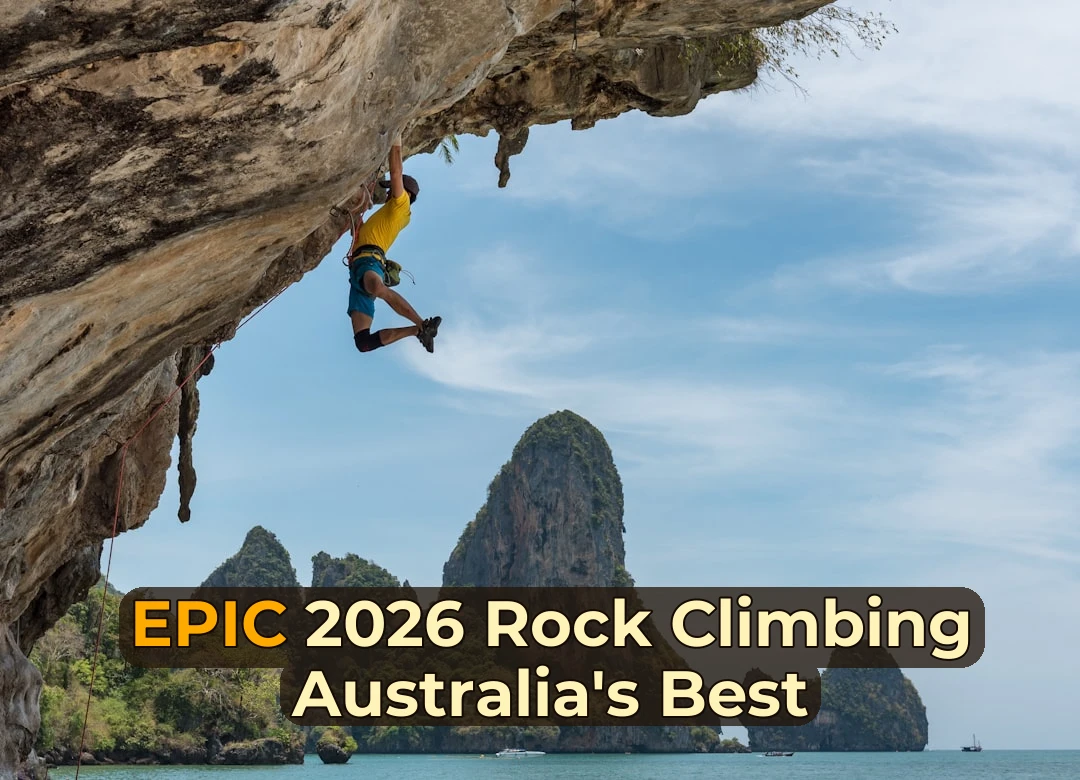
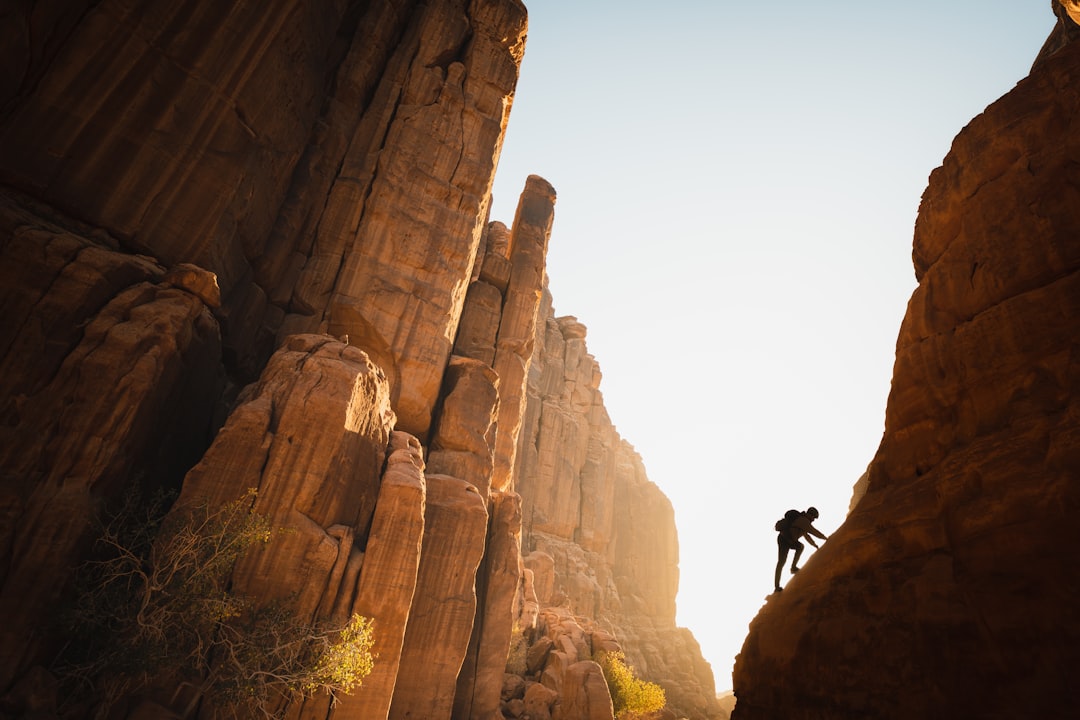
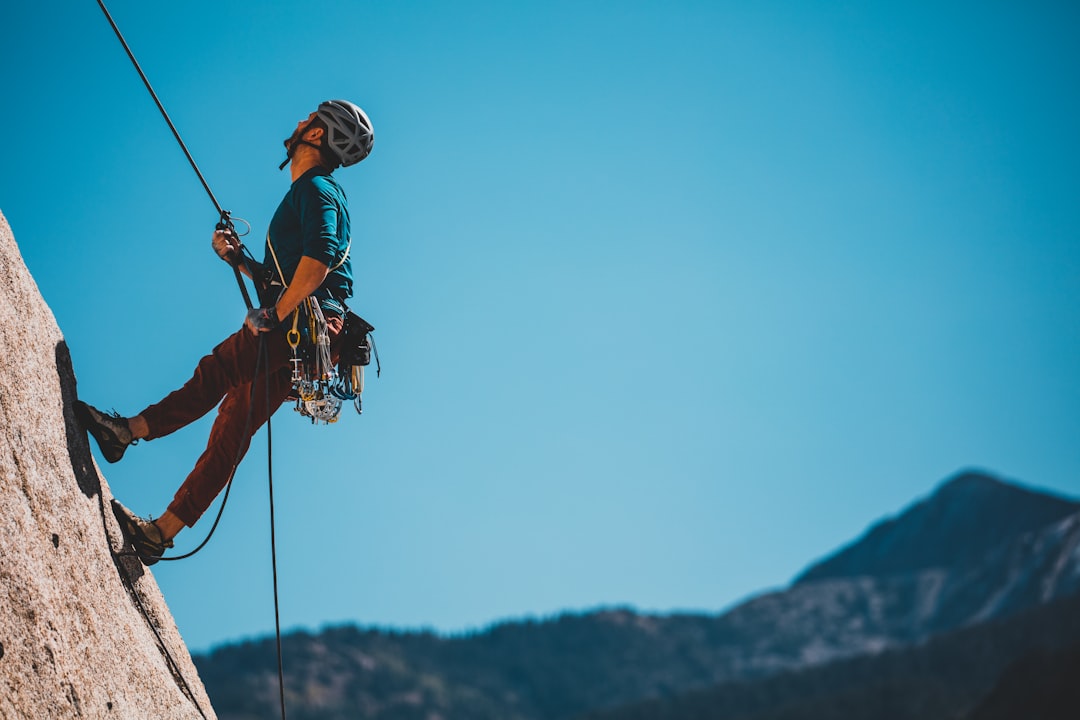
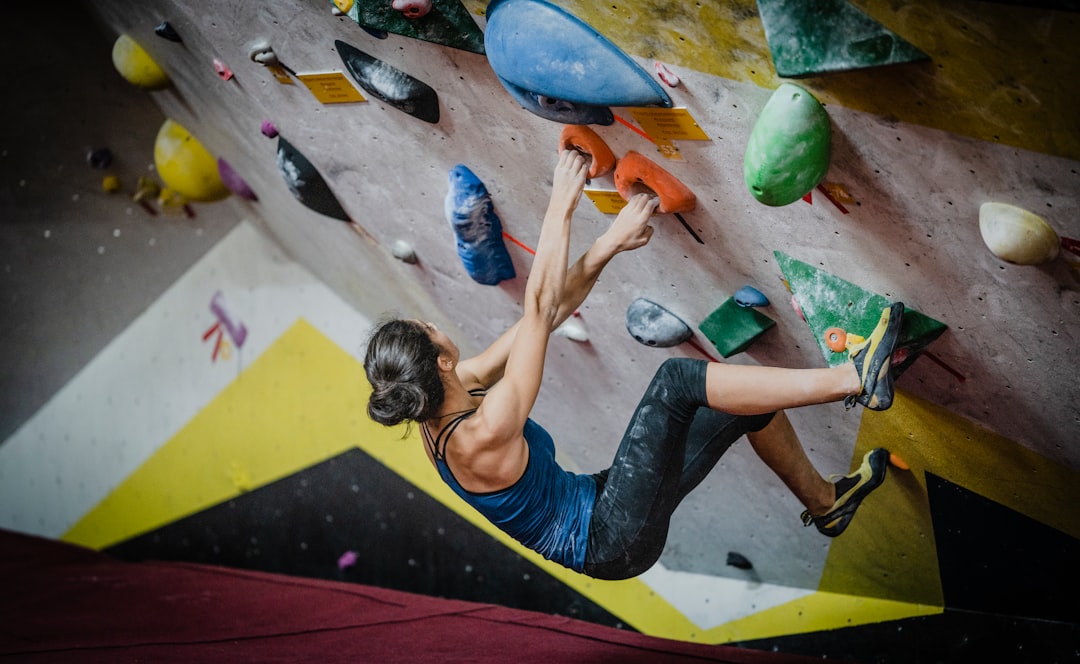
Over 2,500 registered rock climbing routes exist on K’gari (Fraser Island), yet fewer than 5% are accessible to the casual tourist due to strict conservation zoning. This paradox defines the adventure: while the island is geologically defined by its sheer cliffs, it remains ecologically protected from mass exploitation. For the serious climber or the curious family seeking authentic engagement with Australia’s largest sand island, this restriction is not a barrier but a filter. It ensures that those who do venture onto the cliff faces are prepared to navigate one of the world’s most unique geological environments—a laterite-capped island located off the eastern coast of Queensland, roughly 240 kilometres north of Brisbane. Here, climbing is not merely a physical challenge; it is an exercise in respect for the fragile ecosystem that has supported rainforests, ecosystems, and unique flora for millennia. This guide details how to navigate the “Access Equation,” select routes that respect the environment, and gear up responsibly for an unforgettable adventure on K’gari.
The Geology of Gravity – Why K’gari is Unique
To climb on Fraser Island (now officially known as K’gari) is to engage with a distinct lithological puzzle. Unlike the solid granite monoliths of Mount Elbrus or the limestone karsts of the Grampians, K’gari is a mobile dune system stabilised by vegetation and capped with laterite. This geology creates an “Australian” climbing style that prioritises precision over power, requiring a specific technical approach that few overseas guides can teach.
The primary rock type climbers encounter is laterite—a soil-derived formation rich in iron and aluminium oxides. Over millions of years, the leaching process has left behind a porous, chossy (loose rock) structure. This material is deceptive; what appears to be solid bedrock can crumble at a light touch, while the underlying sandstone layers offer more durable, albeit often horizontal, holds.
The Devil’s Punchbowl and Erosion Patterns
One of the most iconic areas for this type of climbing is the vicinity of the “Devil’s Punchbowl” (G’naroo Falls). Here, the erosion patterns dictate route difficulty more than rock quality. The falls act as a natural laboratory for studying weathering rates in tropical environments.
Key Geological Features:
- Porosity and Choss: Laterite is highly porous, leading to “chossy” holds that can easily break off. Climbers must use “slopers”—large, featureless holds—with immense friction and body tension.
- Sandstone Shear Planes: Beneath the laterite cap, layers of quartz sandstone create shear planes. These are often smooth and slab-like, demanding footwork that is smooth and deliberate rather than aggressive edging.
- Erosion Control: The root systems of the ancient rainforest act as a natural net, holding the laterite in place. Climbing too aggressively can destabilise these root systems, leading to rockfall hazards for those below.
“Climbing on K’gari is about reading the rock’s mood,” notes local expert guide Sarah Jenkins. “The laterite breathes with the humidity. In high moisture, it becomes sticky and holds well; in the dry season, it turns to dust. You are not just climbing rock; you are climbing weather.”
The Access Equation – Logistics as a Skill
In most climbing hubs, such as Melbourne’s Wall or the Grampians, access is a matter of a short drive and a gate pass. On K’gari, access is the technical challenge. The “Access Equation” involves navigating four-wheel-drive (4WD) requirements, complex permit systems with the Queensland Department of Environment and Science (formerly DoR), and tidal limitations that can strand climbers if poorly planned.
You cannot simply drive up to a crag. The island’s strict management means that prime climbing zones are accessible only by registered 4WD vehicles, and even then, only during specific tidal windows. This limitation serves as a natural conservation tool, preventing the erosion that mass tourism would inevitably cause.
4WD Requirements and Permit Systems
The Department of Environment, Science and Innovation (DESI) requires specific permits for accessing the dune climbing zones. These are not standard camping permits but specialized “Vehicle and Camping Permits” that must be booked well in advance, particularly during the winter climbing season (May to August).
Critical Access Steps:
- Vehicle Clearance: Standard 4WDs are often insufficient for the soft sand approaches to crags like Wanggoolba Creek. A centre differential lock and low-range gearing are essential. High clearance is required to avoid high-centring on sand dunes.
- Tidal Windows: Many crags, particularly those near the eastern dune face, are only accessible at low tide. Climbing a route and being unable to descend because the beach has become impassable due to rising tide is a common mistake. Tidal charts must be consulted daily.
- Permit Zones: Access is restricted to specific “Dune Climbing Permits” issued for areas like Maheno and Wanggoolba Creek. Unauthorised access to conservation zones carries heavy fines.
Did you know? The island’s dunes shift significantly after major storms. What was inaccessible last season may now be a new climbing face, and vice versa. Always check with the Fraser Island Centre for the latest route accessibility reports before heading out.
Route Selection by Ecosystem, Not Just Grade
A common mistake for visitors is to evaluate routes solely by their difficulty grade (e.g., 17, 20, or 24). On K’gari, environmental context is the primary determinant of difficulty. A “15” on the western dune face can be harder than a “20” in the rainforest gullies due to wind exposure, sand infiltration, and humidity. We categorise routes by their microclimate environment.
Coastal Wind Walls
The eastern cliff face, facing the Pacific Ocean, is exposed to persistent trade winds. These “Wind Walls” offer technical, exposed climbing but present significant psychological challenges.
Characteristics:
- Wind Load: Strong cross-winds can destabilise climbers, making precise foot placements critical. Rope swing is a constant hazard.
- Salt Crust: Salt deposits on the rock can reduce friction on certain holds, requiring specific rubber choices for shoes (e.g., sticky rubber compounds from brands like La Sportica or Scarpa).
- Key Crag: Serpentine Wall. A family-friendly but exposed route suitable for intermediate climbers. The rock is generally stable laterite, offering good holds despite the exposure.
Rainforest Gullies: Slippery and Intricate
Inland, where the dunes give way to rainforest gullies (such as those near Maheno Creek), the climbing style shifts entirely. Here, moisture is constant, and vegetation often encroaches on the rock.
Characteristics:
- Moss and Algae: Holds are often slick, requiring “smearing” techniques rather than precise edging.
- Intricate Cracks: The rock here is often more fractured, offering crack-climbing opportunities that are rare on the exposed dune faces.
- Gear Choice: A standard rack of nuts may be ineffective due to the irregular crack geometry. Hexocentric and sticky putty are recommended for sealing cracks against moisture.
Dune Face Challenges: The Hidden Multi-Pitch
The Unexpected Discovery: In 2024, a new multi-pitch route was discovered near Wathumba Falls following a major cyclone that shifted the sand dunes. Previously inaccessible, this route reveals a complex crack system hidden by decades of shifting sand. It is a testament to the dynamic nature of K’gari’s geology.
This “Hidden Route” is a 4-pitch climb, graded moderate to hard (20-23), and requires specific gear placement in wider cracks. It is not marked on standard maps, highlighting the importance of engaging with local climbing clubs or guided groups for up-to-date route information.
Gateway Crags for Families:
- Maheno Creek (3km mark): Easy access, short pitches (5-7m), stable rock. Perfect for beginners learning lead climbing.
- G’naroo Falls Base: Short, fun routes with less exposure. Ideal for families who want a taste of climbing without the commitment.
- Wanggoolba Creek Sandstone: Moderate grades with interesting terrain. Requires a 4WD to reach but offers good value for the effort.
Practical Logistics and Gear Up
Climbing on K’gari requires a specific gear list that accounts for the unique environmental factors: salt, sand, humidity, and lack of facilities. Standard gym gear often fails here.
Essential Gear Checklist
Rope and Protection:
- Diameter Rope: 9.4mm–9.8mm semi-static rope. Thinner ropes (under 9.2mm) wear out faster in abrasive laterite.
- Nuts and Hexes: Standard nuts can get stuck in soft laterite. Use “springer” nuts or hexes with broad lobes to prevent blow-outs.
- Slings: Dyneema slings are recommended to reduce weight, but ensure they are protected from sharp sand edges with edge protectors.
Footwear and Apparel:
- Shoes: Climbing shoes with sticky rubber (e.g., La Sportica Tarantul) are essential for the slippery laterite and rainforest gullies. Avoid aggressive downturned shoes; a flat last offers better precision on sloping holds.
- Clothing: Moisture-wicking fabrics are critical. The humidity can lead to rapid dehydration and chafing. Quick-dry shorts and a breathable helmet are non-negotiable.
Sourcing Australian Gear:
- BCF (Boating, Camping and Fishing): Offers affordable base layers and moisture-wicking shirts. A budget-friendly option for beginners.
- Bunnings Warehouse: For 4WD accessories, recovery gear (shovels, boards), and first aid kits. Essential for the access leg of your journey.
- Local Climbing Shops: Visiting local shops in Hervey Bay or Noosa for technical gear ensures you get advice tailored to the specific rock conditions of K’gari.
Ethical Climbing and Leave No Trace
K’gari is a World Heritage site. The responsibility of the climber extends beyond personal safety to the preservation of this fragile ecosystem. “Leave No Trace” principles must be adapted for rock climbing.
The Climber’s Pledge
- Clean Chalk: Use minimal chalk. If you must use it, use biodegradable chalk or, better yet, magnesium carbonate blocks that are easier to clean. Wipe down holds after use if possible.
- No Bolts: All existing routes are dry-solitaire or fixed anchor systems. Do not add new bolts. The impact on the laterite is severe, and unauthorized bolting carries heavy fines.
- Vegetation Protection: Do not use ropes to protect vegetation. Use branches or rocks as natural anchors where permitted, but avoid damaging root systems.
- Pack It In, Pack It Out: This includes all gear, trash, and even used rope slings. Do not leave any trace on the island.
Checklist for the First Ascent
Before you embark on your first climb on K’gari, ensure you have completed the following checklist:
- Permits Booked: Vehicle and camping permits secured through DESI.
- Tidal Charts Checked: Daily tidal windows for your specific crag confirmed.
- Gear Inspected: Rope, nuts, and slings checked for wear, especially from abrasive laterite.
- 4WD Prepared: Tyre pressures set to 20-25 PSI for sand driving; recovery gear accessible.
- Local Knowledge Reviewed: Route conditions checked with local guides or the Fraser Island Centre.
- Ethical Pledge Made: Commitment to minimal impact, no new bolts, and thorough clean-up.
Climbing on K’gari is not just a sport; it is an act of stewardship. By navigating the geology, respecting the access constraints, and adhering to ethical climbing practices, you contribute to the preservation of this unique island. The rewards—stunning views, challenging climbs, and a deep connection to the Australian landscape—are unparalleled. So gear up, check your anchors, and climb with care.
Frequently Asked Questions
What makes K’gari’s geology unique for rock climbers compared to other Australian crags?
K’gari is defined by a laterite cap overlying mobile dune systems, rather than solid granite or limestone. This creates an ‘Australian’ climbing style that prioritises precision over power. The laterite is highly porous and ‘chossy’ (loose), meaning holds can crumble easily, requiring climbers to use slopers with immense friction. Beneath this cap lies quartz sandstone with smooth shear planes, demanding deliberate footwork. Additionally, the rock’s behaviour changes with humidity; it becomes sticky in high moisture but turns to dust in dry seasons, making weather reading a critical skill.
How do I navigate the Access Equation and secure permits for climbing on K’gari?
Access is strictly managed by the Department of Environment, Science and Innovation (DESI). You must book specific ‘Vehicle and Camping Permits’ well in advance, especially during the winter season (May to August). Standard 4WDs are often insufficient; you need centre differential locks and low-range gearing to navigate soft sand approaches like those near Wanggoolba Creek. Crucially, you must consult tidal charts daily, as many eastern crags are only accessible at low tide. Failure to respect these zones carries heavy fines, and mobile coverage is non-existent, making a VHF radio essential for emergency contact with ranger stations.
What specific gear is required for climbing the laterite and rainforest gullies on K’gari?
Standard gym gear often fails here due to salt, sand, and humidity. Use 9.4mm–9.8mm semi-static ropes, as thinner ones wear out quickly in abrasive laterite. For protection, use ‘springer’ nuts or hexes with broad lobes to prevent blow-outs in soft rock. Sticky rubber shoes (like La Sportica Tarantul) are essential for slippery laterite and mossy rainforest gullies, but avoid aggressive downturned shoes. Always carry a comprehensive first aid kit with antihistamines for wasps and blister care, plus a Personal Locator Beacon (PLB) since cell phones are unreliable in remote zones.
When is the best time to climb on K’gari, and what environmental factors should I expect?
The optimal climbing window is the winter season, from May to August. However, you must account for significant environmental variables. The eastern ‘Wind Walls’ face persistent trade winds that can destabilise climbers and cause rope swing, while salt crusts reduce friction on holds. Inland rainforest gullies (like Maheno Creek) are constantly moist, making holds slick and requiring smearing techniques. The laterite itself ‘breathes’ with humidity: it holds well when moist but turns to dust in dry spells. Always check the Fraser Island Centre for recent accessibility reports, as storms can shift dunes and reveal or bury routes.
What are the costs and ethical obligations for climbing on this World Heritage site?
Costs involve booking DESI ‘Vehicle and Camping Permits’ well in advance, particularly for peak winter months. Ethically, you must adhere to strict ‘Leave No Trace’ principles: use minimal biodegradable chalk, never add new bolts (unauthorised bolting carries heavy fines), and avoid damaging root systems. All gear, trash, and rope slings must be packed out. The island’s strict conservation zoning ensures that only prepared climbers access the cliffs, preserving the fragile ecosystem of rainforests and unique flora that have existed for millennia.


Be the First to Comment
Sign in to start the conversation.