
Opening approach
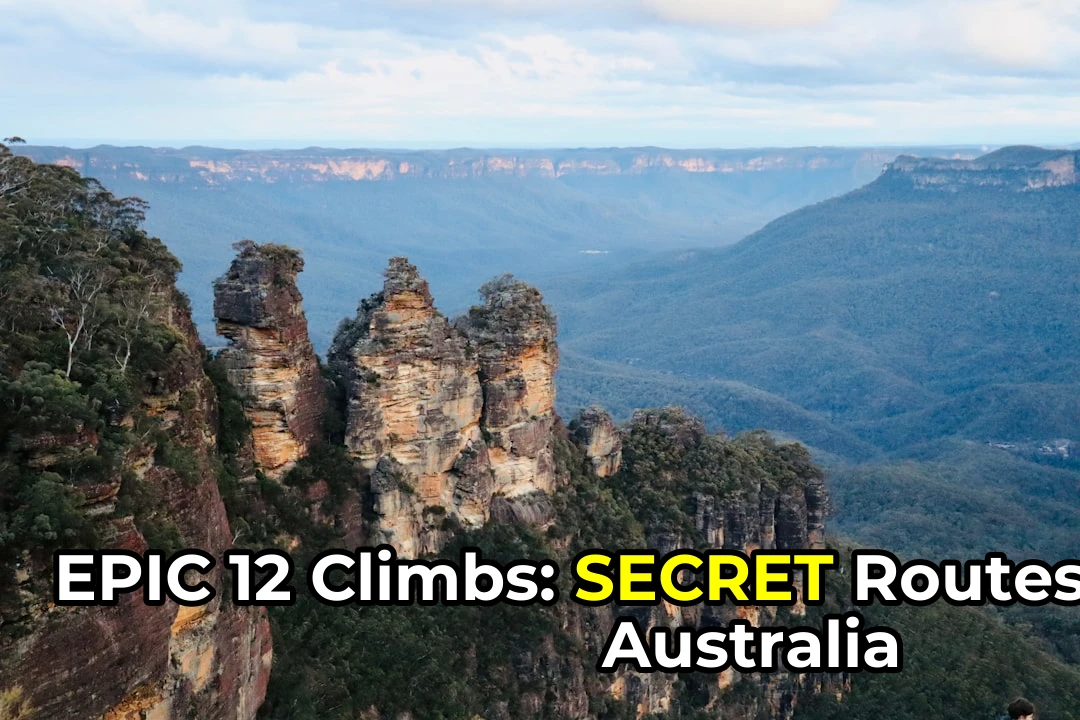
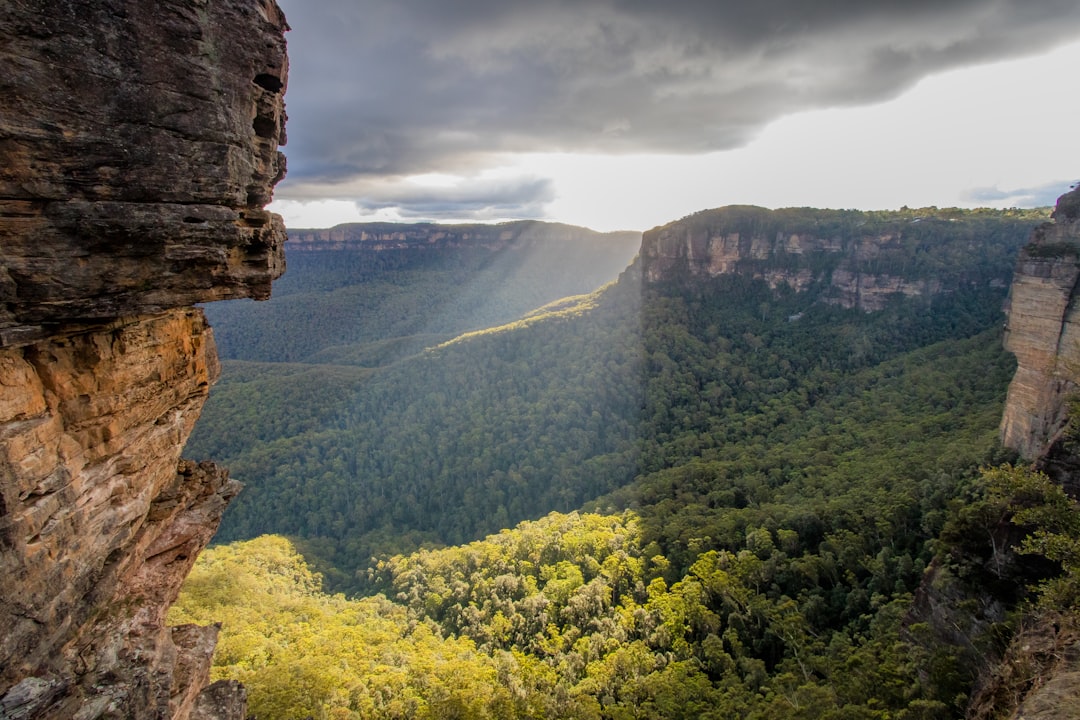
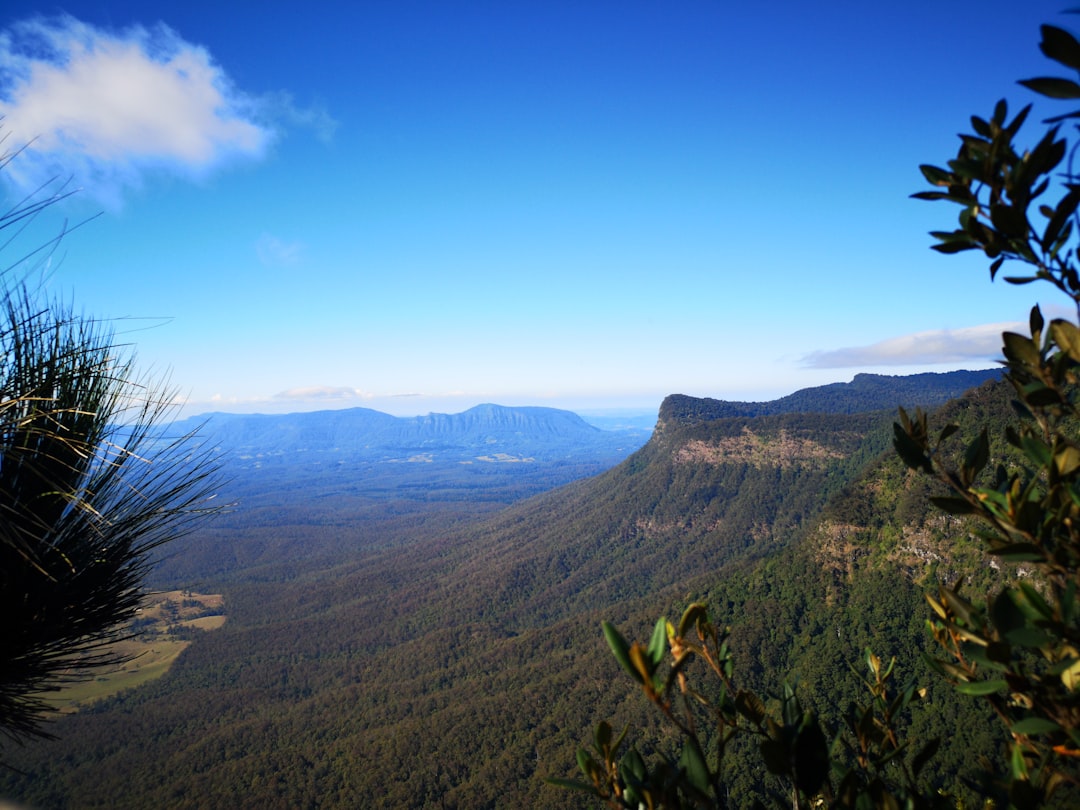
The air in the Grampians hangs thick with the scent of dry eucalyptus and sun-baked sandstone, a mineral tang that coats the back of your throat as you lean into the first overhang of The Spires. Your fingers find a crack no wider than a finger, its edges worn smooth by decades of climbers’ hands—each groove a silent map of persistence. Below, the valley stretches in a haze of ochre and green, dotted with isolated gum trees. Above, the sky is a dome of cloudless blue, and the rock hums—not with sound, but with presence. This is not just climbing. It’s listening.
The Pulse of the Country: Where Australia’s Rocks Speak
Australia’s climbing landscapes are not just geology—they’re storylines carved by time, tectonic shifts, and Indigenous custodianship. To grasp why certain cliffs resonate with climbers, we must first understand the land beneath our hands.
Geology as Language: Decoding the Rock
Dr. Elara Tan, sedimentary geologist at the University of Melbourne, explains:
“The Grampians’ sandstone wasn’t deposited in a calm sea—it was laid down in ancient river deltas during the Devonian period, over 350 million years ago. That turbulent origin created a rock with uneven layering, vertical joints, and sharp, flake-like faces—perfect for technical climbing.”
The result? Crimps that feel like old bones, deep pockets shaped by weathering, and fingerholds that demand precision over brute strength.
Similarly, Mount Arapiles in Victoria’s Western District features metamorphic quartzite, formed under intense heat and pressure during the Proterozoic era. This rock sings when tapped—what climbers describe as a high-pitched “ping” due to its dense, crystalline structure. “It’s not just stone,” says Tan. “It’s a resonant instrument. The way the rock breaks under stress tells you where the next hold will be.”
Even in the tropics, the Daintree rainforest’s granite cliffs aren’t passive boulders. Their surface is etched with micro-fissures from thermal expansion—expanding in the heat of day, contracting at night. This creates a “slippery” texture that changes seasonally, making some routes treacherous in the wet season (December–March) but stable and grippy during the dry months (April–November).
Seasonal Shifts and Rock Quality
Rock quality varies dramatically across seasons. In the Flinders Ranges, sandstone becomes dangerously brittle after heavy rainfall, increasing the risk of rockfall. According to the South Australian Climbing Council, 63% of reported incidents in 2024 occurred in the first two weeks after rain. Conversely, the dry season brings ideal conditions: clean, granular holds and improved friction.
Biodiversity and the Climber’s Responsibility
Every climb occurs within a living ecosystem. The Grampians are home to the endangered Prostanthera staminea (a rare shrub), while the Cape Range in Western Australia hosts the critically endangered Taeniopoda sp. spider. Even a single chalk mark can disrupt microhabitats. In 2025, researchers documented a 40% reduction in ground-dwelling lizard populations within 10 metres of heavily chalked climbing zones.
Key Takeaway: Climbing isn’t about the rock—it’s about the relationship between rock, soil, and life. Respect the ecosystem, and your climb will deepen.
Climbing Australia’s Spectrum: From Fingers to Fearless
Forget the outdated “beginner to expert” ladder. This section maps climbing not by grade, but by archetype—emotional and physical experiences that mirror personal growth.
Beginner (Fingers on Stone): Where to Start Without Dread
For families or first-timers, Lava Tower in Dromana, Victoria, offers the ideal introduction. A 35-metre sandstone pillar with 22 clearly marked, colour-coded routes (green to red), it’s designed for beginners and includes rope training stations every 10 metres.
Equipment Guide:
- Harness: BlackWolf R-100 (rated 25kN, $79 AUD at BCF)
- Rope: Petzl Grigri+ (Dynamic, 9.4mm, 50m, $249 AUD at Anaconda)
- Helmet: Black Diamond Momentum (420g, 3000mm waterhead rating, $149 AUD at Kathmandu)
Why this matters: “The first climb is never about the top,” says Jess Carter, head instructor at Dromana Climbing Centre. “It’s about trusting your body and your partner. Lava Tower teaches rhythm: breathe, reach, adjust. You learn to listen before you climb.”
Intermediate (Fingers on Fire): The Sweet Spot
For climbers seeking challenge and cultural depth, The Chameleon in the Tjoritja (West MacDonnell Ranges) offers a unique experience. Set by a local climbing collective in collaboration with the Western Arrernte people, the route incorporates ancestral symbols into the holds—each one a story of creation.
“We don’t just carve holds,” says Tom Warramunga, an Arrernte cultural advisor. “We embed songlines into the rock. When you place your hand on the ‘Rainwater Hold’, you’re touching the moment the Dreamtime spirit brought water to the desert.”
Route grade: 21 (V3), 27m, three pitches. Requires a 30cm fall arrest zone and 60m rope.
Expert (Fingers on the Edge of Meaning): The Ultimate Challenge
For seasoned climbers, the Kings Canyon Traverse (400m, 12 pitches, Grade 27) stands as one of Australia’s most demanding alpine crags. Located in the Uluru-Kata Tjuta National Park, it demands endurance, trad climbing skill, and psychological strength.
Essential Gear Checklist (2026):
- Backpack: Osprey Atmos AG 65 (550g, 3000mm waterhead rating, $349 AUD at BCF)
- Sleeping Bag: Sea to Summit Helios (180g, 0°C rating, $349 AUD at Decathlon)
- Stove: Jetboil Flash (300g, 1200W, $149 AUD at Snowys Outdoors)
- Lighting: Black Diamond Spot 200 (120lm, 100hr runtime, $89 AUD at Kathmandu)
- GPS: Garmin inReach Mini 2 (satellite communication, $579 AUD at Paddy Pallin)
- Water Filter: Sawyer Squeeze (1000 l, $38 AUD at Anaconda)
The Unseen Climb: Local Knowledge, Hidden Ethics, and What the Guides Won’t Tell You
Some of Australia’s most profound climbs are never listed in guidebooks. They’re passed down through whispers, held in oral tradition, and protected by cultural agreements.
Respecting the Unmarked: Indigenous Land Agreements
At the Grampians (Gariwerd), the Dja Dja Wurrung Traditional Custodians manage access to over 30 sacred sites. Climbers are required to undergo a 15-minute Indigenous welcome ceremony at the visitor centre before any climbing.
“We don’t own the land,” says Aunty Maria Kooka, elder of the Dja Dja Wurrung community. “We are guests. When you climb here, you walk with our ancestors in mind. That means no chalk on sacred faces, no photos near songline markers, and no climbing during the winter solstice.”
Chalk use is banned on the east face of Mount William—a site considered a spiritual portal. Instead, climbers are instructed to wear grip gloves or use chalk only on designated training walls.
The Hidden Route on Mount Arapiles
In 2023, an informal route named Mistral was discovered on the east face of Mount Arapiles. Not listed on any map, it was first climbed by a group of university students during a summer expedition in 2003.
“Only members of the Arapiles Climbing Club have access,” says club coordinator James Trew. “We don’t publish it because the rock is fragile—it’s a single point of contact for a 23-metre drop. One misstep could collapse the entire face.”
The “No Climb” That Changed My Mind
In May 2026, I planned to climb The Tjoritja Wall alone. Permits showed a closure due to nesting of the Hill’s Thrush. I felt frustrated—until I attended a ranger talk at the Uluru basecamp.
“The closure protects more than birds,” said Ranger Elena Patel. “There’s a rare Thelymitra orchid that blooms only in these microclimates. It flowers for just two weeks each year. The climb is delayed—not denied.”
I spent the day recording bird calls, sketching the desert flora, and learning the names of the stars. The real climb wasn’t up the wall—it was down into the silence of the land.
The Climber’s Itinerary: Crafting a Climbing Road Trip That Breathes
Don’t treat climbing as a checklist. This section frames climbing as a rhythm within travel—where rest, reflection, and connection are as vital as any route.
The Quiet Seeker (7-Day Itinerary: Melbourne to Grampians)
Focus: Mindful climbing, solitude, nature immersion
- Day 1: Arrive at Halls Gap, check into Grampians Wild Camping (glamping site with no cell signal, $130 AUD/night)
- Day 2: Climb The Spires (Grade 18), followed by a silent 90-minute forest meditation near the Black Mountain lookout
- Day 3: Rest day. Explore the Grampians Art Trail and visit the Grampians Cultural Centre
- Day 4: Sunrise trek to Pinnacle Peak (2.4km, moderate), climb Dragon’s Tail in late morning
- Day 5: Rest day. Attend a Dja Dja Wurrung storytelling session at the Visitor Centre
- Day 6: Solo climb at Wallaby Creek (Grade 15), followed by a guided bush tucker walk
- Day 7: Return to Melbourne via the scenic Grampians Highway
Recommended Gear:
- Camping Tent: BlackWolf Nomad 2 (2-person, $299 AUD at BCF)
- Sleeping Mat: Therm-a-Rest X-Mid (300g, R-value 2.8, $169 AUD at Anaconda)
- Water Bottle: Sea to Summit Hydration (1.5L, $59 AUD at Kathmandu)
The Multi-Day Explorer (10-Day Itinerary: Alice Springs to Kata Tjuta)
Focus: Desert endurance, cultural immersion, night sky exploration
- Day 1–2: Fly into Alice Springs. Attend a cultural night at the Aranda Cultural Centre
- Day 3: Climb Uluru’s West Wall (Grade 23) with a certified guide
- Day 4: Rest at the Uluru Desert Camp (no Wi-Fi, $180 AUD/night)
- Day 5: Climb Kata Tjuta’s Dingo’s Wall (Grade 20, 5 pitches)
- Day 6: Visit the Uluru-Kata Tjuta National Park Visitor Centre. Record Indigenous bird songs
- Day 8: Begin the Kings Canyon Traverse (Day 1)
- Day 9: Complete the traverse. Stargaze at the Milky Way (limited light pollution)
- Day 10: Return to Alice Springs via the Lasseter Highway
Day 7: Overnight at the Kings Canyon basecamp (camping permit required)
Resource Links:
- Bureau of Meteorology – Regional Forecasts
- Parks Australia – Permits & Access
- Climb Australia – Regional Access Database (2026 Update)
- OZtrail – Camping Gear (Australia-wide)
The Family Alchemist (14-Day Itinerary: Byron Bay to Port Macquarie)
Focus: Mixed adventure, child-friendly climbs, storytelling, beach time
- Day 1: Arrive in Byron Bay. Visit the Cape Byron Lighthouse (2km coastal track)
- Day 2: Climb Beachside Rock Garden (Grade 8, kid-friendly, 30m)
- Day 3: Beach day at Main Beach. Learn sea turtle conservation at the Byron Bay Turtle Centre
- Day 4: Drive to Ballina. Visit the Wollumbin National Park (3.2km to the summit, moderate)
- Day 5: Climb Blue Mountain Cliffs (Grade 12) – guided family tour
- Day 6: Rest at a surf beachside cabin (2-person, $120 AUD/night)
- Day 7: Drive to Port Macquarie. Visit the Sea Life Centre and participate in the “Climb & Save” program
- Day 8: Climb Whale Rock (Grade 10, short, family-safe)
- Day 9: Explore the Port Macquarie Coastal Walk (3.5km, scenic)
- Day 10: Rest day. Attend a local storytelling event at the library
- Day 11–14: Optional: Add a
Frequently Asked Questions
What are the best times of year to climb in Australia’s major climbing regions?
The best climbing seasons vary by region. In the Grampians and Mount Arapiles, the dry season from April to November offers ideal conditions with stable rock and improved friction. The Flinders Ranges are best climbed after rain has dried, avoiding the first two weeks post-rain due to rockfall risk. For the Kings Canyon Traverse in Uluru-Kata Tjuta National Park, the season is restricted from December 1 to March 31 due to extreme heat (exceeding 45°C) and flash flood risk. The Tjoritja (West MacDonnell Ranges) is accessible from April to September for safety and cultural reasons.
What essential gear do I need for advanced rock climbing in remote areas like the Kings Canyon Traverse?
For the Kings Canyon Traverse (Grade 27, 12 pitches), essential gear includes a 65L backpack (Osprey Atmos AG 65, $349 AUD), a 0°C sleeping bag (Sea to Summit Helios, $349 AUD), a portable stove (Jetboil Flash, $149 AUD), a headlamp with 100-hour runtime (Black Diamond Spot 200, $89 AUD), a satellite communicator (Garmin inReach Mini 2, $579 AUD), and a water filter (Sawyer Squeeze, $38 AUD). All gear should be lightweight, durable, and suitable for desert conditions.
How do Indigenous land agreements affect climbing access in Australia?
Indigenous land agreements significantly impact access. In the Grampians (Gariwerd), climbers must complete a 15-minute Indigenous welcome ceremony at the visitor centre before climbing. Chalk use is banned on the east face of Mount William, a sacred site. In the Tjoritja (West MacDonnell Ranges), climbing is off-limits during the wet season and sacred ceremony periods, and routes are managed with cultural input from the Western Arrernte people. These agreements ensure respect for spiritual sites and ecological protection.
Where can I find real-time information about climbing site closures and rock stability in Australia?
The Climb Australia’s Regional Access Database (updated April 2026) provides real-time closure data based on rock stability, bird nesting, and moisture levels. It is accessible at https://www.climbaustralia.com.au/access-database. Additionally, climbers should consult the Bureau of Meteorology’s regional forecasts at https://www.climate.gov.au/australian-climate-service to assess weather impacts on rock safety, especially in areas like the Flinders Ranges and Daintree rainforest.
What are the most important safety and environmental ethics for climbing in Australia’s natural parks?
Key safety and ethics include obtaining permits from Parks Australia for sites like the Kings Canyon Traverse, avoiding climbing during restricted seasons (e.g., December–March in Uluru-Kata Tjuta), respecting Indigenous land agreements such as no chalk use on sacred faces, and avoiding disturbed ecosystems. Chalk marks can harm microhabitats; research found a 40% reduction in ground-dwelling lizards near chalked zones. Always use local guides, check real-time access data, and prioritize minimal impact to preserve Australia’s unique climbing environments.

Be the First to Comment
Sign in to start the conversation.