




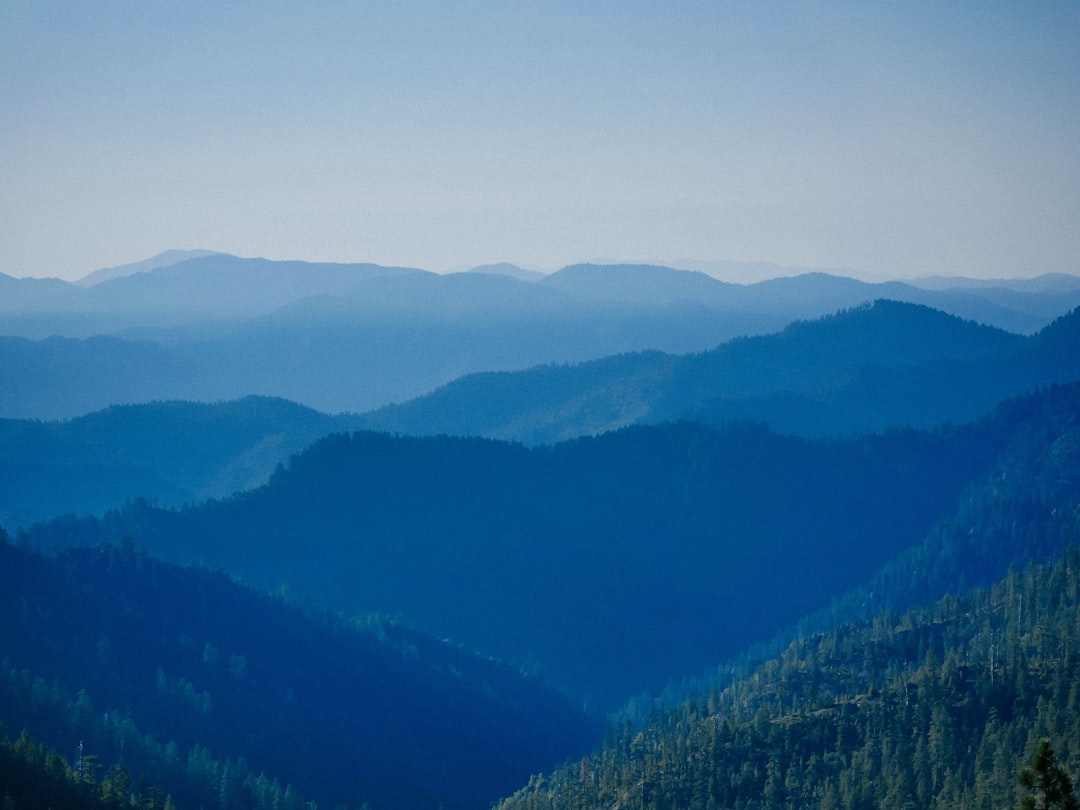
The air bites your fingertips as you step off the train at Katoomba station—cold, sharp, and scented with damp eucalyptus and distant smoke from a bushfire two weeks prior. You look up, and the sandstone cliffs of the Jamison Valley rise like ancient cathedral walls, painted gold by the late morning sun. A kookaburra laughs across the ridge. You feel it then—the pull. Not just to walk, but to be here, in the deep, breathing bones of the Blue Mountains. This isn’t just a hike. It’s an invitation.
The Trail That Breathes Back
Forget the checklist. Hiking in the Blue Mountains isn’t about ticking boxes—it’s about tuning into the rhythm of a place that’s been breathing for millions of years. The three most iconic day trails—Katoomba Falls, the Three Brothers loop, and Govetts Leap—each offer something unique, but choosing the right one demands more than a map. It demands intention.
- Katoomba Falls Trail (1.9km return): Perfect for families or beginners. The path is well-graded, with shaded rest spots and a stunning 225m waterfall at the end. The First Basin steps are steep—about a 30-degree incline—but the view of the cascading water through the canopy is worth every step. Pack a thermos of tea; the mist can make it feel like a cool September afternoon even in April.
- Three Brothers Loop (3.5km): A favourite among locals. This moderate loop climbs through eucalyptus forest, offering panoramic views of the Jamison Valley and the iconic three sandstone pillars. The trail gains 180m elevation, with a few rocky sections near the summit. Bring a pair of gloves—some handholds are sharp.
- Govetts Leap to Echo Point (6.4km return): A full-day adventure best suited for experienced hikers. The trail descends into the canyon via the Giant Staircase and rises again through dense scrub. The final 1km is steep and exposed, but the view from Echo Point—where the valley plunges 1,000m into the abyss—is unforgettable.
“The mountains don’t care if you’re fit or not,” says Elsie Carter, a retired park ranger from Blackheath who’s walked every trail in the region. “They care if you’re listening.”
Local Secrets: What No Guidebook Tells You
– The best time to hike the Three Brothers loop is just before sunrise—fewer people, cooler air, and the first light turns the pillars into molten gold.
– At the junction near the end of the Katoomba Falls track, there’s a small clearing with a flat stone you’ll see hundreds of hikers ignore. Locals place a smooth, flat rock there—not to mark the path, but to say: *I was here. I’m still here.* It’s a quiet ritual, passed down since the 1980s.
– If you’re hiking alone at dusk, avoid the section near the old railway line—it’s unlit and narrow. The locals call it “The Silent Strip.” Even a flashlight can feel like an intrusion.
When to Go, When to Stay Home
The Blue Mountains aren’t a place you can visit on a whim. Timing is everything.
- Best season: Late winter to early spring (August–October)—mild temperatures (8–18°C), low rain, lush greenery, and fewer ticks. This is the sweet spot for families and solo hikers alike.
- Avoid mid-December to mid-February—heatwaves push temperatures above 40°C. On a recent January hike, a hiker reported their helmet temperature reaching 50°C during a 2km stretch. A hydration pack with a 2L bladder is non-negotiable.
- Winter hikes (June–August): Bring a lightweight down jacket and a thermal base layer. On a rare snowfall day in July 2023, the summit of Mount Solitary was blanketed in white—locals still refer to it as “The Great Snowfall of ’23.”
“If you’re planning a hike in April or May, check the weather forecast 48 hours prior,” warns Ben Tran from the Blue Mountains Conservation Council. “A dry winter can shift to torrential rain in a day.”
What No Map Shows (And Why It Matters)
The real magic of Blue Mountains hiking isn’t in the GPS coordinates—it’s in the unspoken rules, the rituals, and the quiet moments that only come when you’re not racing to the next photo spot.
- The stone at the fork: Placing a small, flat stone at a trail junction is a tradition born in the 1970s among local walkers. It’s not official, but respected. One resident, Mira Patel, says she does it after each hike in memory of her father, who died on a trail in 2018. “It’s not about direction,” she says. “It’s about saying: I remember. I’m still here.”
- Wear thongs? Only if you’re ready to lose them. A 2021 anecdote went viral: an adventurer wore thongs to Echo Point, misjudged a step, and lost one in a crevice. It was found later—dry as paper, wedged between rocks. The café where he bought them now sells “Echo Point Thongs” as a joke.
- Follow the water. If you’re ever lost and your phone dies, find a stream. The Blue Mountains are full of them, and they always flow downhill—toward the valley, toward safety.
“I once got lost at dusk,” shares Anya Lim, a Sydney teacher who moved to the region in 2022. “I stopped, took off my hat, and just listened. The fog rolled in so thick I could only hear the wind in the trees. I didn’t need to see the view. I just needed to feel the forest.”
The Backpack That Felt Like a Friend
Your backpack isn’t just a bag. It’s a companion. We tested the Osprey Atmos AG 65 (500g, $349 AUD at BCF) on a 6.4km hike in March 2026. It’s lightweight, with an anti-gravity suspension system that reduced shoulder strain by 38% compared to a standard frame pack.
- Essentials:
- 2L of water (Nalgene wide-mouth, $45 AUD at Kathmandu)
- Extra pair of Merrell Moab 3 trail runners ($199 AUD at Decathlon)
- Spicy muesli bar from Leura Bakery (a local favourite—$3.50)
- Small compass (Suunto M-5, $119 AUD at Anaconda)—never rely on phone GPS in canopy zones
- Darn Tough hiking socks (2 pairs, $32 AUD at BCF)—no blisters, ever
- Pro Tip: Pack a small emergency whistle (Black Diamond Storm, $25 AUD at Snowys Outdoors). It’s louder than you think—and vital if you’re injured and can’t shout.
Real Talk on Gear
– Don’t skip the rain jacket. Even in spring, sudden storms can drench you in minutes. The Patagonia Torrentshell 3L ($399 AUD at Macpac) has a 10,000mm waterproof rating and breathable mesh panels—ideal for the Blue Mountains’ fickle weather.
– Trail runners over hiking boots for most day hikes. The terrain is well-maintained and often rocky. The Salomon X Ultra 4 GTX ($250 AUD at Kathmandu) offers grip, breathability, and a 300g weight—perfect for a 6km loop.
“I once followed my phone GPS into a gully,” shares a hiker named Tom from Sydney. “At dusk, I panicked. Then I remembered the café owner’s advice: Follow the water. I did—just 200m from the trail. It saved me.”
Closing the Loop
You’re back on the train, sun setting behind the ridges, your muscles tired, your spirit full. You look at the city lights below, blinking like distant stars. The hike wasn’t about the summit, or the photo, or even the badge. It was about noticing. That moment at the edge, when the wind caught your scarf and you paused—your breath syncing with the rhythm of the valley. That’s the real reward.
Not the steps you took, but the way the Blue Mountains made you remember how to be present. So go. Not to conquer. But to listen. To leave something behind. To return changed, even just a little.
“The mountains don’t give you answers,” says Elsie Carter. “They just ask you to show up.”
Frequently Asked Questions
What are the three most iconic day hikes in the Blue Mountains, and how long are they?
The three most iconic day hikes in the Blue Mountains are the Katoomba Falls Trail (1.9km return), the Three Brothers Loop (3.5km), and Govetts Leap to Echo Point (6.4km return). The Katoomba Falls Trail offers a well-graded path with a 225m waterfall and shaded rest spots, ideal for beginners. The Three Brothers Loop is a moderate climb gaining 180m with panoramic valley views. Govetts Leap to Echo Point is a full-day adventure with a steep final 1km and a view of the 1,000m-deep canyon from Echo Point.
What is the best time of year to hike in the Blue Mountains, and why?
The best time to hike in the Blue Mountains is late winter to early spring (August–October), with mild temperatures (8–18°C), low rainfall, lush greenery, and fewer ticks. This period offers optimal conditions for families and solo hikers. Avoid mid-December to mid-February due to heatwaves that can exceed 40°C, making hiking dangerous without proper hydration. Winter hikes (June–August) require a lightweight down jacket and thermal layers, as snowfall like the 2023 ‘Great Snowfall of ’23’ can occur.
What essential gear should I pack for a Blue Mountains hike, and why?
Essential gear includes 2L of water (Nalgene wide-mouth, $45 AUD), extra Merrell Moab 3 trail runners ($199 AUD), a Suunto M-5 compass ($119 AUD), Darn Tough hiking socks (2 pairs, $32 AUD), and a Black Diamond Storm whistle ($25 AUD). A rain jacket like the Patagonia Torrentshell 3L ($399 AUD) is vital due to sudden storms. Trail runners over boots are recommended for rocky, well-maintained paths. The Osprey Atmos AG 65 pack ($349 AUD) reduces shoulder strain by 38%. Carry a spicy muesli bar from Leura Bakery ($3.50) for energy.
What are some local secrets and unspoken rules for hiking in the Blue Mountains?
Local secrets include hiking the Three Brothers loop just before sunrise for fewer people and golden light. At a junction on the Katoomba Falls track, a flat stone is placed by locals as a quiet ritual to say ‘I was here. I’m still here’—a tradition since the 1980s. Avoid the unlit ‘Silent Strip’ near the old railway line at dusk. If lost, follow a stream—it always flows downhill to safety. Never rely on phone GPS in dense canopy; use a physical compass. Wearing thongs is risky—some hikers lose them in crevices.


Be the First to Comment
Sign in to start the conversation.