

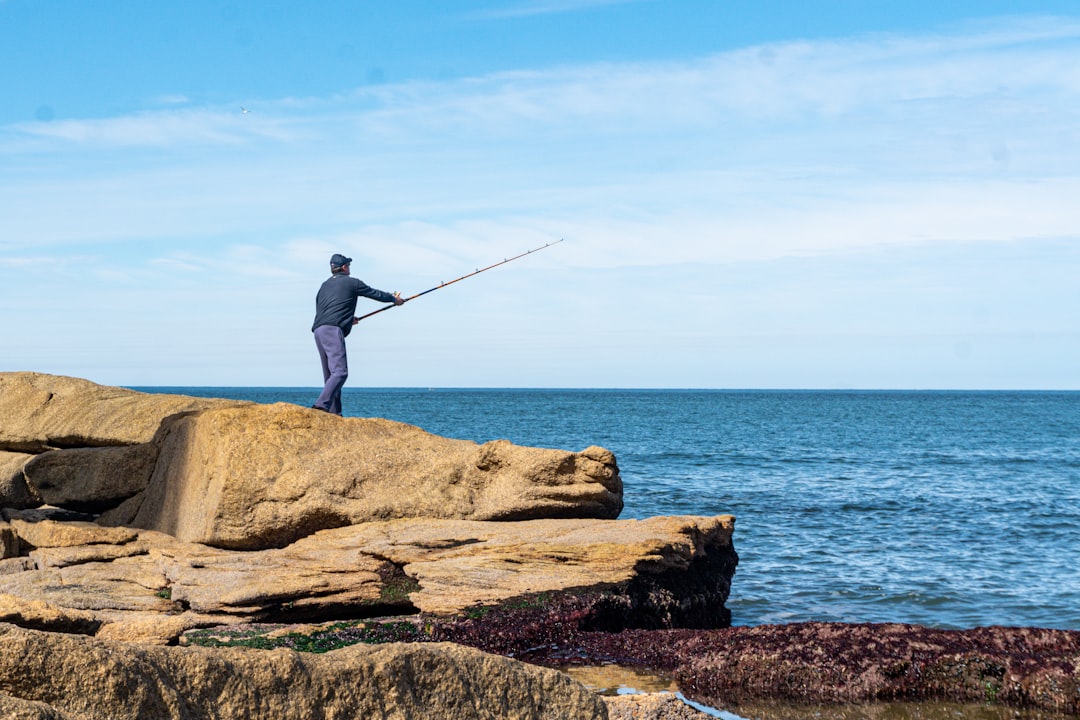
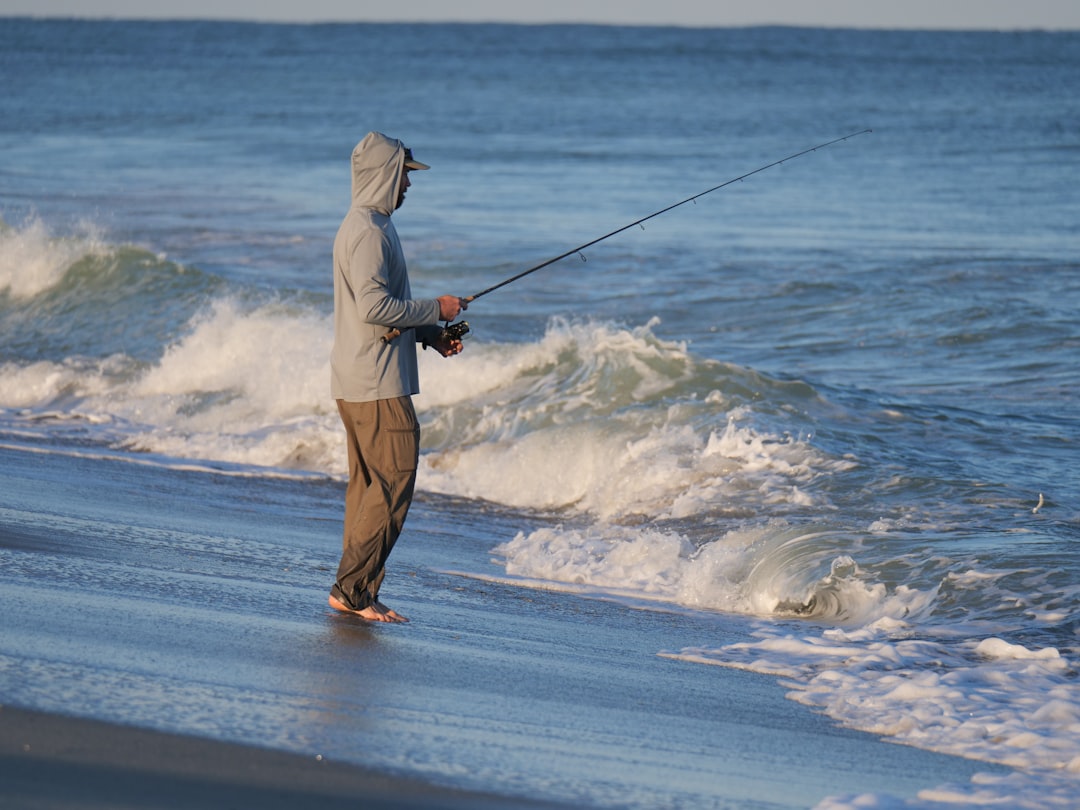
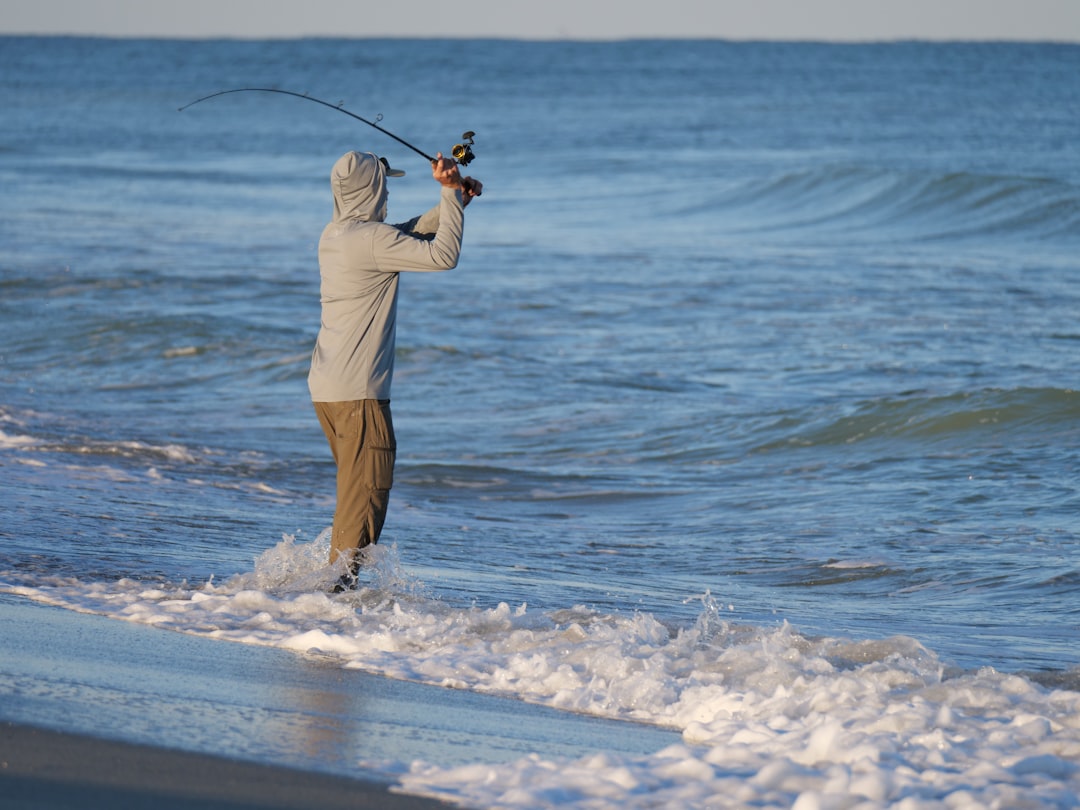
Have you ever stood on a sun-bleached Australian beach at dawn, feeling the salt crust form on your skin, only to realise that for a few hours, the world’s noise has completely vanished?
There is a profound stillness that settles over the coastline before the sun breaches the horizon. It’s not just about waiting for a fish to bite; it is a rare opportunity to disconnect from the digital roar and reconnect with the rhythm of the tides. This is the essence of fishing Australia—not as a competitive sport, but as a ritual of patience and appreciation for our vast, rugged coastline. Whether you are holding your first rod or you’ve been chasing the perfect catch for decades, there is something universally calming about the ocean’s edge. And it turns out, this isn’t just poetic licence; scientific studies increasingly suggest that does fishing reduce cortisol? levels significantly, turning a morning on the beach into a powerful mental health reset.
The Pre-Dawn Ritual: Preparation & Safety
The secret to a successful summer surf session isn’t found in the quality of your lure, but in the hours before you arrive. The “Golden Hour”—that brief window when the sun is just rising and the water is calmest—demands respect.
Key Takeaways for Early Risers:
* Check the Tide Charts: On the East Coast, summer tides can be deceptively strong. Always consult local tide tables to ensure you aren’t caught out by a rising surge or left stranded on a drying sandbar.
* Respect the Country: Many of Australia’s best surf breaks are located on Traditional Owner lands. Always seek permission if accessing private or culturally significant beaches, and leave no trace behind.
* Monitor Local Alerts: Summer brings unique hazards. Keep a close eye on local council apps for jellyfish warnings or, if you are further north in Queensland and WA, crocodile alerts.
“The ocean gives back what you put into it. If you treat the beach with respect, it will reward you with tranquility.”
A quick note on safety: never turn your back on the ocean. Rips are unpredictable, and summer swells can change conditions in minutes. Always fish with a buddy, especially if you are new to surf casting.
Reading the Water: Technique & Timing
Once you are set up, the real work begins. Reading the beach is an art form that separates the happy anglers from those who go home with empty buckets. Summer fishing requires a different mindset than winter; the water is warmer, and species like Bream and Salmon move closer to shore to feed.
Identify the “gutters”—the deeper channels between sandbars where fish hold while waiting for bait to wash over the crest. Instead of casting blindly into the whitewash, aim for these quieter zones.
Pro Tip: Pay attention to the light conditions. Early morning often sees baitfish hiding in deeper water, requiring slower retrieves with larger lures. As the sun climbs and visibility improves, switch to smaller, more natural-looking plastics or hard bodies that mimic prawns.
I remember a trip to a popular spot on the Mid North Coast where I was casting directly into the breaking waves for two hours with zero response. Frustrated, I walked down to a back-eddy near a rocky headland—ignored by everyone else—and caught three excellent school mackerel in ten minutes. It was a humbling reminder that structure matters more than sheer numbers of rods on the beach.
The “Sardine Bomb” Phenomenon
Sometimes, nature does the work for you. On rare occasions during summer evenings, you might witness a “sardine bomb”—a massive bait ball of small fish surfacing near the shore. This is a feeding frenzy in action.
* Spotting Feeding Activity: Look for surface disturbances, diving seabirds (like Pelicans or Shearwaters), and the flight of Trevally.
* Actionable Advice: When you see this, stop thinking about your lure presentation and focus on location. Cast directly into the chaos of the feeding frenzy, but keep your line tight to handle the explosive strikes.
The Unexpected Discovery: Conservation & Community
We often hear that fishing is stressful because we are waiting for a bite, but I argue the opposite: fishing Australia offers one of the most immersive ways to observe marine biodiversity. The reward is often not just the fish, but what you discover along the way.
Warning: Summer fishing can sometimes yield smaller, less desirable species due to seasonal migration patterns. Manage your expectations and focus on the experience of conservation rather than just the trophy.
Embracing catch-and-release is vital for sustainable beach fishing practices. When I first started, I thought a “bad” day was one with no catches. Now, I consider it a success if I spot a Manta Ray gliding underneath my kayak or help clear ghost gear from the reef.
One of my favourite memories involves a small, unremarkable flathead caught at low tide. While measuring it for release, I noticed a tiny cleaner shrimp dancing on its gills. It was a reminder that every fish is part of a complex, living ecosystem. By practising responsible fishing—using circle hooks to minimise gut-hitting and wetting hands before handling—we ensure these ecosystems remain vibrant for future generations.
Practical Travel Information: Beating the Heat
Let’s be honest about one thing: Australian summer mornings can be brutally hot. The sun’s UV index rises rapidly, and dehydration is a real risk that can turn a peaceful morning into an emergency.
Safety Note: Hydration is non-negotiable. Bring at least 2 litres of water per person, even if the air feels cool. Reapply broad-spectrum sunscreen regularly, and consider wearing a wide-brimmed hat with a neck flap.
Planning your trip involves more than just gear. Consider the following:
1. Peak Hours: Aim to be on location 30 minutes before sunrise and leave by 10am when the UV index spikes.
2. Facilities: Research your destination’s amenities. Some popular surf beaches have open-air cafes nearby, allowing you to grab a post-cast coffee or fish and chips.
3. Local Knowledge: Strike up conversations with locals. They often know about recent fishing restrictions or temporary closures due to weather events that aren’t yet on the national apps.
There is a lesser-known stretch of beach in Victoria, tucked away between the Surf Coast and the Great Ocean Road, that mirrors the quality of famous spots but lacks the crowds. The locals there keep it quiet, protecting the fragile dune ecosystems while offering incredible fishing for Red Bream. It’s a testament to the fact that some of Australia’s best secrets are shared only with those who respect them.
The Cast Forward: Finding Your Quiet Corner
As we wrap up this guide to summer surf fishing, remember that the goal isn’t merely to fill a bucket. It is to find your own quiet corner of the shore and claim it as a place of peace.
Your reel is loaded, the tide is turning, and the ocean is waiting. The best part of beach fishing isn’t what you pull out of the water; it’s the calm you feel when you put it back. Whether you are reading *fishing Australia episodes* online for inspiration or just looking to unwind after a hard week, the beach offers an authentic escape.
Pack your gear, respect the coast, and go find your own moment of silence. The fish are there, but more importantly, the stillness is waiting for you too.
Frequently Asked Questions
What are the essential safety preparations required before summer surf fishing in Australia?
Before heading out, you must consult local tide charts, as East Coast summer tides can be deceptively strong and may strand anglers on drying sandbars. It is critical to monitor local council apps for specific hazards such as jellyfish warnings or crocodile alerts in Queensland and WA. Always fish with a buddy, especially if you are new to surf casting, and never turn your back on the ocean due to unpredictable rips. Additionally, respect Traditional Owner lands by seeking permission for private or culturally significant beaches and ensure you leave no trace behind.
How should anglers adjust their casting techniques and lure choices during summer?
Summer fishing requires targeting ‘gutters,’ which are deeper channels between sandbars where fish hold, rather than casting blindly into the whitewash. In early morning light, baitfish often hide in deeper water, so use slower retrieves with larger lures. As the sun climbs and visibility improves, switch to smaller, natural-looking plastics or hard bodies that mimic prawns. If you encounter a ‘sardine bomb’—a massive bait ball near shore—cast directly into the feeding chaos caused by diving seabirds or Trevally, keeping your line tight to handle explosive strikes.
What practical steps should be taken to manage heat and UV risks during summer sessions?
Hydration is non-negotiable; bring at least 2 litres of water per person, even if the air feels cool. Plan to be on location 30 minutes before sunrise and leave by 10am when the UV index spikes. Reapply broad-spectrum sunscreen regularly and consider wearing a wide-brimmed hat with a neck flap. Research your destination’s amenities, as some popular surf beaches have open-air cafes nearby for post-cast refreshments. Always strike up conversations with locals to learn about recent fishing restrictions or temporary closures not yet listed on national apps.
What conservation practices are recommended for sustainable beach fishing?
Embrace catch-and-release to support sustainable practices, focusing on the experience of conservation rather than just trophy catches. Use circle hooks to minimise gut-hitting and always wet your hands before handling fish to protect their slime coat. Be mindful of seasonal migration patterns which may yield smaller species, and manage expectations accordingly. Consider your success by spotting marine biodiversity, such as Manta Rays or cleaner shrimp, and actively helping to clear ghost gear from the reef to keep ecosystems vibrant for future generations.




Be the First to Comment
Sign in to start the conversation.