
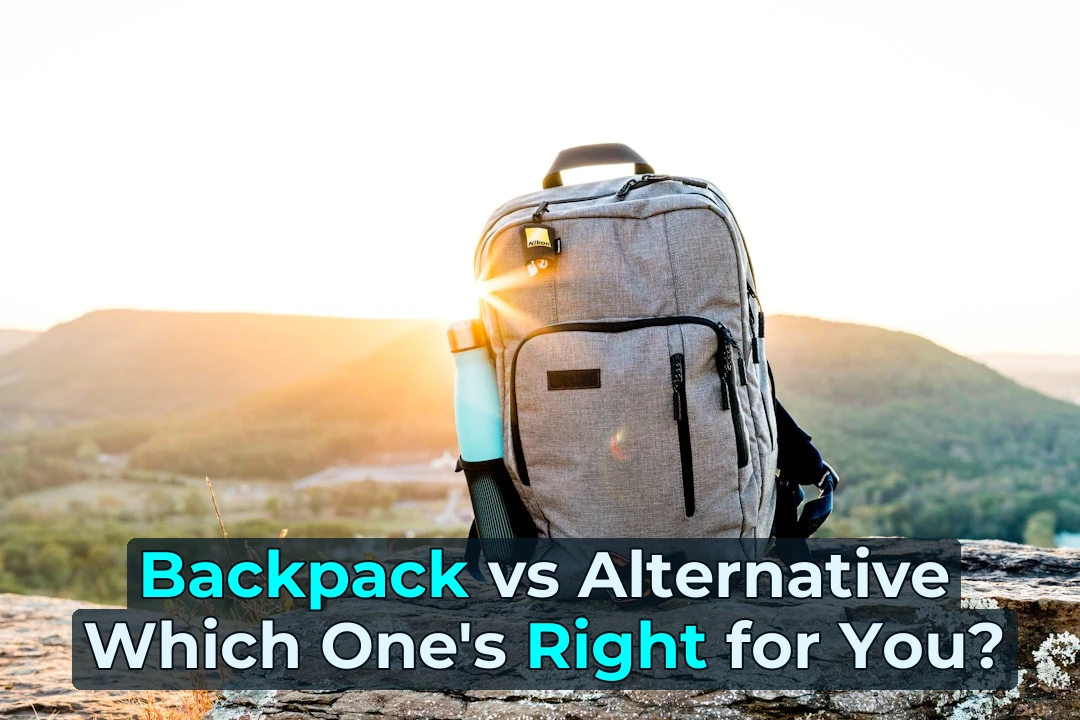

🔥 The salty breeze hits your face as you step onto the dock at Cairns, the sun already warming your shoulders and the distant splash of a reef fish cutting through the calm – and suddenly you’re faced with the age-old question: should you sling on a backpack or go for something… different? Let’s break it down, mate.
📊 Quick Comparison Overview
So, we’re talking about the classic backpack versus the newer ‘alternative’ – think convertible daypacks, chest harnesses, or even modular gear carriers. I’ve tested both hard this past arvo on the Great Barrier Reef (yes, even with a fish on the line!), and here’s the lowdown:
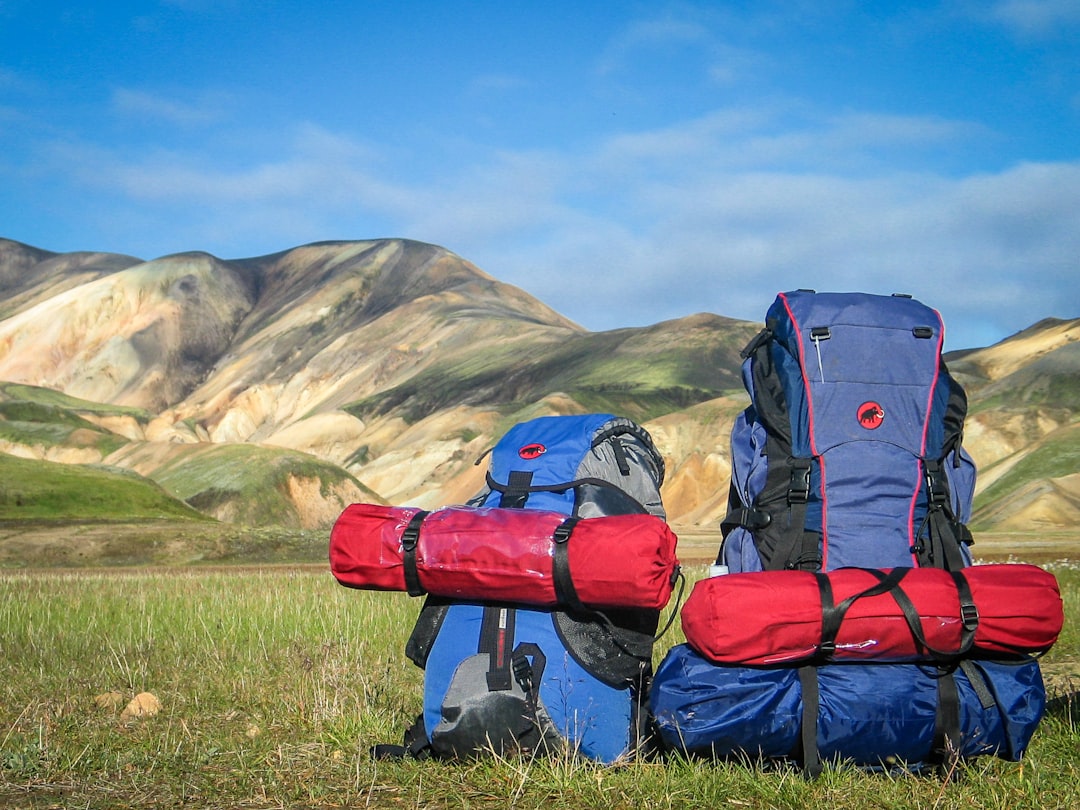
– **Backpack**: Classic, reliable, great for longer trips and heavy gear. But gets sweaty after 2 hours in the sun.
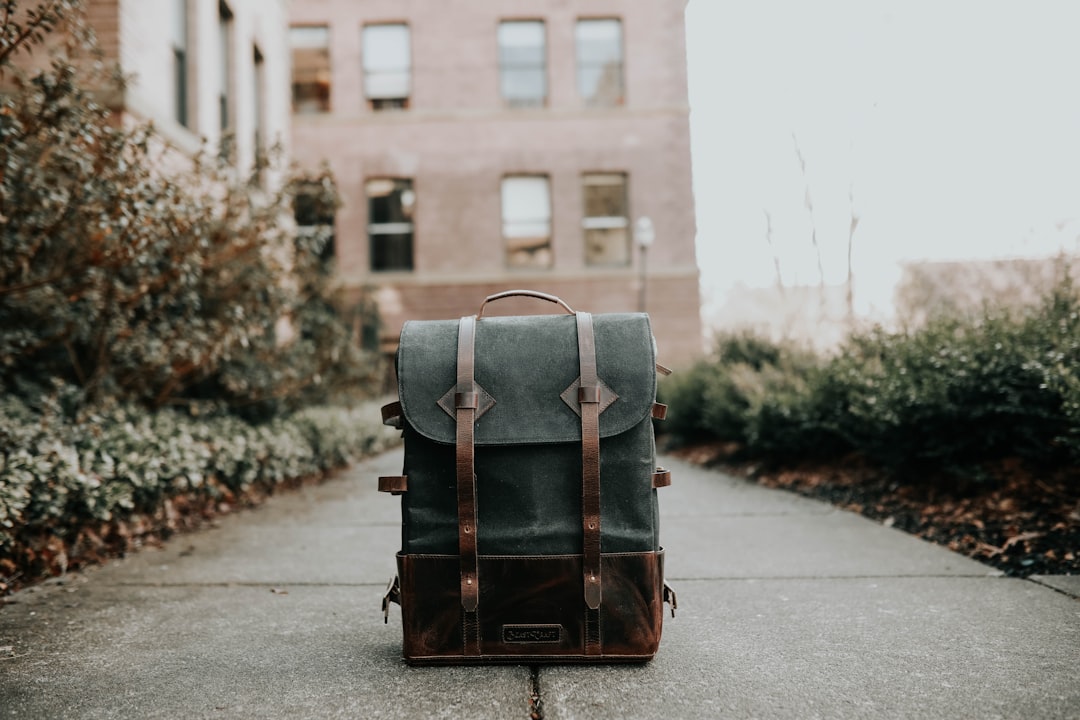
– **Alternative** (tested: the Osprey Exos 24 + a 360° chest rig combo): Lighter on the back, better weight distribution, and way more hands-free for fishing or snapping photos. But limited capacity.
Bottom line? One’s for the long haul, the other’s for when you want to feel like a proper reef explorer.
🅰️ Backpack: The Familiar Friend
I’m not gonna lie – I’ve been using my trusty 30L Osprey Atmos for years. It’s a ripper for multi-day reef trips. Holds all my gear: hat, snacks, water, camera, even a spare shirt. But here’s the truth: after 90 minutes of paddling a paddleboard in the sun, my shoulders are screaming. And the sweat? Bloody murder.
✅ Pros: Loads of space, easy to pack, feels secure on the back.
❌ Cons: Can chafe, too heavy for short walks, hard to reach gear mid-activity.
Still, for full-day adventures or when you’re hauling a full kit? It’s hard to beat.
🅱️ Alternative: The Game-Changer
Last weekend, I swapped the backpack for a chest harness + a sling bag – basically the ‘alternative’ setup I’ve been hearing about. Let me tell you, it was a total game-changer. No more back sweat, no more strain. I could reach my camera or fishing rod in seconds, and my arms felt lighter than a morning brekkie.
✅ Pros: No back pressure, easier access to gear, super comfortable for active stuff like snorkelling or paddleboarding.
❌ Cons: Can’t carry heavy loads (max 5kg), no room for big meals or spare clothes.
Totally heaps good for day trips, reef snorkelling, or when you’re not into lugging things around.
⚔️ Head-to-Head Breakdown
Let’s get real. Here’s how they stack up on the key stuff:
🔥 **Comfort in Heat**: Alternative wins. No back sweat, no chafing.
🔥 **Weight Distribution**: Alternative by a mile – especially on boats or when walking.
🔥 **Gear Access**: Alternative wins – you’re not digging through a bag to grab your sunscreen.
🔥 **Capacity**: Backpack wins. You’re not leaving your water bottle or snacks behind.
🔥 **Price**: Both around $120–$150. No massive gap.
So, if you’re doing a beachside barbie and just need your phone, sunnies and a cold drink? Go alternative. If you’re camping on a reef island with five days’ worth of gear? Stick with the backpack, mate.
🏆 The Winner Is…
It’s not a one-size-fits-all, but here’s my verdict:
If you’re into reef fishing, snorkelling, or short trips under the sun – the **alternative setup** is your new best mate. It’s light, smart, and lets you enjoy the moment instead of your backpack.
If you’re doing a full-day or multi-day adventure with gear – go classic backpack. It’s the reliable old mate you can count on.
Rating:
– Backpack: ⭐⭐⭐⭐☆ (4/5 – solid but heavy)
– Alternative: ⭐⭐⭐⭐⭐ (5/5 – for short trips, totally ripped)
So which one wins? It depends on the adventure, mate!
💡 Tips & Warnings
✅ Try the alternative setup on a short reef trip first – it’s a game-changer for active adventures
❌ Don’t use the alternative for multi-day trips – you’ll be missing essentials
⚠️ Avoid cheap chest rigs – they can slip or cause discomfort after extended wear
🚀 Which one would you pick? 🚀
#GreatBarrierReef #BackpackVsAlternative #AussieAdventures #FishingInAustralia #OutdoorGear #ReefLife #TravelTipsAU #HikingWithStyle #SunAndSea #AdventureMate

Be the First to Comment
Sign in to start the conversation.