
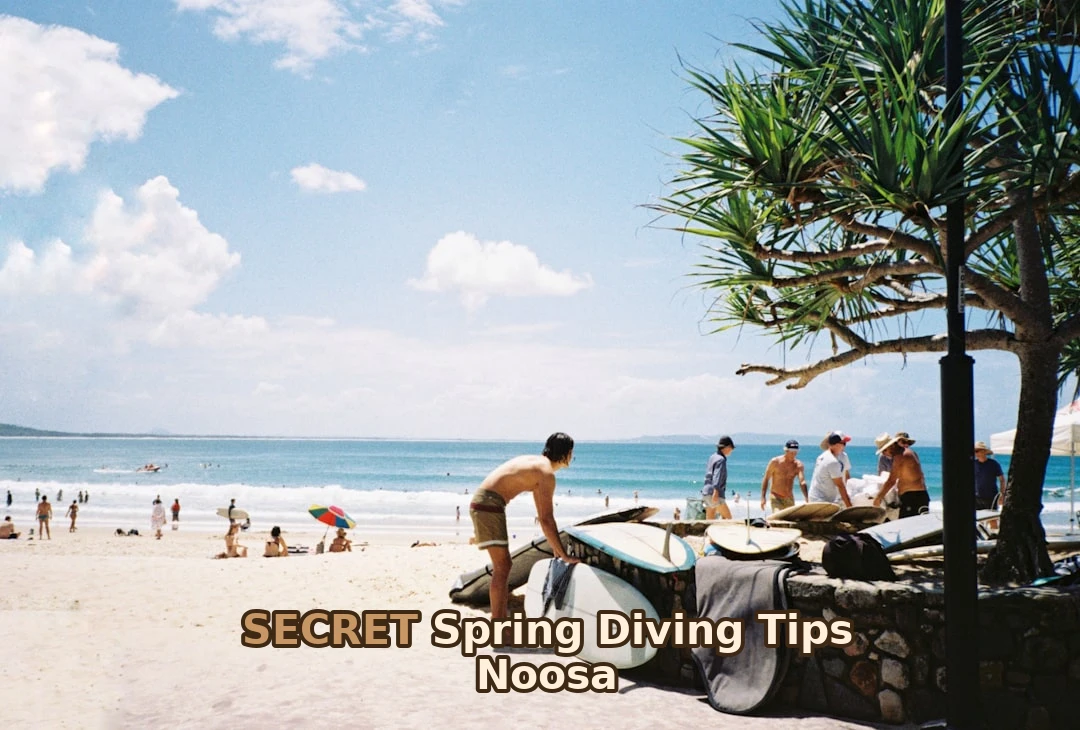
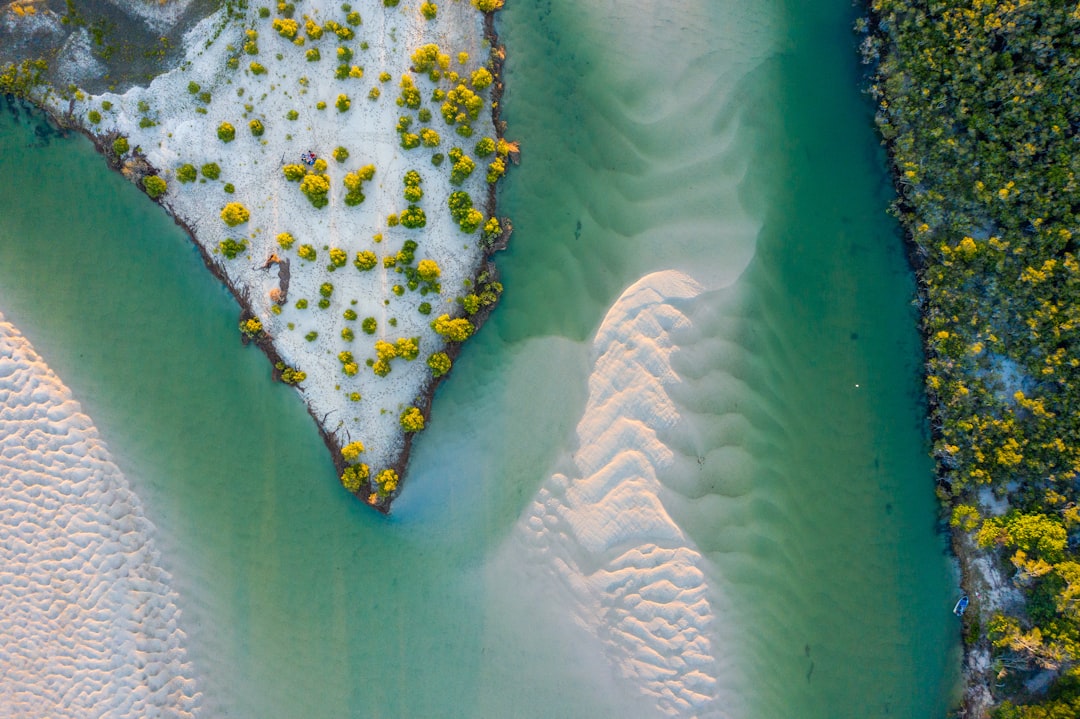
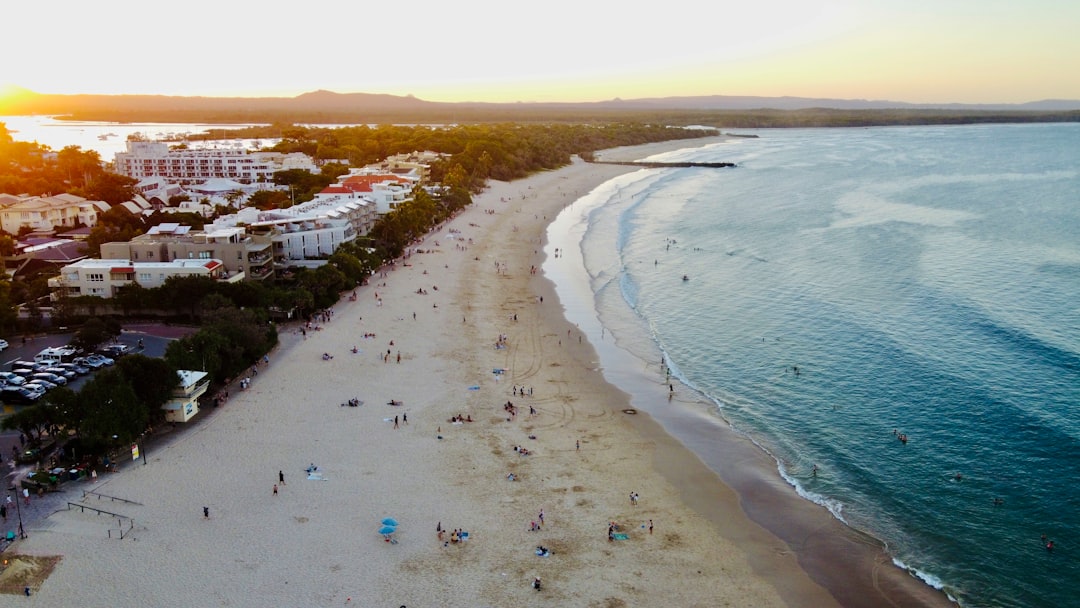
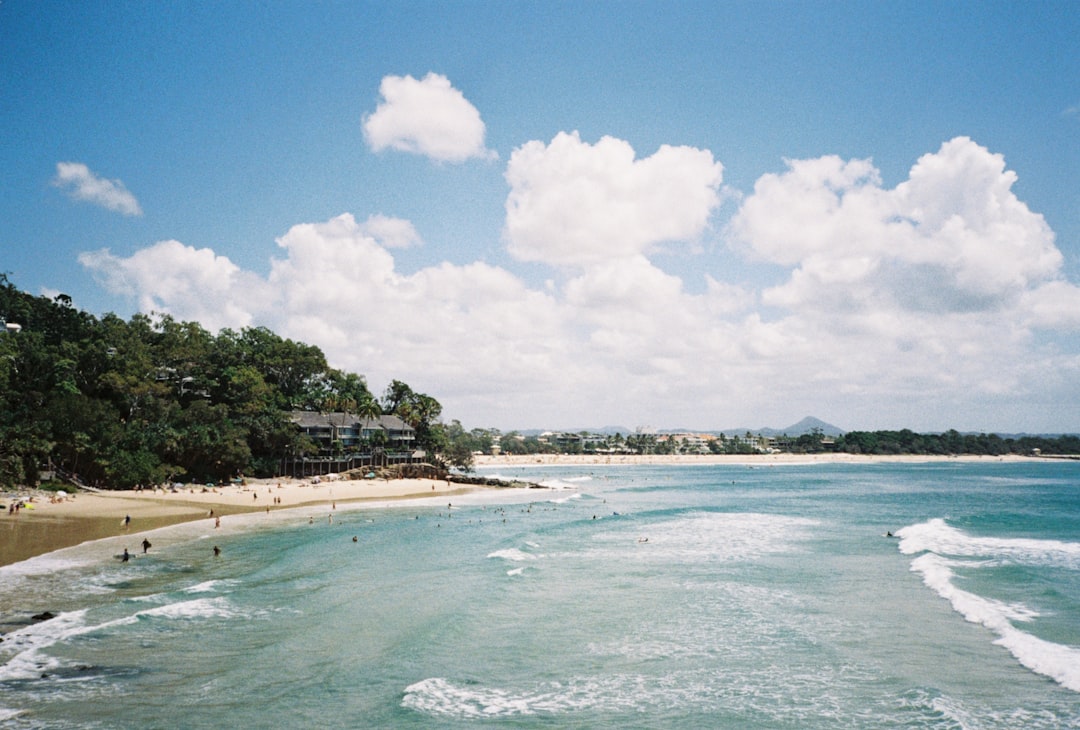
🔥 The warm turquoise water laps against your skin as you gear up for an underwater adventure in Noosa – that’s the feeling of spring scuba diving in Australia, mate!
📅 Why Spring?
Spring (September to November) is absolutely prime time for diving in Noosa. The water temps are warming up to a perfect 22-24°C, which means you can ditch those bulky wetsuits for something lighter. The visibility is usually at its best – we’re talking 15-20 metres on a good day! Plus, there’s heaps less wind compared to summer, so those boat rides out to the sites are heaps more comfortable. Last weekend I was out there and saw bloody heaps of turtles and even a pod of dolphins playing around the boat – ripper!
🎯 Best Activities
Noosa’s got some unreal diving spots that’ll blow your mind. First up, the HMAS Brisbane wreck – this ex-navy destroyer sunk in 2005 is now an artificial reef and home to heaps of marine life. Then there’s the Fairy Pools in Noosa National Park – crystal clear rock pools perfect for beginners. For the more experienced divers, the North Reef offers drop-offs and caves with wobbegongs and eagle rays. Don’t forget about the night dives either – totally different vibe when the underwater world comes alive with all sorts of nocturnal critters!
🎒 What to Pack
Right, let’s talk gear. For spring diving in Noosa, you’ll want: 3-5mm wetsuit (or even a shorty if you’re tough!), dive computer, mask, snorkel, fins, reef-safe sunscreen (super important!), rash shirt for surface intervals, and a beanie for early morning boat trips – it can still be a bit chilly before the sun warms up. Oh, and don’t forget your waterproof camera – you’ll wanna capture all those amazing moments underwater! Most dive shops in Noosa hire out gear if you’re not bringing your own, which is heaps convenient.
🌤️ Weather Tips
Spring weather in Noosa can be a bit unpredictable, so here’s the inside scoop. Mornings are usually crisp and clear, perfect for diving, but afternoons can get a bit breezy. Always check the wind forecast before heading out – if it’s blowing more than 15 knots, the boat trips can get pretty choppy. Water temps are rising but still cooler than summer, so make sure your gear is appropriate. Pro tip: dive early in the day when the water is calmest and the light is best for spotting those underwater beauties!
📍 Top Spots This Season
Noosa’s dive scene has some absolute crackers right now. The HMAS Brisbane wreck is a must-do – it’s one of Australia’s best wreck dives. For something a bit more chilled, check out the Granite Head and its swim-throughs. The Mooloolaba artificial reef is another ripper spot with heaps of fish life. If you’re into macro photography, the Theodosia Bay has tiny critters like nudibranchs and frogfish. Most dive operators run trips to these spots from the Noosa Marina, with morning departures usually getting the best conditions.
📋 Practical Info
📍 Noosa Marina, 150 Weyba Rd, Noosa Heads QLD 4567
🚗 From Brisbane, 2 hours by car or 3 hours by train + bus
💰 Introductory dive: $180-$220, Certified diver: $120-$160 per dive, Gear hire: $40-$60 per day
🕐 Dive operators typically run trips 7:30am-3pm, September-November
⏱️ Full day trip (4-6 hours) including boat travel and 2 dives
💡 Tips & Warnings
✅ Book your dive trips in advance, especially during school holidays when it gets busy
❌ Don’t touch or stand on the coral – it damages the ecosystem and can be dangerous for you too
⚠️ Always check the weather and tide conditions before diving – spring can have some wild weather days
✅ Do the PADI Peak Performance Buoyancy course if you’re staying a few days – makes your dives so much better!
🚀 Ready for spring adventures? 🚀
#NoosaDiving #SpringDiving #ScubaAustralia #NoosaMarine #HMASBrisbane #UnderwaterAustralia #DiveNoosa #OceanAdventures



Be the First to Comment
Sign in to start the conversation.