
What if the only thing standing between you and a sea turtle gliding beneath your feet was learning to stand still?
That’s the quiet truth about paddleboarding the Queensland coast—especially around the Great Barrier Reef marine park zones where calm, protected waters create ideal conditions for some of the best water sports Australia offers nature-loving travellers. Unlike the adrenaline-fuelled reputation of many outdoor water sports Australia destinations, Queensland’s reef-adjacent coastline rewards patience. You’re not here to conquer anything. You’re here to witness—silently, unobtrusively—from a perspective no boat deck can offer.
The Map Nobody Gives You (But Should)
Most paddleboarding guides organise spots by geography. That’s unhelpful. What you actually need is a map organised by experience type—because the perfect location for your first wobbly stand-up attempt is useless if you’re chasing sunrise solitude.
Turtle Encounters
Baldwin Swamp, Bundaberg and the southern reaches of the Great Barrier Reef coast offer reliable turtle sightings without the crowds. The water clarity here won’t match the Whitsundays, but the wildlife density compensates. Early morning—before 7am—increases your chances dramatically.
Mission Beach remains the underrated gem. Most travellers blow past it heading north, but the combination of flat water, rainforest backdrop, and occasional cassowary sightings from your board creates an experience unique to this stretch of coast.
Family-Friendly Flat Water
Noosa Everglades (not the main beach—locals avoid that entirely on weekends) offers tea-tree stained water so calm that toddlers could technically manage it. The everglades section requires a bit of travel, but you’ll escape the jet ski chaos.
Palm Cove north of Cairns delivers reliable conditions for beginners, with the added bonus of beachfront cafes for post-paddle recovery. Just avoid cruise ship days when the beach transforms entirely.
Sunrise and Sunset Magic Hours
Port Douglas Four Mile Beach earns its reputation during the golden hours. The mountains behind create a backdrop that photographs poorly because cameras can’t capture the scale. Morning glass-off conditions between April and October are remarkably consistent.
1770/Agnes Water offers the novelty of being Queensland’s northernmost surf beach while also providing protected corners for paddleboarding. The sunset sessions here hit differently—the water turns molten in a way that sounds hyperbolic until you witness it.
“Earn It” Spots Requiring Local Knowledge
Hinchinbrook Channel demands commitment. Access isn’t straightforward, conditions change rapidly, and you’ll need local advice on currents. But the mangrove tunnels and potential dugong sightings make the effort worthwhile for experienced paddlers.
Places That Look Dreamy on Instagram But…
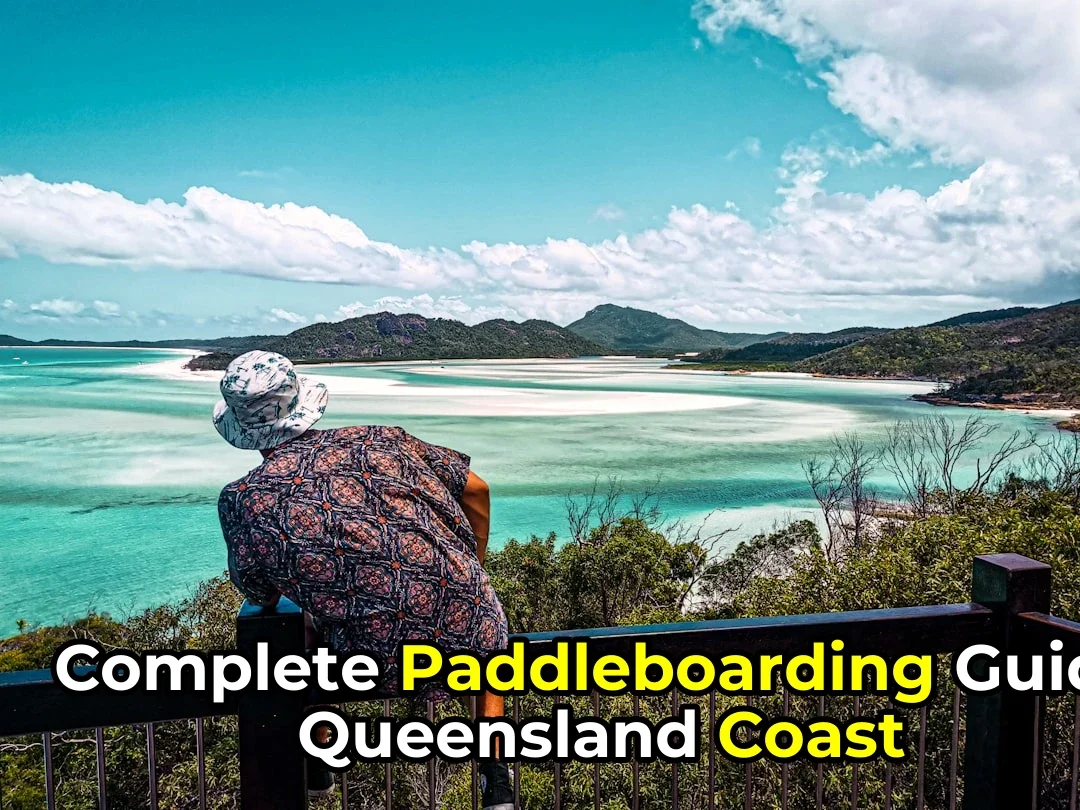
Whitehaven Beach is undeniably stunning. It’s also routinely hammered by ferry wake, sudden wind shifts, and crowds that can reach 2,000 people per day in peak season. For paddleboarding? Not worth the hassle unless you’re on a dedicated overnight boat charter.
Airlie Beach main stretch suffers from the same cruise ship crowd dynamics as Palm Cove, with less appealing water clarity. Use it as a base, not a destination.
What the Locals Actually Do
Guidebooks won’t tell you this stuff. They can’t—it changes too often and requires feet-on-the-ground knowledge.
Timing Secrets
In Palm Cove, the northerly winds typically kick in around 10am from April through October. Locals are on the water by 6am and off before the chop arrives. Tourists sleep in, then wonder why their experience felt mediocre.
Noosa locals ignore the main beach entirely on weekends. Instead, they head to the river mouth on outgoing tides or venture into the everglades. The tourist experience and the local experience might as well occur in different postcodes.
The unmarked access points along the Cassowary Coast can save you carrying gear 2km. There’s one just south of Wongaling Beach that locals use—it’s not signposted, but you’ll recognise it by the worn path through the dune vegetation. Ask at the Mission Beach visitor centre and they’ll point you in the right direction.
Seasonal Stinger Protocols
Careful: Marine stingers (including the potentially dangerous Irukandji) are present in Queensland waters from approximately November through May. During these months, stinger suits aren’t optional—they’re essential. The good news? Modern stinger suits are lightweight and actually provide sun protection. Most reputable rental operations include them in their standard pricing during stinger season.
Local operators know which bays offer natural protection and which areas to avoid entirely during peak stinger months. This is where renting from established local outfits rather than generic chains genuinely matters.
The Gear Conversation Nobody Wants to Have
Rental shops will upsell you. That’s their job. Here’s what you actually need.
The Essentials
- Reef-safe sunscreen – Non-negotiable. Queensland sun doesn’t forgive. Standard sunscreens damage coral—many reef areas now legally require reef-safe formulations.
- Stinger suit – Required November through May. If a rental operation doesn’t automatically include one during these months, find another operator.
- Leg leash – Always. Even in calm water. Wind shifts happen faster than you expect.
The Upsell Assessment
Premium board upgrade – In Queensland, this is usually worth it. The wind chop here is real, and wider, more stable boards genuinely improve the experience. The $20-30 premium pays for itself in reduced frustration.
Waterproof phone case – Buy your own before arriving. Rental prices are extortionate, and you’ll use it for the rest of your trip anyway.
When Everything Goes Wrong (And It Will)
Let’s be honest about what the glossy content won’t cover.
Getting Caught in Afternoon Winds
It happens. You misjudge the timing, and suddenly you’re paddling against 15-knot gusts. The instinct is to power through—don’t. Drop to your knees (or even lie prone and paddle surf-style) to reduce wind resistance. Angle your approach rather than fighting directly into it. And if you’re genuinely struggling, flag down a boat. Queensland waters are busy, and most skippers will happily offer a tow or a ride.
Wildlife Surprises
A turtle surfacing unexpectedly beneath your board will startle you. The wobble that follows is natural. The trick? Don’t look down at the water—fix your gaze on the horizon and let your peripheral vision enjoy the moment. The turtle doesn’t care if you’re wobbling.
Current Shifts Near Reef Passages
Water moving between reef systems creates currents that aren’t always visible from the surface. If you suddenly feel like you’re paddling twice as hard for half the progress, you’ve hit one. Don’t fight it directly—angle your board 45 degrees to the current and aim for the nearest protected shoreline.
Your Three-Day Paddleboarding Road Trip
Here’s a framework that threads the previous sections into something actionable.
Day 1: Confidence-Building Calm
Morning: Start at Four Mile Beach, Port Douglas. Flat, forgiving, and scenic enough to feel rewarding even if you spend most of your time kneeling. Rent from a local operator who’ll give you honest conditions advice.
Afternoon: Recovery. Explore the rainforest or just sit on the beach. You’ll need energy for Day 2.
Day 2: Skill-Stretching Exploration
Morning: Drive south to Mission Beach. The journey takes about 2.5 hours, but the paddleboarding experience justifies it. Launch from the southern access points for the best wildlife opportunities.
Afternoon: Continue exploring the Cassowary Coast or push on to Airlie Beach as your base for Day 3.
Day 3: The Memory-Making Spot
Dawn: The Noosa Everglades. Arrange a drop-off if you don’t want to paddle the full distance. The reflections in the tea-tree water during early morning create images that’ll live in your head rent-free for years.
Afternoon: Return via the coast, stopping at any access point that caught your attention during the drive up.
Read This Before You Book
Three questions that double as a subtle summary:
- Can you honestly assess your fitness and balance level, or are you planning to fake it?
- Have you checked stinger season dates and factored a suit into your planning?
- Are you chasing a photo for social media, or an actual experience?
The turtle doesn’t care about your follower count. It doesn’t care if you’re wobbling. It’s just going about its ancient business in waters that have supported its kind for millennia. Your job is to witness that gracefully—which sometimes means accepting that your paddleboarding form won’t be perfect, your photos won’t be publishable, but your memory of that moment will outlast any image.
That’s what makes paddleboarding Queensland’s reef coast one of the genuinely rewarding water sports Australia offers. Not because it’s extreme or Instagram-perfect, but because it’s real. The water doesn’t perform for you. You learn to move with it. And occasionally, if you’re lucky and patient and quiet, it shows you something extraordinary.
Frequently Asked Questions
Where are the best locations for turtle sightings while paddleboarding in Queensland?
Baldwin Swamp in Bundaberg and the southern Great Barrier Reef coast offer reliable turtle sightings without the crowds. Mission Beach is another excellent option, combining flat water, rainforest backdrop, and occasional cassowary sightings from your board. For the best wildlife encounters, get on the water early—before 7am dramatically increases your chances of seeing turtles. The water clarity at Baldwin Swamp won’t match the Whitsundays, but the wildlife density more than compensates for it.
When is stinger season on the Queensland coast and what protection do I need?
Marine stingers, including the potentially dangerous Irukandji, are present in Queensland waters from approximately November through May. During these months, stinger suits aren’t optional—they’re essential safety equipment. The good news is that modern stinger suits are lightweight and also provide sun protection. Most reputable rental operations include stinger suits in their standard pricing during stinger season. If a rental operation doesn’t automatically include one during these months, find another operator.
How do I handle getting caught in strong winds while paddleboarding?
If you misjudge timing and find yourself paddling against 15-knot gusts, don’t try to power through standing up. Drop to your knees—or even lie prone and paddle surf-style—to reduce wind resistance. Angle your approach rather than fighting directly into the wind. If you’re genuinely struggling, flag down a boat; Queensland waters are busy and most skippers will happily offer a tow or ride. For current shifts near reef passages, angle your board 45 degrees to the current and aim for the nearest protected shoreline.
How much does it cost to rent paddleboarding gear in Queensland?
A premium board upgrade typically costs $20-30 extra and is usually worth it in Queensland—the wind chop is genuine, and wider, more stable boards significantly improve the experience. Essential gear includes reef-safe sunscreen (non-negotiable in Queensland), a stinger suit included with rentals from November to May, and a leg leash which should always be worn. Save money by purchasing your own waterproof phone case before arriving, as rental prices are extortionate.

Be the First to Comment
Sign in to start the conversation.