


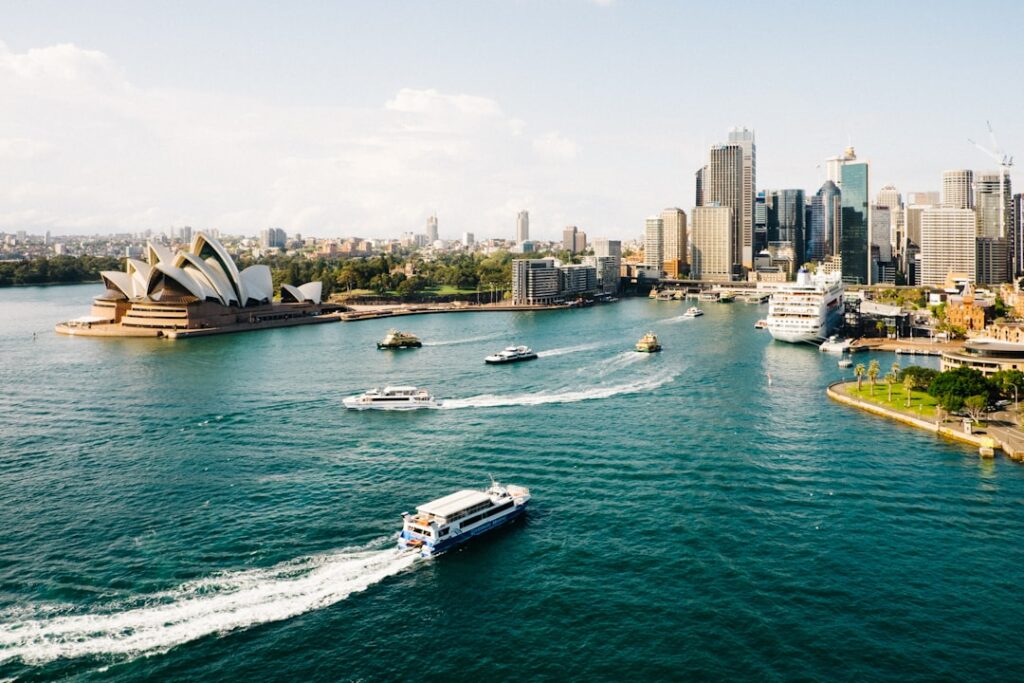
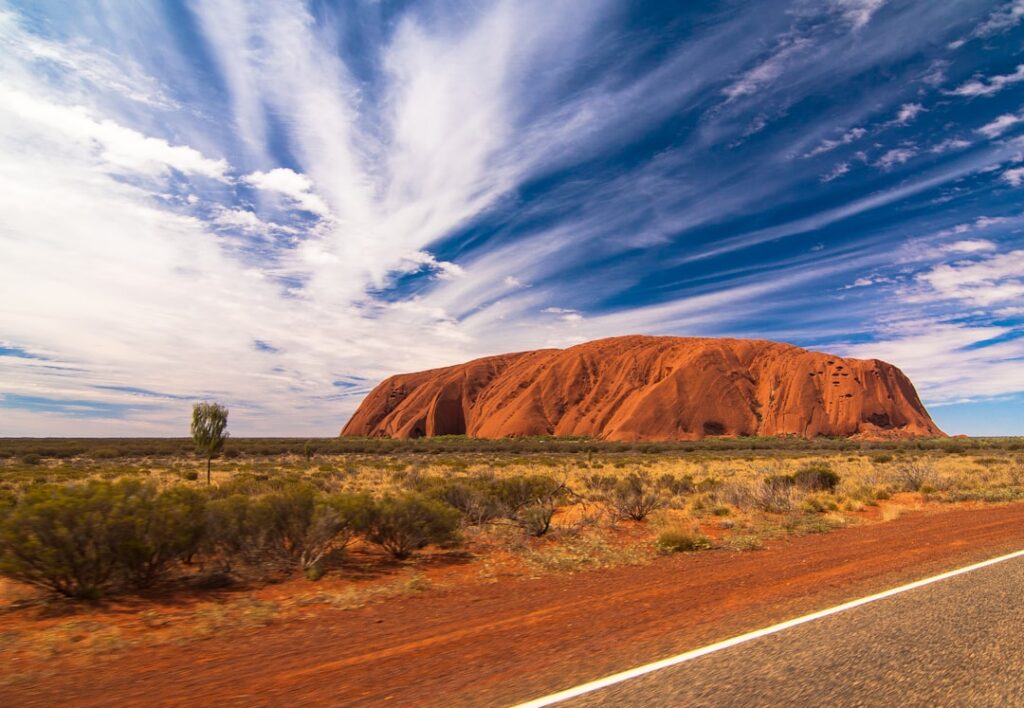
Did you know Australia covers nearly 7.7 million square kilometers, yet 91% of the population lives within 50 kilometers of the coast? This means the true wilderness adventure you’re seeking might be closer than you think. From the ancient rainforests of Queensland to the rugged coastlines of Western Australia, our continent offers an incredible diversity of outdoor experiences that await discovery by those willing to venture beyond the tourist hotspots.
Beyond the Postcard Views
While Uluru and the Great Barrier Reef rightfully claim their place on Australia’s must-see list, the country’s true outdoor treasures often lie hidden in plain sight. In Tasmania’s southwest wilderness, you’ll find the Franklin-Gordon Wild Rivers National Park—a World Heritage site where rivers carve through ancient rock formations, creating a landscape that time seems to have forgotten.
The Kimberley region in Western Australia offers another spectacular alternative, with its dramatic gorges, waterfalls, and Aboriginal rock art galleries that tell stories stretching back over 20,000 years. Here, the Bungle Bungle Range’s beehive domes create a surreal landscape unlike anywhere else on Earth.
For a different kind of adventure, South Australia’s Flinders Ranges showcase rugged mountain ranges, deep gorges, and the remarkable natural amphitheater of Wilpena Pound—a geological formation that has mesmerized visitors for generations.
Underrated Gems Worth the Journey
- The Grampians National Park in Victoria, where you can hike to the Pinnacle for panoramic views or discover Aboriginal rock art sites
- Nitmiluk National Park in the Northern Territory, where you can canoe through Katherine Gorge and learn about local Dreamtime stories
- The Glass House Mountains in Queensland, offering challenging hikes with rewarding coastal views
- Cape Range National Park in Western Australia, featuring pristine snorkeling spots in the Ningaloo Reef
When the Wild Calls
Understanding Australia’s seasons is crucial for planning the perfect outdoor adventure. With six distinct climate zones across the continent, timing your visit can make the difference between an average experience and an unforgettable one.
“The Australian outdoors doesn’t have an off-season, just different opportunities throughout the year,” says Sarah Mitchell, a guide with over 15 years experience leading expeditions across the country.
For wildlife enthusiasts, the dry season (roughly May to September) in the Top End offers excellent opportunities to spot crocodiles, birds, and other animals gathering around remaining water sources. Conversely, the wet season transforms the landscape into a lush paradise with dramatic waterfalls and fewer crowds.
Seasonal Planning by Region
Summer (December-February)
- Best for: Beach activities, snorkeling in southern states
- Avoid: Northern regions during extreme heat (40°C+ days common)
- Pro Tip: Early morning or late afternoon activities are essential in summer to avoid the midday heat
Autumn (March-May)
- Best for: Hiking in temperate zones, wine regions, and coastal walks
- Weather: Pleasant temperatures, less rainfall in most areas
Winter (June-August)
- Best for: Desert regions, tropical north, and alpine activities
- Caution: Alpine areas can experience sudden weather changes—always check forecasts
Spring (September-November)
- Best for: Wildflower viewing in Western Australia, whale watching along southern coasts
- Weather: Variable across the continent—research specific regions
The Knowledge Keepers
Some of Australia’s best outdoor experiences come not from guidebooks but from the locals who call these places home. In the Blue Mountains, a chance conversation with a local cafe owner led me to a secluded swimming hole along the Grose River—a place so hidden it doesn’t appear on any map, complete with a small waterfall perfect for cooling off after a hike.
“We don’t mind sharing,” explained Tom, a third-generation fisherman from Exmouth in Western Australia, “as long as people respect the rules and understand these spots are special to us.” His advice about the best times to fish for marlin off Ningaloo Reef, based on moon phases rather than seasons, has proven invaluable to many visitors over the years.
“The land has stories to tell if you know how to listen,” says Uncle Max, an Aboriginal elder from Arnhem Land. “When you visit our country, you’re not just a tourist—you’re part of an ongoing story that began long before anyone arrived here.”
Local Wisdom Across Regions
- Tasmania: “Skip the popular Overland Track in summer and try the less-known Western Arthurs for fewer crowds and equally stunning views.” – Local hiker
- Queensland: “For the best reef experience without the crowds, take a day trip from Townsville instead of Cairns—just as good, half the tourists.” – Marine biologist
- Victoria: “The Great Ocean Walk is beautiful, but the section from Apollo Bay to Cape Otway is the real gem—fewer people, more wildlife.” – Parks ranger
- South Australia: “Kangaroo Island’s best beaches aren’t on the tourist map—ask any local about Emu Bay at dawn.” – Island resident
Beyond the Brochure
Australian outdoor adventures require preparation that goes beyond standard tourist advice. Before setting out, research the specific permits and regulations for your destination, as many national parks and conservation areas require booking well in advance, especially during peak seasons.
Quick Fact: Australia has over 500 national parks and reserves covering more than 28 million hectares—approximately 3.6% of the country’s land area.
Essential Preparations
- Permits and Access: Many wilderness areas require permits, with some accessible only by guided tours or with specific qualifications. For example, diving in Ningaloo Reef requires reef protection certification, and certain Aboriginal sacred sites require special permission to visit.
- Safety Considerations: Australia’s remote locations can be deceptively dangerous. Always carry sufficient water—at least 4 liters per person per day in desert areas—and let someone know your planned route and expected return time.
- Equipment Needs: The right gear varies dramatically by location. Coastal areas require reef-safe sunscreen and protective clothing, while alpine regions need specialized thermal gear even in summer.
- Communication: Mobile coverage is limited in many outdoor areas. Consider hiring a satellite phone for remote expeditions or downloading offline maps before setting out.
Seasonal Access Considerations
Some of Australia’s most spectacular destinations have seasonal access restrictions:
- Kakadu National Park: Some areas close during the wet season (typically November-April) due to flooding and road conditions
- Tasmanian National Parks: Many highland tracks close outside the summer months due to snow and ice risks
- The Kimberley: Accessible only during the dry season (roughly April-October) with some roads impassable after rain
Key Takeaways
- Australia’s outdoor experiences extend far beyond the famous landmarks—local knowledge reveals hidden treasures
- Seasonal planning is crucial for safety and maximizing your experience in different regions
- Respect for local customs and environments is essential for sustainable tourism
- Preparation and research can transform a good adventure into a great one
As you stand at the edge of Australia’s vast outdoor playground, remember that the most remarkable adventures often begin when you step off the marked path and into the stories the land itself wants to tell. Whether you’re casting a line into crystal-clear waters, hiking through ancient rainforests, or simply watching the sunset over red desert plains, Australia’s outdoor experiences offer something profound for every visitor willing to listen to what the land has to share.
Frequently Asked Questions
What are some underrated outdoor destinations in Australia that are worth visiting?
Beyond the famous landmarks, Australia offers several underrated gems worth exploring. These include the Grampians National Park in Victoria with its Pinnacle hike and Aboriginal rock art sites, Nitmiluk National Park in the Northern Territory for Katherine Gorge canoeing, the Glass House Mountains in Queensland for challenging hikes with coastal views, and Cape Range National Park in Western Australia for pristine snorkeling spots in Ningaloo Reef. Each offers unique experiences away from the typical tourist hotspots.
When is the best time to visit Australia’s outdoor destinations?
Australia has six distinct climate zones, so timing varies by region. Summer (December-February) is best for beach activities and southern snorkeling but avoid northern regions due to extreme heat. Autumn (March-May) offers pleasant temperatures for hiking in temperate zones. Winter (June-August) is ideal for desert regions, tropical north, and alpine activities. Spring (September-November) is perfect for wildflower viewing in Western Australia and whale watching along southern coasts. The dry season (May-September) in the Top End is excellent for wildlife viewing.
How should I prepare for outdoor adventures in Australia?
Preparation is essential for Australian outdoor adventures. Research specific permits and regulations for your destination, as many national parks require advance booking. Carry sufficient water—at least 4 liters per person per day in desert areas—and always inform someone of your planned route. Equipment needs vary dramatically: coastal areas require reef-safe sunscreen, while alpine regions need specialized thermal gear even in summer. Mobile coverage is limited in many areas, so consider satellite phones for remote expeditions or download offline maps before setting out.
What seasonal access restrictions should I be aware of when planning Australian outdoor adventures?
Several spectacular destinations have seasonal access restrictions. Kakadu National Park closes some areas during the wet season (November-April) due to flooding. Tasmanian National Parks close many highland tracks outside summer months due to snow and ice risks. The Kimberley region is only accessible during the dry season (April-October), with some roads becoming impassable after rain. Always check specific park websites or contact local authorities for current access conditions before planning your trip to avoid disappointment and ensure safety.


Be the First to Comment
Sign in to start the conversation.