

Did you know that just 20 minutes of outdoor exercise delivers the same mental health benefits as 45 minutes indoors? It’s a staggering difference—and Sydney happens to be one of the world’s best positioned cities to take advantage of it. With over 400 parks and reserves scattered across the metropolitan area, plus the ancient, grounding energy of the Blue Mountains within reach, you’re never far from a spot where your downward dog can breathe actual fresh air. The planning, though? That’s where most people come unstuck. Let’s fix that.
The Four Breath-Taking Zones
Greater Sydney isn’t one big yoga-friendly blob—it’s a collection of distinct environments, each with their own personality, challenges, and sweet spots. Understanding these zones is the difference between a transcendent practice and a sweaty, mosquito-bitten regret.
Coastal Edge
This is where most people picture outdoor yoga: salt air, rhythmic waves, golden hour glow. The Bondi to Coogee coastal walk offers dozens of grassy patches and rock platforms, but you’ll be sharing them with early morning bootcamps and tourists who’ve had the same idea. Manly’s oceanfront is slightly more forgiving—try the grassed area near Fairy Bower Pool for calmer vibes.
Best times: 6am sunrise (summer), 7am (winter). Expect company on weekends.
Harbour Pocket
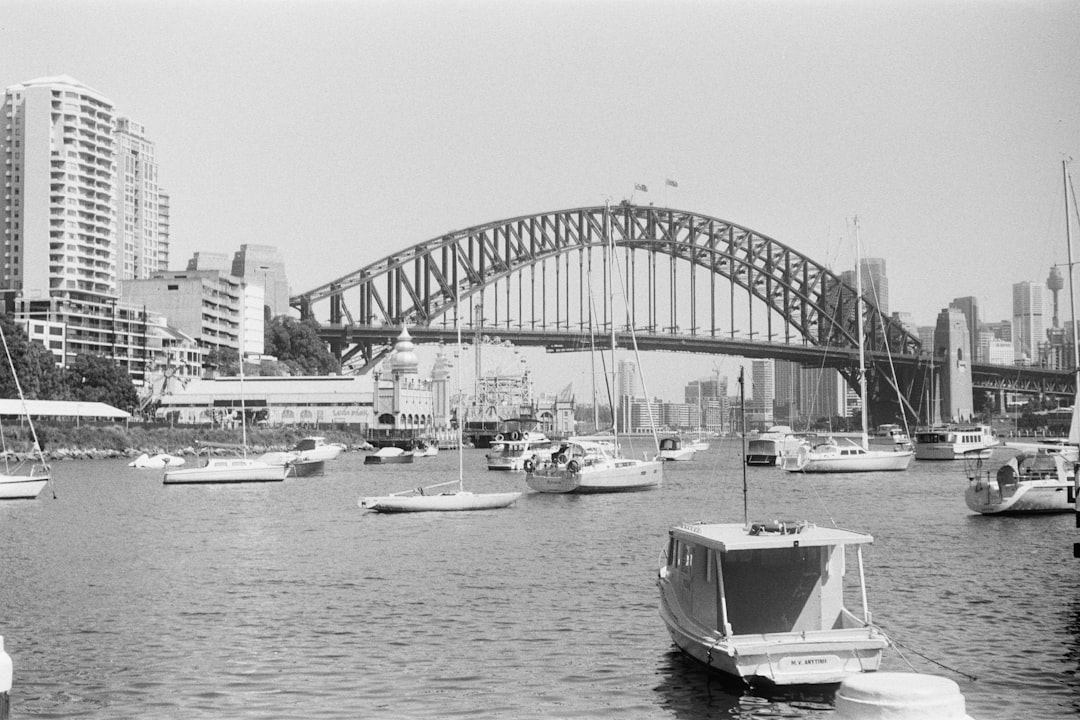
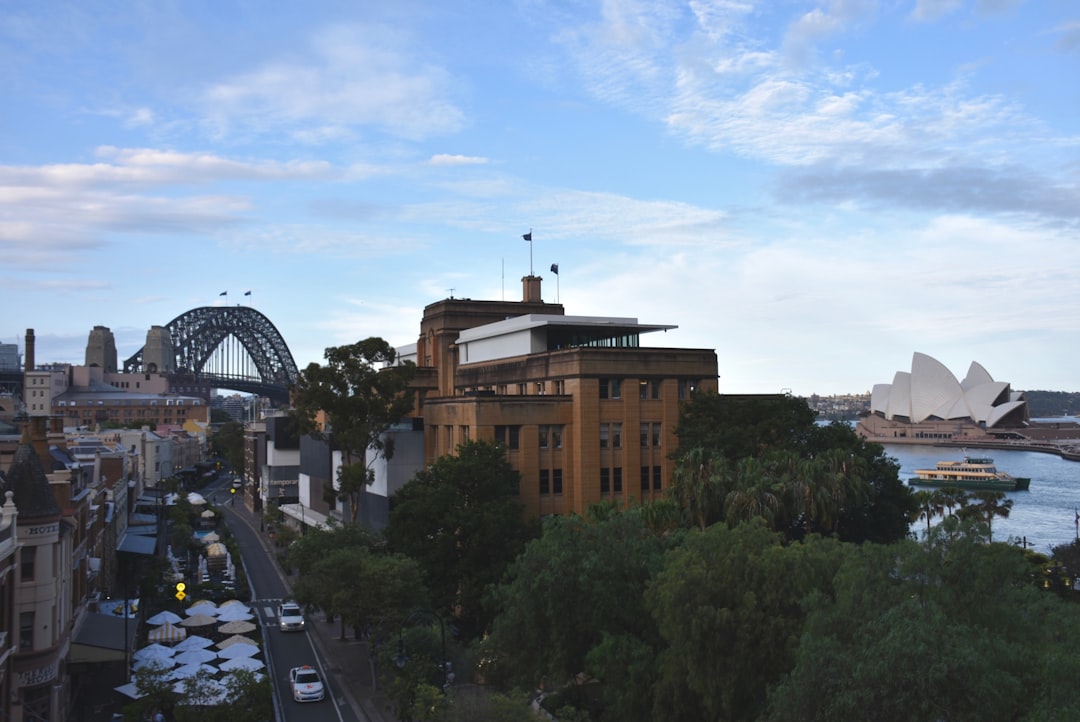
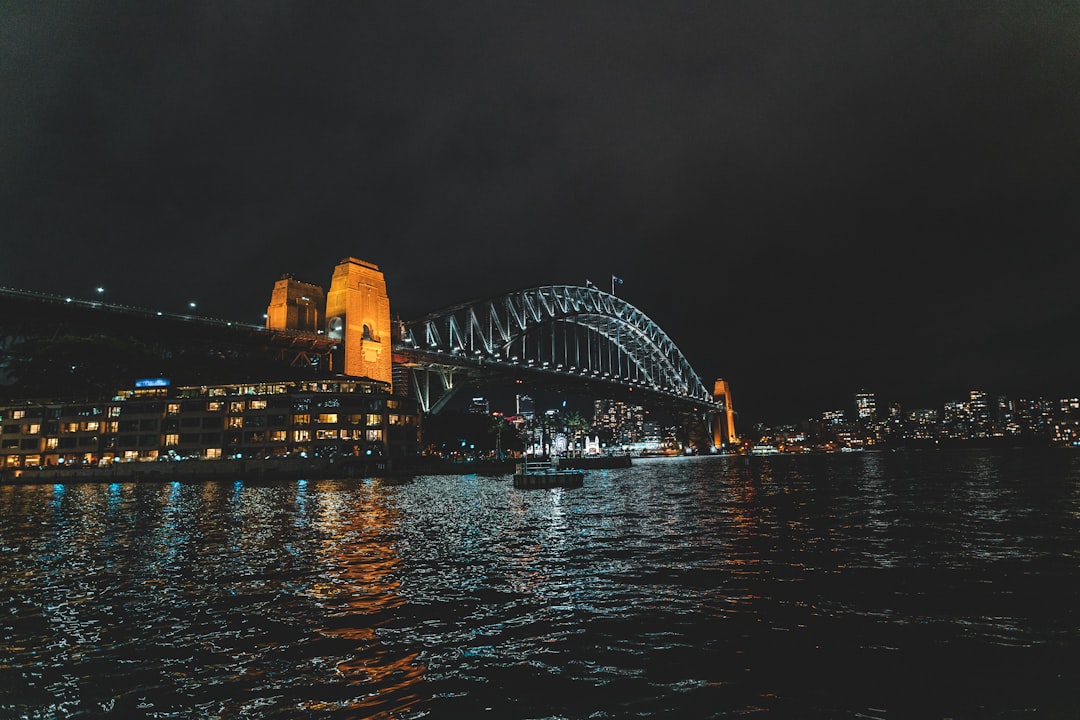
Sydney Harbour delivers stillness in the most unexpected places. The Royal Botanic Garden is obvious but genuinely spectacular—facing the Opera House in warrior pose never gets old. For something quieter, Wendy’s Secret Garden in Lavender Bay feels like stumbling into someone’s enchanted backyard. Small, shaded, and usually uncrowded before 8am.
Best times: Weekday mornings. Weekend afternoons attract picnickers and wedding photographers.
Bush Sanctuary
When you need eucalyptus scent and birdsong more than water views, Lane Cove National Park and Garigal National Park deliver. The trading is distance from the city, but the reward is genuine solitude. Look for flat clearings near walking tracks—the grass isn’t always manicured, so bring a thicker mat or flat sheet.
Best times: Late autumn through early spring. Summer can be uncomfortably warm inland.
Mountain Spirit
The Blue Mountains brings something intangible—cooler air, ancient rock, a sense of perspective that city practice can’t replicate. McMahon’s Lookout, Lincoln’s Rock, and the smaller clearings around Wentworth Falls offer space to spread out. Just remember: mountain weather changes fast.
Best times: Sunrise in warmer months (the fog can be thick in cooler seasons), sunset year-round.
The Seasonal Flow Chart
Sydney’s climate is generally forgiving, but a 35°C summer day and a 10°C winter morning demand completely different approaches. Here’s how to adapt:
Summer (December–February): Seek shade and coastal breeze. Inland spots become unbearable by 9am. Start at 6am or push to evening—sunset flow at Shelly Beach in Manly is worth the early dinner. Avoid: anywhere west of Parramatta after 8am on hot days.
Autumn (March–May): Arguably the golden window. Comfortable temperatures, lighter crowds, and the Golden Hour becomes accessible without a 5am alarm. All zones are viable.
Winter (June–August): Inland and mountain spots shine—crisp mornings, clear skies, no humidity. Harbour spots can get blustery, so check wind forecasts. The Blue Mountains are stunning but cold; pack layers you can shed as you warm up.
Spring (September–November): Unpredictable but rewarding. Watch for sudden warm spells and afternoon storms. Morning remains the safest bet.
The avoid windows: January’s peak heat (especially during heatwaves), and Blue Mountains lookouts during school holidays when car parks fill by 7am.
Your 10-Minute Planning Ritual
Treat this as your pre-yoga ritual—the mental transition from “busy day” to “practice time.” Do it the night before for morning sessions, or mid-afternoon for evening flow.
- Check the BOM app (Bureau of Meteorology), not just your phone’s default weather. BOM gives you wind speed, humidity, and “feels like” temperature—crucial for outdoor comfort. A 22°C day with 90% humidity feels very different from a 22°C dry day.
- Scan @NSWNationalParks for closures, fire alerts, or hazard warnings. This takes 30 seconds and has saved countless sessions. Last year, a friend arrived at Garigal only to find the track closed for hazard reduction burning. A quick check would’ve redirected her to Lane Cove instead.
- Pack the Sydney kit: Insect repellent (bush spots), a flat sheet to lay over public grass (bindis and prickles are real), an extra layer for the cool-down, and sunscreen even on overcast days.
- Notify someone if you’re heading to a remote or low-traffic area. A quick text takes five seconds.
When Plans Meet Reality
Here’s what nobody tells you: outdoor yoga requires flexibility beyond your hamstrings. Things will not go to plan. That’s part of the practice.
The bootcamp takeover: You arrive at your chosen harbour spot at 6:15am, mat under arm, only to find 40 people doing burpees where you intended to sun salutation. This happened to me at Blues Point Reserve. The graceful pivot: I walked five minutes to a smaller, quieter patch of grass I’d never noticed before. It became my new favourite spot. The lesson—always have a rough backup location in mind.
Wind: Coastal and harbour zones can turn blustery without warning. Standing balances become precarious; inversions are genuinely dangerous. If wind exceeds 20km/h, consider a grounded practice (seated poses, yin-style) or relocate to a sheltered spot.
The “hidden gem” that isn’t: Social media has made truly secret spots rare. If you found it on Instagram, so did 10,000 other people. Arrive early, or embrace the community energy of practicing alongside others.
The Accidental Discovery
Some of the best outdoor sessions come from “mistakes.” I once headed to McMahon’s Lookout for sunrise, only to realise it faced west—completely wrong for morning light. Instead of packing up, I stayed. Sunset flow that same day was transcendent. The golden light hitting the cliff walls, the warmth on my face, the absolute stillness. Sometimes the “wrong” spot teaches you something new about your practice.
The Summer Regret
Key Takeaways
- Sydney’s four yoga zones (coastal, harbour, bush, mountains) each suit different seasons, times, and moods
- The BOM app and NSW National Parks social accounts are your essential planning tools
- Always have a backup location—bootcamps, weddings, and weather don’t care about your yoga plans
- Summer demands coastal zones or pre-6am starts; winter opens up inland and mountain spots
- Pack insect repellent, a flat sheet, and an extra layer as standard kit
The One-Week Challenge
Here’s my invitation: try one outdoor session this week. Any zone, any duration—15 minutes counts. Notice what’s different. Maybe it’s the sound (waves, birds, distant traffic). Maybe it’s the uneven ground forcing you to engage your core differently. Maybe it’s just the sky, vast and present, reminding you that your practice exists beyond four walls.
For real-time conditions and unexpected closures, keep the NSW National Parks app on your phone. It’s the difference between a frustrated drive home and a seamless pivot to somewhere equally beautiful.
The mat can come with you anywhere. Sydney is ready when you are.
Frequently Asked Questions
What are the four main zones for outdoor yoga in Greater Sydney?
Greater Sydney offers four distinct yoga zones: Coastal Edge (Bondi to Coogee coastal walk, Manly’s oceanfront near Fairy Bower Pool), Harbour Pocket (Royal Botanic Garden facing the Opera House, Wendy’s Secret Garden in Lavender Bay), Bush Sanctuary (Lane Cove National Park and Garigal National Park for eucalyptus scent and solitude), and Mountain Spirit (Blue Mountains spots like McMahon’s Lookout, Lincoln’s Rock, and Wentworth Falls clearings). Each zone has different personalities, challenges, and optimal visiting times.
How do I plan for outdoor yoga using the 10-minute ritual?
Follow this four-step planning ritual the night before or mid-afternoon: First, check the BOM app (Bureau of Meteorology) for wind speed, humidity, and ‘feels like’ temperature—not just basic weather. Second, scan @NSWNationalParks for closures, fire alerts, or hazard warnings (takes 30 seconds). Third, pack the Sydney kit: insect repellent for bush spots, a flat sheet for public grass (protects against bindis and prickles), an extra layer for cool-down, and sunscreen. Fourth, notify someone if heading to remote or low-traffic areas.
When is the best time to practise outdoor yoga in each season?
Summer (December–February): Start at 6am or switch to evening sunset—avoid anywhere west of Parramatta after 8am on hot days. Autumn (March–May): The golden window with comfortable temperatures and lighter crowds—all zones viable. Winter (June–August): Inland and mountain spots shine with crisp mornings; Blue Mountains are stunning but cold, so pack layers. Spring (September–November): Unpredictable with sudden warm spells and afternoon storms—mornings are safest. Note that Blue Mountains has ‘fog season’ from May to August where mist can linger until 10am.
What should I do if my planned outdoor yoga spot is unavailable?
Always have a rough backup location in mind. Common disruptions include bootcamps taking over your spot (the author encountered 40 people doing burpees at Blues Point Reserve at 6:15am), wedding photographers at harbour spots on weekend afternoons, and weather changes. If wind exceeds 20km/h, switch to a grounded practice with seated poses or relocate to sheltered areas. For national park closures, the NSW National Parks app provides real-time updates—one practitioner arrived at Garigal to find it closed for hazard reduction burning when a quick social media check would have redirected her to Lane Cove instead.

Be the First to Comment
Sign in to start the conversation.