



The Blue Mountains Labyrinth: Decoding the Scenic World
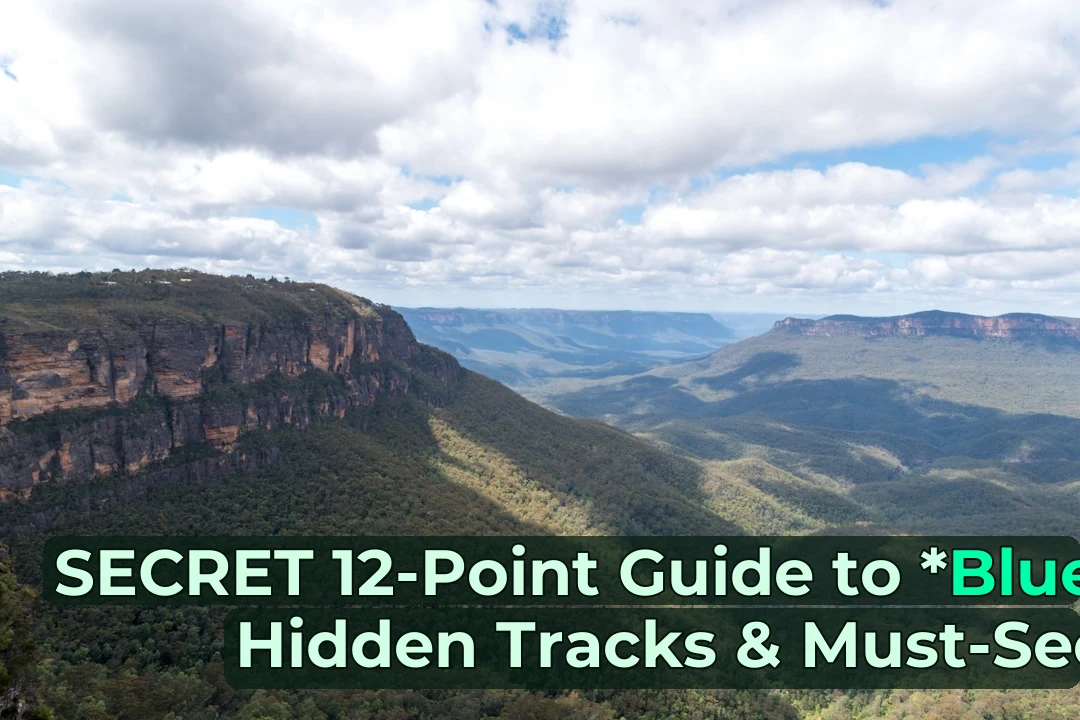
The car winds around the precipitous bend of the Great Western Highway and suddenly, the world opens up into a vast, blue-hued valley. Standing at the edge of the Three Sisters rock formation just as the morning mist begins to burn off, you are hit by a sensory overload that no photograph can fully capture. The thick, eucalyptus-scented air clings to your skin like a second layer of clothing, heavy with the scent of oil and ancient stone. It is a deafening silence broken only by the distant, rhythmic crack of a termite mound or the rustle of a Lyrebird shaking its tail feathers. Below you, the sandstone cliffs drop away into an abyss of blue haze—the result of light scattering through eucalyptus oil droplets—that gives the region its name and its mystique.
This is not merely a view; it is an introduction to the Blue Mountains, a UNESCO World Heritage area in New South Wales that sits roughly 90 kilometres west of Sydney. But as you transition from this static, majestic panorama to the immediate physical reality of standing at a trailhead, a tension arises. The grandeur of the landscape contrasts sharply with the humble, often confusing reality of trail markers—faded orange arrows painted on grey stone. How do you translate this overwhelming beauty into a safe, rewarding journey when the generic guidebooks feel out of touch with the terrain’s ancient moods? This article is designed to decode that experience, helping you understand how to be small in a massive landscape without losing your way.
The “Blue” Myth vs. The Reality: Context and Planning
To hike the Blue Mountains effectively, you must first understand that it is not one singular location, but a complex geological region comprising the Western Escarpment, the Central Plateau, and the Eastern Valleys. These zones have distinct micro-climates that dictate everything from visibility to crowd density.
The name “Blue Mountains” is often treated as trivia, but it is a critical factor for hikers. The blue tint is caused by the scattering of sunlight through eucalyptus oils released into the atmosphere. While photographers love this, it creates a practical visibility issue for hikers looking across deep gorges. Furthermore, the “blue” is not constant; it thickens and thins based on temperature inversion.
The Three Hiking Zones Comparison:
| Zone | Best Season | Crowd Density | Difficulty Level |
|---|---|---|---|
| Western Escarpment (e.g., Blackheath, Mount Solitary) |
Autumn/Winter | Low to Moderate | Moderate to Hard |
| Central Plateau (e.g., Katoomba, Leura) |
Year-round (Spring best) | High (Tourist Heavy) | Easy to Moderate |
| Eastern Valleys (e.g., Leura Cascades) |
Summer/Autumn | Moderate | Easy to Moderate |
Understanding these zones allows you to choose your adventure based on more than just proximity to accommodation. It is about matching the micro-climate to your expectations.
The Skill-Bracketed Trail Matrix
Rather than using generic “Beginner” or “Advanced” labels, we categorise trails by their functional purpose and physical demand. This helps you match the hike to your actual capability on that specific day.
The “Stroller & Dog” Circuit
Target Audience: Families with young children, casual walkers, and dog owners.
These trails are defined by flat terrain, paved or compacted gravel surfaces, and distances under 2 kilometres. They offer accessibility without sacrificing the feeling of being in the bush.
- Katoomba Falls Circuit: A 1.6km loop that takes you to three spectacular waterfalls. The path is paved and mostly flat, making it perfect for prams or light dogs.
- Distance: 1.6km
- Time: 30–45 minutes
- Watch-out: Wet stone steps near the viewing platforms can be slippery; move slowly.
- Berghaus Loop (Echo Point): Starting near the iconic Three Sisters lookout, this 1.5km trail offers rising views of the valley without a significant climb.
- Distance: 1.5km
- Time: 40 minutes
- Watch-out: Watch for loose gravel near the cliff edges.
The “Post-Work” Reset
Target Audience: Urban professionals seeking mental decompression; intermediate hikers.
Moderate elevation gain (3–5km), requiring sturdy footwear but no technical scrambling. These hikes are designed to elevate your heart rate and clear the mind, ending with a rewarding view.
- Grand Canyon Walk: A 5.8km return journey through a deep sandstone gorge. It involves some steep sections and cable-assisted slopes, but the reward is a series of diverse rock formations.
- Distance: 5.8km (return)
- Time: 2–3 hours
- Watch-out: The descent from Grand Canyon Point to the Lower Gorge can be strenuous on tired knees.
- Megan’s Gorge Walk: Located in Mount Victoria, this 3.5km return walk features cable assists and steep stairs carved into the rock face.
- Distance: 3.5km (return)
- Time: 1.5–2 hours
- Watch-out: Handrails are present but can be slippery; check grip before stepping.
The “Scramble & Summit” Challenge
Target Audience: Experienced hikers with map-reading skills and proper footwear.
Steep, rocky, exposed sections that require caution, balance, and physical endurance. These are not walks; they are ascents.
- Mount Solitary via the Black Hen Chasm Track: A 12.5km return hike involving a steep scramble up the black basalt walls of the chasm to reach the summit of Mount Solitary.
- Distance: 12.5km (return)
- Time: 4–5 hours
- Watch-out: Hands-free rock scrambling is required in sections; do not attempt if wet.
- Serpentine Falls via Mount York: A 9km return hike that climbs steeply to the top of the escarpment before descending into a lush fern gully.
- Distance: 9km (return)
- Time: 3–4 hours
- Watch-out: The climb to the summit is relentless; carry more water than you think necessary.
The Unseen Costs of Hiking: Honest Limitations
Guidebooks rarely mention the “unseen costs” of a day in the Blue Mountains. These are the factors that can turn a relaxing afternoon into a stressful ordeal.
Mobile Dead Zones: While 4G coverage has improved, significant pockets of the escarpment—particularly in the deep gorges like Megalong Creek or the upper reaches of the Grand Canyon—have no signal. GPS failure is not a risk; it is a certainty in these areas.
Safety Note: Always carry a physical topographic map and know how to use a compass. Relying solely on an app for navigation in the Blue Mountains is dangerous.
The “Last Mile” Fatigue: The geology of the Blue Mountains is sandstone, which erodes into sharp, uneven steps. Descending 600 vertical metres on tired legs is physically taxing and a common cause of injury. The final 1 kilometre of many trails often feels twice as long as the ascent due to joint stress.
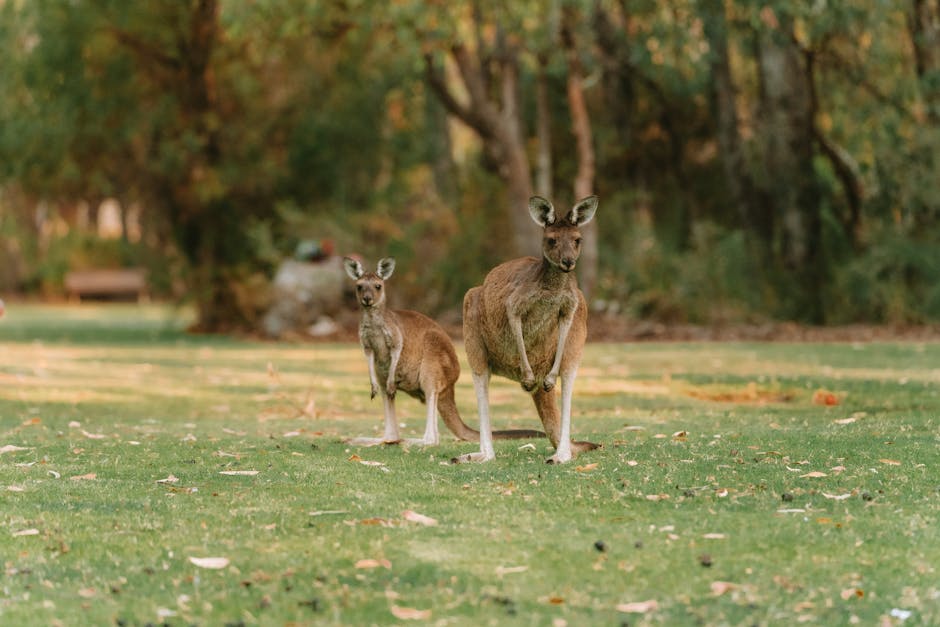
Fauna Encounters: While you will likely see kangaroos, the real interaction comes from smaller creatures. In warmer months (October to April), snake activity increases significantly, particularly along warm rock faces and near water sources.
Important: Respect wildlife privacy. Keep a distance of at least 6 metres from kangaroos and never attempt to feed them. This is illegal and dangerous for both you and the animal.
The Gear That Actually Matters
Overpacking is a common mistake for hikers visiting the Blue Mountains. The terrain dictates specific gear needs that differ from generic hiking advice.
Footwear: Trail runners often fail here. The loose scree and sharp sandstone rocks can cause ankle rolls or soles to wear out prematurely. Lightweight hiking boots with good grip (Vibram soles are ideal) provide the necessary ankle support without the bulk of mountain boots.
Layering: The escarpment is subject to sudden, strong wind gusts. Even in summer, a lightweight windproof shell jacket is non-negotiable. Temperatures can drop 10 degrees in the shade once you leave the tree line.
The “What I Left Behind” List:
- Heavy Raincoats: Unless you are hiking in winter or forecasted storms, a full Gore-Tex suit is overkill. A light wind/rain shell is sufficient for the quick showers common in summer.
- Large Daypacks: Leave 20-litre packs at home. A 15-litre pack is sufficient for most day hikes, keeping your centre of gravity low and comfortable.
- Expensive Cameras: While the views are photogenic, humidity and salt air (if you head towards the coast later) can damage lenses. Use what you are comfortable risking.
Navigating the Paradox: A Local’s Perspective
I remember my first visit to Wentworth Falls. I was relying entirely on a digital map, zooming in and out of my phone screen as the signal flickered. When the connection died completely near a fork in the path, panic set in. I stood there for ten minutes, feeling small and exposed.
Then, I saw it: a faint, faded orange paint mark on the bark of a towering Grey Gum. It was barely visible unless you knew to look for it, angled slightly downwards towards the left trail. That mark was a local landmark, known to generations of regulars but invisible to any app. Relief washed over me, followed by a respect for the hybrid approach: use technology for broad context, but trust physical markers for precision.
The Lyrebird’s Code: On a quiet morning during the Grand Canyon walk, I observed a Superb Lyrebird meticulously mimicking the sound of camera shutters and chainsaws. It was a reminder that these birds are not performing for us; they are existing in their complex world. Staying quiet and keeping a distance allows you to witness authentic behaviour rather than staged interactions. This is the essence of ethical hiking in the Blue Mountains.
The Rainy Day Revelation: There was a Tuesday in June when I decided to hike the Black Hen Chasm despite the forecast of light rain. The sandstone, when wet, becomes as smooth and slippery as ice. Halfway up the scramble, I looked down at my boots and knew that one slip would be catastrophic. I turned back. It was a humbling decision, but it validated an important lesson: knowing when not to hike is a skill as vital as choosing the right trail.
The “Leave Better” Pledge
As you conclude your hike and begin the descent back towards the car, return to that initial feeling of standing at the precipice—but this time, look inward. Your shoes are clean (mostly), your pack is lighter because you carried out any litter, and your mind feels as clear as the sky after a summer storm.
Before you drive away, consider this Pre-Departure Mindset Checklist:
- Check the Fire Danger Rating: During fire season (typically November to April), check the NSW Rural Fire Service website. Some trails may be closed.
- Tell Someone Your Route: Especially if hiking alone or in dead zones, leave a copy of your itinerary with someone reliable.
- Leave No Trace: Pack out all food scraps and toilet paper. The Blue Mountains are sensitive ecosystems; what you bring in stays there.
- Respect the Locals: The Blue Mountains are home to Aboriginal people whose culture is deeply intertwined with this land. Acknowledge the traditional custodians and respect cultural heritage sites.
Hiking in the Blue Mountains is not just about walking; it is about navigating a labyrinth of rock, air, and history. By understanding the micro-climates, matching your skill to the trail matrix, and respecting the unseen costs, you transform from a passive tourist into an engaged explorer. The mountains are vast, but with the right approach, they are entirely within your reach.
Frequently Asked Questions
What is the Blue Mountains and where is it located?
The Blue Mountains are a UNESCO World Heritage area in New South Wales, situated approximately 90 kilometres west of Sydney. The region’s name derives from the blue haze created by sunlight scattering through eucalyptus oil droplets in the atmosphere. It is not a single location but a complex geological region comprising three distinct zones: the Western Escarpment, the Central Plateau, and the Eastern Valleys. Each zone features unique micro-climates that affect visibility and crowd density, requiring hikers to plan their visit based on specific conditions rather than just proximity.
How should I plan my visit to avoid poor visibility?
To ensure clear views and sharp photography, aim for early autumn (March–May) during late morning when the air is stiller. Avoid mid-summer afternoons, as heat waves distort the air and heavy blue fog can reduce visibility to less than 50 metres on exposed ridges. Understanding the ‘Blue’ myth is critical; the haze thickens and thins based on temperature inversions, so checking weather conditions is essential for seeing distant landmarks like Mount Solitary or Jamieson Lookout clearly.
What gear is essential for hiking in this region?
You need lightweight hiking boots with good grip, such as Vibram soles, to handle loose scree and sharp sandstone. A lightweight windproof shell jacket is non-negotiable, as temperatures can drop 10 degrees in the shade once you leave the tree line. Leave large daypacks at home; a 15-litre pack is sufficient for most day hikes. Additionally, always carry a physical topographic map and compass, as significant pockets of the escarpment have no mobile signal, making GPS unreliable.
When is the best time of year to hike different zones?
The Western Escarpment (e.g., Blackheath, Mount Solitary) is best hiked in Autumn or Winter due to lower crowd density. The Central Plateau (e.g., Katoomba, Leura) is accessible year-round but offers the best experience in Spring. The Eastern Valleys (e.g., Leura Cascades) are ideal during Summer or Autumn. Matching the zone to its best season helps you manage crowd density and align with the specific micro-climate of each area.
What are the hidden costs and safety risks of hiking here?
The ‘unseen costs’ include mobile dead zones in deep gorges like Megalong Creek, where GPS failure is certain. The geology features sharp sandstone steps that cause significant joint stress during descent, making the final kilometre physically taxing. In warmer months (October to April), snake activity increases near warm rock faces. You must maintain a distance of at least 6 metres from kangaroos, as feeding them is illegal and dangerous. Preparation for these physical and environmental factors is crucial for a safe hike.


Be the First to Comment
Sign in to start the conversation.