


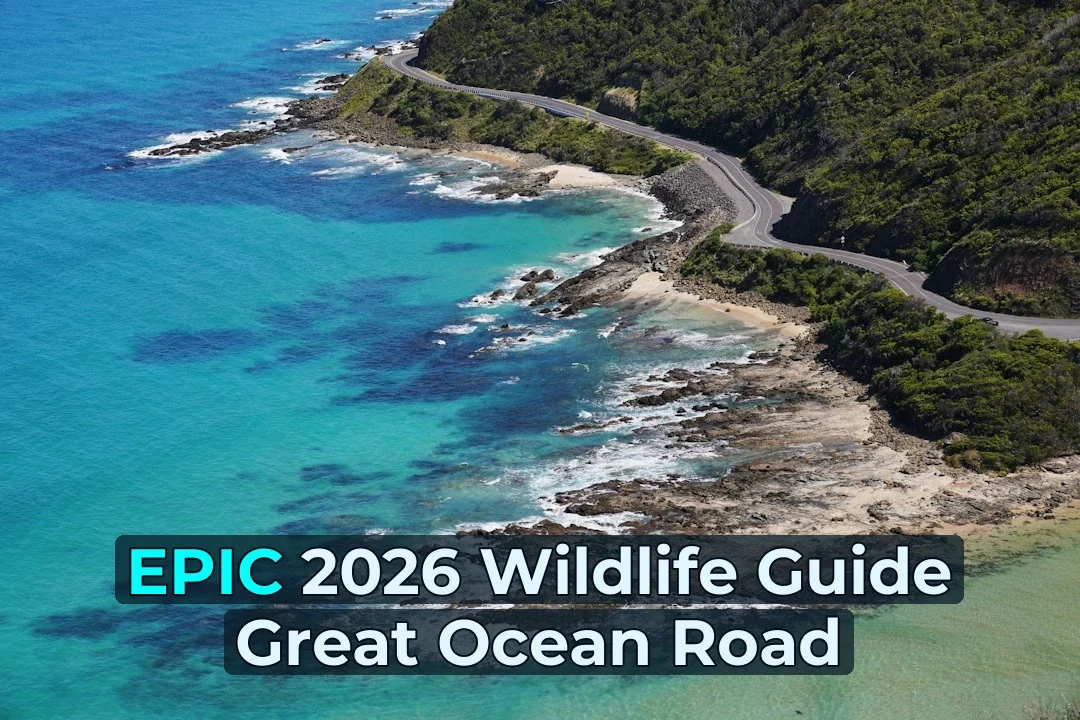
Did you know that 80% of the world’s population cannot see the Milky Way with the naked eye, yet Australia retains 40% of the Earth’s remaining dark sky territories? This startling statistic establishes the immense value of stargazing on Australia’s iconic Great Ocean Road. Far from being just a scenic coastal drive, this 243-kilometer stretch of Victoria’s southwest coast serves as one of the planet’s few remaining sanctuaries for true cosmic visibility. By positioning the reader not merely as a tourist, but as an explorer entering a rare ecological zone, we frame the experience of viewing the night sky here as both a privilege and a responsibility. The juxtaposition of rugged limestone cliffs against an unspoiled canopy of stars creates a unique atmospheric condition that has persisted for millennia, offering modern Australians and international visitors alike a chance to reconnect with the natural rhythm of the cosmos.
## The Physics of Darkness – Why the Great Ocean Road?
To understand why the Apollo Bay region and its surrounding hinterlands are premier stargazing destinations, we must first look beyond the beauty of the landscape and examine the specific geographic and atmospheric mechanics at play. The Great Ocean Road is not simply “dark”; it possesses specific qualities that align with the International Dark Sky Association’s criteria for high-quality stargazing locations.
### Light Pollution Maps and the Bortle Scale
The primary enemy of amateur astronomers is artificial light pollution. However, coastal regions often benefit from a natural buffer: the ocean itself. On the Great Ocean Road, the Southern Ocean acts as a massive light sink for major population centres like Melbourne and Geelong. When viewing south or west, the observer’s line of sight is directed away from urban sprawl, significantly reducing skyglow.
For those familiar with astronomical metrics, the region frequently scores between Bortle Class 3 and 4. To put this in perspective, a Bortle Class 1 is pristine wilderness, while Class 9 represents the heart of a city. A Class 3 rating indicates rural sky with some light pollution from nearby towns, allowing the Milky Way to display detailed contrast and structure. For the casual observer on the Great Ocean Road, a Class 4 sky—one where the Milky Way is bright and casts shadows—offers spectacular naked-eye viewing without requiring expensive optical aids.
### Altitude and Atmospheric Clarity
Stargazing is heavily dependent on atmospheric clarity. The Great Ocean Road traverses the Otway Ranges, providing significant altitude advantages over coastal plain locations. Higher elevation places observers above layers of sea fog and low-lying pollution, which are common in valley floors.
Pro Tip: When planning your trip, always consult a “Sky Glow” map (such as LightPollutionMap.info) alongside standard weather forecasts. A location may appear remote on a Google Map, but if it sits in a light bowl created by distant townships (like Apollo Bay or Lorne), the horizon glow can wash out fainter stars. Look for “dead zones” on these maps—areas where the color gradient shifts to deep purple or black, indicating minimal light contribution from human infrastructure.
### Coastal Humidity Factors
While altitude is beneficial, coastal humidity can be a double-edged sword. High moisture content in the air can scatter starlight, reducing sharpness and contrast. However, this is often mitigated by the cooling effect of sea breezes that roll in after sunset. The key to exploiting this is timing: the window between 8:00 PM and 11:00 PM often sees the air stabilise as the land cools, reducing convective turbulence that blurs stars (a phenomenon known as “seeing”).
## The Gear Gap – What Actually Matters for Beginners vs. Experts
One of the most common misconceptions among novice stargazers is that you need a $2,000 telescope to see anything impressive. This “gear gap” often discourages families from participating in the hobby until they invest heavily, only to find that complex equipment is often more of a hindrance than a help. For the Great Ocean Road experience, where portability and ease of setup are paramount, less is often more.
### The Decision Matrix: Naked Eye vs. Optical Aid
The choice of equipment should be dictated by your primary goal:
* **Goal 1: Immersion and Navigation (Naked Eye)**
* **Best For:** Families, beginners, and those interested in constellations or meteor showers.
* **Verdict:** No equipment needed. The human eye has the widest field of view, essential for appreciating the scale of the Milky Way or spotting fleeting meteors.
* **Goal 2: Detail and Close-Ups (Binoculars)**
* **Best For:** Observing lunar craters, the Galilean moons of Jupiter, and open star clusters (like the Pleiades).
* **Verdict:** A pair of 10×50 binoculars is the single most valuable tool for a beginner. They offer magnification without the complexity of equatorial mounts, and crucially, they allow you to keep both eyes open, maintaining spatial awareness of your surroundings—a key safety factor when stargazing near cliff edges.
* **Goal 3: Deep Sky Objects (Telescopes)**
* **Best For:** Experienced hobbyists targeting nebulae and galaxies.
* **Verdict:** Only pursue this if you have a dedicated viewing spot with power access. For the Great Ocean Road, telescopes are cumbersome and sensitive to wind and temperature changes.
### Specific Recommendation: The Family Starter Kit
For most families visiting Apollo Bay, we recommend skipping the telescope initially and investing in high-quality binoculars. However, if you are determined to start with a telescope, the **Celestron SkyScanner 130mm** is an excellent entry point.
Why this model? It features a parabolic mirror that reduces spherical aberration, providing sharper images than cheaper Newtonians. More importantly, it is lightweight and portable enough to carry to secluded beaches along the Great Ocean Road without requiring a 4WD.
Expert Tip: Before you buy, understand that failure to align your equipment is part of the learning curve. If you invest in a telescope, practice setting it up *at home* on a Saturday night before your trip. The stress of trying to align a mount for the first time while standing on a cold beach at midnight often leads to frustration and abandonment of the hobby.
| Equipment Type | Cost Range (AUD) | Best Use Case | Portability Score (1-10) |
| :— | :— | :— | :— |
| Naked Eye (No Gear) | Free | Constellations, Milky Way, Meteors | 10/10 (None needed) |
| 7×50 Binoculars | $50 – $150 | Lunar surface, Star clusters | 9/10 (Easy carry) |
| Celestron SkyScanner 130mm | $250 – $400 | Planetary rings, Faint nebulae | 6/10 (Requires bag) |
| Dobsonian Telescope | $800+ | Deep sky detail | 3/10 (Heavy, fragile) |
### The Reality of Victorian Weather
It is crucial to address the honest limitation of stargazing in Victoria: weather unpredictability. Coastal fog can roll in with zero warning, obscuring the sky entirely within minutes. Unlike arid outback locations, the Great Ocean Road is a coastal environment subject to rapid microclimate changes.
If you are relying on optical gear, always have a “Plan B” location at least 30 minutes inland (higher altitude) in case the coast fogs up. Apps like “Clear Outside” or “Windy” are indispensable for hyper-local forecasting, providing cloud cover probability and transparency metrics rather than just general rain predictions.
## The Apollo Bay Ecosystem – A Nighttime Field Guide
Knowing *what* to look for is only half the battle; knowing *where* to stand safely and effectively is the other. The Great Ocean Road offers a diverse range of stargazing spots, each with unique accessibility and safety profiles.
### Top Stargazing Locations Along the Route
1. **Point Lonsdale Observatory Grounds:** Located at the western entrance to the Great Ocean Road near Geelong, this area offers low light pollution due to its peninsula location. The grounds are flat and accessible by sedan, making it ideal for families with young children or those with mobility issues. The observatory itself sometimes hosts public viewings, but simply camping on the grassy knolls offers an unobstructed view of the southern hemisphere sky.
2. **Torquay Foreshore:** A classic spot, but one that requires strategic timing. The foreshore is bright after dark due to nearby streetlights and businesses. However, walking 10 minutes north towards Split Point Lighthouse reduces ambient light significantly. The sound of the surf masks urban noise, enhancing the psychological experience of isolation and immersion.
3. **Secluded Beaches near Kennett River:** For those willing to venture inland slightly from the coast, the beaches here are darker. However, caution is advised regarding access. Some tracks require 4WD or high-clearance vehicles due to sandy, uneven terrain. Always check local council signage regarding vehicle access after dark to avoid fines or getting stuck in soft sand.
4. **Apollo Bay Memorial Park:** Situated directly on the coast, this park offers a compromise between accessibility and darkness. It is well-lit for safety, which may detract from deep-sky viewing, but it provides an excellent vantage point for naked-eye stargazing and constellation identification. The large open spaces allow groups to spread out, maintaining social distancing while sharing the experience.
### When to Go: Moon Phases and Meteor Showers
Timing is everything. The moon is the largest source of natural light pollution in the night sky. To see faint objects like the Milky Way’s core or distant galaxies, you must plan your trip around a **New Moon**.
* **The “Dark Sky Window”:** Aim for the three nights before and after the New Moon. During a Full Moon, the sky is too bright for anything beyond the major planets and lunar surface details.
* **Major Meteor Showers:** The Great Ocean Road is an excellent viewing location for the Southern Hemisphere’s meteor showers.
* **Perseids:** Mid-August (Peak). Excellent for naked-eye viewing.
* **Geminids:** Mid-December (Peak). The most reliable shower of the year.
* **Leonids:** November (Variable peaks). Known for spectacular outbursts, though less predictable.
Quick Fact: Download a moon phase calendar specific to your device or use an astronomy app like “Stellarium” (free version) to visualize exactly where celestial bodies will be relative to your location. This allows you to plan your trip not just by weather, but by the specific astronomical events happening overhead.
### Safety and Accessibility for Families
Safety is paramount when stargazing, especially in remote coastal areas.
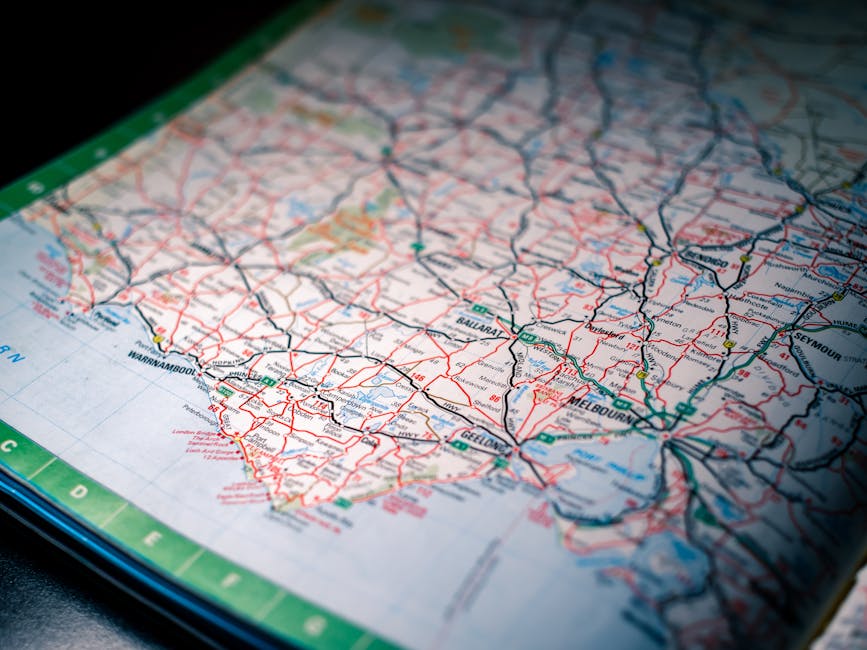
Warning: Never approach cliff edges or unguarded headlands (such as parts of the Great Ocean Road near Lorne or Apollo Bay) after dark without a flashlight. Rocks are slippery with morning dew or rain, and visibility drops to zero quickly. Always stick to designated parks or paddocks unless you are with an experienced guide.
Important: Inform someone of your exact location and expected return time. Mobile phone coverage can be spotty in hinterland areas, so a physical map and a fully charged power bank are essential. For families, bring red-light flashlights (available cheaply online) to preserve night vision while moving around the campsite or parking area.
## Beyond the Stars – Integrating Stargazing with Local Culture
Stargazing on the Great Ocean Road is not merely a scientific or recreational activity; it is deeply intertwined with the cultural history of the lands it traverses. The Indigenous Australian communities, particularly the Gunditjmara and Gadubanud peoples, have used these same night skies for millennia.
### Indigenous Astronomy: Navigation and Storytelling
For thousands of years, Aboriginal Australians have used the stars for navigation, seasonal markers, and storytelling. The “Emu in the Sky” is a well-known dark constellation formed by the dust lanes of the Milky Way, visible prominently from Victoria. Unlike Western astronomy, which focuses on bright stars forming patterns, Indigenous astronomy often identifies constellations by the dark spaces *between* the stars.
This knowledge was practical, dictating when to harvest shellfish (linked to the rising of certain stars), when to fish, and when ceremonial events should occur. Understanding this adds a profound layer of depth to the stargazing experience, transforming it from passive observation into active cultural engagement.
### Connecting with Local Indigenous Guides
To honour this heritage, visitors are encouraged to seek out and support local Indigenous-led cultural astronomy tours. These experiences provide context that standard stargazing cannot offer, explaining the Dreamtime stories associated with specific stars and constellations.
Expert Tip: Look for tour operators in the Apollo Bay or Lorne regions that explicitly partner with Traditional Owners. Some lodges and eco-tourism operators now offer “Dark Sky” evenings that include Indigenous cultural interpretations. By choosing these options, you contribute directly to the preservation of cultural knowledge and support the local economy in a sustainable manner.
## Conclusion: A Call to Look Up
Stargazing on the Great Ocean Road offers more than just a view of the cosmos; it offers a reconnection with a natural rhythm that has been largely lost to modern urban life. It is an invitation to slow down, to look up, and to acknowledge our place in a vast, ancient universe.
As you plan your next adventure along this iconic stretch of Victoria’s coast, remember that the true value lies not in the equipment you carry, but in the perspective you gain. The darkness of the Apollo Bay hinterlands is a gift—a rare ecological zone that must be protected from increasing light pollution and development. By practising responsible stargazing—using red lights, staying on designated paths, and respecting Indigenous knowledge—you become a steward of this dark sky heritage.
**Final Checklist for Your Great Ocean Road Stargazing Trip:**
1. **Moon Phase:** Check that your trip aligns with a New Moon for optimal visibility.
2. **Weather App:** Monitor “Clear Outside” or similar services for cloud cover and transparency, not just rain.
3. **Gear Check:** If beginners, start with binoculars; if experts, practice your telescope setup at home first.
4. **Safety:** Inform others of your location, bring red flashlights, and avoid cliff edges after dark.
5. **Cultural Respect:** Engage with local Indigenous guides to understand the cultural significance of the night sky.
For real-time sky events and official resources, visit the Australian Astronomical Observatory or local astronomy clubs in Victoria. The stars are waiting—make sure you give them the attention they deserve.
Frequently Asked Questions
What makes the Great Ocean Road a superior location for stargazing compared to other coastal areas?
The Great Ocean Road is uniquely positioned because the Southern Ocean acts as a natural light sink for major population centres like Melbourne and Geelong. When viewing south or west, observers look away from urban sprawl, significantly reducing skyglow. The region frequently scores between Bortle Class 3 and 4, which is ideal for naked-eye viewing of the Milky Way without expensive optical aids. Additionally, traversing the Otway Ranges provides altitude advantages over coastal plains, placing observers above layers of sea fog and low-lying pollution common in valley floors.
What is the recommended equipment for beginners visiting Apollo Bay?
For most families, high-quality binoculars (specifically 10×50 models) are the single most valuable tool, costing between $50 and $150. They offer magnification for lunar craters and star clusters without the complexity of equatorial mounts. If you must start with a telescope, the Celestron SkyScanner 130mm is recommended due to its parabolic mirror and portability, costing $250–$400. However, avoid heavy Dobsonian telescopes (costing $800+) as they are cumbersome for coastal trips. Remember, naked eye viewing is free and offers the widest field of view for constellations.
When is the best time to visit for optimal visibility of the Milky Way?
You must plan your trip around a New Moon. The ‘Dark Sky Window’ is the three nights before and after the New Moon, as a Full Moon creates too much natural light pollution to see faint objects like the Milky Way’s core. For meteor showers, mid-August is ideal for Perseids and mid-December for Geminids. The best viewing window each night is between 8:00 PM and 11:00 PM, when sea breezes cool the land and reduce convective turbulence that blurs stars.
How should I handle weather unpredictability and fog on the coast?
Coastal fog can obscure the sky within minutes, so always have a ‘Plan B’ location at least 30 minutes inland where higher altitude reduces fog impact. Use apps like ‘Clear Outside’ or ‘Windy’ for hyper-local forecasting on cloud cover and transparency, not just rain predictions. Avoid watching near unguarded cliff edges (like parts near Lorne) after dark due to slippery rocks and zero visibility. Always carry a physical map, a fully charged power bank, and red-light flashlights to preserve night vision while moving safely.
Which specific stargazing locations along the route offer the best accessibility?
Point Lonsdale Observatory Grounds near Geelong is ideal for families and those with mobility issues, offering flat, sedan-accessible terrain. Torquay Foreshore is classic but requires walking 10 minutes north towards Split Point Lighthouse to avoid streetlights. Secluded beaches near Kennett River are darker but require 4WD or high-clearance vehicles due to sandy terrain. Apollo Bay Memorial Park offers a compromise with good naked-eye visibility and safety, though it is well-lit for security.


Be the First to Comment
Sign in to start the conversation.