
🔥 First time trying beach fitness? Don’t stress – I’ve got you covered! After years of training on Aussie beaches (and learning the hard way), I’m sharing everything you need to stay safe while getting ripped by the coast.
🤔 What to Expect from Beach Fitness
Right, so you’re keen to take your workout to the sand – ripper choice! Beach fitness is heaps different from your typical gym sesh. The unstable surface means your body works 20-30% harder just to stay balanced, which is bloody brilliant for core strength and burning calories.
But here’s the thing – that soft sand that feels nice between your toes? It’s also a workout game-changer. Running on sand requires 1.6 times more energy than running on solid ground. You’ll feel it in your calves, ankles, and stabiliser muscles pretty quickly!
Expect to sweat more (hello, sun and humidity), move a bit slower, and discover muscles you didn’t know existed. The good news? Lower impact on your joints means less risk of those nagging injuries. Win-win!
✅ Must-Have Gear for Safe Beach Training
Alright mate, before you rock up in your boardies and thongs, let’s talk proper gear:
🩱 **Swimwear or activewear** – Go for quick-dry, breathable fabrics. Cotton gets heavy and chafes like mad.
🧴 **Sunscreen (SPF 50+)** – Non-negotiable in Oz! Reapply every 2 hours, even on cloudy days. Zinc on the face is a legend move.
🧢 **Hat & sunnies** – Wide-brim is best, and polarised sunnies protect your eyes from sand and glare.
👟 **Barefoot or water shoes** – Most beach workouts are done barefoot (strengthens feet!), but bring water shoes if you’ve got sensitive tootsies or the sand’s scorching.
💧 **Hydration pack or large water bottle** – Minimum 1.5L for an hour sesh. Dehydration sneaks up fast at the beach!
🧣 **Towel or yoga mat** – For ground exercises, unless you fancy sand in places sand shouldn’t be.
⏰ **Waterproof watch or phone case** – Keep track of time and tide changes.
📋 Step-by-Step Guide to Your First Beach Workout
Here’s how to nail your first beach fitness sesh without ending up a statistic:
1️⃣ **Check conditions before you go**
Look up the UV index, tide times, and any beach closures. Low tide = more hard-packed sand (easier for beginners). High tide = softer sand, tougher workout.
2️⃣ **Time it right**
Aim for early morning (before 10am) or late arvo (after 4pm). You’ll avoid peak UV and the sand won’t be burning your feet. Plus, sunrise workouts are absolute magic!
3️⃣ **Start with a proper warm-up**
5-10 minutes of dynamic stretches – leg swings, arm circles, walking lunges. Cold muscles on uneven sand = recipe for strains.
4️⃣ **Begin on hard-packed sand**
Stay near the water’s edge where sand is firm and wet. Build up to soft sand as you get stronger. Don’t be a hero on day one!
5️⃣ **Modify your intensity**
Everything feels harder on sand, so dial back your usual pace by about 20%. Shorter strides, lower jumps, controlled movements.
6️⃣ **Cool down and stretch**
Finish with static stretches and a gentle swim or wade. Salt water actually helps with muscle recovery – nature’s spa!
❌ Common Mistakes to Avoid
Learn from my stuff-ups so you don’t have to make ’em:
❌ **Going barefoot too long on hot sand** – I’ve seen people literally run across scorching sand and blister their feet within minutes. Test with your hand first, or bring sand-appropriate footwear.
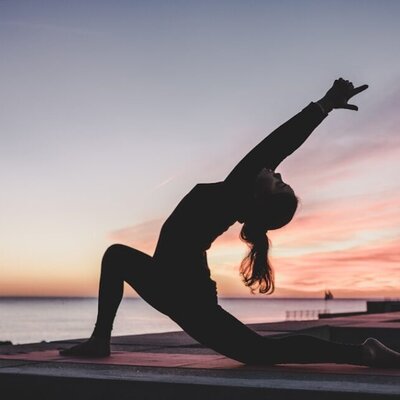
❌ **Ignoring the tide** – Got caught out once doing yoga poses when the tide came in faster than expected. Lost my towel, nearly lost my phone. Check tide charts!
❌ **Skipping sunscreen because it’s cloudy** – UV rays penetrate clouds, mate. Had the lobster burn to prove it. Cloudy days can actually be worse cause you don’t feel the heat warning you.
❌ **Training alone in isolated spots** – Beaches can be unpredictable. Rip currents, wildlife, sudden weather changes. Always tell someone where you’ll be, or train near lifeguarded areas.
❌ **Not hydrating enough** – Sea breeze masks how much you’re sweating. By the time you feel thirsty, you’re already dehydrated. Drink before, during, and after.
❌ **Pushing too hard first time** – Sand fitness humbles everyone. Start with 20-30 minutes max, see how you pull up the next day.
💪 You’ve Got This!
Honestly, beach fitness is one of the most rewarding ways to train – fresh air, ocean views, vitamin D, and a workout that actually feels fun rather than a chore. Your body will adapt faster than you think!
Start with 2-3 sessions a week and mix it up – running, bodyweight exercises, yoga, or even just a brisk walk. The beach is your gym, and it’s free!
Remember: every expert was once a beginner. The fact that you’re reading this means you’re already taking safety seriously, which puts you ahead of the pack.
So grab your gear, slip-slop-slap, and get out there. The waves are waiting, and your beach bod journey starts now!
📋 Practical Info
📍 Multiple beach locations – try Bondi Beach (NSW 2026), Manly Beach (NSW 2095), or your nearest patrolled beach
🚗 From Sydney CBD, 30-45 mins by car or 40-60 mins by public transport to most popular beaches
💰 Free! Optional: parking ($5-15/day), equipment ($20-50 if starting from scratch)
🕐 Best times: 6-10am or 4-7pm. Avoid 10am-3pm during high UV periods
⏱️ Start with 30-45 minutes including warm-up and cool-down
💡 Tips & Warnings
✅ Train near lifeguarded areas – those red and yellow flags aren’t just for swimmers!
✅ Bring a mate – beach workouts are more fun and safer with company
❌ Don’t exercise during extreme heat or when UV index is above 11
⚠️ Watch for rip currents – if you’re near the water, know how to spot them and what to do
🚀 First-timers, drop your questions below! 🚀 Keen to hear how your first beach sesh goes!
#beachfitness #australiafitness #outdoorworkout #beachsafety #beginnerfitness #aussiebeaches #fitnesstips #summerfitness #outdoorstraining #healthylifestyle


Be the First to Comment
Sign in to start the conversation.