
What if the most spectacular coastal walk in Australia was hiding in plain sight—routinely driven past by thousands who never set foot on its trails? The Great Ocean Road, that legendary 243-kilometre stretch hugging Victoria’s south-west coastline, draws over two million visitors annually. Most experience it through a car window, ticking off the Twelve Apostles from a car park, snapping the obligatory photograph, and moving on. But here’s what those visitors miss: the ancient rainforests of the Otways, the secluded coves accessible only on foot, and the profound silence of standing before those limestone stacks at dawn after walking through the night to reach them. This isn’t just a road—it’s a gateway to some of Australia’s most diverse hiking terrain, ranging from accessible family circuits to multi-day expeditions that demand genuine backcountry skills.
The View From Your Boots: Why Walking Changes Everything on the Great Ocean Road
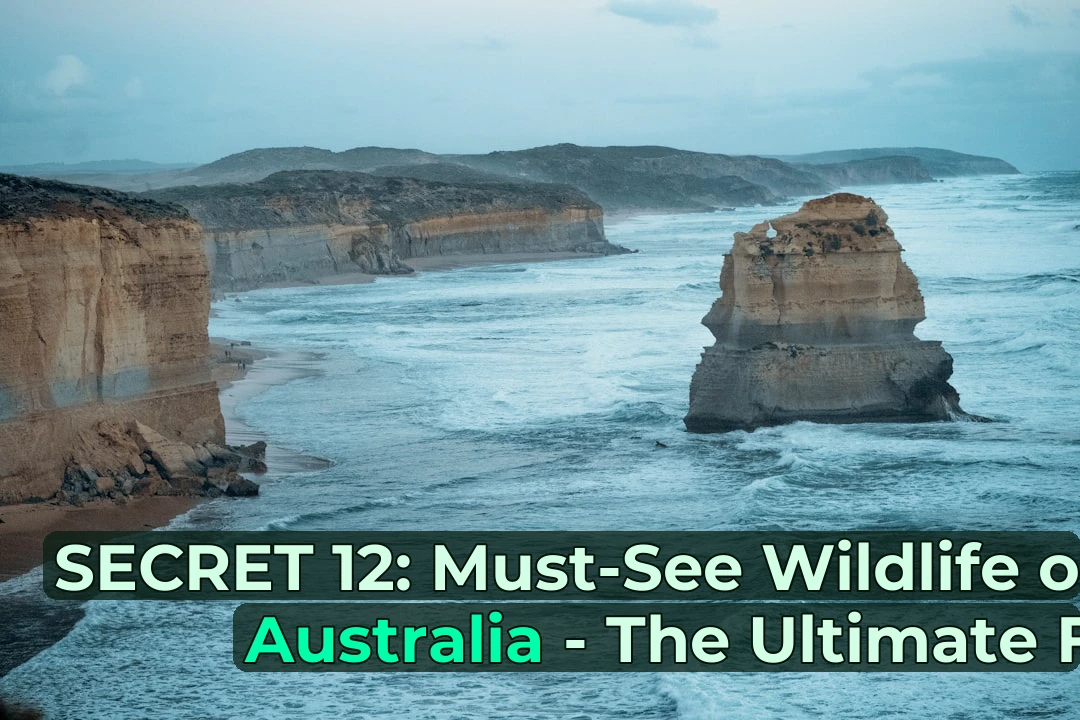
There’s a fundamental difference between seeing a landscape and experiencing it. The Great Ocean Road exemplifies this distinction. From a vehicle, the Twelve Apostles are magnificent—towering limestone stacks rising from a turbulent Southern Ocean, their golden faces catching the late afternoon light. But approach them on foot, particularly via the final stages of the Great Ocean Walk, and they become something else entirely: a destination earned, a reward for kilometres of single-track winding through heathland, the cumulative sounds of waves growing louder with each step.
The drive-from-Melbourne experience, while undeniably scenic, creates a curated relationship with this coastline. You stop where the signage tells you to stop, walk the constructed boardwalks, share the view with hundreds of others doing precisely the same thing. Walking strips away that curation. On the trails, you’ll encounter wildlife at close quarters—echidnas shuffling through coastal scrub, koalas dozing in manna gums, and if you’re fortunate, the flash of an orange-bellied parrot, one of Australia’s rarest birds, feeding in the saltmarsh.
The Great Ocean Walk, stretching 100 kilometres from Apollo Bay to the Twelve Apostles, represents the pinnacle of this immersive experience. But it’s not the only option. A network of shorter trails branches from the main route, each offering distinct perspectives on this dramatic coastline. The question isn’t whether to walk—it’s how to match your time, fitness, and interests to the right trail.
What you’ll carry back from the trails is something else entirely—a memory etched not in photographs but in muscle and breath, the particular quality of coastal light at a certain hour, the unexpected encounter with wildlife that no car window could provide.
The Transformation of Familiar Landmarks
Consider the Twelve Apostles through different lenses. The drive-up visitor sees them from the viewing platform: seven remaining stacks (despite the name, there were never twelve), each with its distinctive profile silhouetted against sea and sky. The average viewing time? Eight minutes, according to Parks Victoria data. Now consider the hiker who has walked the three days from Johanna Beach, camping at primitive sites, waking to the sound of waves and bird calls, arriving at the Apostles as morning mist clears from the formations. Same location, fundamentally different experience. The hiker has context—the geological story of erosion and collapse, the botanical transitions from heath to coastal scrub, the personal narrative of effort and reward.
This principle extends throughout the region. The rainforest boardwalks at Maits Rest near Apollo Bay offer a 30-minute glimpse into cool temperate rainforest, perfect for families and those with limited mobility. But the trails extending deeper into the Otway Ranges reveal waterfalls, ancient myrtle beech trees, and a sense of solitude impossible on the main tourist routes.
The Trail System Decoded: Your Level, Your Trail
Matching yourself to the right trail is the difference between a memorable experience and an ordeal. The Great Ocean Road region offers something genuinely rare: world-class walking for every fitness level, all within a compact geographic area. Here’s how to find your place in this system.
Family and Accessible Walks (2-4 Kilometres)
These trails share common characteristics: well-maintained surfaces, minimal elevation change, clear wayfinding, and high reward-to-effort ratios. They’re ideal for families with children, those new to hiking, or walkers with limited mobility.
- Maits Rest Rainforest Walk (Apollo Bay): A 800-metre boardwalk through cool temperate rainforest. Tree ferns, myrtle beech, and mountain ash create a cathedral-like atmosphere. Accessible for wheelchairs and prams. Allow 30 minutes.
- Sheoak Falls Walk (Lorne): A 1.5-kilometre return walk to a photogenic waterfall. Moderate incline but well-constructed steps. Best after rain. Allow 45 minutes.
- The Twelve Apostles Viewpoint Walks: Multiple boardwalks and viewing platforms connected by sealed paths. Total distance variable but easily under two kilometres. Accessible facilities at the main car park.
- Loch Ard Gorge Walks: Several short loops exploring the site of the 1878 Loch Ard shipwreck. Historical interpretation combined with dramatic coastal scenery. Allow one hour to explore all paths.
Day Adventures (8-15 Kilometres)
This category suits walkers with reasonable fitness who want immersion without overnight logistics. These trails require proper footwear, water, and basic navigation skills. They reward with experiences impossible from the road.
- Eagle Rock Loop (Lorne): Starting from Sheoak Picnic Area, this eight-kilometre circuit takes in Eagle Rock lookout, Won Wondah Falls, and Henderson Falls. A solid half-day walk with 200 metres of cumulative elevation. The contrast between fern gullies and dry ridges demonstrates the region’s ecological diversity.
- Shelley Beach to Cumberland River (Lorne): A ten-kilometre coastal traverse following the Great Ocean Walk route. Exposed sections with dramatic ocean views, plus sheltered coves for lunch stops. Requires tide awareness for safe creek crossings.
- Blanket Leaf Park to Erskine Falls (Lorne): Approximately 12 kilometres one-way through the Otway foothills. Can be done as a car shuffle or out-and-back. The falls are among the highest in the region, plunging 30 metres into a fern-lined gorge.
- Princetown to Twelve Apostles via Gellibrand River: A 13-kilometre section of the Great Ocean Walk that’s achievable as a long day hike. River estuary birdlife, clifftop walking, and that climactic arrival at the Apostles. Requires car shuttle or pickup arrangement.
Multi-Day Sections: The Great Ocean Walk Proper
The full 100-kilometre Great Ocean Walk from Apollo Bay to the Twelve Apostles takes most walkers seven to eight days, passing through national park and public land. It’s not a wilderness experience in the Tasmanian sense—you’ll cross roads, pass near towns, and share some sections with day walkers—but it offers a compelling progression through changing landscapes.
The walk is divided into eight official stages, each with designated campsites that must be booked through Parks Victoria. These campsites are well-equipped with tent platforms, water tanks (treatment still recommended), and drop toilets. The booking system, introduced to manage environmental impact and walker safety, means you’ll need to plan ahead, particularly for peak periods (spring and autumn school holidays).
| Stage | Distance | Difficulty | Key Features |
|---|---|---|---|
| Apollo Bay to Elliot Ridge | 10 km | Easy-Moderate | Coastal scrub, ocean views |
| Elliot Ridge to Cape Otway | 13 km | Moderate | Lighthouse, historic telegraph station |
| Cape Otway to Aire River | 14 km | Moderate-Hard | Remote beaches, river estuary |
| Aire River to Johanna Beach | 14 km | Hard | Exposed headlands, beach walking |
| Johanna Beach to Milanesia Gate | 12 km | Hard | Rugged terrain, limited water |
| Milanesia Gate to Moonlight Head | 12 km | Hard | Highest sea cliffs in Victoria |
| Moonlight Head to Princetown | 15 km | Moderate-Hard | Gellibrand River, wildlife |
| Princetown to Twelve Apostles | 14 km | Moderate | Clifftop finale, Apostles arrival |
Honest Limitations: Trails That Deceive
Not every short walk is easy, and not every long walk is hard. Some trails in the region carry hidden difficulties that catch unprepared walkers.
The Station Beach track at Lorne looks straightforward on maps—a beach walk, what could be simpler? But the return via the cliff track involves steep, eroded sections with loose footing. In summer heat, the lack of shade and reflected sand radiance create genuine heat stress risk. Several rescues occur here each year.
The Sharkeys Beach to Bells Beach section near Torquay is another that catches walkers off-guard. The maps suggest a straightforward coastal traverse, but the track passes through sensitive dune systems with frequent rerouting. Wayfinding can be challenging, and tide-dependent sections require careful timing.
When the Road Closes: Contingency Intelligence for Great Ocean Road Closure Events
The Great Ocean Road is carved into some of the most geologically active terrain in Australia. Landslides, rockfalls, and bushfires can close sections with little warning, and understanding the closure patterns—and your alternatives—separates adaptable travellers from stranded ones.
Historical Closure Patterns
The most significant recent closure occurred in January 2016, when a massive landslide near Wye River swept away a section of the road, closing it for five weeks. The event highlighted the vulnerability of this infrastructure to both extreme weather and geological instability. Since then, smaller closures have occurred near Lorne, Anglesea, and between Apollo Bay and Lavers Hill.
Bushfire seasons bring a different closure pattern. The Christmas 2015 fires that devastated Wye River and Separation Creek led to extended closures, and the threat remains real each summer. Parks Victoria and VicRoads coordinate closure decisions based on fire danger ratings, active fire locations, and expected wind changes.
Heavy rain events, increasingly common in autumn and early winter, trigger both immediate closures (for debris removal) and longer-term closures (for slope stabilisation work). The terrain between Lorne and Apollo Bay is particularly susceptible.
Real-Time Resources
Before departing Melbourne, and each morning of a multi-day trip, check these resources:
- VicRoads Traffic Alerts: The authoritative source for road closures. Their website and app provide real-time updates with estimated reopening times when available.
- Emergency Victoria: For bushfire and flood warnings that may affect both roads and walking tracks.
- Parks Victoria Alerts: Track closures, campsite availability, and safety information for the Great Ocean Walk and associated trails.
- Local visitor information centres: A phone call to Lorne, Apollo Bay, or Port Campbell visitor centres often yields the most current local intelligence.
Alternative Routes: What You Gain and Lose
When the Great Ocean Road closes, the inland route via the Princes Highway and Colac becomes necessary. This adds approximately 45 minutes to the Melbourne-to-Apollo Bay journey but offers its own attractions: the volcanic lakes near Colac, the magnificent Red Rock lookout, and access to the Otway hinterland’s rainforests via Beech Forest.
For walkers committed to the Great Ocean Walk, a road closure may affect pickup and drop-off logistics but rarely impacts the trail itself, which runs largely independent of the road. However, the Johanna Beach area is an exception—road access is limited even in normal conditions, and closures on the Lavers Hill road can complicate walker pickups.
The Twelve Apostles remain accessible from the Port Campbell direction even when sections closer to Lorne are closed. A closure at Wye River doesn’t prevent access from the west. This asymmetry is useful to understand: planning your approach from both directions maximises flexibility.
Base Camp Strategy: Where to Sleep and What You Trade
Your accommodation choice determines which walks are practical as day trips and what experiences you’ll need to sacrifice. The three main hubs—Lorne, Apollo Bay, and Port Campbell—each offer distinct advantages and limitations.
Lorne: The Sophisticated Base
Lorne, approximately two hours from Melbourne, is the largest settlement along the Great Ocean Road with the most developed accommodation infrastructure. It offers the broadest range of Great Ocean Road hotel options, from caravan parks to luxury retreats, plus restaurants, cafes, and services that make extended stays comfortable.
Walks from Lorne: The Otway foothills rise directly behind the town, providing access to the densest concentration of day walks on the coast. Erskine Falls, Sheoak Falls, and the Eagle Rock circuit are all within 15 minutes’ drive of the town centre. The Great Ocean Walk’s eastern sections begin at nearby Marengo.
The trade-off: Lorne is far from the Twelve Apostles—90 minutes by car, making it impractical as a base for walks west of Apollo Bay. The town also gets extremely busy in peak periods, and accommodation prices reflect this demand.
Best for: Walkers who want multiple day-hike options, those who appreciate town amenities, and families who need options beyond hiking.
Apollo Bay: The Strategic Midpoint
Apollo Bay sits at the transition between the foothills of the eastern Otways and the more rugged terrain to the west. It’s the official starting point of the Great Ocean Walk and offers good access to both the Johanna Beach area and the Cape Otway lighthouse precinct.
Walks from Apollo Bay: Maits Rest, the Ellensborough Falls (via Beech Forest), and the first two sections of the Great Ocean Walk. Cape Otway is 45 minutes south on a sealed road, opening up additional walking options including the lighthouse precinct and nearby beaches.
The trade-off: Smaller than Lorne with fewer dining and accommodation options, though still well-serviced. The drive to the Twelve Apostles is 45 minutes, making pre-dawn starts possible for photographers and committed walkers.
Best for: Walkers focusing on the Great Ocean Walk’s middle sections, those wanting access to both eastern and western trails, and visitors who prefer a quieter base.
Port Campbell: The Apostles Gateway
The smallest of the three hubs, Port Campbell exists primarily as a service centre for the Twelve Apostles and surrounding attractions. It’s 15 minutes from the Apostles, making it the logical base for walks focused on the western sections of the coast.
Walks from Port Campbell: The final sections of the Great Ocean Walk, plus shorter coastal walks around Port Campbell National Park. The Gibson Steps, Loch Ard Gorge, and London Bridge sites all offer short to medium walking opportunities with dramatic scenery.
The trade-off: Limited accommodation and dining options, and a three-hour drive from Melbourne. Port Campbell is the end of the line—if the road closes between Apollo Bay and Lavers Hill, you’re committed to the inland route home.
Best for: Walkers completing the final days of the Great Ocean Walk, photographers wanting sunrise and sunset access to the Apostles, and those who prefer small-town quiet.
Camping on the Great Ocean Walk
The hike-in campsites along the Great Ocean Walk must be booked in advance through Parks Victoria. Prices vary depending on facilities, and demand during school holidays and long weekends means booking weeks
Frequently Asked Questions
What is the Great Ocean Walk and how long does it take to complete?
The Great Ocean Walk is a 100-kilometre trail stretching from Apollo Bay to the Twelve Apostles along Victoria’s south-west coastline. Most walkers complete the full route in seven to eight days, progressing through eight official stages. The trail passes through national park and public land, offering a compelling progression through changing landscapes from coastal scrub to remote beaches and the highest sea cliffs in Victoria. While not a wilderness experience in the Tasmanian sense, it provides an immersive alternative to experiencing the Great Ocean Road region compared to driving.
How do I choose the right Great Ocean Road walk for my fitness level?
The Great Ocean Road region offers walks for every fitness level. For families and beginners, the Maits Rest Rainforest Walk is an 800-metre accessible boardwalk near Apollo Bay taking 30 minutes. Day walkers with reasonable fitness can tackle 8-15 kilometre options like the Eagle Rock Loop (8 km) or Shelley Beach to Cumberland River (10 km). For experienced walkers seeking a genuine backcountry experience, the multi-day Great Ocean Walk includes challenging sections like Johanna Beach to Milanesia Gate, which features rugged terrain, limited water sources, and extremely limited mobile reception.
When is the best time to walk the Great Ocean Walk and what closures should I plan for?
Spring and autumn are ideal for walking, though these peak periods require booking campsites weeks in advance. Bushfire season runs from November to February, when all walking tracks in national parks close on Total Fire Ban days. Heavy rain events in autumn and early winter can trigger both immediate and longer-term closures. Landslides have historically closed road sections for up to five weeks. Always check VicRoads Traffic Alerts, Emergency Victoria, and Parks Victoria Alerts before departing, and build in buffer days if walking during bushfire season.
What does it cost and what logistics are involved in camping on the Great Ocean Walk?
The hike-in campsites along the Great Ocean Walk must be booked in advance through Parks Victoria, with prices varying depending on facilities. The eight designated campsites are well-equipped with tent platforms, water tanks (treatment still recommended), and drop toilets. For the remote Johanna Beach to Milanesia Gate section, consider hiring a satellite phone from the Cape Otway Lightstation or Parks Victoria office—a free loan program for emergency situations. Book weeks ahead for school holidays and long weekends.
What are the main accommodation hubs for exploring Great Ocean Road walks?
Three main hubs serve the region with distinct advantages. Lorne, two hours from Melbourne, offers the broadest accommodation range and access to the densest concentration of day walks including Erskine and Sheoak Falls, but is 90 minutes from the Twelve Apostles. Apollo Bay sits at the strategic midpoint as the official Great Ocean Walk starting point, with 45-minute access to the Apostles. Port Campbell, 15 minutes from the Apostles, is best for walkers focusing on western sections but involves a three-hour drive from Melbourne.



Be the First to Comment
Sign in to start the conversation.