
Did you know that while the Australian government collects over $450 million annually in environmental levies and camping fees, nearly 60% of the continent’s breathtaking outdoor spaces remain accessible at zero cost? It’s a surprising statistic for many travellers planning their first great Aussie adventure. Unlike many international destinations where nature is gated behind expensive tickets, Australia offers a unique mix of free access and managed conservation fees. Whether you are planning to go fishing in Australia, camping by the coast, or hiking through ancient rainforests, understanding the fee structure is the key to budgeting effectively and avoiding surprises on the road.
The Free Tier (Where Your Wallet Wins)
Let’s start with the best news: the vast majority of Australia’s outdoor experiences are completely free. The “Great Australian Campout” ethos is real, and you can explore world-class landscapes without opening your wallet. Most coastal walks, beaches, and bush reserves managed by local councils do not charge entry fees. This includes iconic experiences like walking the Bondi to Coogee trail in New South Wales or watching the sunset at Noosa National Park in Queensland.
For families and budget-conscious travellers, this is a massive win. You can spend weeks exploring Australia’s coastline and hinterlands purely on free activities. The real value proposition here is that the most scenic views—the ones that end up on postcards—usually don’t have a ticket booth.
When You Must Pay (Breaking Down the Bill)
Eventually, you will encounter a pay station. It’s not a “tourist trap”; it’s a contribution to the maintenance of the land you are enjoying. However, knowing where your money goes and how to minimise the cost is essential.
The “Holiday Pass” Math
If you plan on visiting multiple National Parks in a state, daily entry fees can add up quickly. For example, in New South Wales, a day pass for a vehicle in a National Park is around $12. However, if you are doing a road trip hitting 3 or 4 parks in a week, an Annual Pass (often around $65) pays for itself after the sixth visit. In Western Australia, where park fees can be higher (up to $17 per vehicle for popular parks like Cape Le Grand), the “All Parks Pass” is a no-brainer for anyone staying more than two weeks.
Fishing Specifics
For those interested in fishing in Australia, the rules are strict but the fees are reasonable. Recreational fishing licenses (often called rod licenses) are mandatory in Victoria and New South Wales for freshwater and sometimes saltwater fishing. However, Queensland is a notable exception—no general recreational fishing license is required, making it a haven for anglers.
- NSW: ~$14 for 3 days, ~$36 for a year (Freshwater & Saltwater combined).
- Victoria: ~$40 for a 3-year license (great value for locals).
- Queensland: $0 (Stocked Impoundment Permit Scheme applies only to specific dams).
The Digital Dilemma
While the digitisation of permits is convenient in theory, it has a major flaw: mobile reception. Honest limitation warning: do not assume you can buy a permit on the spot. I have seen countless travellers stuck at a trailhead or a boat ramp with zero signal, unable to purchase the digital pass required to be there. Always download the relevant state park app and buy your pass while you still have Wi-Fi in town.
The “Hidden” Costs (What the Sign Doesn’t Say)
This is where budgeting gets tricky. The sign might say “$15 per night,” but your actual receipt might look very different. These hidden costs are logistical, not governmental, but they are real expenses you need to anticipate.
Booking Fees and Surcharges
In the past, you could rock up to a campsite with cash in an envelope. Now, most popular campsites require online booking via services like Parks VIC or NSW National Parks. These third-party booking agencies often charge a non-refundable booking fee (sometimes $6-$10) per transaction. If you are hopping between campsites every night for a week, that’s an extra $70 just in booking fees.
Personal Story: A few years ago, I arrived at a popular campsite in the Grampians during the Easter break. The campsite rate was listed as $18 per night. I expected to pay $36 for two nights. When I went to book on my phone at the gate, the “Peak Holiday Surcharge” and the online booking fee pushed the total to $55. It was a lesson learned: book in advance to avoid holiday surcharges, and always account for the transaction cost.
Vehicle Access Permits
Accessing remote beaches like K’gari (Fraser Island) or driving through Simpson Desert requires specific vehicle permits. These aren’t just entry fees; they are often tied to safety briefings and track maintenance. A K’gari vehicle permit, for instance, is currently around $50-$60 for a month, but you also need a camping permit for every single night you stay there.
Seasonal Loopholes & Timing
Timing your visit isn’t just about avoiding crowds; it’s about saving money. Understanding the “shoulder season” can unlock discounts that aren’t advertised elsewhere.
Shoulder Season Savings
During the Australian autumn (March-May) and spring (September-November), demand drops significantly. Some caravan parks and even some National Parks with tiered camping fees (rare, but they exist in high-demand zones) lower their rates. This is the sweet spot for outdoor activities—mild weather and lower costs.
Unexpected Discovery: Some paid attractions, like historic lighthouses or small heritage museums located within park grounds, actually reduce their staffing in the wet season (November to March in the tropical north). While this sounds like a negative, often the gates remain open during the day without a ticket collector, allowing respectful self-guided exploration for free. It’s hit or miss, but part of the adventure.
Off-Peak Council Camping
Many coastal council reserves charge for camping in summer but drop the fees entirely in winter. If you have a 4WD and are willing to brave the cooler nights, you can camp right on the beachfront in places like the NSW South Coast for free from June to August.
The “Credit Card in the Bush” Story: Picture this: You’re at a remote ranger station on the edge of the outback. The sign says “Cashless Payments Only.” You pull out your card to pay for your camping permit, but the EFTPOS machine is down because the storm last night knocked out the tower. The ranger looks at you sympathetically but points to the “No Pay, No Stay” policy. This isn’t a hypothetical scenario; it happens regularly. The moral of the story? Always carry a small stash of physical cash, even in a digital-first world, and have your offline permits ready.
The Value Comparison
Before we wrap up, let’s look at the value proposition again. A yearly National Parks pass in most states costs between $65 and $90. A single movie ticket in a major Australian city in 2026 is roughly $25. So, for the price of about three trips to the cinema, you get unlimited access to millions of hectares of wilderness for an entire year.
Compare that to the United States, where a pass to Yosemite or Yellowstone can cost over $35 per vehicle, or European destinations like Mont-Saint-Michel which charge steep entry fees for heritage sites. Australia’s system is incredibly user-friendly and affordable by global standards. Even if you hire a 4WD (which adds to your budget), the access cost to the wild is minimal.
Conclusion
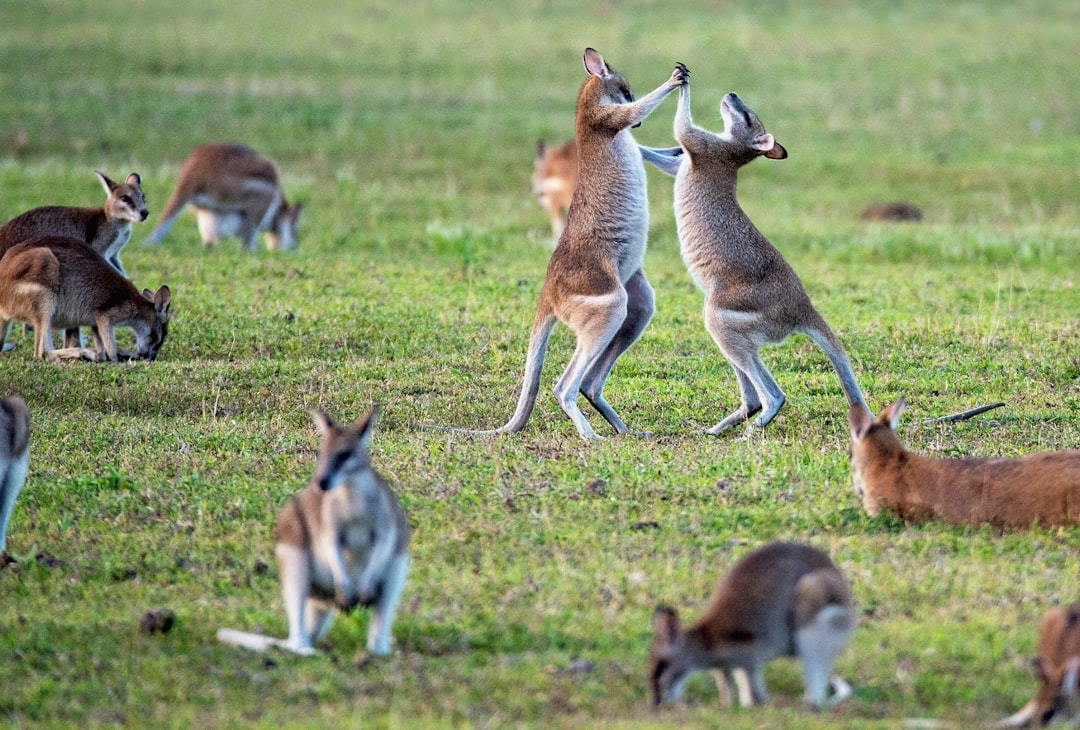
Think of your park entry fee not as a tax, but as a direct donation to the very kangaroos you just photographed. That fee builds the boardwalks over sensitive wetlands, maintains the toilets, and funds the Search and Rescue teams that keep us safe.
Whether you are chasing the latest tips from the cast of Fishing Australia or just looking for a quiet patch of bush to pitch a tent, Australia’s fee structure is designed to facilitate adventure, not inhibit it. With your passes sorted, your offline maps downloaded, and your wallet prepared for the odd surcharge, the only thing left to do is scan the horizon and pick your trail.
Key Takeaways
- Most beaches, bush reserves, and coastal walks are free to access.
- Buy annual National Park passes if visiting more than 3-4 parks; it saves significant money.
- Download permits and offline maps before leaving town due to poor reception.
- Watch out for “booking fees” on campsites, which can add up quickly.
- Fishing licenses vary by state—Queensland is free, while NSW and Victoria require paid licenses.
Frequently Asked Questions
What are the costs for recreational fishing licenses in Australian states?
Fishing license fees vary significantly by state. In New South Wales, a license costs approximately $14 for three days or $36 for a year, covering both freshwater and saltwater. Victoria offers great value with a 3-year license for around $40. However, Queensland is a notable exception where no general recreational fishing license is required, though a Stocked Impoundment Permit is needed for specific dams.
How can I save money on National Park entry fees during a road trip?
If you plan on visiting multiple National Parks in a state, purchasing an Annual Pass is the most cost-effective strategy. For example, in New South Wales, a day pass is roughly $12 per vehicle, but an Annual Pass is around $65 and pays for itself after the sixth visit. Similarly, Western Australia offers an ‘All Parks Pass’ which is highly recommended for stays longer than two weeks.
When is the best time to visit Australia to avoid peak camping fees?
Visiting during the shoulder seasons of autumn (March-May) and spring (September-November) often results in lower fees and better weather. Additionally, many coastal council reserves drop camping fees entirely in winter. For instance, you can often camp for free on the NSW South Coast from June to August if you have a 4WD and are willing to brave cooler nights.
What are the ‘hidden’ costs associated with camping in Australia?
Beyond the nightly rate, you should budget for online booking fees and potential surcharges. Third-party booking agencies often charge a non-refundable fee of $6-$10 per transaction, which can add up to $70 or more over a week of travel. Additionally, be aware of peak holiday surcharges and vehicle access permits for remote areas like K’gari (Fraser Island), which cost around $50-$60 per month.

Be the First to Comment
Sign in to start the conversation.