



What Does 340 Million Years of Geological Patience Look Like From 200 Metres Up?
What does 340 million years of geological patience look like from 200 metres up? It looks like the Blue Mountains at dawn—mist peeling back from sandstone walls that predate dinosaurs, the rock face warming under your palms as the sun crests the Jamison Valley. The Blue Mountains, located approximately 100 kilometres west of Sydney, comprise one of the most accessible and geologically significant climbing destinations on Earth. This ancient sandstone, weathered by countless millennia into dramatic cliffs, overhangs, and cracks, offers something rare in the climbing world: stone that demands you learn its language rather than simply overpowering it. Whether you’re plotting your first Blue Mountains adventure using a detailed Blue Mountains map or catching the train from Central Station for a weekend at Blue Mountains Scenic World before heading to the crags, you’re stepping into a landscape that has shaped Australian climbing culture for generations.
Reading the Stone: Why the Blue Mountains Changed Global Climbing
I learned something humbling on my first day climbing in the Blue Mountains: this sandstone holds moisture differently than any other rock on Earth. The porosity creates unique friction properties that international climbers often mistake for “soft” grades—until they’re hanging off a route three grades below their usual, wondering why they can’t stick the move they’d flash anywhere else.
The Blue Mountains sandstone formed during the Triassic period, when Australia was part of the supercontinent Gondwana. Rivers deposited layer upon layer of sediment that eventually compressed into the distinctive golden rock we climb today. But it’s not just age that matters—it’s the way this stone weathers. Unlike the granite of Yosemite or the limestone of Kalymnos, Blue Mountains sandstone breaks along predictable lines while maintaining surface texture that ranges from glassy-smooth to aggressively coarse.
The 1980s brought a revolution in understanding. International climbers arriving in Australia discovered routes that felt harder than their grades suggested—not because Australian graders were being generous, but because the rock demanded a different style. The Ewbank grading system, developed locally, accounts for factors that international systems sometimes miss: the mental commitment of run-out slab climbing, the technical precision required on tiny edges, the way exposure compounds difficulty.
Why “Best” Deserves Context
Before we go further, an honest admission: declaring anywhere “Australia’s best” climbing is inherently subjective. The Grampians in Victoria offer world-class sandstone with a different character—more pockets, steeper walls, a bouldering culture that rivals anywhere globally. Mount Arapiles presents some of the finest multipitch traditional climbing on the continent. Then there’s the adventure climbing of Tasmania’s dolerite, the sport routes of Nowra, the deep-water soloing potential along sections of the Australian coastline.
This guide centres on the Blue Mountains because it represents something unique: accessible world-class climbing that works for everyone from absolute beginners to elite athletes, all within a two-hour train ride of Australia’s largest city. The infrastructure exists. The community thrives. The seasons cooperate. For most Australian climbers, and visitors from abroad, the Blue Mountains remains the place where relationship with stone deepens over years rather than days.
The Grade Conversation: A Transparent Framework for Every Level
I once watched a V3 boulderer from Canada spend three days working a Blue Mountains grade 19 that locals had assured him was “a soft touch.” By day two, he’d stopped talking. By day three, when he finally clipped the chains, his understanding of Australian grades had fundamentally shifted—not because the grade was wrong, but because the style was foreign to his experience.
Australia uses the Ewbank grading system, where routes receive a single number (starting at 1, currently extending into the mid-30s) that encompasses overall difficulty. Unlike the YDS system’s separation of technical grade and protection rating, or the French system’s clean distinction between difficulty and commitment, Ewbank grades require interpreting context. A Blue Mountains 24 might feel substantially harder than a gym 24 because it includes run-out sections, awkward gear placements, or sustained technical climbing on rock texture you haven’t learned to read.
First-Timers and Indoor Climbers Transitioning Outside
Where to start: Frontiersocks at Katoomba (grades 4-14) offers the gentlest introduction. The approaches are short, the rock quality consistent, and the setting provides classic Blue Mountains atmosphere without the exposure that can overwhelm newcomers.
Specific routes worth knowing:
- “Learning to Fly” (14) – A jug haul that teaches you how Blue Mountains sandstone feels under your fingers. The texture here is friendlier than steeper walls.
- “Kindergarten” (10) – Exactly what the name suggests. Perfect for anyone who’s never tied into a rope outdoors.
- “Frontiersocks” (12) – The area’s namesake route gives you a taste of slightly steeper ground with generous holds.
What you’ll actually struggle with: Trusting your feet on rock feels nothing like gym climbing. The holds don’t hold your hand—you’ll need to learn which edges will take your weight and which are just decoration. Also, the approach to Frontierssocks involves a short but steep scramble that can unnerve confident indoor climbers.
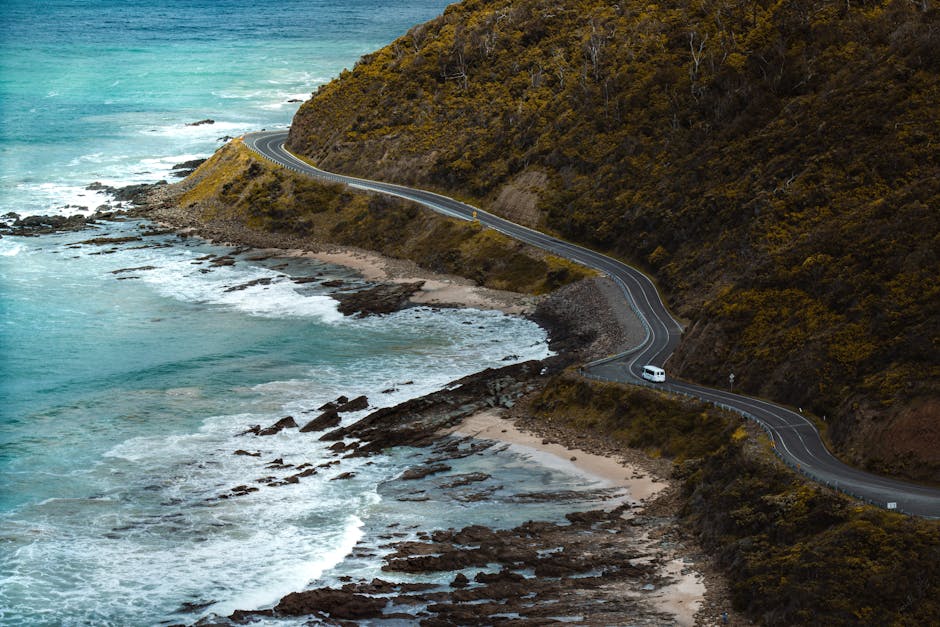
Your reward moment: Lowering off your first outdoor route, looking across the valley to where the Cliff Drive threads between cliff and rainforest, realising you’ve just climbed on stone older than anything you’ve ever touched.
Intermediate Climbers (Grades 18-24)
Where to progress: Porters Pass and Beyers Peak offer the concentration of quality routes that makes progression feel natural. You can move from route to route without lengthy approaches, and the difficulty increases in manageable increments.
Specific routes worth knowing:
- “Sweet and Sour” (19) – A technical face that demands precise footwork. Many climbers rate this as the route that taught them to trust small edges.
- “Rebel Without a Pause” (21) – The name hints at the sustained nature. You won’t find a no-hands rest, but you will find movement that flows if you let it.
- “Savages” (24) – Your entry point to “real” Blue Mountains climbing. The crux involves a sequence that reads differently from the ground than it feels on the wall.
What you’ll actually struggle with: The mental game. Blue Mountains routes often include sections where gear sits further apart than you’d like, or where the best holds lead away from the optimal line. Reading the stone—understanding which crystals will bite and which are polished smooth—takes repetition.
Your reward moment: Sending your first 22 at Porters Pass as the late afternoon light turns the sandstone gold, hearing the distinct call of a lyrebird from the gully below.
Advanced and Elite Climbers (Grades 25+)
Where to test yourself: Shipley Upper and the Blackheath walls. The grades here stretch into the 30s, and the style demands everything: power, endurance, technical precision, and the mental fortitude to commit to sequences above small gear.
Specific routes worth knowing:
- “Sweet Dreams” (32) – I’ve watched climbers work the compression sequence at Shipley Upper across multiple seasons. The movement doesn’t translate on video—you need to feel how the hold texture changes with temperature, how the angle forces your body into positions that look awkward until you find the balance point.
- “The Edinburgh Diamond” (30) – Technical face climbing at its finest. The gear is good, but the moves require commitment.
- “German Shepherd” (28) – A power-endurance testpiece that has humbled climbers who tick 30s elsewhere.
What you’ll actually struggle with: The style transfer. If you learned to climb on steep limestone, the vertical-to-gently-overhanging Blue Mountains terrain requires a different movement vocabulary. You’ll need patience—projects here often take seasons, not sessions.
Your reward moment: Standing atop a multi-pitch route on the Blackheath walls as a wedgetail eagle rides thermals at your eye level, the whole Blue Mountains plateau spreading beneath you like a rumpled quilt.
The Approaches: What Guidebooks Don’t Tell You
Three of the five most popular approach tracks have rerouted since the 2023 fires. I’ll give you current directions, but acknowledge that by 2027, some of this will have changed again. The locals at Blue Mountains Climbing School in Katoomba usually have the most current beta—worth checking before you commit to a new area.
Blackheath Area: Car-to-Climb Reality
The Blackheath walls offer some of the best climbing in the Blue Mountains, but the logistics require planning. The car park at the end of Hillcrest Avenue fills by 7am during peak season (April through June, September through November). If you arrive after 8am on a Saturday in May, expect to park several hundred metres back and walk.
The approach times listed in older guidebooks assume dry conditions and familiarity with the track. Add 50% if it’s rained recently (muddy sections slow everything down) and another 30% if it’s your first time. A “15-minute approach” can easily stretch to 25 minutes of careful foot placement on slick stone.
The local café that actually works for climbers: The Anonymous Cafe in Blackheath opens at 6am on weekends during climbing season—early enough for a pre-dawn coffee before walking in. They know what “alpine start” means and won’t look at you strangely for ordering a long black at 6:15am.
Katoomba to Wentworth Falls: Tourist Traffic Realities
Here’s what nobody mentions in guidebooks: Blue Mountains Scenic World crowds affect your climbing schedule. Between 10am and 3pm, the Cliff Drive becomes a slow-moving convoy of tourist vehicles. If you’re climbing at areas accessed via the Scenic World area, plan to arrive before 9am or after 4pm.
The hidden approaches exist. Local climbers have established tracks that bypass the worst tourist congestion, but these require local knowledge—they’re not marked, they sometimes cross private property (with tacit landowner permission that depends on climbers behaving respectfully), and GPS coordinates in older guides are frequently wrong because trackheads shift after fire season and heavy rain.
My Navigation Confession
I’ve climbed here for fifteen years and still get lost approaching new crags. Last season, I followed an old guide’s directions to a newly-developed wall near Mount Victoria, only to discover the track had been washed away in a storm event. The detour led me through unexpected scrub—and to a beautiful new line that became my project for the next three months. The Blue Mountains still holds secrets. Sometimes getting lost is the point.
When the Stone Talks Back: Conditions, Seasons, and Safety
Let me tell you about a Thursday in January when a summer thunderstorm taught me respect for Blue Mountains weather. The forecast called for a slight chance of afternoon showers. By 11am, I was three pitches up a classic route, enjoying perfect conditions. At 11:45am, I noticed the distant rumble. By 12:15pm, the sky had darkened from blue to charcoal. At 12:30pm, lightning struck a tree less than 200 metres from my position while I huddled on a ledge, rope system awkwardly rigged for an emergency descent.
The Blue Mountains weather can turn faster than almost anywhere I’ve climbed. The escarpment creates its own microclimate, and storm systems that miss Sydney entirely can dump rain on Katoomba. The lesson: always have an escape plan, and always check the Bureau of Meteorology’s detailed Blue Mountains forecast, not just the Sydney prediction.
Seasonal Breakdown: When to Climb
Autumn (March to May): The golden season. Stable high-pressure systems deliver week after week of perfect conditions. Days are warm enough for comfortable climbing, nights cool enough to keep friction optimal. The deciduous trees in the valleys turn gold, making the views even more spectacular. Book accommodation early—this is peak season.
Winter (June to August): Cold, crisp, and excellent for hard climbing. The friction never gets better than a 4°C morning on south-facing rock. Downsides: short days (you’ll want to be off by 4pm for safety), and the south-facing walls never receive direct sunlight. Many climbers prefer north-facing areas during winter months.
Spring (September to November): Variable. You’ll get glorious days and you’ll get rain events that last a week. The advantage: fewer crowds than autumn. Check forecasts religiously and have backup plans for rest-day activities in Katoomba.
Summer (December to February): Possible but challenging. North-facing walls become unbearably hot. Humidity reduces friction on already-polished holds. Afternoon thunderstorms are common. If you must climb in summer, start before dawn and target south-facing walls or shaded gullies. Always be prepared to bail.
The Safety Conversation
Rockfall timing: Spring thaw and heavy rain events destabilise loose blocks. The freeze-thaw cycle loosens stone that appeared solid the previous season. Helmets aren’t optional here—they’re essential. Wear one, and if you hear any cracking or shifting sounds, move immediately.
Wet rock danger: Blue Mountains sandstone loses significant strength when saturated. Holds that feel bomber in dry conditions can snap under load after rain. The local rule: wait 24 hours after light rain, 48 hours after heavy rain. Some steep, well-protected sport routes can be climbed sooner, but traditional routes on less-steep terrain need the full drying time.
Rescue realities: The Blue Mountains has a well-equipped volunteer rescue service, but extraction from cliff faces takes time. If you’re climbing in remote areas, carry a Personal Locator Beacon (PLB) and know that helicopter evacuation isn’t always possible due to weather or terrain. Self-rescue skills matter here more than in gym-adjacent sport climbing areas.
When to Use a Guide
For your first season, consider hiring an accredited guide through the Blue Mountains Climbing School or similar established providers. The investment pays off in accelerated learning and risk management. Be aware that some “guides” operating in the area are simply climbers with insurance—look for certification through the Australian Climbing Instructors Association or equivalent bodies.
A good guide doesn’t just take you up routes—they teach you to read the stone, understand the weather, and develop the judgment that keeps you safe when you’re climbing independently. Ask potential guides about their qualifications, their familiarity with the specific areas you want to climb, and their teaching philosophy.
Your First Six Months: A Progression Roadmap
The Blue Mountains rewards commitment. A single trip gives you a taste; six months gives you the beginning of understanding. Here’s how to structure your first half-year.
Months 1-2: Building Tolerance
Spend this time at Frontiersocks and the easier routes at Porters Pass. Your goals are:
- Transition from indoor to outdoor climbing smoothly
- Develop an intuitive sense for rock texture and friction
- Learn to place and trust gear on easy terrain
- Understand how your body responds to exposure
Climb two to three times per week if possible. The repetition builds the specific fitness that Blue Mountains climbing demands—finger strength on small edges, shoulder endurance for sustained vertical terrain, the mental stamina for longer routes.
Months 3-4: Transition Territory
Move into the 18-21 grade range at Porters Pass and begin exploring the entry-level routes at Blackheath. Your goals expand to:
- Completing routes at your grade without hangs or falls
- Leading routes on gear (if traditional climbing interests you)
- Developing efficient approach navigation
- Understanding seasonal conditions and how they affect your
Frequently Asked Questions
Where should beginner climbers start in the Blue Mountains?
Frontiersocks at Katoomba offers the gentlest introduction with grades 4-14, short approaches, and consistent rock quality. Key beginner routes include ‘Learning to Fly’ (grade 14) for experiencing sandstone texture, ‘Kindergarten’ (grade 10) for first-time outdoor climbers, and ‘Frontiersocks’ (grade 12) for slightly steeper ground. The setting provides classic Blue Mountains atmosphere without overwhelming exposure, making it ideal for indoor climbers transitioning outdoors.
How do Australian Ewbank grades compare to international climbing grades?
Australia uses the Ewbank grading system where routes receive a single number (1 to mid-30s) encompassing overall difficulty. Unlike the YDS or French systems, Ewbank grades require interpreting context—a Blue Mountains grade 24 might feel harder than a gym 24 because it includes run-out sections, awkward gear placements, or sustained technical climbing on unfamiliar rock texture. International climbers often find Blue Mountains routes feel harder than their suggested grades until they adapt to the local style.
When is the best season for rock climbing in the Blue Mountains?
Autumn (March to May) is the golden season with stable high-pressure systems delivering week after week of perfect conditions, warm days and cool nights for optimal friction. Winter (June to August) offers excellent friction on cold 4°C mornings, ideal for hard climbing on north-facing walls. Spring (September to November) is variable with fewer crowds, while summer (December to February) is challenging due to heat, humidity, and afternoon thunderstorms—start before dawn if climbing in summer.
How long should I wait to climb after rain in the Blue Mountains?
Blue Mountains sandstone loses significant strength when saturated, and holds that feel solid in dry conditions can snap under load after rain. The local rule is to wait 24 hours after light rain and 48 hours after heavy rain before climbing. Some steep, well-protected sport routes can be climbed sooner, but traditional routes on less-steep terrain need the full drying time for safety.
What does it cost to access Blue Mountains climbing areas?
Access to Blue Mountains climbing is free, with the area located approximately 100 kilometres west of Sydney—about a two-hour train ride from Central Station. Car parking at popular areas like Blackheath fills by 7am during peak season (April-June, September-November), so arrive early. Consider hiring an accredited guide through Blue Mountains Climbing School for your first season—look for certification through the Australian Climbing Instructors Association for qualified instruction.



Be the First to Comment
Sign in to start the conversation.