
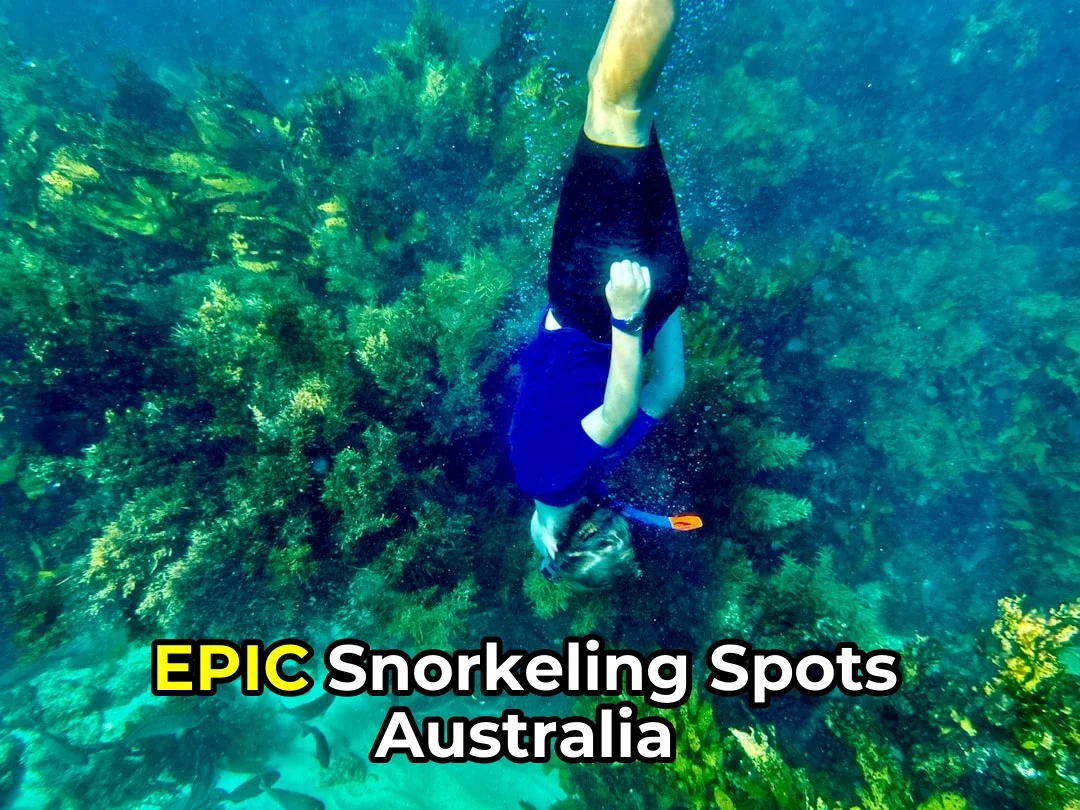
The cool saltwater tickles your neck as you slip beneath the surface, sunlight dancing through ripples above while below, a kaleidoscope of parrotfish dart between coral formations. This is the moment you’ve been waiting for—the magical transition from traveler to witness of Australia’s underwater wonderland. From the crystal-clear waters of Ningaloo Reef in Western Australia to the vibrant ecosystems of the Great Barrier Reef in Queensland, Australia offers some of the world’s most spectacular snorkeling experiences, supported by facilities ranging from basic beach access points to fully-equipped marine centers.
The Reef Compass: Charting Australia’s Snorkeling Landscape
Australia’s coastline is a snorkeler’s paradise, with facilities varying dramatically from location to location. In the north, the Great Barrier Reef offers numerous access points with comprehensive facilities. Towns like Cairns, Port Douglas, and Airlie Beach serve as gateways to this natural wonder, where you’ll find dive shops offering equipment rental, guided tours, and underwater photography services. These facilities typically include certified instructors, safety equipment, and often include transfers to reef locations.
Heading west, Ningaloo Reef presents a different snorkeling experience. Here, facilities are more limited but often more authentic. Exmouth and Coral Bay offer basic amenities with several operators providing gear hire and boat tours to swim with whale sharks during their season (March to July). The beauty of Ningaloo lies in its accessibility—much of the reef can be reached by simply wading from shore, with basic facilities available at key access points.
Regional Highlights
- Queensland: The Great Barrier Reef’s outer reef locations offer premium facilities with pontoons, underwater viewing chambers, and semi-submersible tours
- Western Australia: Ningaloo Reef’s shore-based snorkeling spots with basic facilities but extraordinary marine encounters
- New South Wales: Jervis Bay and Lord Howe Island offer good facilities with protected bays ideal for family snorkeling
- Tasmania: Freycinet Peninsula and Maria Island offer basic facilities but unique temperate water snorkeling experiences
Local Wisdom: Secrets from the Shoreline
Local residents across Australia’s snorkeling hotspots share a common piece of advice: time your visits for early morning when marine activity is highest and facilities are less crowded. This approach offers the dual benefit of better wildlife sightings and easier access to equipment rental services.
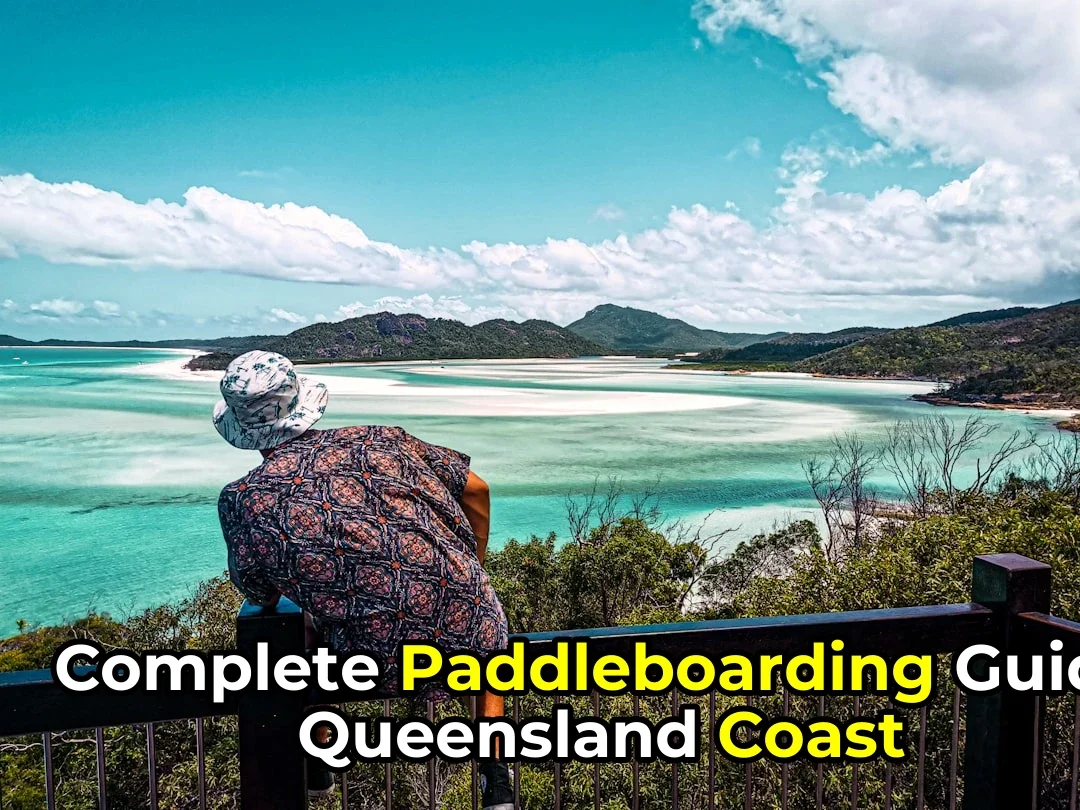
Across Queensland’s Whitsunday Islands, locals recommend avoiding the main tourist hubs during peak season. Instead, they suggest visiting lesser-known spots like Hook Island’s Maureen’s Cove, which offers basic but adequate facilities and significantly fewer crowds.
Timing the Tides: When and Where to Snorkel
Seasonal timing dramatically impacts both snorkeling conditions and facility availability across Australia. The dry season (roughly April to October) offers the most reliable conditions in tropical regions, with calmer waters and better visibility. This period also coincides with peak tourist season, meaning facilities will be fully operational but potentially crowded.
In contrast, the wet season (November to March) brings fewer tourists but presents challenges like potential stingers, rougher seas, and the possibility of some facilities closing temporarily due to weather conditions. However, this is often when marine life is most active, with coral spawning events creating spectacular underwater displays.
Seasonal Considerations by Region
- Queensland (Great Barrier Reef): Best May-September for visibility and calm waters. July-September offers the chance to see minke whales. Facilities are fully operational year-round but may reduce capacity during weather events.
- Western Australia (Ningaloo): March-July for whale shark encounters. October-November offers coral spawning. Facilities are more limited during the wet season (December-March).
- New South Wales: November-April for warmest water, though visibility can be variable. Winter (June-August) offers clearer water but requires wetsuits.
- Tasmania: December-March for the warmest conditions, though summer is peak tourist season with higher facility usage.
Beyond the Basics: Facilities That Enhance Your Experience
Australian snorkeling facilities have evolved significantly in recent years, offering much more than just gear rental. Many operators now provide underwater photography services, marine biology presentations, and guided eco-tours that enhance the snorkeling experience. These value-added services can transform a simple swim into an educational adventure.
For families traveling with children, look for facilities that offer shallow, protected areas with calm conditions. Many Queensland and New South Wales locations now have dedicated family snorkeling zones with amenities like change rooms, showers, and shaded picnic areas.
Essential Equipment Considerations
While rental equipment is widely available, serious snorkelers might consider bringing their own mask and snorkel for optimal comfort and fit. Australian facilities typically offer quality rental gear, but personal items like rash shirts (essential for sun protection) and underwater cameras are often better brought from home or purchased locally before heading to remote locations.
Key Takeaways
- Australia offers diverse snorkeling experiences with facilities ranging from basic beach access points to fully-equipped marine centers
- Early morning snorkeling provides the best marine sightings and less crowded facilities
- Seasonal timing affects both conditions and facility availability—research the best time for your chosen destination
- Check environmental credentials when selecting operators to ensure sustainable practices
- Bring personal comfort items like rash shirts, even though quality rental gear is widely available
Whether you’re a first-time snorkeler or an experienced underwater explorer, Australia’s diverse marine environments offer something for everyone. With facilities ranging from basic to comprehensive, and experiences ranging from easily accessible shore snorkeling to remote reef adventures, the key is matching your expectations with the available amenities. The underwater world awaits—mask, snorkel, and sense of adventure ready!
Frequently Asked Questions
What facilities are available at Ningaloo Reef compared to the Great Barrier Reef?
Ningaloo Reef in Western Australia offers more limited but authentic facilities with basic amenities at key access points like Exmouth and Coral Bay. Operators provide gear hire and boat tours for whale shark encounters (March-July). In contrast, the Great Barrier Reef in Queensland features comprehensive facilities with dive shops offering equipment rental, guided tours, and underwater photography services, including certified instructors and transfers to reef locations.
How do seasonal conditions affect snorkeling facilities in Australia?
Seasonal timing dramatically impacts facility availability. The dry season (April-October) offers reliable conditions with fully operational facilities but potentially crowded areas. The wet season (November-March) brings fewer tourists but challenges like stingers, rougher seas, and potential temporary facility closures. In Queensland, facilities operate year-round but may reduce capacity during weather events. In Western Australia, facilities are more limited during the wet season (December-March).
What value-added services do Australian snorkeling operators offer?
Australian snorkeling facilities have evolved beyond basic gear rental to offer enhanced experiences including underwater photography services, marine biology presentations, and guided eco-tours that transform simple swimming into educational adventures. Many operators participate in eco-certification programs ensuring sustainable practices with reef-safe sunscreen policies, mooring systems, and limited group sizes. Family-friendly locations often feature dedicated shallow zones with amenities like change rooms, showers, and shaded picnic areas.
What should I consider when choosing snorkeling equipment and operators in Australia?
While rental equipment is widely available across Australia, consider bringing your own mask and snorkel for optimal comfort and fit. Rash shirts are essential for sun protection and are better brought from home. When selecting operators, check environmental credentials for sustainable practices. Most reputable facilities provide safety briefings and employ lifeguards during peak season. Costs vary by location – Queensland’s Great Barrier Reef offers premium facilities with pontoons and viewing chambers, while Western Australia’s Ningaloo provides more basic but authentic experiences at shore-based access points.

Be the First to Comment
Sign in to start the conversation.