
The First Breath: What Nobody Tells You About Starting
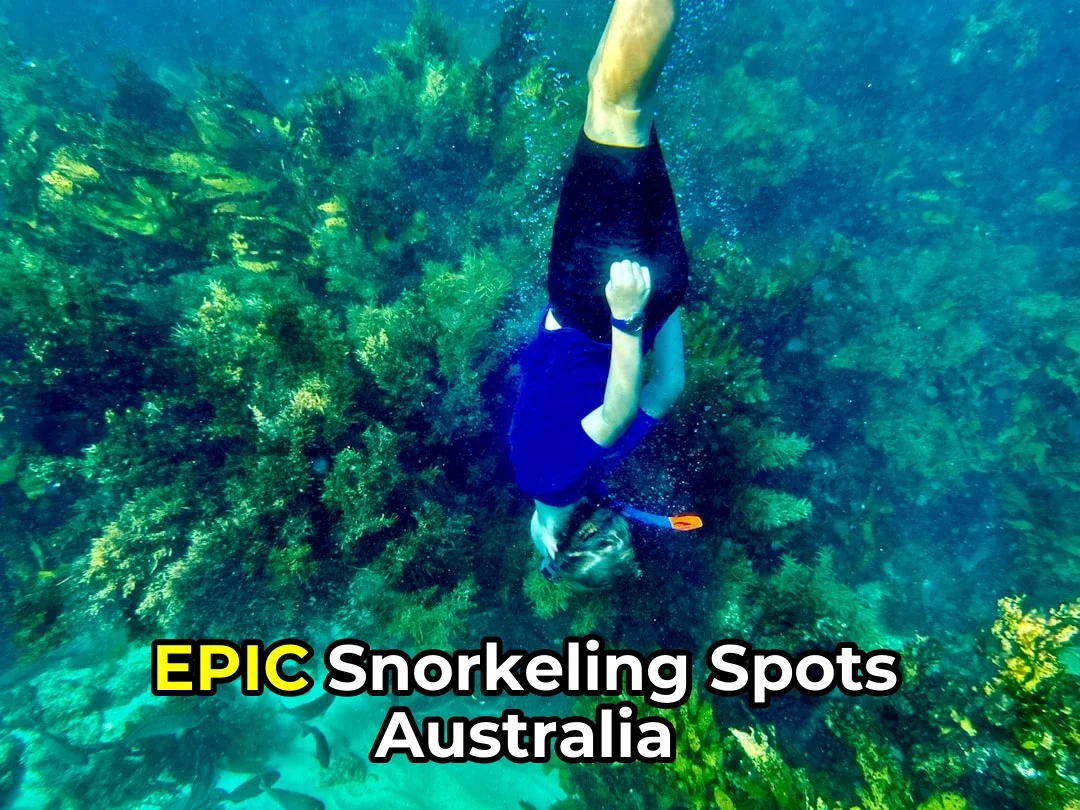
Salt water fills your ears and the world goes quiet. That first breath through a snorkel tube feels wrong—your brain registers it as breathing underwater, which evolution spent millions of years teaching your ancestors not to do. Your chest tightens. There’s a slight resistance with each inhale, a conscious trust exercise between you and a piece of moulded silicone. Then you put your face below the surface, and a coral canyon appears like a hidden city. Sunlight fractures into ribbons across white sand twelve metres below. A clownfish darts into anemone tendrils, and suddenly the panic dissolves into wonder.
This isn’t the Maldives or Hawaii. It’s Julian Rocks off Byron Bay, accessible to anyone with $30 of rental gear and the courage to put their face in the water. This accessibility is precisely what makes snorkeling extraordinary among outdoor water sports Australia offers—no certificates required, no expensive equipment, no boat necessary at many locations. Just you, the ocean, and 35,000 kilometres of coastline waiting to be explored.
The Psychology of Breathing Through a Tube
Here’s what every beginner experiences but few instructors explain: the panic is normal. Your brainstem treats breathing through a tube as a threat. The solution isn’t force—it’s familiarity. Three minutes of floating face-down in shallow water, breathing slowly, rewires that response. The best water sports Australia experiences begin with mastering those 30 seconds of calm.
The mask squeeze catches people off guard too. Descend even two metres without equalising the air space against your face, and you’ll feel pressure building around your eyes and sinuses. The fix is simple: exhale slightly through your nose into the mask. Not a blow—just a gentle release. The pressure equalises instantly.
And fitness? Far less than people assume. Snorkeling is floating, not swimming. A reasonably healthy person who can tread water for five minutes can snorkel. The caveat: comfort in water matters more than cardiovascular capacity. If you’re tense, you’ll breathe rapidly, fog your mask, and exhaust yourself within minutes. If you’re calm, you can drift for hours.
At Ningaloo Reef, a 58-year-old woman named Margaret wept into her mask—not from fear, but from the overwhelming beauty of a manta ray passing beneath her. She’d never snorkeled before. Her instructor had spent twenty minutes in knee-deep water helping her breathe through the tube. That patience transformed her holiday into something she describes as “the moment I finally understood why people travel.”
Reading the Blue: Australia’s Snorkeling Geography Decoded
Australia’s snorkeling destinations organise themselves by water personality, not just latitude. Understanding these personalities helps you choose experiences that match your skill level and expectations.
The Tropical Theatre: Queensland and Northern Western Australia
The Great Barrier Reef dominates conversation about Australian snorkeling, and deservedly so—it’s the world’s largest coral reef system, visible from space, containing roughly 400 coral species and 1,500 fish species. But the “best water sports Australia” conversation often overlooks a crucial detail: accessibility varies enormously.
Cairns offers the most infrastructure. Day boats depart hourly for the outer reef, carrying hundreds of snorkelers to permanent pontoon platforms. It’s efficient but crowded. For a more intimate experience, Port Douglas operators access the Agincourt Reef system with smaller group sizes. Expect to pay $200-300 for a quality day trip including gear and lunch.
But here’s the secret among outdoor water sports Australia enthusiasts: Ningaloo Reef often outperforms the Great Barrier Reef for beginners. Why? Shore access. At Turquoise Bay near Exmouth, you walk into the water from the beach and drift over coral gardens within fifty metres. No boat. No seasickness. No scheduling. Just you and a current that carries you gently along the reef edge before you wade out at the sandbar downstream.
Stinger season (November to May in tropical Queensland) requires full-body lycra stinger suits. They look unflattering and feel strange initially, but the protection against box jellyfish and Irukandji is non-negotiable. Most tour operators include them in their prices. At Ningaloo, stingers are less common but still present—local advice should guide your decision.
The Temperate Surprise: Southern Australia
International snorkeling guides often ignore southern Australia entirely. This is their loss—and your gain if you’re willing to embrace cooler water.
Tasmania’s kelp forests create cathedral-like environments unlike anything in the tropics. At Fortescue Bay and the Tinderbox Marine Reserve, water temperatures hover around 12-16°C even in summer. A 5mm wetsuit is essential. But what you’ll see justifies the chill: weedy seadragons drifting like floating seaweed (their camouflage is extraordinary), massive jelly blooms in spring, and lobster populations that have recovered dramatically within protected zones.
Victoria’s marine sanctuaries offer similar rewards. Ricketts Point near Melbourne provides an easy entry point for temperate-water beginners—shallow, protected, and accessible by public transport. The leafy seadragon (cousin to the weedy, more ornate, harder to find) appears at Rapid Head and other locations along the Fleurieu Peninsula for those willing to venture further.
The Tropical-Temperate Overlap: New South Wales and Southwest Western Australia
Where the Leeuwin Current meets the East Australian Current, extraordinary things happen. Marine biologists love these convergence zones because tropical species appear far south of their expected range.
Julian Rocks Nguthungulli Nature Reserve at Byron Bay exemplifies this overlap. In a single snorkel, you might encounter tropical angelfish alongside temperate blue gropers, grey nurse sharks (harmless, despite the name) patrolling deeper areas, and green turtles resting under ledges. Water visibility varies from 10-30 metres depending on season and recent rainfall.
Lord Howe Island, 600 kilometres off Port Macquarie, represents the ultimate convergence experience. The southernmost coral reef in the world meets temperate kelp communities. It’s expensive to reach (approximately $900 return flights from Sydney) and accommodation is limited, but for serious snorkelers, it represents Australia’s most pristine accessible reef environment. Book 6-12 months ahead.
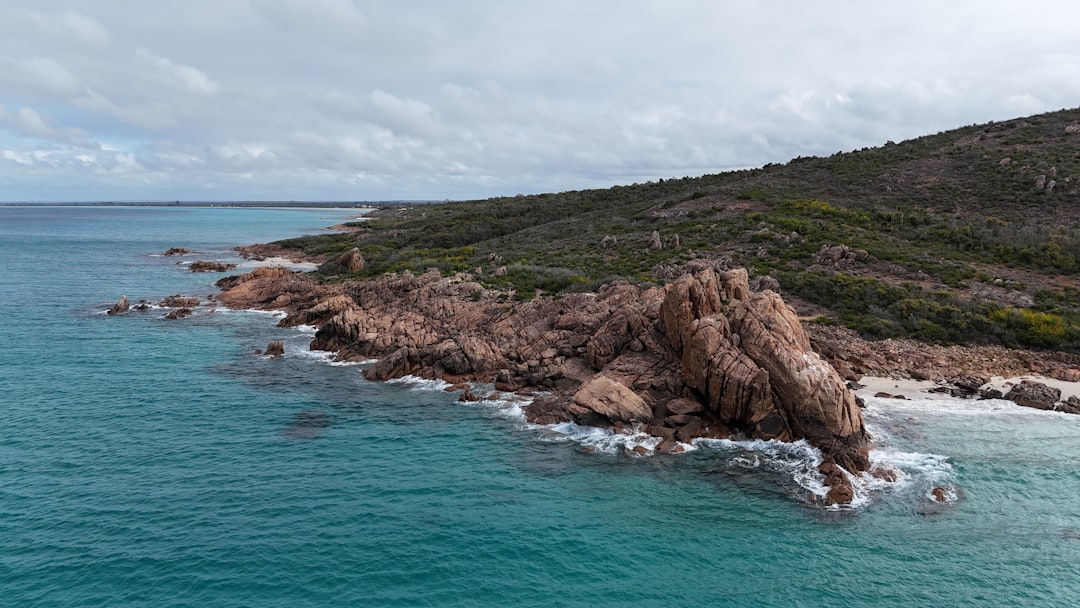
For those seeking ultimate watersports Perth experiences, Rottnest Island delivers reliably. Just 25 minutes by ferry from Fremantle, the island offers multiple snorkel sites accessible from shore. The Basin provides calm, shallow water perfect for beginners, while more advanced sites like Parker Point offer greater diversity. Little Salmon Bay ranks among Western Australia’s best shore-accessible coral gardens.
Progression Pathways: From Floating to Flying
Snorkeling skill develops through distinct stages. Understanding these stages helps you choose locations that challenge without overwhelming.
Level 1: Confidence Building
Your first snorkels should prioritise three conditions: zero current, high visibility, and shallow depth. This isn’t about seeing the most spectacular marine life—it’s about building comfort and competence.
Magnetic Island’s Geoffrey Bay exemplifies Level 1 perfection. Drive or bus to the beach, walk in, and float over coral bommies in 2-4 metres of water. The wreck of the “City of Adelaide” provides structure for fish aggregation, and local turtles frequently visit. Water clarity reaches 15+ metres in dry season (April-September). There’s no current to fight, no depth to fear, and the shoreline remains visible at all times.
Other Level 1 locations include:
- Green Island (Cairns): Offshore platform with lifeguards, freshwater showers, and shallow lagoon snorkeling. Ideal for families with anxious beginners.
- The Basin (Rottnest Island): Naturally enclosed by rock formations, creating pool-like conditions with fish life.
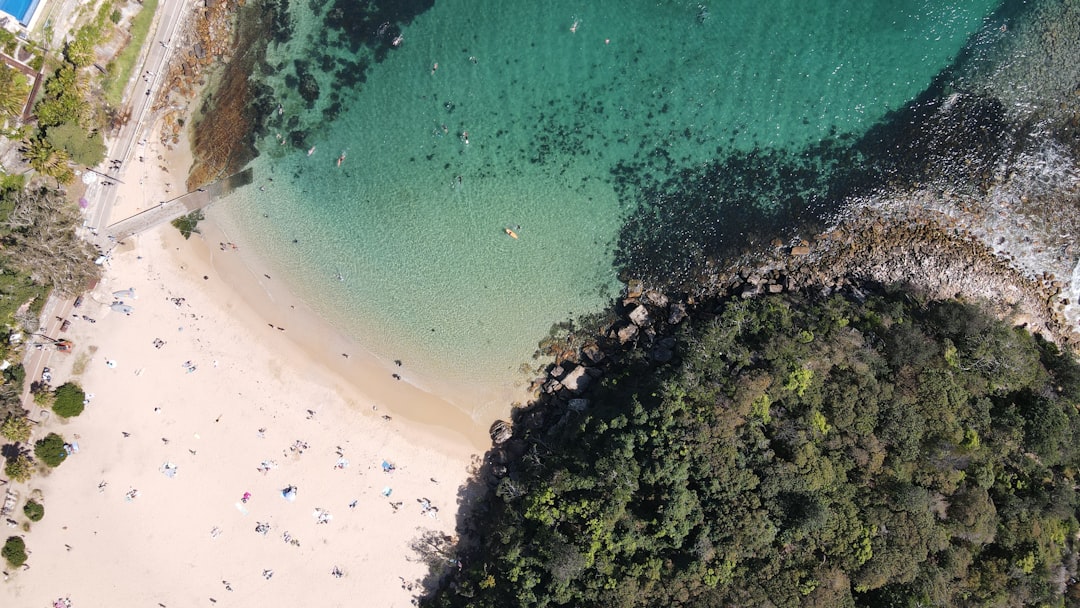
- Shelley Beach (Manly, NSW): Protected within Cabbage Tree Bay Aquatic Reserve, shallow and usually calm.
- Turquoise Bay (Exmouth): Despite offering world-class reef, the sandy entry and clear visibility make it suitable for confident beginners.
Level 2: Current Riding
Once you’re comfortable floating and breathing, drift snorkeling introduces dynamic water without requiring swimming fitness. The current does the work; you control position and observe.
The Exmouth Navy Pier ranks among Australia’s most extraordinary snorkel experiences—and it requires current awareness. The structure attracts extraordinary fish density: 200+ species recorded, including large cod, trevally schools, and regular turtle visits. Entry involves a giant stride from the boat, then you circumnavigate the pylons at your leisure. The return boat picks you up. Current varies from negligible to moderate. The experience costs around $120 including gear and guide.
Drift snorkeling at places like Lizard Island’s Clam Gardens teaches you to read water movement. You’ll learn to identify eddies where fish shelter, to anticipate current direction changes around reef structures, and to conserve energy by working with rather than against water flow.
Level 3: Deep Water Comfort
Open ocean confidence represents snorkeling’s advanced tier—floating over water depths where bottom visibility disappears, encountering larger marine life, and managing the psychological aspects of “nothing beneath me but blue.”
The Whitsunday islands offer accessible deep-water experiences. Day trips to Blue Pearl Bay on Hayman Island include snorkeling over coral slopes where the bottom drops from 5 metres to 30+ metres. The fish life intensifies at the drop-off—larger species patrol the deeper water, including coral trout, sweetlips, and the occasional reef shark.
For those drawn to big animal encounters, Ningaloo’s whale shark season (March-July) and humpback whale season (August-October) offer snorkeling alongside the ocean’s largest inhabitants. These are guided experiences requiring advance booking ($350-450) and reasonable fitness—you’ll need to swim 50+ metres to reach animals. The reward: floating three metres from a 12-metre whale shark, watching its spotted pattern move with muscular grace.
From here, many snorkelers cross into free-diving. The skills transfer directly: breath-hold comfort, equalisation, underwater calm. Free-diving courses in Australia typically cost $300-500 and open access to deeper reef systems, wreck penetration (where legally permitted), and more intimate wildlife encounters.
The Marine Briefing: Understanding What You’re Seeing
Snorkeling transforms when you can identify what you’re observing. The underwater world shifts from “lots of colourful fish” to “ah, that’s a butterflyfish, which means coral health is good here.”
Five Fish Families You’ll Encounter Everywhere
Butterflyfish: Thin, disc-shaped, often bright yellow with distinctive patterns. They’re obligate coral eaters—their presence indicates healthy coral. If you see abundant butterflyfish, the reef ecosystem is functioning.
Parrotfish: Large, colourful, with fused teeth that resemble a parrot’s beak. You’ll hear them before you see them—the crunching as they bite coral is audible underwater. They’re essential for reef health, converting coral skeleton into sand. A single parrotfish produces approximately 320 kilograms of sand per year.
Surgeonfish: Oval-shaped, often blue or brown, with a scalpel-like spine near the tail (hence the name). They school in mid-water and graze on algae. The distinctive yellow variety at the Great Barrier Reef—Convict Surgeonfish—forms schools numbering in the thousands.
Wrasse: Diverse family ranging from tiny cleaner wrasse (you’ll see them operating cleaning stations where larger fish queue for parasite removal) to massive humphead wrasse reaching two metres. Most change colour and pattern dramatically as they mature.
Damselfish: Small, territorial, often abundant. The orange clownfish (technically a damselfish subfamily) lives in anemones, but most damselfish are drab and unremarkable—until you notice their behaviour. They’re the gardeners of the reef, cultivating algae patches and defending them fiercely.
Reading Coral Health
Coral bleaching receives significant media attention, but understanding what healthy versus stressed coral actually looks like enhances any snorkel experience.
Healthy coral displays vibrant colour derived from symbiotic algae (zooxanthellae) living within the coral tissue. Bleached coral has expelled these algae due to heat stress, appearing stark white. It’s not dead yet—but it’s starving. Coral recovery is possible if conditions improve within weeks. Dead coral becomes covered in algae, appearing brown or green with fuzzy texture.
The good news: Australia’s marine parks protect extensive areas where coral health remains good. Remote sections of Ningaloo, the far northern Great Barrier Reef, and various sanctuary zones show resilience. Your snorkelling visits generate economic value that supports conservation.
Seasonal Visitors: When to See What
Understanding seasonal patterns maximises wildlife encounters:
- Whale sharks (Ningaloo): March-July, with peak April-May
- Humpback whales (Ningaloo, east coast): June-November, with swimming experiences August-October in Exmouth
- Manta rays (Ningaloo, Lady Elliot Island): Year-round, but aggregation behaviour peaks May-August
- Turtle nesting/hatching: November-March at Mon Repos (Bundaberg), Ningaloo, and various sites. Snorkeling with turtles occurs year-round at feeding areas.
- Coral spawning: A spectacular phenomenon occurring 2-6 nights after the full moon in November-December (outer reef trips offer night snorkels during this window)
Wildlife Encounter Etiquette
Touching marine life harms it—not through moral judgement but through physical reality. The mucus layer on fish and coral protects against infection; your fingers remove it. Turtles surfacing to breathe interrupted by tourists can’t simply “wait”—they need to reach the surface. Mantas and whale sharks filter-feed on plankton; blocking their path forces energy-consuming course corrections.
The scientifically-supported guideline: maintain 3 metres distance from large animals, 1 metre from coral and smaller fish. Let animals approach you if they choose—mantas sometimes investigate snorkelers out of curiosity. When they initiate contact, it’s on their terms.
The Practical Ledger: Equipment, Cost, and Planning
What to Rent vs. Buy
The mask matters more than you think. A properly fitting mask creates a seal against your face without needing to pull the strap tight. Test this without the strap: press the mask gently against your face, inhale slightly through your nose, and it should stay in place. If it falls, try a different style. Face shapes vary; what works for your friend may leak constantly for you.
For occasional snorkeling, renting makes sense. Quality operators maintain good gear. For anyone planning more than three snorkels per year, purchasing your own mask ($50-150) and perhaps a snorkel ($20-50) transforms the experience. Your own mask means consistent fit, no fogging from previous users’ residue, and hygiene certainty.
Fins matter less. Comfortable foot pockets and appropriate stiffness help, but rental fins at established operations are generally adequate. If buying, choose shorter travel fins for ease of packing unless you’re planning strong-current snorkeling where longer blades provide advantage.
Real Cost Breakdown
Budget frameworks for Australian snorkel experiences (2026 pricing):
- Shore-based independent snorkeling: $30-60/day (mask/snorkel/fin rental plus transport to site)
- Day boat to inner reef: $150-250 (includes gear, lunch, multiple sites)
- Day boat to outer reef/premium sites: $250-350 (longer travel, better visibility, smaller groups)
- Whale shark swim (Ningal
Frequently Asked Questions
What makes Ningaloo Reef better than the Great Barrier Reef for snorkelling beginners?
Ningaloo Reef offers superior shore access compared to the Great Barrier Reef. At Turquoise Bay near Exmouth, you can walk into the water from the beach and drift over coral gardens within 50 metres—no boat, no seasickness, and no scheduling required. Ningaloo is Australia’s largest fringing reef, meaning it grows directly from the shoreline rather than forming offshore barrier systems. This geography creates the shore-access advantage that makes it ideal for independent exploration, whilst Great Barrier Reef trips typically require $200-300 day boats to reach snorkel sites.
How do I overcome the panic of breathing through a snorkel for the first time?
The panic is completely normal—your brainstem treats breathing through a tube as a threat. The solution isn’t force but familiarity. Spend three minutes floating face-down in shallow water, breathing slowly, to rewire that response. The best water sports Australia experiences begin with mastering those 30 seconds of calm. Additionally, learn to equalise your mask when descending: exhale slightly through your nose into the mask to relieve pressure around your eyes and sinuses. Comfort in water matters more than fitness—if you’re calm, you can drift for hours.
When is the best time to swim with whale sharks and manta rays at Ningaloo Reef?
Whale shark season runs from March to July at Ningaloo, with peak months in April-May. These guided experiences cost $350-450 and require reasonable fitness to swim 50+ metres to reach animals. Humpback whale swimming experiences are available from August to October. Manta rays can be seen year-round at Ningaloo and Lady Elliot Island, but aggregation behaviour peaks from May to August. Book well in advance for whale shark encounters as these popular tours fill quickly during peak season.
What are the real costs for snorkelling experiences across Australia?
Shore-based independent snorkelling costs $30-60 per day including mask, snorkel, and fin rental plus transport. Day boats to inner reef sites cost $150-250 including gear, lunch, and multiple sites. Premium outer reef experiences range from $250-350 with longer travel, better visibility, and smaller groups. If you plan more than three snorkels per year, purchasing your own mask ($50-150) and snorkel ($20-50) transforms the experience with consistent fit and no fogging issues.
How should I behave around marine life when snorkelling in Australia?
Maintain 3 metres distance from large animals and 1 metre from coral and smaller fish. Never touch marine life—the protective mucus layer on fish and coral is removed by human fingers, leaving them vulnerable to infection. Don’t block the path of filter-feeding animals like mantas and whale sharks, as this forces energy-consuming course corrections. Let animals approach you if they choose; when they initiate contact, it’s on their terms. Turtles surfacing to breathe should never be interrupted.
Be the First to Comment
Sign in to start the conversation.