



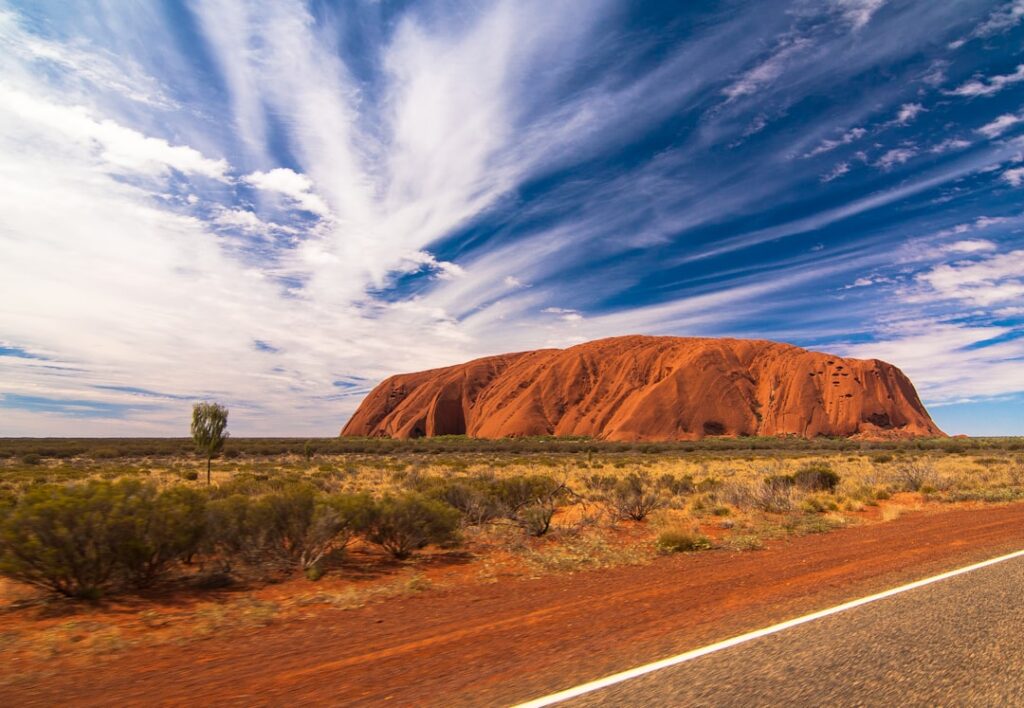
Ever wondered what it feels like to descend through mist-shrouded eucalyptus forests one day and carve through red desert canyons the next—all on two wheels within the same country? Welcome to Australia’s extraordinary mountain biking landscape, where riding diversity reaches unparalleled levels across this vast continent. From the tropical rainforests of Queensland to the rugged alpine terrain of Victoria, Australia offers mountain bikers experiences found nowhere else on Earth. This comprehensive 2025 guide will navigate you through Australia’s premier riding destinations, providing expert insights, practical advice, and the local knowledge needed to plan your ultimate two-wheeled adventure down under.
The Continental Traverse: Mapping Australia’s Riding DNA
Australia’s mountain biking landscape is as diverse as its geography, offering riders a unique spectrum of experiences shaped by ancient geology, distinctive ecosystems, and innovative trail design. Rather than categorizing destinations by state alone, understanding Australia’s riding “DNA” reveals the true essence of what makes each region special. This section breaks down the signature riding experiences across the continent, helping you match your aspirations with Australia’s most spectacular trails.
The Tropical Technical: Queensland’s Rainforest Rides
Queensland’s mountain biking scene centers around two distinct experiences: the world-class rainforest trails around Cairns and the more arid, technical riding further south. The Atherton Tablelands, just west of Cairns, features an extensive network of purpose-built trails that showcase Australia’s tropical rainforest riding. The Smithfield Mountain Bike Park, recently expanded in 2024, offers over 50 kilometers of trails ranging from beginner-friendly fire roads to expert-level downhill runs featuring mandatory drops and technical rock gardens.
“Queensland’s rainforest riding requires a different skill set entirely—the high humidity and clay-rich trails demand precise bike handling and an understanding of how moisture affects traction.” — James Chen, Trail Builder and Queensland Local
Further south, the Sunshine Coast region has emerged as a mountain biking powerhouse, with the Kenilworth State Forest network offering some of Australia’s most diverse trail experiences. The famous Darwin’s Loop presents an unexpected technical challenge, with its tight corners, exposed roots, and challenging rock gardens defying the expectation of “easy tropical riding.”
The Alpine Challenge: Victoria’s High Country
Victoria’s alpine regions present Australia’s most dramatic elevation changes and seasonal riding experiences. The Mount Buller resort area transforms in summer to become one of Australia’s premier mountain biking destinations, with over 35 kilometers of purpose-built trails designed by world-renowned trail builders. The Boiler Circuit offers intermediate riders a perfect introduction to alpine terrain, while the Downhill Flow Trail challenges experts with its steep gradients and technical features.
For the truly adventurous, the Bogong High Plains offer remote, multi-day riding experiences across Victoria’s highest terrain. This area requires careful planning, with rides typically spanning 2-3 days and covering distances of up to 80 kilometers. The trails here follow historic stock routes, connecting high plains with alpine forests and offering unparalleled views of Victoria’s mountain ranges.
The Desert Experience: Western Australia’s Red Earth Adventures
Western Australia’s mountain biking scene centers around the Margaret River region, where unique limestone karst formations create riding conditions unlike anywhere else. The Witchcliffe Trails, completed in 2023, feature over 40 kilometers of flowing singletrack that winds through native forests and across exposed limestone platforms. These trails require precise line choice, as the limestone surfaces can be both grippy and unforgiving.
Further north, the Kalamunda National Park near Perth offers a different kind of desert experience, with trails that navigate through jarrah forests and across rocky outcrops. The Mini-Wheely World skills park provides an excellent introduction to the technical riding style required for WA’s trails, while the Pinnacle Desert Loop offers intermediate riders a perfect taste of the region’s diverse terrain.
The Island Paradise: Tasmania’s Wild Trails
Tasmania’s mountain biking reputation has soared in recent years, with the Derwent Valley emerging as one of Australia’s premier riding destinations. The Maydena Bike Park, featuring gravity-fed trails designed by world-renowned builder Chris Kovarik, offers everything from gentle green trails to extreme downhill sections that have hosted international competitions.
For those seeking more than just gravity-fueled excitement, Tasmania’s Central Highlands offer remote, multi-day adventures across the island’s most spectacular terrain. The Tasmanian Trail stretches over 460 kilometers from Devonport to Hobart, with dedicated mountain bike sections that navigate through pristine wilderness areas and connect historic towns.
When the Dust Settles: Mastering Australia’s Riding Seasons
Australia’s vast size and varied climate create unique riding opportunities throughout the year, but understanding seasonal patterns is crucial for planning successful adventures. Unlike many Northern Hemisphere destinations, Australia’s reverse seasons mean that while Europe and North America prepare for winter, Australian mountain bikers are enjoying some of their best riding conditions.
The Summer Advantage (December-February)
Summer presents the best riding conditions for southern states like Victoria, Tasmania, and parts of South Australia. The Victorian High Country typically opens its alpine trails in early December, providing several months of prime riding before winter snows return. Similarly, Tasmania’s trails remain dry and tacky throughout summer, though riders should be prepared for sudden weather changes in the alpine areas.
However, summer brings challenges for northern regions. Tropical Queensland and the Northern Territory experience high humidity and intense monsoonal rains, which can make trails impassable or dangerously slippery. During this period, northern riders often shift to early morning sessions to avoid the midday heat and afternoon thunderstorms.
The Autumn Sweet Spot (March-May)
Autumn represents the ideal riding season across most of Australia, offering comfortable temperatures and stable trail conditions. In Queensland, the humidity begins to drop while the trails dry out, creating perfect riding conditions. The Queensland Mountain Bike Championships typically take place in April, showcasing the state’s premier trails during this ideal window.
Victoria and Tasmania begin their transition toward winter during autumn, but the trails remain excellent through May. The Singletrack Showdown in Victoria’s Yarra Valley, held annually in early April, has become one of Australia’s premier mountain biking events, attracting riders from across the continent.
Western Australia’s Mediterranean climate makes autumn the perfect time for Margaret River’s trails, with the region’s famous wildflowers often creating spectacular backdrops for rides. The Margaret River Velo Club’s Annual Race Series typically runs from March through May, offering events for all skill levels.
Winter Wonderland (June-August)
Winter presents Australia’s most extreme seasonal contrast, with southern states experiencing colder temperatures while northern regions enjoy their prime riding season. The Queensland Winter Series events draw large crowds as riders take advantage of the perfect conditions in tropical areas.
In Victoria and Tasmania, winter brings shorter days and the potential for snow at higher elevations. Many alpine trails close during this period, but lower elevation areas often remain rideable. The Dandenong Ranges, just outside Melbourne, maintain good trail conditions throughout winter and offer excellent technical riding close to the city.
Spring Awakening (September-November)
Spring marks the transition period across Australia, with northern states beginning to prepare for summer while southern states shake off winter. Victoria’s alpine areas typically open by late November, just in time for the summer riding season.
This season presents unique opportunities for riders willing to adapt to changing conditions. Spring rains in Queensland begin to intensify, creating challenging but rewarding riding experiences as trails gradually soften. The Spring Creek Challenge in Queensland’s Sunshine Coast region, held each October, celebrates this transitional period with events designed to test riders’ adaptability.
South Australia’s Adelaide Hills come alive in spring, with the region’s famous eucalyptus forests putting on a spectacular display of new growth. The Adelaide Mountain Bike Park offers trails suitable for all abilities, making it an excellent destination for families during the spring school holidays.
Beyond the Bike: The Complete Australian Mountain Biking Ecosystem
Mountain biking in Australia extends far beyond simply finding great trails. It’s about connecting with local communities, understanding cultural protocols, and embracing the complete outdoor experience that makes each region unique. This section explores the essential elements of Australia’s mountain biking ecosystem, from equipment considerations to cultural connections.
Cultural Connections and Land Acknowledgements
Mountain biking in Australia takes place on lands with deep cultural significance. Many premier trail networks are located on or near Indigenous lands, and understanding this context enriches the riding experience. Before visiting any trail area, research the traditional custodians and, where appropriate, seek permission to ride.
The Ngunnawal Aboriginal Corporation in Canberra has worked collaboratively with local mountain bike groups to develop the Mount Stromlo Forest Park trails, creating a model for respectful development on Indigenous land. When riding in these areas, consider participating in cultural awareness programs offered by local organizations.
The Equipment Equation: Gearing Up for Australian Conditions
Australia’s unique conditions require specific equipment considerations beyond what might be needed for riding elsewhere. The continent’s distinctive trail surfaces, diverse climates, and remote locations demand thoughtful preparation.
For trail surfaces, Australian conditions vary dramatically:
– East Coast clay: Becomes extremely slippery when wet, requiring aggressive tires with pronounced knobs
– Western Australian limestone: Provides excellent grip when dry but can be treacherously smooth when wet
– Tasmanian trails: Often feature a mix of hard-packed earth, pine needle cover, and occasional technical rock sections
– Desert red earth: Can become loose and dusty, requiring tire pressures that balance traction with rolling efficiency
Connecting with Australian Riding Communities
Australia’s mountain biking culture is characterized by strong, supportive communities that welcome visitors. Connecting with local riders provides access to insider knowledge about trail conditions, upcoming events, and lesser-known riding opportunities.
Each state has its own mountain bike advocacy organization:
– MTBA (Mountain Bike Australia): The national governing body, offering insurance, event calendars, and advocacy resources
– Vic Trails: Victoria’s trail advocacy organization, maintaining comprehensive trail condition reports
– MTBA Queensland: Representing Queensland’s diverse riding community with regular events and programs
– Western Australian Mountain Bike Association: Focused on developing sustainable trails and growing the sport
Social media platforms play a significant role in Australian mountain biking culture, with local Facebook groups and Instagram accounts often providing real-time trail condition updates and ride coordination. The Australian Mountain Bike Enthusiasts Facebook group, with over 50,000 members, serves as a valuable resource for riders across the country.
Multi-Day Adventures: Planning Epic Australian MTB Expeditions
Australia’s vastness creates opportunities for truly epic multi-day mountain biking adventures. These expeditions require careful planning but reward riders with experiences found nowhere else on Earth.
For multi-day trips, consider these classic Australian routes:
– The Tasmanian Trail: 460 kilometers from Devonport to Hobart, with dedicated mountain bike sections through diverse terrain
– The Munda Biddi Trail: Western Australia’s world-class off-road trail stretching over 1000 kilometers from Mundaring to Albany
– The Murray to Mountains Rail Trail: 98 kilometers following a historic railway line through Victoria’s alpine foothills
– The East Coast Cycle Trail: Connecting Queensland’s premier riding destinations over 300 kilometers
Sustainable Riding Practices
As mountain biking grows in popularity across Australia, sustainable riding practices have become essential for preserving trail access and protecting fragile environments. The Australian mountain biking community has developed a strong ethic of environmental stewardship, guided by the principle of “leave no trace.”
Key sustainable riding practices in Australia include:
– Respecting trail closures: Many trails close during wet weather or for ecological rehabilitation—honor these closures
– Staying on designated trails: Particularly important in alpine and sensitive coastal environments
– Carrying out all waste: Even organic matter can disrupt local ecosystems
– Minimizing noise pollution: Particularly important in areas shared with wildlife and other trail users
The IMBA Australia (International Mountain Bicycling Association) provides comprehensive guidelines for sustainable riding and advocates for responsible trail development that balances recreation with conservation.
Key Takeaways
- Australia offers extraordinary diversity in mountain biking experiences, from tropical rainforests to alpine peaks to desert landscapes
- Seasonal planning is crucial, with summer ideal for southern states and winter perfect for northern regions
- Understanding cultural protocols and respecting Indigenous lands enhances the riding experience and preserves access
- Equipment considerations should account for Australia’s unique trail surfaces and climate conditions
- Connecting with local riding communities provides valuable insights and enriches the overall experience
The Future of Mountain Biking in Australia
As we look toward the remainder of 2025 and beyond, Australia’s mountain biking scene continues to evolve with exciting developments on the horizon. New trail networks are under development in several regions, including the Western Sydney Mountain Bike Park, scheduled to open in late 2025, which will provide accessible riding opportunities for one of Australia’s fastest-growing urban populations.
Technology is also transforming the Australian mountain biking experience, with innovative trail design techniques and improved equipment allowing riders to safely explore previously inaccessible terrain. At the same time, there’s a growing emphasis on sustainability and low-impact trail construction that minimizes environmental disruption while maximizing riding enjoyment.
Whatever your mountain biking aspirations may be, Australia offers experiences that will challenge, inspire, and reward riders of all abilities. From the technical rainforest trails of Queensland to the alpine adventures of Victoria’s High Country, the continent’s extraordinary diversity ensures that every ride can be a unique adventure. So grab your bike, embrace the spirit of exploration, and discover why Australia has quickly become one of the world’s premier mountain biking destinations.
Frequently Asked Questions
What makes Australia’s mountain biking landscape unique compared to other countries?
Australia offers extraordinary diversity in mountain biking experiences, from tropical rainforests in Queensland to alpine peaks in Victoria’s High Country and desert landscapes in Western Australia. This variety allows riders to experience mist-shrouded eucalyptus forests one day and red desert canyons the next within the same country. The continent’s distinctive trail surfaces include East Coast clay, Western Australian limestone, Tasmanian mixed terrain, and desert red earth, each requiring different riding skills and equipment.
How do Queensland’s rainforest trails differ from other Australian mountain biking experiences?
Queensland’s rainforest riding, particularly around Cairns and the Sunshine Coast, requires a different skill set due to high humidity and clay-rich trails. The Smithfield Mountain Bike Park offers over 50 kilometers of trails from beginner-friendly to expert-level with mandatory drops and technical rock gardens. Meanwhile, the Kenilworth State Forest’s Darwin’s Loop presents unexpected technical challenges with tight corners, exposed roots, and challenging rock gardens that defy expectations of ‘easy tropical riding’.
When is the best time to visit Victoria’s alpine mountain biking regions?
Summer (December-February) presents the best riding conditions for Victoria’s High Country, with trails typically opening in early December and remaining prime until winter snows return. The Mount Buller resort area offers over 35 kilometers of purpose-built trails, including the Boiler Circuit for intermediates and the Downhill Flow Trail for experts. However, riders should be prepared for rapid temperature drops with elevation changes and carry equipment for all four seasons, even in summer.
What equipment considerations are specific to Australian mountain biking conditions?
Australian conditions require specific equipment: aggressive tires with pronounced knobs for East Coast clay when wet, specialized tires for Western Australian limestone that can be treacherously smooth when wet, and appropriate tire pressures for desert red earth that balances traction with rolling efficiency. Australian riders commonly carry ‘snake bite’ repair kits due to thorny native vegetation like Acacia species. For alpine regions, pack comprehensive first-aid kits, emergency communication devices, and clothing for all seasons.
How can mountain bikers respectfully engage with Indigenous cultural sites while riding in Australia?
Mountain biking in Australia requires understanding cultural protocols as many premier trails are on or near Indigenous lands. Before visiting, research traditional custodians and seek permission where appropriate. The Ngunnawal Aboriginal Corporation collaborated with local groups on Mount Stromlo Forest Park trails, creating a model for respectful development. Always respect unmarked cultural sites and artifacts you may encounter, as many significant Indigenous sites aren’t marked. Consider participating in cultural awareness programs offered by local organizations.




Be the First to Comment
Sign in to start the conversation.