
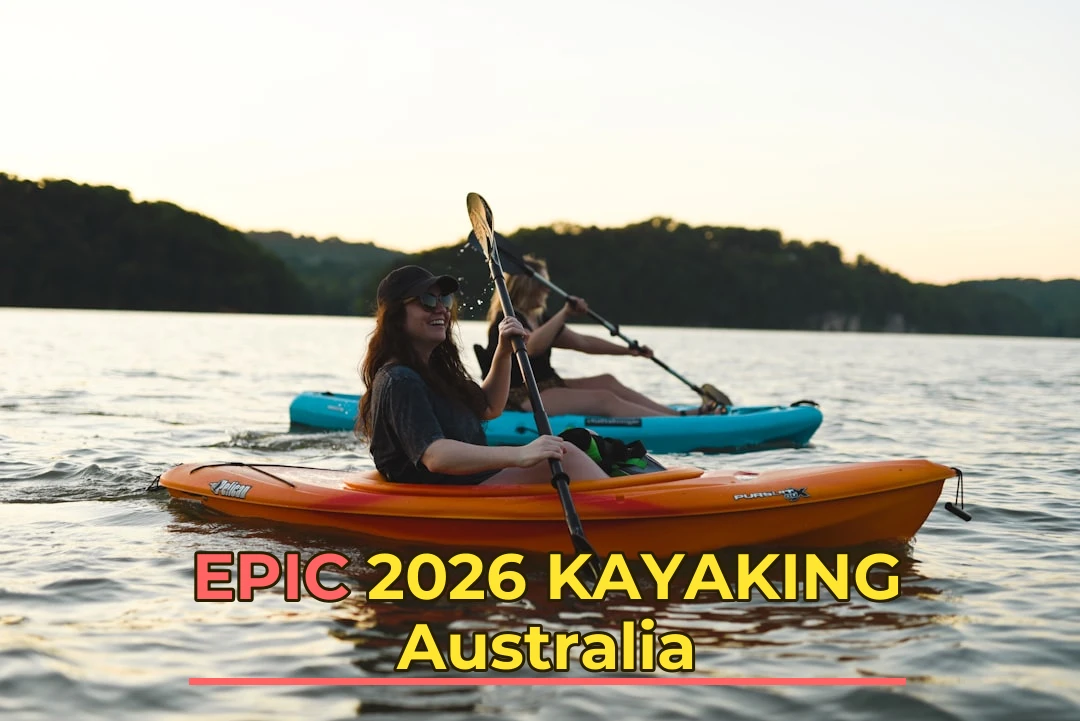
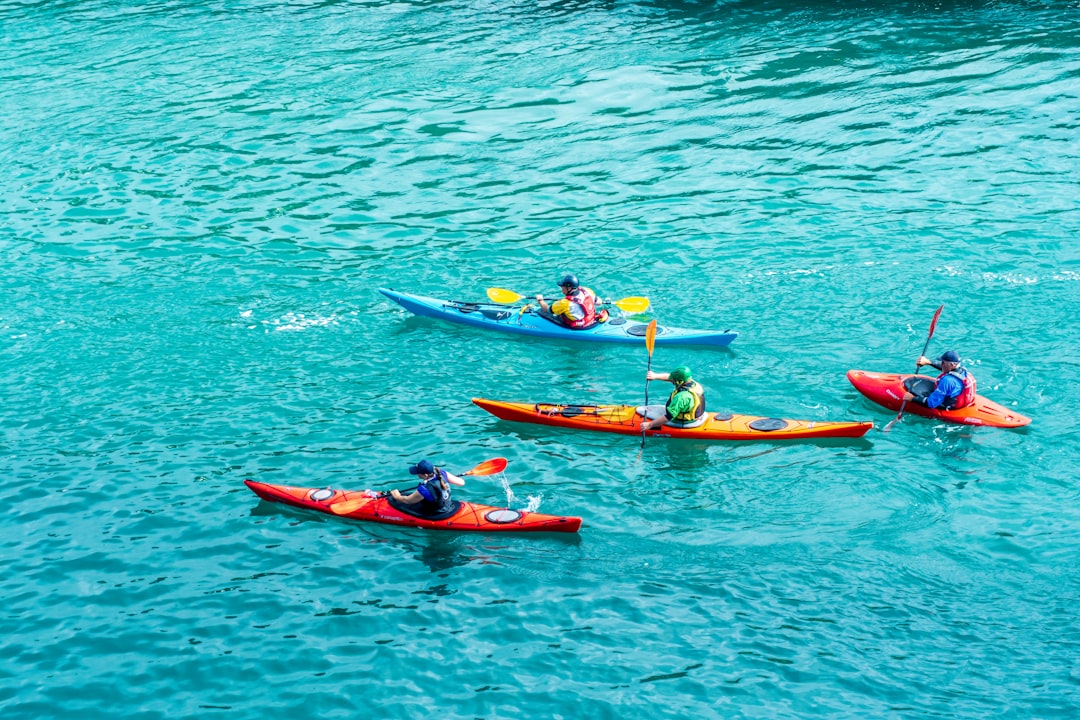
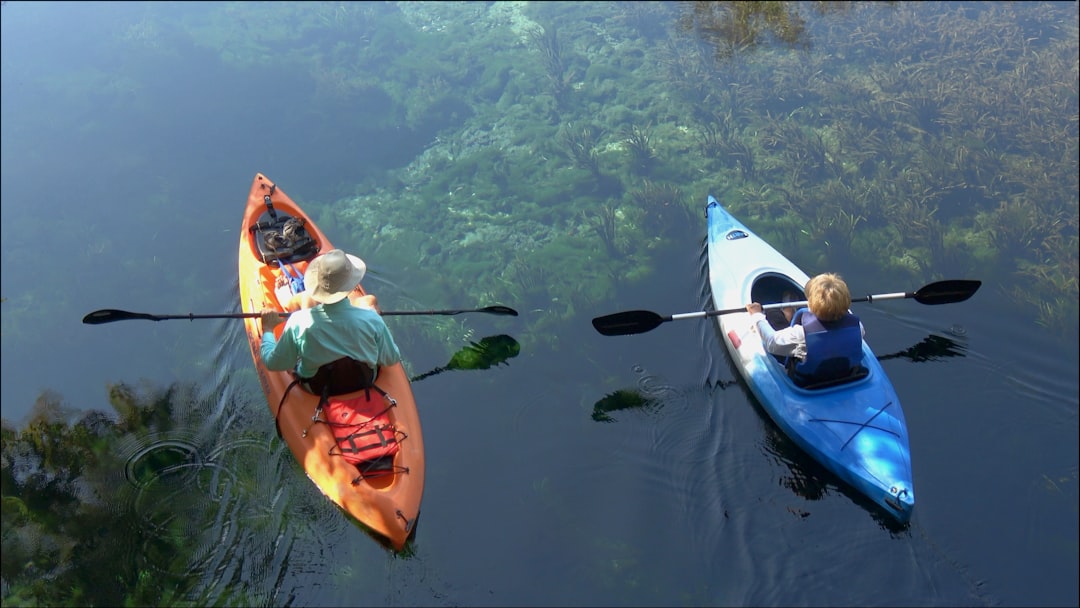
The car winds around the final bend of the coastal road, but the view isn’t what you expect. Instead of crashing turquoise waves or a crowded beachfront, there is only the sound of water slapping gently against timber. Standing at the edge of the Noosa Everglades, the air hangs thick with humidity and silence. A paddle slices through glass-still water, creating a rhythmic splash-drift that seems to echo for miles. Sunlight pierces the twisted canopy of tea trees and melaleucas, illuminating floating debris in a way that looks less like nature and more like an underwater cathedral. There are no waves here, only movement. It is a profound meditative immersion into one of Australia’s most unique aquatic ecosystems—a place where adventure isn’t about adrenaline, but about the quiet thrill of being unseen by the world above.
The Blue Highway: Navigating the Noosa River System
The Noosa Everglades are not merely a river; they are a complex, tidal labyrinth that has existed for millennia. For the 2026 paddler, understanding the hydrology of this system is not just helpful—it is essential. Unlike standard river kayaking where flow dictates direction, the Everglades operate on a pendulum of tides that can move faster than many beginners anticipate.
Geography and Access Points
The river system begins at the Noosa River mouth near Noosa Heads and extends inland through a network of interconnected channels. For most paddlers, particularly those engaging in outdoor activities beginners often seek out, the entry point is Noosa Heads State Park.
* Noosa River Mouth: This is the primary gateway. It offers immediate access to the open ocean on one side and the protected Everglades on the other.
* Alexandra Headland Launch: A smaller, less congested launch point further upstream, ideal for those aiming to avoid the initial mouth crossing.
* Noosa National Park (Green Beach): A challenging launch site requiring a rugged walk, rewarding experienced adventurers with access to secluded backwaters.
> Warning: Crossing the Noosa River mouth can be hazardous. Strong southerly winds and ocean swells frequently push against the outgoing tide, creating choppy, dangerous conditions. Always check the current forecast and tidal state before committing to a crossing. If in doubt, launch further upstream at Alexandra Headland or join an organised tour that manages the crossing.
Understanding the Tides
The Everglades are a “stagnant” river in name only. The water moves, but it is driven by tidal cycles rather than current flow.
| Time of Day | Condition | Recommendation |
| :— | :— | :— |
| High Tide | Water levels are highest, clearing submerged tree roots. | Best for exploration and wildlife spotting. |
| Mid-Tide | Moderate flow; optimal paddling speed. | Ideal for intermediate kayaking trips. |
| Low Tide | Significant exposure of roots and mud banks. | Avoid unless experienced; risk of grounding. |
Understanding these cycles allows you to plan your trip for maximum visibility and safety. The 2026 kayaking season brings stricter environmental regulations to protect the delicate riverbank ecosystems, so always adhere to “Leave No Trace” principles.
Gear Up for the Subtropical Shift
Noosa’s subtropical climate poses specific challenges that differ from temperate kayaking regions like Tasmania or the Southern Highlands. The combination of intense UV radiation, high humidity, and sudden weather changes requires a strategic approach to equipment.
Kayak Selection: Sea vs. River
Many beginners make the mistake of renting a standard recreational sit-on-top kayak designed for calm lakes. While these are fun, they are ill-suited for the Noosa Everglades for two reasons:
1. Wind Resistance: The open top surface acts as a sail in the cross-breezes common on the river mouth. A sit-inside kayak with a spray skirt offers better control and speed.
2. Manoeuvrability: The Everglades feature “wiggle-rooms” and narrow channels where a long ocean kayak becomes unwieldy. A 12–14ft touring kayak or a specialised river kayak is the ideal compromise between stability and agility.
Essential Gear Checklist
| Item | Purpose | Recommendation for 2026 |
| :— | :— | :— |
| Spray Skirt | Prevents water entry during squalls or capsizing. | Silicone seal edges for comfort in heat. |
| UV Protective Clothing | Sunburn happens fast, even on cloudy days. | UPF 50+ rash vests and long sleeves. |
| Hydration System | Humidity causes rapid dehydration. | 2L minimum water per person + electrolytes. |
| PFD (Life Jacket) | Mandatory safety equipment. | Coast Guard approved, with ample ventilation pockets. |
> Pro Tip: Invest in a high-quality paddle leash. Losing your paddle to the current or wind is a common mishap that can strand you miles from shore. A simple leash costs less than the tow-boat fee it prevents.
Local Rentals vs. Buying
For those engaging in outdoor activities beginners might encounter, renting is often the most cost-effective option. Local operators like Noosa Kayak Hire and Coral Expeditions offer top-tier gear. However, if you plan to visit multiple waterways across Australia, buying your own equipment ensures consistency and hygiene.
Reading the Water: From Calm to Class
Kayaking in Noosa is not a one-size-fits-all activity. The river system allows for a progressive pathway, catering to families, intermediate explorers, and advanced coastal challengers.
The Family Flatwater
For families seeking fun things to do outside at home, the Everglades offer a serene introduction to paddling.
* Focus: Basic strokes (forward, reverse, sweep) and safety procedures.
* Route: Start at Noosa Heads State Park and paddle 2km into the main channel.
* Wildlife Spotting: Look for migratory birds and occasional dolphins in the deeper channels.
* Safety Note: Keep children within arm’s reach of adults. The water can be deeper than it appears due to submerged tree roots, which pose a tripping hazard when wading.
The Intermediate Explorer
Once comfortable with basic strokes, paddlers can tackle the more exposed sections of the river.
* Focus: Handling cross-winds and small chop.
* Route: Navigate the “Boxed-up” sections where tree roots create natural obstacles.
* Skill: Learn to use the “brake stroke” effectively to navigate tight spaces without hitting submerged logs.
* Key Takeaway: Always maintain a ‘look-ahead’ strategy, scanning 20 meters ahead for obstacles rather than staring at your bow.
The Advanced Coastal Challenge
For those seeking 20 outdoor activities that push physical and mental limits, the coastal section near Point Danger offers the ultimate test.
* Focus: Ocean navigation, surf landing/taking off, and wind management.
* Route: Explore the rocky outcrops south of Noosa Heads, accessible only at high tide.
* Risk: Unpredictable swell and strong currents require advanced bracing techniques (Eskimo roll or wet exit drills).
* Important: Never attempt this section alone. Buddy systems are mandatory, and local knowledge of the “sneaker waves” is essential.
> Quick Fact: The Noosa River system is home to over 100 species of fish and numerous migratory bird species. Kayaking offers a unique, non-intrusive way to observe these animals in their natural habitat without disturbing the ecosystem.
The Unseen Noosa: Stories from the Water
Numbers and gear lists only tell half the story. The true value of kayaking in Noosa lies in the moments that happen when you stop paddling and simply listen.
The “Dugong Encounter” Story
Last season, a group of beginners on a guided tour fell silent as a large shape broke the surface ahead. It was a dugong, one of Australia’s most endangered marine mammals. The guide immediately signaled to stop paddling and drift silently. For twenty minutes, the group watched as the gentle giant grazed on seagrass beds just meters away.
This experience highlights unexpected_discovery. Unlike motorised tours, kayaks allow for quiet observation that wildlife responds to positively. However, it also underscores the ethical responsibility of maintaining distance. The guide ensured the kayak remained 20 meters away, allowing the dugong to ignore them—a perfect example of authentic_experience without disturbance.
The “Sudden Squall” Lesson
Not every day is serene. On a seemingly clear morning, a group of experienced kayakers was caught in a sudden squall near the river mouth. The wind shifted from calm to gale-force in minutes, creating whitecaps that made steering difficult.
This incident serves as a lesson in honest_limitation. Weather forecasts are reliable, but local micro-climates can change rapidly. The group utilised their knowledge of the coves to seek shelter behind a rocky outcrop, waiting for the wind to subside. This provided actionable_advice for future paddlers: always identify shelter spots on your map before launching, and carry a weather radio app.
Local Knowledge Drop: The “Secret Beach”
Long-time locals know of a hidden spot known only as the “Secret Beach.” Accessible only at extreme low tides, this stretch of sand is surrounded by dense mangroves and accessible only by a narrow, winding channel.
This adds local_knowledge to the guide and creates a sense of insider access. To find it, you must paddle past the main channel junction and follow a subtle bend to the left. It is a reward for those who take the time to read the water and pay attention to their guides.
Practical Considerations for 2026
As we move through 2026, environmental awareness and sustainable tourism practices have become integral to kayaking in Noosa.
Environmental Regulations
The Queensland Government has introduced stricter regulations to protect the Everglades ecosystem:
1. No Single-Use Plastics: All waste must be carried out.
2. Motorised Boat Ban: Within certain sections of the Everglades, motorised vessels are banned to reduce noise pollution and wake damage.
3. Wildlife Disturbance Zones: Specific areas are marked as no-paddle zones during breeding seasons for nesting birds and marine mammals.
> Did you know? The Noosa Everglades are part of the larger Ramsar-listed wetlands, recognising their international importance for biodiversity. Your care as a paddler directly contributes to the preservation of this unique environment.
Best Time to Go
* Spring (September–November): Mild temperatures, blooming wildflowers, and fewer crowds. Ideal for families.
* Autumn (March–May): Clearer water, warmer temperatures, and stable weather. Best for advanced kayaking.
* Winter (June–August): Cooler water temperatures but fewer tourists. Requires thermal protection for longer trips.
* Summer (December–February): Hot, humid, and busy. Best for early morning or late afternoon paddles to avoid heat stress.
Conclusion: A Call to Mindful Action
Kayaking in Noosa is more than an outdoor activity; it is a practice in mindfulness. It requires you to slow down, to listen to the water, and to respect the delicate balance of the ecosystem. As you plan your 2026 adventure, remember that your presence has an impact.
Whether you are a beginner seeking fun things to do outside at home or an experienced adventurer looking for 20 outdoor activities that challenge your limits, the Noosa Everglades offer a profound connection to nature. Book your trip not just for exercise, but for connection. Leave with no trace, take only memories, and carry the peace of the Everglades back into your daily life.
In an era of changing climates, responsible tourism is not optional—it is essential. By choosing sustainable operators and adhering to environmental guidelines, you help ensure that the Noosa Everglades remain a pristine sanctuary for generations of paddlers to come.
> Key Takeaways:
> * Safety First: Always check tides and weather forecasts before launching.
> * Gear Up: Invest in UV-protective clothing and appropriate kayaks for river conditions.
> * Respect Wildlife: Maintain distance from dugongs and nesting birds.
> * Progressive Skill Building: Start with family flatwater before attempting coastal challenges.
> * Sustainable Practice: Follow “Leave No Trace” principles to protect the Everglades ecosystem.
Frequently Asked Questions
Where are the best access points for kayaking in the Noosa Everglades?
The primary gateway is the Noosa River Mouth near Noosa Heads, offering immediate access to both open ocean and protected channels. For those wishing to avoid the hazardous mouth crossing, Alexandra Headland Launch provides a less congested upstream entry. Experienced paddlers may opt for Noosa National Park (Green Beach), though this requires a rugged walk to reach secluded backwaters. Always check forecasts before crossing the mouth, as southerly winds and ocean swells can create dangerous choppy conditions against outgoing tides.
What type of kayak is recommended for the Noosa Everglades?
Standard recreational sit-on-top kayaks are ill-suited for the Everglades due to high wind resistance and poor manoeuvrability in narrow channels. A 12–14ft touring kayak or a specialised river kayak is the ideal compromise, offering better speed and control. Sit-inside kayaks with spray skirts are preferred to prevent water entry during squalls or capsizing. This equipment choice ensures you can handle cross-breezes and navigate ‘wiggle-rooms’ effectively without becoming unwieldy.
How should I plan my trip around the tidal cycles?
The Everglades operate on tidal cycles, not current flow. High tide is best for exploration and wildlife spotting as it clears submerged tree roots. Mid-tide offers moderate flow and optimal paddling speed for intermediate trips. Low tide exposes significant roots and mud banks, posing a grounding risk that should be avoided unless you are an experienced paddler. Understanding these cycles is essential for maximum visibility and safety, especially given the 2026 environmental regulations protecting riverbank ecosystems.
What essential gear is required for kayaking in Noosa’s subtropical climate?
Due to intense UV and humidity, you must bring UPF 50+ rash vests and long sleeves for sun protection. Hydration is critical; carry a minimum of 2L of water per person plus electrolytes. A Coast Guard approved PFD with ventilation pockets is mandatory safety equipment. Additionally, invest in a high-quality paddle leash to prevent losing your paddle to currents or wind, which can strand you miles from shore. Silicone-seal spray skirts are also recommended for comfort in the heat.
When is the best time of year to kayak in Noosa?
Spring (September–November) offers mild temperatures, blooming wildflowers, and fewer crowds, making it ideal for families. Autumn (March–May) provides clearer water, warmer temperatures, and stable weather, which is best for advanced kayaking. Winter (June–August) has cooler water and fewer tourists but may require thermal protection. Summer (December–February) is hot and humid; early morning or late afternoon paddles are recommended to avoid heat stress.



Be the First to Comment
Sign in to start the conversation.