
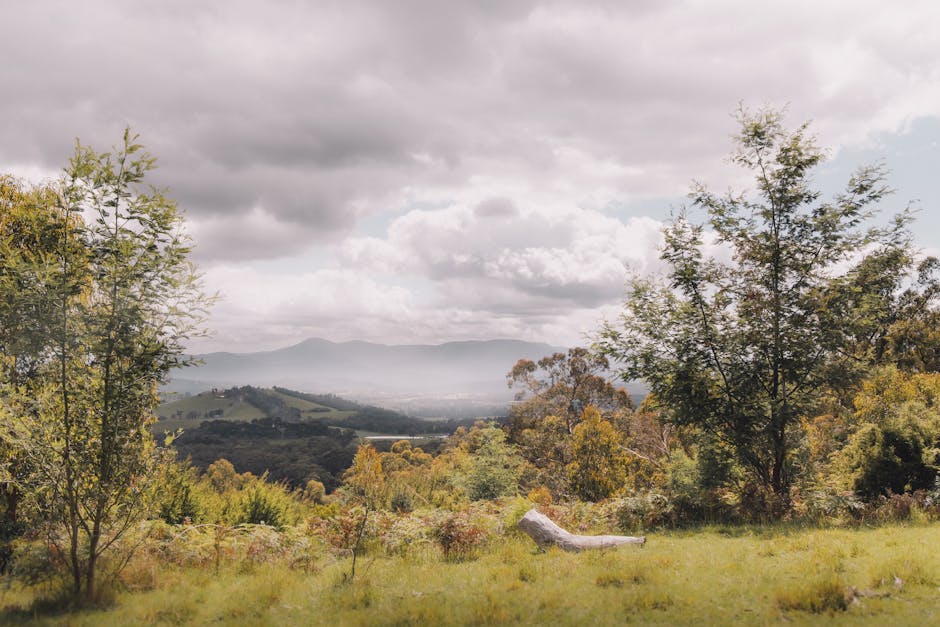
The first light of dawn spills across the sandstone ridges of the Grampians, painting the sky in hues of pink and gold. Below, mist dances in the valleys like ghostly ballerinas, while overhead, kookaburras begin their morning chorus. The air carries the scent of damp earth and the sweet fragrance of spring wildflowers just beginning to bloom. This is the moment that captures the magic of camping in Western Victoria’s high country—a sensory awakening that signals the perfect time to explore. The Grampians National Park, with its dramatic rock formations, diverse ecosystems, and rich Aboriginal heritage, transforms into a paradise for campers during spring, offering an authentic Australian experience unlike any other.
Spring’s Awakening: The Grampians in Bloom
Spring brings a spectacular transformation to the Grampians, as the region awakens from winter dormancy. From September to November, the landscape erupts in a riot of color, with over 1,000 plant species blooming across the park. The iconic Grampians grevillea, with its striking red spider-like flowers, begins to appear in late September, while delicate orchids emerge in sheltered gullies and rocky outcrops.
Wildlife activity also peaks during spring, with kangaroos joeying up, echidnas foraging for ants, and numerous bird species nesting. The warmer weather makes it ideal for spotting animals during early morning or late afternoon when they’re most active.
Spring weather in the Grampians can be unpredictable, with warm sunny days often followed by cool nights and occasional rain showers. This variability creates ideal conditions for plant growth but requires campers to be prepared for changing conditions.
“Spring is when the Grampians reveals its secrets—the hidden waterfalls flow again, the wildflowers carpet the ground, and the air is alive with the sounds of new life. It’s truly a magical time to be here,” says local ecologist Dr. Sarah Mitchell.
Wildflower Highlights
- Early Spring (September): Look for wattles, golden peas, and the first orchids around Halls Gap
- Mid-Spring (October): Peak blooming period with the Grampians boronia, chocolate lilies, and mountain correa
- Late Spring (November): The rare Grampians thyme-leaf broom appears in higher elevations
Beyond the Brochure: Hidden Campgrounds
While Halls Gap and Brambuk National Park are well-known camping destinations, the Grampians offers numerous lesser-known campsites that provide more intimate connections with nature.
Popular Campsites
- Brambuk National Park (Halls Gap): Excellent facilities, powered sites, and walking trails. Perfect for families and first-time Grampians visitors.
- Plantation Campground: Located near the southern entrance, this site offers river access and is less crowded than Halls Gap.
- Millers Campground: A small, peaceful site with basic facilities, ideal for those seeking tranquility.
Hidden Gems
For those willing to explore a little further, the Grampians offers several lesser-known camping experiences:
- Wartook Valley Campground: Located near the northern entrance, this site offers stunning sunset views over the valley.
- Yarrara Campground: A small, secluded site near Mount Abrupt, perfect for stargazing with minimal light pollution.
- Jimmy Creek Campground: Near the western boundary, this site offers a true bush camping experience with no facilities but plenty of space to spread out.
The Local’s Playbook: Secrets from Grampians Residents
Living and working in the Grampians year-round, locals have developed insights that can transform a good camping trip into an unforgettable experience.
Unexpected Discoveries
One of the most rewarding aspects of spring camping in the Grampians is finding hidden gems that don’t appear on any tourist map. Last season, while exploring a lesser-used trail near Mount Stapylton, I discovered a secluded waterfall that flows only during spring and early summer—a perfect spot for a refreshing swim after a day of hiking.
“The best experiences aren’t on the main tracks,” shares local guide Tom Wilson. “Follow animal trails for about 200 meters off any marked path in spring, and you’ll often find incredible views or waterholes that most visitors never see.”
Timing is Everything
Local knowledge reveals the best times to experience popular spots without the crowds:
- Pinnacle Lookout: Arrive by 7:30 AM or after 4 PM to avoid the midday rush
- MacKenzie Falls: Visit on a weekday morning for a more peaceful experience
- Balconies Lookout: Sunset from this spot is spectacular but arrives early (around 7:30 PM in October)
Local Produce and Towns
The towns surrounding the Grampians offer authentic local experiences:
- Stawell: Known for its gold mining history and the annual Stawell Gift footrace in April
- Ararat: Home to award-winning wineries like Best’s Wines and the historic Jara Vineyards
- Horsham: Features excellent local produce markets on the first Saturday of each month
Spring Camping Essentials: Timing, Gear, and Know-How
Spring camping in the Grampians requires specific preparation to ensure comfort and safety while enjoying the changing conditions.
Packing List for Spring
Layering is essential for spring weather in the Grampians:
- Moisture-wicking base layers
- Fleece mid-layers for chilly mornings and evenings
- Waterproof jacket and pants for sudden showers
- Sun-protective clothing and wide-brimmed hat
- Sturdy hiking boots with good grip for potentially muddy tracks
- Insect repellent for mosquitoes that become active as the weather warms
- Portable power bank for keeping devices charged during longer trips
Camping Setup Strategies
Spring conditions require thoughtful campsite setup:
- Choose your site wisely: Look for slightly elevated areas that won’t become waterlogged during rain
- Orient your tent: Position it to capture morning sun while providing afternoon shade
- Organize your gear: Use dry bags to protect essentials from morning dew and unexpected rain
- Set up a communal area: Create a covered space with a tarp for gathering during showers
Safety Considerations
Spring brings specific safety challenges:
- Be prepared for rapidly changing weather conditions
- Check fire restrictions before your trip—spring often has total fire bans
- Carry sufficient water as some natural water sources may not be flowing
- Be aware of wildlife, particularly snakes that become more active as temperatures rise
Key Takeaways
- Spring (September to November) offers the best combination of wildflowers, moderate temperatures, and active wildlife in the Grampians
- Prepare for variable weather by packing layers and waterproof gear
- Explore beyond popular campsites to discover hidden gems that locals know about
- Respect the cultural significance of the area and leave no trace when camping
- Timing your visits to popular spots early or late in the day provides better experiences with fewer crowds
As the last rays of sunlight fade behind the rugged peaks, the Grampians settle into a peaceful stillness that can only be experienced by those willing to sleep under its ancient stars. Spring camping in Western Victoria offers more than just a holiday—it’s an immersion into one of Australia’s most spectacular landscapes, where every sunrise brings new discoveries and every night sky reminds us of our place in the natural world.
Frequently Asked Questions
What makes spring the best time to camp in the Grampians National Park?
Spring (September to November) is ideal for camping in the Grampians as it brings spectacular wildflower displays with over 1,000 plant species blooming, including the iconic Grampians grevillea appearing in late September. Wildlife activity peaks with kangaroos with joeys, echidnas foraging, and numerous bird species nesting. The moderate temperatures and increased water flow create perfect conditions for exploring the park’s diverse ecosystems and dramatic landscapes while avoiding the extreme heat of summer.
How should I prepare for the variable spring weather in the Grampians?
Pack layers for spring camping in the Grampians: moisture-wicking base layers, fleece mid-layers for chilly mornings, and a waterproof jacket and pants for sudden showers. Include sun-protective clothing, sturdy hiking boots with good grip for potentially muddy tracks, insect repellent for mosquitoes, and a portable power bank. A pro tip suggests bringing a light umbrella instead of just a rain jacket for better protection during showers while also offering shade on sunny days. Always check fire restrictions before your trip, as spring often has total fire bans.
When are the best times to visit popular Grampians attractions to avoid crowds?
Local knowledge reveals optimal timing to avoid crowds: for Pinnacle Lookout, arrive by 7:30 AM or after 4 PM to skip the midday rush. MacKenzie Falls is best visited on a weekday morning for a peaceful experience. The Balconies Lookout offers spectacular sunset views but arrives early around 7:30 PM in October. These timing strategies allow visitors to experience these popular spots with fewer people while still enjoying their natural beauty.
What are some hidden campground options in the Grampians beyond the popular sites?
Beyond popular Brambuk National Park and Halls Gap, the Grampians offers several hidden camping gems. Wartook Valley Campground near the northern entrance provides stunning sunset views over the valley. Yarrara Campground near Mount Abrupt is a small, secluded site perfect for stargazing with minimal light pollution. Jimmy Creek Campground near the western boundary offers a true bush camping experience with no facilities but plenty of space to spread out. These sites provide more intimate connections with nature away from the crowds.

Be the First to Comment
Sign in to start the conversation.