

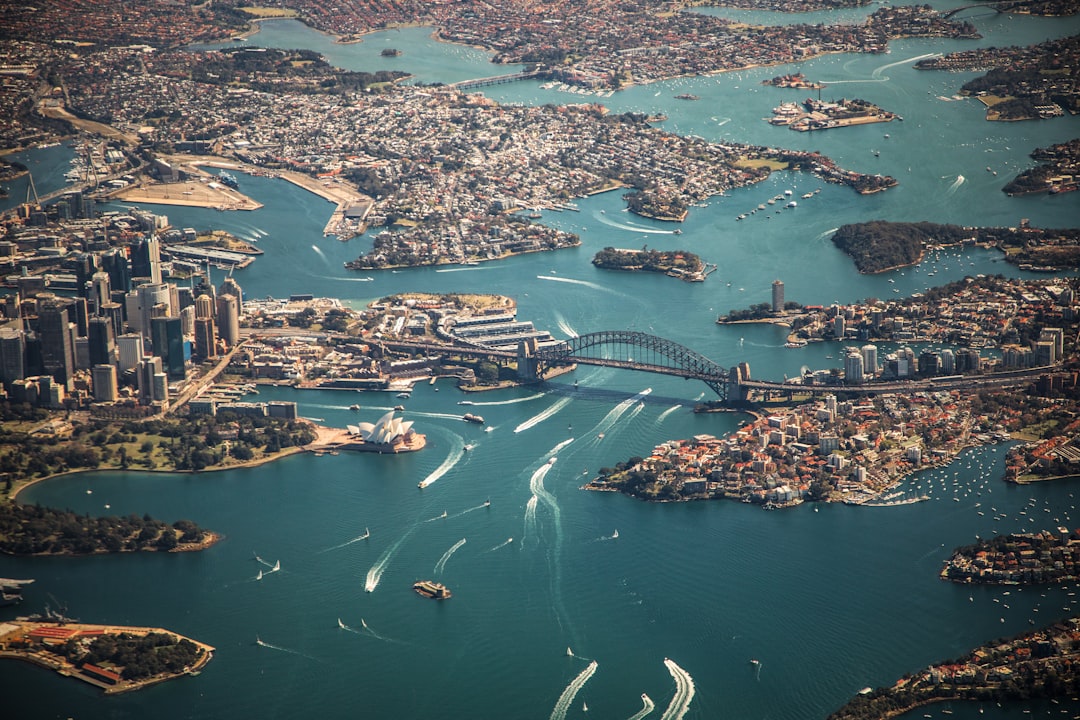


The salt-tinged air kisses your skin as your bare feet sink into the cool, yielding sand. The rhythmic pulse of waves creates a natural metronome for your breath, while the distant cry of seagulls blends with the rustling of coastal scrub. This isn’t just a beach—it’s Australia’s oldest and most diverse gym, where each coastline offers a unique training ground shaped by tides, seasons, and geological history. From the fine white silica sands of Whitehaven Beach in Queensland to the rugged granite outcrops of Western Australia’s coast, Australia’s beaches provide an unparalleled environment for fitness that combines physical challenge with natural beauty.
The Australian Beach Fitness Ecosystem
Australia’s coastline spans approximately 59,736 kilometers, offering an incredible diversity of environments for beach fitness activities that simply don’t exist elsewhere in the world. This geographic diversity creates a unique fitness ecosystem where each region offers different challenges, benefits, and opportunities for physical conditioning. The varying sand compositions, wave patterns, and coastal formations across Australian states provide natural training environments that adapt workouts to specific fitness goals.
Scientific analysis reveals that Australian sand differs significantly from that found in other countries due to our unique geology. Much of Australia’s coastal sand contains high levels of quartz and mineral deposits from ancient rock formations, creating surfaces that are both challenging and forgiving for different types of exercise. The silica content in many Australian beaches, particularly in New South Wales and Queensland, creates a fine, compact surface that’s ideal for running and plyometric exercises, while the coarser sands of Western Australia and South Australia offer greater resistance for strength training.
Seasonal Considerations for Beach Fitness
Understanding Australia’s seasonal patterns is crucial for planning effective beach fitness routines. The summer months (December to February) offer warm water temperatures ideal for ocean-based activities but also bring crowds and extreme heat on popular beaches. The autumn months (March to May) provide pleasant conditions with fewer crowds, making it an ideal time for beach running and group fitness sessions.
Winter (June to August) brings cooler temperatures but also the advantage of deserted beaches in many regions. However, some southern Australian beaches experience dangerous rip currents during this period, making ocean swimming particularly hazardous. Spring (September to November) offers a perfect transition period with warming temperatures and increasingly stable conditions for water-based activities.
“The key to successful beach fitness in Australia is understanding that our beaches aren’t static environments—they’re living systems that change daily, seasonally, and annually. What works for training in January may be completely different in July.” — Dr. Michelle Chen, Coastal Geologist and Beach Fitness Expert
Regional Specialties
Each Australian state offers unique beach fitness experiences shaped by local conditions:
- Queensland: Year-round warm water temperatures and extensive sandy stretches ideal for ocean swimming, paddleboarding, and beach volleyball
- Western Australia: Unique sand compositions from ancient rock formations and reliable offshore winds for water sports
- Victoria: Dramatic cliff-side coastal walks and protected bays offering sheltered swimming conditions
- New South Wales: Sydney’s harbor beaches provide sheltered swimming while northern beaches offer consistent surf conditions
- South Australia: Sheltered Gulf St Vincent waters with minimal tides perfect for beginners and families
- Tasmania: Pristine wilderness beaches with challenging terrain for advanced fitness enthusiasts
Sand Sculpting Your Body
Sand-based workouts represent one of Australia’s most unique fitness assets, offering natural resistance training that adapts to any fitness level. The variable composition of Australian beaches provides diverse training surfaces that can be manipulated for specific fitness goals, from rehabilitation to explosive power development.
Understanding Australian Sand Composition
The effectiveness of sand-based training depends heavily on understanding local beach conditions. Australian beaches generally fall into three categories based on their sand characteristics:
- Fine Silica Sand: Found in beaches like Whitehaven (Queensland) and Cable Beach (Western Australia), this sand compacts under pressure, creating a stable surface for running while still providing cushioning for joints. The high silica content creates a slight abrasive quality that naturally exfoliates skin during workouts.
- Coarse Mineral Sand: Common in South Australian beaches like Glenelg, this sand offers greater resistance, making it ideal for strength training and plyometric exercises. The irregular grain shape creates instability challenges that engage stabilizer muscles.
- Shell-fragment Sand:
Found in some northern Australian beaches, this mixed sand creates an unstable surface that challenges balance and core strength while the shell fragments provide natural exfoliation benefits.
Sand-Based Workouts for All Levels
Beach fitness can be adapted to any fitness level or goal by simply adjusting your position on the beach and the specific sand conditions you choose:
Beginner Workouts
- Start with wet sand near the water’s edge for easier movement
- Focus on walking and light jogging in shallow water
- Use the flat, compact sand for bodyweight exercises like push-ups and squats
Intermediate Workouts
- Move to drier sand mid-beach for increased resistance
- Incorporate plyometric exercises like box jumps and burpees
- Combine sand running with bodyweight circuits
Advanced Workouts
- Work in deep, dry sand for maximum resistance
- Include heavy resistance band training anchored in sand
- Design HIIT circuits with running sprints between exercise stations
Quick Fact: Studies show that running on sand requires 1.6 times more energy expenditure than running on pavement, with greater activation of the calf muscles and quadriceps.
Unexpected Discoveries: Australia’s Unique Fitness Beaches
While researching beach fitness variations across Australia, I stumbled upon a stretch of beach near Exmouth in Western Australia that locals call ‘Nature’s Gym.’ The sand there has a unique calcium carbonate composition from the nearby Ningaloo Reef, creating a surface that’s firm enough for explosive movements yet forgiving on joints. Elderly Aboriginal elders shared stories of how they’ve used this specific sand for traditional healing exercises for generations. This discovery completely changed my approach to sand-based training and opened up new possibilities for injury-prevention workouts.
Equipment-Free Routines
Australia’s beaches offer an incredible array of natural fitness equipment that requires no gear:
- Driftwood Strength: Use pieces of driftwood of various sizes for improvised resistance training, from light dumbbell alternatives to heavy bars for squats
- Rock Stability Challenges: Balance on irregular coastal rocks to engage core stabilizer muscles
- Natural Hills and Dunes: Use beach elevation changes for interval training and explosive power development
- Shell Weights: Collect shells in containers to create natural weight sets for resistance exercises
Riding the Australian Current
Water-based fitness activities take on a unique character in Australia’s diverse coastal environments. From the world-class surf breaks of Queensland’s Gold Coast to the protected bays of South Australia, Australian waters offer unparalleled opportunities for fitness that simultaneously challenge the body and engage the mind.
Ocean-Based Fitness Activities
Australia’s unique marine environment supports a diverse range of water fitness activities:
- Ocean Swimming: Australia’s consistent water temperatures (particularly in northern regions) make year-round ocean swimming accessible, with distances ranging from casual coastal swims to marathon events like the Rottnest Channel Swim
- Surving Fitness: Beyond the sport itself, surfing provides an exceptional full-body workout that builds functional strength, balance, and cardiovascular endurance
- Paddleboarding: From calm harbor waters to open ocean challenges, paddleboarding offers a low-impact workout that engages core muscles while providing stunning coastal views
- Bodyboarding: This accessible water sport builds swimming strength and wave-reading abilities while providing an exhilarating full-body workout
Safety Considerations for Australian Coastal Waters
- Rip currents, which are particularly common on Australia’s southern and western coasts
- Marine life including jellyfish, sharks, and crocodiles in certain regions
- Sudden weather changes that can create dangerous conditions rapidly
- Strong currents around headlands and river mouths
Expert Insights from Australian Surf Lifesavers
“The key to safe ocean fitness in Australia is understanding that our beaches have personalities that change daily. What was safe yesterday might be dangerous today, and conditions can vary dramatically even between adjacent sections of the same beach.” — Senior Lifeguard, Australian Lifeguard Service
Year-Round Ocean Fitness Locations
Not all Australian beaches are suitable for year-round ocean fitness activities. Here are some regions that offer consistent conditions:
- Queensland’s Gold Coast: Protected by the world’s largest sand island, Moreton Island, this region offers relatively calm waters with consistent surf year-round
- Perth’s Northern Beaches: Protected from southern swells, these beaches offer reliable conditions for swimming and paddleboarding even during winter
- South Australia’s Gulf St Vincent: Minimal tidal variation and protected waters make this ideal region for beginners and families
- Tasmania’s East Coast: Offers sheltered bays with warmer water temperatures than the southern coast
Adapting Workouts to Australian Conditions
To adapt traditional water workouts to Australian conditions:
- Temperature Adjustments: Allow for longer warm-up periods during cooler months and consider wearing a wetsuit for extended sessions
- Current Awareness: Plan workouts to work with prevailing currents rather than fighting them, and use natural eddies for recovery periods
- Wildlife Considerations: Be aware of seasonal wildlife patterns and adjust workout locations accordingly
- Weather Variability: Always have backup land-based workout options for sudden weather changes
Coastal Trail Fitness
Australia’s coastline is crisscrossed with walking and running trails that offer unique fitness opportunities while showcasing the country’s spectacular natural beauty. These coastal paths combine physical challenge with cultural and environmental education, creating fitness experiences that nourish both body and mind.
Australia’s Most Scenic Coastal Trails
Coastal trail fitness in Australia offers diverse challenges across different terrains:
- Great Ocean Walk, Victoria: This 104km trail combines beach sections with cliff-top paths, offering varying difficulty levels with spectacular views of the Twelve Apostles
- Bush to Beach Track, New South Wales: This Sydney trail transitions from bushland to coastal paths, providing interval training through natural elevation changes
- Cape to Cape Track, Western Australia: A 135km trail that showcases the diverse landscapes of the Margaret River region, from rugged coastlines to pristine beaches
- Noosa Trail, Queensland: Combines beach sections with rainforest walks, offering varied terrain for comprehensive fitness development
Integration of Aboriginal Knowledge
During a fitness workshop in northern New South Wales, I had the privilege of working with an Aboriginal elder who demonstrated how traditional ‘songline’ practices could enhance modern beach fitness routines. The concept of following paths created by ancestral spirits while varying intensity based on the terrain created a meditative yet physically challenging workout. This unexpected integration of ancient knowledge with contemporary fitness science has since become a cornerstone of my own training philosophy and something I now share with beach fitness enthusiasts across Australia.
Natural Interval Training Opportunities
Trail-Specific Fitness Benefits
Different coastal trail surfaces offer unique fitness benefits:
- Sandy Beach Sections: Provide variable resistance that builds ankle stability and calf strength
- Rocky Outcrops: Challenge balance and engage stabilizer muscles through unstable surfaces
- Forest Transitions:
- Cliff-top Paths: Provide consistent incline training that builds cardiovascular endurance and leg strength
Offer shade and varied terrain that reduces repetitive strain while improving agility
Unexpected Fitness Benefits
Family Beach Fitness Adventures
Australian beaches offer exceptional opportunities for multi-generational fitness activities that work for everyone from toddlers to grandparents. The natural diversity of beach environments creates inclusive fitness experiences where different family members can participate at their own level while still sharing the experience together.
Multi-Generational Beach Activities
Family beach fitness in Australia can be structured to accommodate different fitness levels:
- Shallow Water Circuit: Set up exercise stations in knee-deep water where older family members can participate seated while younger members engage in more challenging variations
- Beach Treasure Hunt Fitness:
- Generational Challenges: Create friendly competitions where grandparents demonstrate traditional beach games while children teach modern fitness challenges
- Team Building Obstacles: Design natural obstacle courses using beach features that require cooperation across generations
Create a game that combines walking with specific exercises at different locations along the beach
Natural Fitness Equipment for Children
Did you know? Australian beaches offer unique developmental benefits for children’s physical fitness. The variable sand surfaces improve balance and coordination in ways that consistent indoor environments cannot replicate, while natural beach features provide opportunities for strength development through play rather than structured exercise.
Australian beaches provide natural fitness equipment that supports children’s development:
- Sand Dunes: Natural hills that build leg strength and cardiovascular fitness through play
- Driftwood Logs:
- Shells and Stones:
- Tidal Pools: Natural resistance training environments that build swimming strength
Balance beams and climbing structures that develop core strength and coordination
Natural weights for developing fine motor skills and grip strength
Seasonal Considerations for Family Fitness
“The key to successful family beach fitness in Australia is flexibility. Our beaches offer different opportunities at different times of year, and being willing to adapt your plans based on conditions rather than fighting against them makes all the difference.” — Family Fitness Coordinator, Australian Coastal Parks
Family beach fitness varies significantly across Australian regions and seasons:
- Summer (December-February):strong> Focus on early morning or late afternoon sessions to avoid extreme heat. Water-based activities are ideal during this period.
- Autumn (March-May):strong> Pleasant temperatures and fewer crowds make this ideal for extended family fitness sessions and multi-activity days.
- Winter (June-August):strong> Southern Australian beaches may be too cold for extended water activities, but northern regions offer excellent conditions. Focus on land-based activities and sheltered bays.
- Spring (September-November):strong> Perfect transitional period with warming temperatures and blooming wildflowers that add visual interest to fitness sessions.
Family-Friendly Beach Recommendations
Recommended family fitness beaches by region:
- Queensland: Noosa Main Beach (protected swimming, varied sand terrain) and Mission Beach (long stretches for family fitness games)
- New South Wales: Bronte Beach (natural rock pools for safe swimming) and Garie Beach (large open spaces for family activities)
Frequently Asked Questions
What makes Australian beaches unique for fitness training?
Australia’s beaches span approximately 59,736 kilometers with diverse sand compositions and coastal formations. The high silica content in many NSW and Queensland beaches creates fine, compact surfaces ideal for running, while WA and SA coarser sands offer greater resistance for strength training. Each region offers unique environments shaped by geology, tides, and seasons, creating natural training grounds that adapt workouts to specific fitness goals.
How should I adapt my beach fitness routine for different Australian seasons?
Summer (Dec-Feb) offers warm water but extreme heat and crowds; plan early or late sessions. Autumn (Mar-May) provides pleasant conditions with fewer crowds, ideal for group fitness. Winter (Jun-Aug) offers deserted beaches but dangerous rip currents in southern regions; focus on land-based activities. Spring (Sep-Nov) is a perfect transition with warming temperatures and increasingly stable water conditions. Always check local conditions as Australian beaches change daily.
When is the best time for beach fitness activities in Australia?
The optimal time varies by region and activity. For ocean swimming, Queensland’s Gold Coast and Perth’s northern beaches offer reliable conditions year-round. Autumn (March-May) provides the best balance across Australia with pleasant temperatures, fewer crowds, and stable conditions. For water-based activities, summer is ideal in northern regions while spring offers the best conditions in southern areas. Always check the Beachsafe app for real-time conditions before heading out.
How much energy do you burn running on Australian sand compared to pavement?
Studies show that running on Australian sand requires 1.6 times more energy expenditure than running on pavement, with greater activation of calf muscles and quadriceps. The effectiveness varies by sand type – fine silica sand like Whitehaven Beach provides a stable yet cushioning surface, while coarse mineral sand in South Australia offers greater resistance. Running position also impacts results, with dry deep sand providing maximum resistance and wet sand near the water’s edge being easier for beginners.
What are the safety considerations for ocean fitness activities in Australia?
Australian coastal waters present unique safety challenges. Always swim at patrolled beaches between red and yellow flags. Be aware of rip currents (common on southern and western coasts), marine life including jellyfish and sharks, sudden weather changes, and strong currents around headlands. Check the Beachsafe app before entering water for real-time conditions. When in doubt, ask local lifeguards who have intimate knowledge of specific beach conditions. Water temperatures can vary by up to 10°C between seasons in southern regions, affecting both safety and workout effectiveness.



Be the First to Comment
Sign in to start the conversation.