

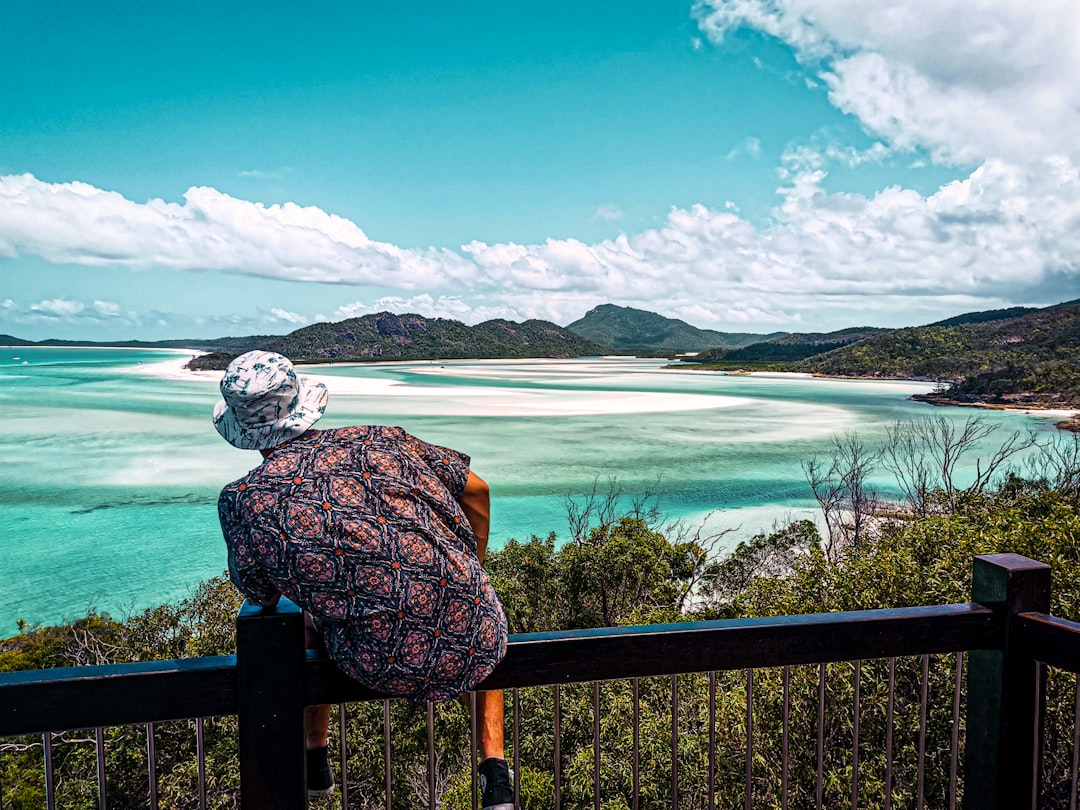
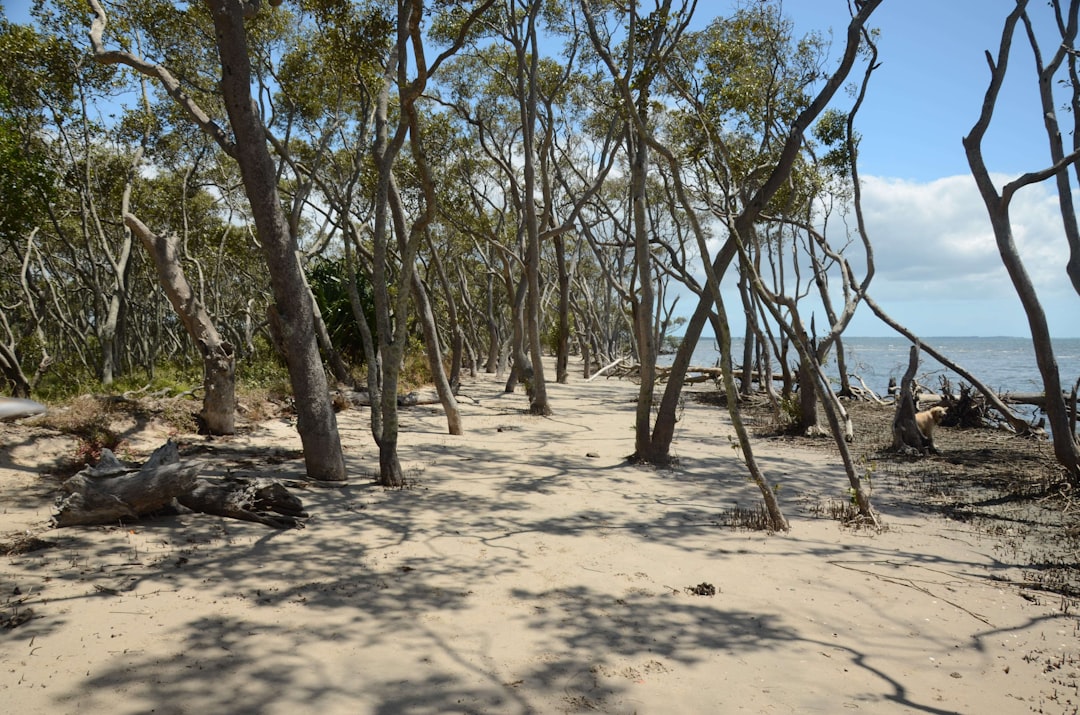

The turquoise water stretches out before you, shimmering under the late afternoon sun. A gentle breeze carries the scent of salt and eucalyptus as you step onto the soft, white sand between two massive granite boulders. Before you, a kaleidoscope of fish dart through the coral just feet from shore, while overhead, a white-bellied sea eagle circles lazily. This moment—perfect, serene, alive with nature’s rhythm—is what draws adventurers to Queensland’s coastline year after year. But timing your visit just right can transform a good experience into an unforgettable one.
Nature’s Rhythm: Queensland’s Outdoor Calendar by Season
Queensland’s outdoor scene dances to the beat of its own distinctive seasons, each offering unique opportunities for adventure. Unlike the traditional four seasons many are familiar with, Queensland’s tropical climate creates a rhythm all its own.
December to February: Summer Symphony
This is peak season along Queensland’s coast, characterized by warm temperatures, humidity, and afternoon thunderstorms. It’s the perfect time for beach activities, swimming in protected areas, and exploring the Whitsunday Islands. The Great Barrier Reef experiences its warmest waters, ideal for snorkeling and diving, though it’s also stinger season.
March to May: Autumn Balance
As the humidity begins to ease, autumn brings comfortable temperatures and generally settled weather. This transition period is excellent for hiking in national parks like Lamington or Noosa, with fewer crowds than summer and pleasant conditions for outdoor adventures.
June to August: Winter Wonders
Winter in Queensland means perfect beach weather—sunny days with lower humidity and comfortable temperatures. It’s the prime season for whale watching as humpback whales migrate along the coast. This period offers excellent conditions for hiking, cycling, and exploring without the summer crowds or heat.
“Winter is when the reef is at its clearest, with visibility often exceeding 30 meters. It’s our secret season for diving,” says Marine biologist Dr. Eleanor Chen from the Cairns Institute.
September to November: Spring Awakening
Spring brings warming temperatures and increasing humidity as Queensland transitions back toward summer. It’s a fantastic time for birdwatching as many species breed and display. The water begins to warm up, making it ideal for snorkeling without the stinger risk of summer.
Local’s Lore: Secrets Queenslanders Won’t Tell Tourists
Those who live along Queensland’s coast have developed an intimate understanding of its rhythms and nuances. Here are some timing insights that locals know but rarely share with visitors.
Regional Timing Secrets
- Cairns & Tropical North: Late September offers the sweet spot—clear water from winter’s absence yet warm enough for comfortable swimming without stingers.
- Whitsundays: The week between Christmas and New Year’s sees surprisingly fewer boats in the Whitsunday Passage despite being peak season.
- Gold Coast: March brings world-class surf conditions without the summer crowds at Burleigh Heads.
- Sunshine Coast: Early winter mornings in Noosa offer pristine coastal walks before the day heats up.
Weather Wisdom: Beyond the Forecast
Queensland’s weather can be unpredictable, but understanding its patterns helps you make the most of your outdoor adventure.
Regional Climate Variations
The Queensland coast spans over 2,500 kilometers, creating significant climate variations. The tropical north experiences distinct wet and dry seasons, while southern regions have more moderate conditions year-round.
Extreme Weather Awareness
Cyclone season runs from November to April in tropical Queensland. While major cyclones don’t hit every year, it’s wise to travel insurance that covers weather disruptions during this period.
Adventure Alignment: Matching Activities to the Perfect Season
Different outdoor activities in Queensland thrive during different seasons. Here’s how to align your adventure with the optimal timing.
Marine Adventures
- Snorkeling & Diving the Great Barrier Reef: June to November offers the best conditions with warm water, great visibility, and minimal stinger risk.
- Whale Watching: June to September is peak season for humpback whale migration along the Queensland coast.
- Fishing: Winter (June-August) is prime time for reef fishing, while summer offers excellent sport fishing opportunities.
Land-Based Adventures
- Hiking: April to October provides comfortable temperatures for exploring Queensland’s national parks.
- Rock Climbing: Winter and spring offer ideal conditions with drier rock and comfortable temperatures at Queensland’s climbing destinations.
- Cycling: The cooler months of May to September are perfect for cycling adventures along coastal routes.
Wildlife Encounters
Key Takeaways
- Queensland’s climate varies significantly along its coast—research your specific destination’s patterns
- Winter (June-August) offers perfect beach weather and excellent conditions for most outdoor activities
- Spring (September-November) provides a sweet spot between winter’s crispness and summer’s heat
- Summer (December-February) brings the Great Barrier Reef’s warmest waters but also stinger season and higher humidity
- Autumn (March-May) offers pleasant conditions with fewer crowds as summer ends
Understanding Queensland’s seasonal rhythms transforms a simple beach holiday into a deeply connected experience with one of the world’s most diverse coastal environments. Whether you’re snorkeling the Great Barrier Reef, hiking through ancient rainforests, or simply enjoying the perfect beach day, timing your visit right opens doors to experiences that most visitors never discover. The Queensland coast doesn’t just offer adventure—it offers adventure in perfect rhythm with nature’s own calendar.
Frequently Asked Questions
What is the best time to visit Queensland for beach activities?
June to August is the prime time for beach activities in Queensland. This winter period offers sunny days with lower humidity and comfortable temperatures, typically around 20-25°C. It’s ideal for swimming, beachcombing, and coastal walks without the summer crowds. The water is clear with visibility often exceeding 30 meters according to Marine biologist Dr. Eleanor Chen from the Cairns Institute.
How does the climate vary along Queensland’s 2,500km coastline?
Queensland’s coastline spans over 2,500 kilometers, creating significant climate variations. The tropical north experiences distinct wet and dry seasons, while southern regions have more moderate conditions year-round. The highest rainfall typically occurs in the tropics between January and March, while southern regions see more evenly distributed rainfall throughout the year.
When is the best time for snorkeling the Great Barrier Reef?
June to November offers the best conditions for snorkeling the Great Barrier Reef with warm water, great visibility exceeding 30 meters, and minimal stinger risk. Late September provides a particularly sweet spot in Cairns and Tropical North, with clear water from winter’s absence yet warm enough for comfortable swimming without stingers.
What should I budget for regarding weather-related disruptions in Queensland?
Travel insurance that covers weather disruptions is recommended during cyclone season from November to April in tropical Queensland. While major cyclones don’t hit every year, the potential exists. Additionally, consider that peak season (December-February) may see higher accommodation prices, with early December or late January often offering better value than Christmas and New Year’s week.



Be the First to Comment
Sign in to start the conversation.