
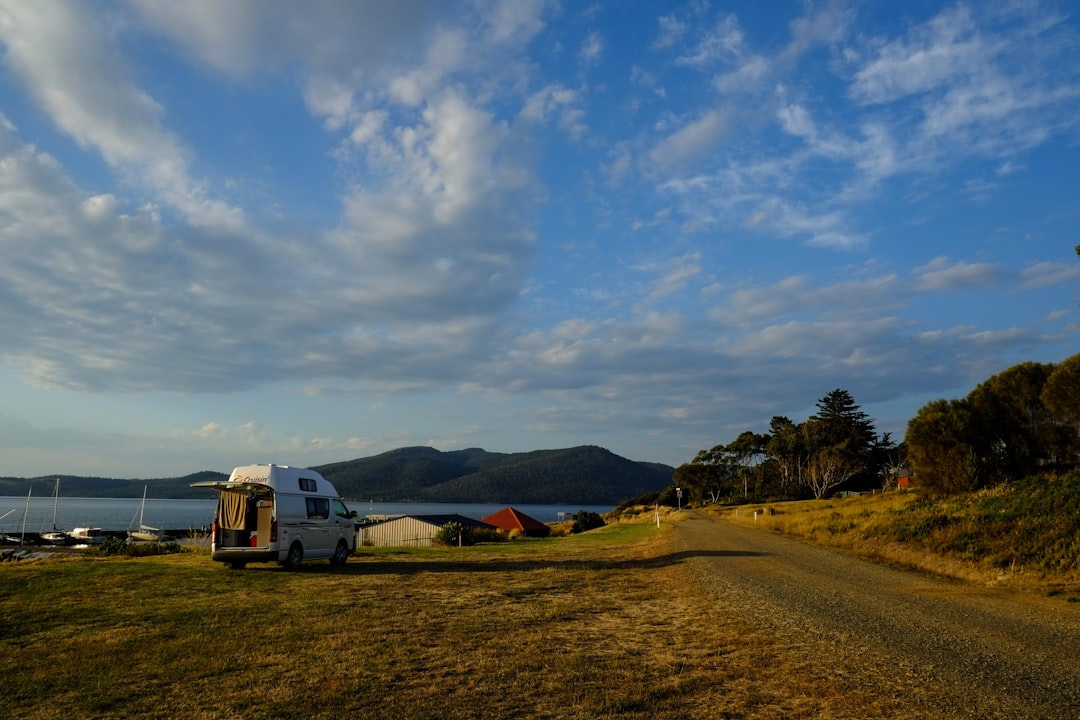
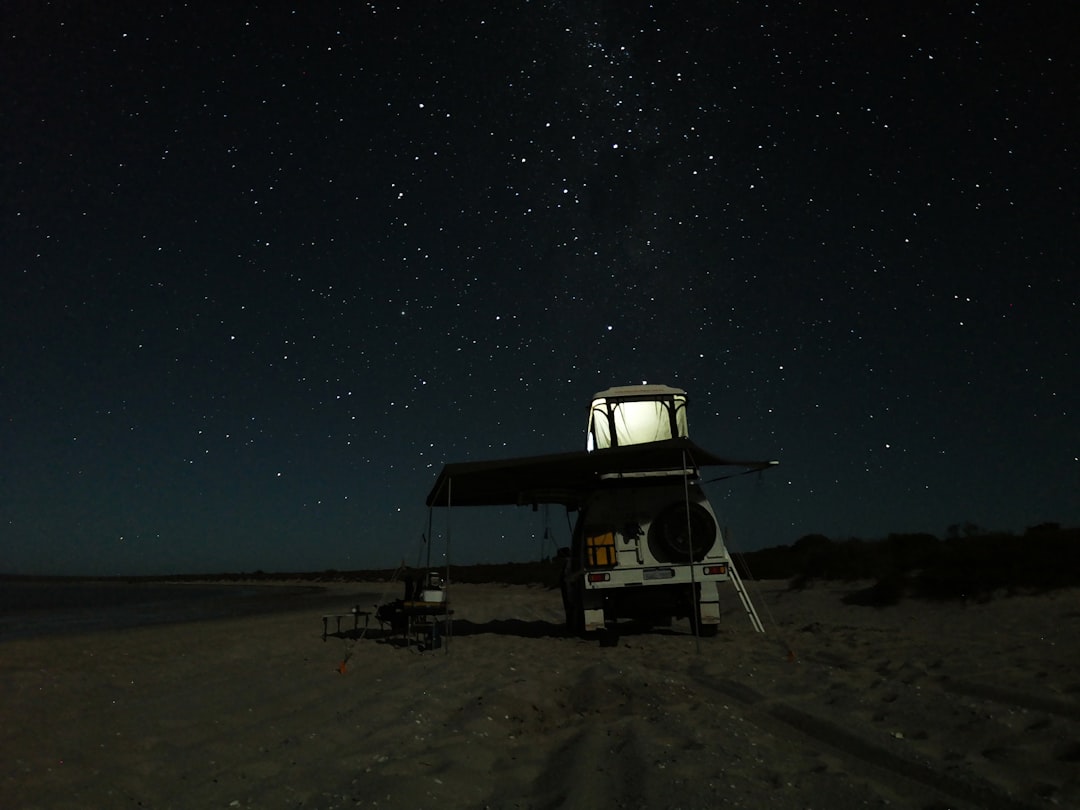
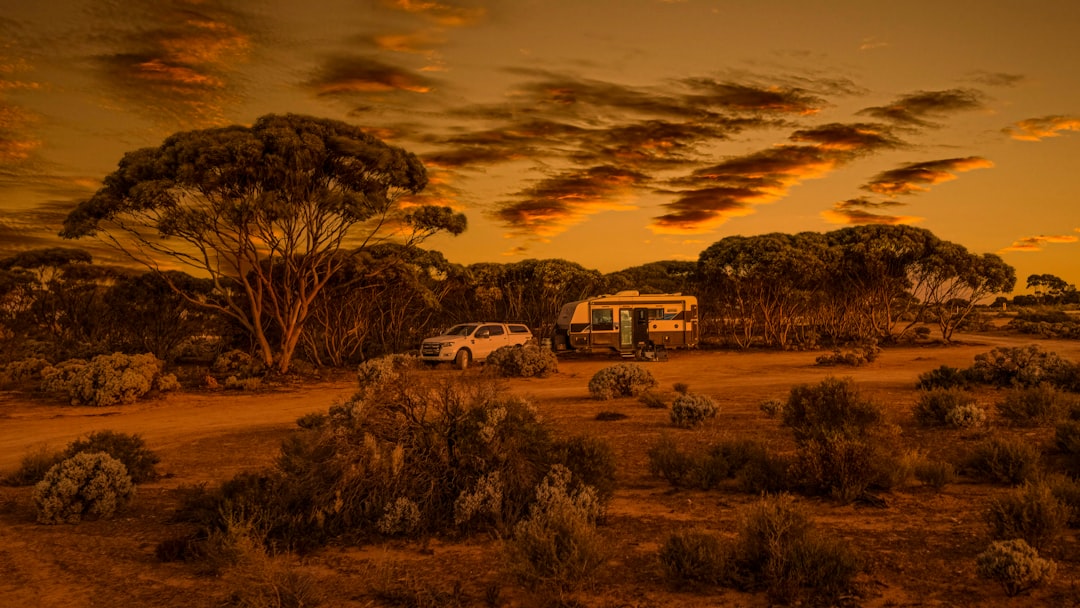
The first light hits the sandstone escarpment at Euroka Clearing, and the whole world turns gold. A mob of swamp wallabies moves through the morning mist, their silhouettes dark against the bleeding gums and paperbarks. The air smells of eucalyptus and damp earth—clean in a way that city air never quite manages. I’ve watched people who’ve never pitched a tent stand exactly here, within their first week of starting. This is what awaits anyone who steps outside, regardless of experience or budget. The Australian bush doesn’t care if you spent $2,000 on gear or borrowed a sleeping bag from your mate. It meets you exactly where you are.
The Zero-Gear Problem: Free Outdoor Activities Beginners Can Start Today
Let’s address the elephant in the room: gear is expensive. Or at least, that’s what outdoor retailers would have you believe. The barrier that stops most people from exploring outdoor activities beginners can genuinely enjoy isn’t ability or time—it’s the perceived cost of entry. I spent $800 on gear I didn’t need in my first year. Here’s how to avoid that mistake entirely.
The truth is, some of the most rewarding free outdoor activities beginners can experience require nothing more than a pair of reasonable shoes and a water bottle. Day walks through National Parks, sunrise viewing from lookouts, stargazing in dark sky reserves—these aren’t lesser experiences. They’re the foundation upon which everything else builds.
National Parks with No Entry Fees
Not every National Park charges an entry fee. In New South Wales alone, dozens of parks are completely free to access. In the Blue Mountains region, while popular sites like Blue Mountains National Park have implemented vehicle fees in recent years, walking in from many access points remains free. The Prince Henry Cliff Walk between Katoomba and Leura? Free. The Charles Darwin Walk in Wentworth Falls? Free. The historic National Pass (currently undergoing repairs after rockfall damage, but sections remain accessible)? Free.
Community Equipment Hire Programs
Before you buy, borrow. The Blue Mountains has several community gear libraries and hire programs that let you test equipment before committing. The University of NSW’s Outdoor Club, various Scouts groups, and some caravan parks offer tent hire at rates far below purchase prices. Some Blue Mountains visitor centres can point you toward “try-before-you-buy” events run by outdoor retailers—honest sessions where you can pitch tents, test sleeping bags, and feel the weight of different packs.
The Lost Wallet Discovery
A few years back, I arrived at a campsite in the Megalong Valley realising the payment system was card-only—and the machine was down. No cash on hand, no way to pay. Frustrating in the moment, but it led to one of the best discoveries of my camping life. Five minutes down the road, I found a completely free, more beautiful spot with better views, more wildlife, and zero facilities (which meant zero crowds). That “mistake” became my favourite free outdoor activities beginners destination in the region. The lesson? Sometimes the paid option isn’t the better option.
The 20 Outdoor Activities Matrix: Your Progression Framework
This isn’t a random list of 20 outdoor activities—it’s a framework organised by three practical factors: skill floor (what you actually need to know before starting), cost bracket (from completely free to moderate investment), and “time-to-reward” (how quickly you’ll feel that magic moment of connection with the outdoors). Each activity includes a Blue Mountains reference point because this region offers every difficulty level in one place.
Category 1: Zero Skill, Zero Cost (Start This Weekend)
- Sunrise Viewing — Echo Point or Govetts Leap lookouts. Time-to-reward: immediate. The work is just waking up early.
- Short Nature Walks — The Fairfax Heritage Walk at Blackheath (wheelchair accessible, 20 minutes). Zero fitness required.
- Birdwatching — The Blue Mountains Botanic Garden at Mount Tomah has over 100 bird species recorded. Free entry, carpark birding is genuinely productive.
- Picnicking at Lookouts — Sublime Point in Leura has tables, facilities, and world-class views. Cost: whatever food you pack.
- Stargazing — The Megalong Valley has genuinely dark skies despite relative proximity to Sydney. The Milky Way is visible to the naked eye on clear nights.
- Historic Site Exploration — The Hartley Historic Site is free to wander. Read the interpretive signs, imagine the 1830s.
Category 2: Basic Fitness, Minimal Cost
- Half-Day Canyon Walks — Grand Canyon Track from Blackheath. No abseiling required, just reasonable fitness for stairs. Well-marked, popular enough that you’re never truly alone.
- Waterfall Chasing — Wentworth Falls, Leura Cascades, Katoomba Falls. Multiple tracks of varying difficulty. Cost: National Park vehicle fee or free if you walk in.
- Camping at Caravan Parks — Blackheath Glenbrook or Katoomba Falls Tourist Park. Hot showers, powered sites, safety net of civilisation. From $40/night for unpowered.
- Fossil Hunting — The Blue Mountains has Devonian period fossils in multiple locations. Research first, leave what you find.
- Bouldering (No Rope) — Frontyards Bouldering Area near Blackheath. Requires climbing shoes eventually, but beginners can start in firm sneakers on easy problems.
- Mountain Biking on Fire Trails — Andersons Fire Trail in the Megalong Valley. Gravel bike or mountain bike hire available in Katoomba.
Category 3: Moderate Skill, Moderate Investment
- Remote Camping — Newnes Plateau requires self-sufficiency. No facilities, no water, no phone reception. But also: no crowds, incredible stars, and genuine solitude.
- Overnight Hiking — The Six Foot Track from Katoomba to Jenolan Caves takes 2-3 days. Requires pack, tent, fitness, navigation skills.
- Canyoning (Guided) — Commercial operators run beginner canyons like Empress Canyon. All gear provided, skills taught on the day. Around $150-200.
- Rock Climbing (Guided) — Blue Mountains climbing schools offer half-day beginner sessions. All equipment included.
- Wild Swimming — Blue Mountains pools like the one at Leura Cascades or more remote options like Serendipity Canyon. Requires research on safety, water quality.
- 4WD Camping — Newnes and other remote sites become accessible. Requires appropriate vehicle and recovery gear knowledge.
Category 4: Advanced (Work Your Way Up)
- Multi-Day Remote Hikes — The Blue Labyrinth area requires advanced navigation, emergency beacons, genuine self-reliance.
- Technical Canyoning — Abseiling through slot canyons. Requires training, specialised gear, experienced partners.
The 3-Activity Transformation
Here’s proof there’s no single “right” entry point. Over the past few years, I’ve watched three people start their outdoor journey in completely different ways:
Person A started with a picnic blanket and a view. Drove to Echo Point, spread out, watched the sunset. Free, zero skill, and she went home to her own bed that night. Six months later, she’s a regular overnight hiker.
Person B borrowed a tent and camped at a caravan park. $40 for the site, minimal skill required, hot showers available. The safety net let him relax into the experience. He now owns his own gear and seeks out remote sites.
Person C booked a guided canyon walk. $120, moderate fitness needed, but everything was provided and she learned in a single day what would have taken months to figure out alone. She’s now training for her canyoning guide certification.
Three entry points. Three paths. All three are now regular outdoor people who’ve found their own rhythm in the bush.
Blue Mountains Training Ground: The Three-Tier System for Outdoor Activities Beginners
The Blue Mountains works as a case study for outdoor activities beginners because it offers every difficulty level within a single region. You can progress from “I’ve never walked on a dirt track” to “I’m comfortable on multi-day remote hikes” without ever leaving the area. Here’s how to use it as your training ground.
Tier 1: Katoomba Area (The Safe Zone)
This is where you start. Katoomba has the infrastructure: paved paths to major lookouts, regular crowds (which means help is nearby if something goes wrong), public transport access from Sydney, and plenty of facilities. The walks here are well-signposted, well-maintained, and well-travelled.
Key locations for beginners:
- Echo Point and the Three Sisters — the most visited site for good reason
- Katoomba Falls Reserve — easy walks, picnic facilities, Katoomba Falls Tourist Park for first-time camping
- Scenic World — controversial among purists, but the cableway provides access to the valley floor for those who can’t manage stairs
- Cliff View Lookout — 15-minute walk from town, spectacular views, zero difficulty
Tier 2: Blackheath to Mount Victoria (The Step Up)
Fewer crowds, more self-reliance required. The walks here are longer, steeper, and less populated. You’ll need to carry more water, tell someone where you’re going, and have basic navigation skills (even if that’s just following a map on your phone—though carrying a paper backup is wise).
Key locations:
- Govetts Leap Lookout — the view that launched a thousand paintings
- Grand Canyon Track — a genuine canyon experience without technical requirements
- Perrys Lookdown — steeper access to the valley, fewer people than Govetts Leap
- Mount Victoria — historic town with easier walks and the start of more remote territory
Tier 3: Remote Sites (The Real Deal)
This is where outdoor activities beginners become intermediates. Remote camping in the Blue Mountains requires genuine preparation: water filtration, first aid knowledge, emergency communication devices, navigation skills, and the confidence to be truly alone.
Newnes Plateau offers remote camping with a caveat: it genuinely needs a 4WD or a very determined walker. The dirt roads are corrugated and steep in sections. The campsites have no facilities. The phone reception is patchy to non-existent. But the pagoda rock formations, the glow worms in the canyon, and the absolute silence make it worth the effort.
Danger Zone: I got lost near Govetts Leap in my second year. Not dramatically lost—just disoriented enough to spend an extra hour bush-bashing through scrub before finding the track again. Taught me three things: always carry more water than you think you need, a paper map doesn’t run out of battery, and panic is your enemy. The bush is forgiving of mistakes if you stay calm.
The First Night Protocol: What Actually Goes Wrong
Let’s address the unspoken fears. What if I hate it? What if something happens? What if I look like an idiot? These are the questions people don’t ask out loud, but they’re the real barriers to outdoor activities beginners actually starting. Here’s what genuinely goes wrong—and how to prevent it.
The Sleeping Bag Lie
Sleeping bag temperature ratings are, charitably, optimistic. A bag rated to 0°C will keep you alive at 0°C, but you won’t be comfortable until it’s about 5-7°C warmer. For the Blue Mountains, where overnight temperatures can drop below freezing even in autumn and spring, you want a bag rated at least 5°C below your expected minimum. Or add a sleeping bag liner (adds about 5°C of warmth for $30).
The Campsite Mistake
Choosing a campsite looks simple until 2am when you realise you’re in a water drainage channel, or directly under a tree that’s dropping debris, or in the only spot that gets hit by every gust of wind. The principles: camp on flat ground (test by lying down before setting up), look up for dead branches, look around for evidence of water flow during rain, and consider where the sun will hit at 6am (warming) versus 2pm (cooking).
The Water Miscalculation
The scenario: you planned a 4-hour walk, it took 6, you didn’t bring enough water, and now you’re dehydrated with another 2 hours to go. The rule is simple: always carry more water than you think you need. For a half-day walk in warm weather, that’s minimum 2 litres per person. For a full day, 3-4 litres. Yes, it’s heavy. Yes, it’s necessary.
The Weather Window Warning
Here’s an honest limitation: I don’t camp in the Blue Mountains in January anymore. The combination of extreme heat, bushfire risk, and crowded campsites makes it my least favourite month. February is hit-or-miss. March through May? Perfect. June through August is cold but stable. September through November is wildflower season and ideal.
This isn’t about being hard-core. It’s about knowing conditions and respecting them. Summer storms can appear from nowhere, bringing lightning, flash flooding in canyons, and rapidly dropping temperatures when you’re wet. The Blue Mountains has had summer days where the temperature dropped 15°C in an hour. Plan accordingly.
Beyond the 20 Activities: Building Your Outdoor Life
The matrix gives you options, but the real goal isn’t ticking off 20 outdoor activities—it’s finding the ones that resonate with you. Some people discover they love the meditative quality of birdwatching. Others find their flow state in rock climbing. Many realise their perfect outdoor experience is a picnic blanket, a thermos of tea, and a view that makes them feel small in the best possible way.
All of these are valid. The outdoor industry sometimes pushes a narrative that “real” outdoor people do hard things, remote places, technical challenges. But the family at Echo Point watching sunset with their kids is having an authentic experience. The solo traveller journaling by Leura Cascades is having an authentic experience. The canyoner abseiling into serendipity is having an authentic experience. Different entry points, same connection to place.
Safety Note
The Blue Mountains has experienced rockfall events and track closures over recent years. Always check the NPWS alerts page before heading out, particularly for the National Pass and other historic tracks. Conditions change, and a track that was open last month might be closed today.
Key Takeaways
- Start free: The best free outdoor activities beginners can do require only shoes and a water bottle. Day walks, sunrise viewing, and picnicking at lookouts cost nothing.
- Use the matrix: The 20 outdoor activities framework helps you match activities to your current fitness, budget, and experience level.
- Progress through tiers: Use the Blue Mountains’ natural progression from Katoomba (safe, accessible) to Blackheath (quieter, more self-reliance) to remote sites (genuine preparation required).
- Prepare for real problems: Temperature ratings lie, water needs exceed expectations, and weather windows matter more than fitness.
- Find your rhythm: There’s no single right path into outdoor life. Picnic blanket or technical canyon—both are valid.
This Time Next Year
Picture yourself one year from now. Not as an “expert”—that word implies a finish line that doesn’t exist—but as someone who has found their rhythm. You’ll have a favourite sunrise spot, the one you drive to when you need perspective. You’ll know which walking shoes give you blisters on descents (and you’ll have bought different ones). You’ll have photos on your phone that don’t look real—purple sunsets over sandstone, wallabies at dawn, the Milky Way so clear it feels three-dimensional.
You’ll also have stories. The time
Frequently Asked Questions
What free outdoor activities can beginners start with in the Blue Mountains?
Beginners can start with several free activities requiring only reasonable shoes and a water bottle. Free options include the Prince Henry Cliff Walk between Katoomba and Leura, the Charles Darwin Walk in Wentworth Falls, sunrise viewing at Echo Point or Govetts Leap lookouts, and picnicking at Sublime Point in Leura. The Blue Mountains Botanic Garden at Mount Tomah offers free entry with over 100 bird species recorded for birdwatching. The Megalong Valley provides genuinely dark skies for stargazing where the Milky Way is visible to the naked eye on clear nights.
How can I try camping gear before committing to purchase?
Several community gear libraries and hire programs in the Blue Mountains let you test equipment before buying. The University of NSW’s Outdoor Club, various Scouts groups, and some caravan parks offer tent hire at rates far below purchase prices. Blue Mountains visitor centres can direct you to try-before-you-buy events run by outdoor retailers where you can pitch tents, test sleeping bags, and feel the weight of different packs. Some caravan parks like Blackheath Glenbrook or Katoomba Falls Tourist Park offer camping from $40/night for unpowered sites with hot showers as a safety net.
When is the best time to go camping in the Blue Mountains?
March through May is described as perfect for camping. June through August is cold but stable. September through November is ideal as it’s wildflower season. January is not recommended due to extreme heat, bushfire risk, and crowded campsites. February is hit-or-miss. The article notes that overnight temperatures can drop below freezing even in autumn and spring, so pack accordingly. Katoomba sits at 1,017 metres elevation, meaning temperatures can be 5-10°C cooler than Sydney even in summer.
What are the common mistakes first-time campers make?
Three key mistakes are covered: First, sleeping bag temperature ratings are optimistic—a bag rated to 0°C will keep you alive but not comfortable until it’s 5-7°C warmer. Add a sleeping bag liner for about $30 to gain roughly 5°C of warmth. Second, poor campsite selection—always check for flat ground, look up for dead branches, look for evidence of water drainage, and consider sun exposure. Third, water miscalculation—carry minimum 2 litres per person for half-day walks and 3-4 litres for full days in warm weather. Dehydration impairs decision-making, so sip regularly rather than waiting until thirsty.
How much does it cost to start outdoor activities in Australia?
Many rewarding outdoor activities are completely free. Day walks through National Parks, sunrise viewing from lookouts, and stargazing require only shoes and a water bottle. In NSW, dozens of National Parks have no entry fees. For those wanting guided experiences, commercial operators run beginner canyons like Empress Canyon for around $150-200 with all gear provided. Caravan park camping at locations like Blackheath Glenbrook or Katoomba Falls Tourist Park starts from $40/night for unpowered sites. The author notes they spent $800 on unnecessary gear in their first year—money that could have been saved by starting with free activities and borrowing equipment.
Be the First to Comment
Sign in to start the conversation.