
The Natural Clock — Timing Your Encounters by Biology, Not Kilometres
What if I told you that within a 10-day road trip from Sydney, you could witness more unique species than most wildlife enthusiasts see in a lifetime—yet 90% of travellers drive right past them?
Most road trips Australia content obsesses over distances, fuel stops, and accommodation. But here’s what those itineraries miss: wildlife doesn’t operate on your driving schedule. A kangaroo mob grazing at dawn, a koala stirring from its midday torpor, a whale breaching during its annual migration—these moments belong to biological clocks, not kilometre markers. This guide flips the standard approach. Instead of telling you where to drive, we’ll start with when animals are actually visible, then build your route around those windows. Whether you’re planning a 7-day road trip from Sydney or an extended 10-day road trip Australia adventure, the principles remain the same. Master the timing, and you’ll see what most travellers miss entirely.
Dawn and Dusk: The Golden Windows
In the Australian bush, crepuscular activity—the twilight behaviour of many native species—dominates the wildlife calendar. Kangaroos, wallabies, wombats, and even koalas are most active during the low-light hours surrounding sunrise and sunset. This isn’t casual behaviour; it’s thermoregulation. During hotter months, these animals conserve energy by resting through the heat of the day, emerging when temperatures drop.
For road trippers, this creates a simple but powerful planning principle: structure your driving around rest stops at dawn and dusk, not midday. A 7-day road trip from Sydney that positions you near good habitat at these times will outperform a longer itinerary that ignores biology entirely.
Seasonal Migrations and Breeding Events
Beyond daily rhythms, Australia’s wildlife follows seasonal patterns that can transform a good road trip into an extraordinary one. The key events:
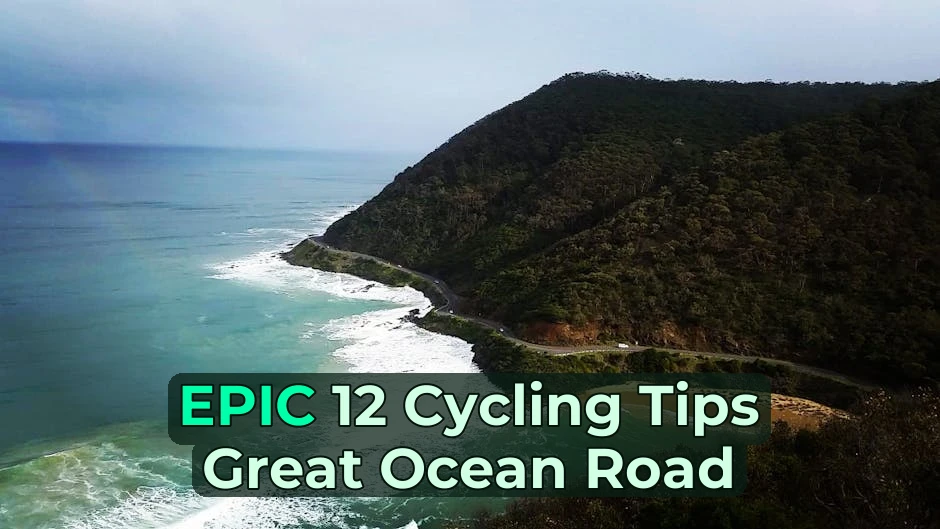
- Whale migration (May–November): Humpbacks travel north along the east coast from May to July, returning south with calves from September to November. A 10-day road trip Australia route from Sydney to the Great Ocean Road in October offers excellent southern migration viewing.
- Seal pupping (November–January): Australian Fur Seals give birth on offshore islands and protected coastlines. The Otways and Phillip Island become prime viewing locations.
- Bird breeding season (September–January): Spring and early summer bring nesting behaviour, territorial displays, and higher visibility across countless species.
- Koala breeding (September–March): Male koalas become more vocal and active during the breeding season, increasing your chances of spotting them on the move rather than sleeping in canopy forks.
Moon Phase Considerations
Here’s something most guides never mention: nocturnal wildlife activity spikes during darker moon phases. When planning overnight stops on Australia road trip itineraries, check the lunar calendar. A new moon period means brighter headlight reflections from nocturnal animals’ eyes (eyeshine), easier spotlighting walks, and more ground-level movement from species that feel exposed under full moonlight.
Retrofitting Timing Into Your Itinerary
For a 7-day road trip from Sydney, you can’t chase every optimal window. Here’s how to prioritise without blowing your schedule:
- Lock in two dawn stake-outs: Choose locations with high-density habitat (we’ll cover specific spots in Section IV). Sacrifice an hour of sleep, not the encounter.
- Plan dinner around dusk: Instead of restaurant dinners, pack picnics to wildlife-rich rest stops. Eat while watching the bush wake up for the night shift.
- Build in one spotlighting session: A 30-minute night walk at a national park campground can reveal possums, gliders, owls, and nocturnal macropods.
Honest Limitations: What Requires More Time
Some species demand patience that a standard road trip can’t accommodate. Platypus sightings typically require multiple dawn visits to reliable waterways—they’re crepuscular but easily disturbed, and there’s no guarantee even at known locations. Tasmanian Devils, while iconic, exist only in Tasmania (obviously) and a few mainland sanctuaries; they’re not a realistic target for road trips Australia routes confined to the mainland. Numbats, bilbies, and other threatened mammals generally require dedicated conservation sanctuary visits or multi-day expeditions into remote habitat.
Route as Habitat — Reading the Landscape Like a Local
Most wildlife guides list locations. This section teaches you to read habitat patterns—so you can find wildlife anywhere your road trips Australia adventures take you.
The Ecotone Principle
Ecotones—transition zones where two habitat types meet—are wildlife goldmines. Why? Because they offer resources from both ecosystems in a compact area. Forest-edge-road corridors, river crossings, coastal heathland boundaries, and farmland-bush interfaces all concentrate animal activity.
When driving your 7-day road trip from Sydney or extended 10-day route, watch for these transitions:
- Forest to farmland edges: Kangaroos graze improved pasture at dusk, retreating to forest cover by day. The boundary zone is prime territory.
- River crossings: Water attracts everything. Birds, reptiles, and mammals all congregate near permanent water, especially in drier inland regions.
- Coastal heath to forest transitions: The Great Ocean Road’s most diverse wildlife zones occur where cool temperate rainforest meets coastal heath—areas like the Otways deliver this interface dramatically.
Local Insight: Raymond Island’s koala population is more reliable than Kennett River for one reason: the island’s compact size and limited vehicle access mean koalas are concentrated into a smaller area with less disturbance. A free ferry takes you across, and a 45-minute walk virtually guarantees multiple sightings.
Great Ocean Road Habitat Mapping
For a 10-day road trip Australia that includes the Great Ocean Road, understanding habitat zones transforms random stops into strategic encounters:
Tower Hill Wildlife Reserve: This dormant volcano caldera creates a self-contained ecosystem. Wetland, grassland, and forest habitats coexist within the crater walls. Eastern Grey Kangaroos, koalas, emus, and echidnas are all resident. The enclosed geography means wildlife densities are higher than surrounding areas—arrive early morning or late afternoon for best results.
The Otways Rainforest: Cool temperate rainforest harbours different species than the coastal strip. Look for satin bowerbirds, Australian king-parrots, and the elusive pink robin in wetter gullies. Glow worms appear in dark, damp overhangs at night.
Marengo Reefs Marine Sanctuary: Just south of Apollo Bay, this protected intertidal zone reveals a different world at low tide. Fur seals haul out on offshore rocks, while the reef platform hosts anemones, sea stars, and octopus in rock pools.
Inland NSW Routes: Water Source Logic
A 7-day road trip from Sydney heading inland operates by different rules. The further you travel from the coast, the more water becomes the limiting factor for wildlife distribution. Rivers, dams, and even roadside culverts become wildlife magnets.
The Murray-Darling basin, the Murrumbidgee corridor, and the Lachlan River system all concentrate wildlife during dry periods. When planning Australia road trip itineraries through inland NSW, mark permanent water sources on your map—these are your wildlife stops.
The Rest Stop Revelation
Here’s a truth that transformed my own road trip wildlife success: roadside rest stops are underutilised wildlife hotspots. These areas are typically left to regenerate, contain mature trees (unlike cleared farmland), and provide water facilities that attract birds and mammals. A 15-minute walk through a nondescript highway rest area near Holbrook delivered my best echidna encounter—snuffling through leaf litter, completely unconcerned by my presence, then slowly rolling into its defensive ball when I shifted position for a photograph.
The lesson? Don’t drive past “boring” stops on your way to famous national parks. Sometimes the unmarked rest area outperforms the attraction you’re heading toward.
The Observation Protocol — Fieldcraft for Road Trippers
Knowing where and when wildlife appears means nothing if you scare it away before you’ve had a chance to observe. This section covers the how—practical skills that separate successful wildlife spotters from frustrated tourists.
Vehicle Positioning for Photography
Your vehicle is both observation platform and potential disturbance. Use it strategically:
- Approach slowly: Sudden movements trigger flight responses. Coast to a stop rather than braking hard near wildlife.
- Engine off: The vibration and noise of an idling engine unsettles animals. Switch off completely for observation.
- Stay inside initially: Many species are more disturbed by human silhouettes than vehicles. Observe from inside, then exit slowly if you need a different angle.
- Use your vehicle as a blind: Position so your door opens toward the subject, using the car body to break your outline.
Movement and Noise Discipline
When you’re travelling with children (or enthusiastic adults), this becomes challenging but essential:
- Move slowly and predictably: Jerky movements read as predatory behaviour to wildlife.
- Lower your voice: You don’t need silence, but quiet conversation is less disturbing than excited shouting.
- Freeze on alarm signals: If an animal stops feeding and raises its head, freeze. Resume movement only when it relaxes.
- Avoid direct eye contact: Many species interpret staring as threat behaviour. Watch through binoculars, use peripheral vision, or look slightly to the side.
Optical Equipment by Commitment Level
You don’t need expensive gear to enjoy wildlife watching, but the right equipment helps:
Phone photography (casual): Modern phones handle close-range wildlife adequately. The key is distance—use your phone’s zoom rather than approaching closer. A small clip-on telephoto lens can extend your reach significantly.
Enthusiast binoculars (intermediate): An 8×42 or 10×42 binocular offers the best balance of magnification, light gathering, and hand-holdability. Spend $200–400 for decent optics; cheaper models frustrate more than they help.
Wildlife photography setup (committed): A mirrorless or DSLR camera with a 100-400mm lens covers most road trip wildlife scenarios. Tripods are often impractical from vehicles—a beanbag rest on the window sill works better.
Safety Distances and Behaviour Reading
Wildlife observation carries responsibilities—to the animals, and to your own safety.
Kangaroos: Maintain 20–30 metres minimum. Warning signs include standing tall on hind legs, throat scratching, and lip-curling. A kangaroo that feels cornered or threatened can deliver powerful kicks capable of causing serious injury.
Koalas: These appear docile but stress easily. Stress signals include rapid blinking, vocalising, and excessive grooming. Maintain 10 metres for wild koalas; never attempt to touch them.
Snakes: Australia’s venomous snake species demand respect. Never approach or attempt to handle any snake. Most bites occur when people try to kill or move snakes. Maintain 3+ metres, observe from distance, and wait for the snake to move on.
Ethical Wildlife Viewing Framework
The principles of ethical observation are simple but often ignored:
- No baiting: Never use food to attract wildlife. It alters natural behaviour, creates dangerous animal-human interactions, and is illegal in most jurisdictions.
- No playback: Broadcasting bird calls to attract territorial individuals can disrupt breeding and cause unnecessary stress. Reserve playback for organised surveys with scientific purpose.
- No approach for selfies: The perfect photo is never worth disturbing an animal. If you can’t get the shot ethically, don’t take it.
- Leave no trace: Stay on formed tracks, take all rubbish, and leave habitat exactly as you found it.
The Encounter Catalogue — Species Profiles Mapped to Your Route
This section organises species by encounter difficulty and maps them to route segments. Use it as a reference—scan for your target species, find the best locations, and understand what makes success more likely.
Tier 1: “Can’t Miss” Species
These species are virtually guaranteed on well-planned road trips Australia itineraries with appropriate habitat stops.
Eastern Grey Kangaroo
Route segment: Everywhere from Sydney departure through inland NSW and coastal Victoria
Best locations: Farmland edges at dawn/dusk, national park picnic areas, golf courses (often have resident mobs)
Seasonal reliability: Year-round, highest visibility in cooler months
Behavioural tip: Approach grazing mobs from downwind; kangaroos rely on smell to detect approaching threats
Koala
Route segment: Great Ocean Road, Raymond Island, inland NSW eucalyptus forests
Best locations: Raymond Island (walk the circuit trail), Cape Otway, Tower Hill Reserve
Seasonal reliability: Year-round, but more active during September–March breeding season
Behavioural tip: Scan the lower branches of manna gums; listen for deep, pig-like grunting at night indicating males in the area
Emu
Route segment: Inland NSW, Tower Hill Reserve
Best locations: Tower Hill (guaranteed), rural roadside throughout western NSW
Seasonal reliability: Year-round
Behavioural tip: Emus are curious and may approach vehicles. Enjoy the encounter, but don’t feed them.
Australian Fur Seal
Route segment: Great Ocean Road
Best locations: Marengo Reefs Marine Sanctuary, London Bridge arch
Seasonal reliability: Year-round, pupping season November–January offers highest activity
Behavioural tip: Low tide exposes more haul-out rocks; arrive with binoculars as seals may be 50+ metres offshore
Tier 2: “Good Chance” Species
These species require specific habitat knowledge and timing, but success is realistic on standard itineraries.
Echidna
Route segment: Throughout NSW and Victoria, particularly forest and woodland areas
Best locations: Tower Hill, the Otways, highway rest stops with uncleared vegetation
Seasonal reliability: Year-round but more active in cooler months; winter hibernation is rare in milder coastal areas
Behavioural tip: Echidnas often forage in leaf litter near fallen timber. If disturbed, they’ll dig straight down or curl into a ball—wait quietly and they’ll usually resume activity within minutes
Wombat
Route segment: Inland NSW, the Otways, cooler highland areas
Best locations: Wilsons Promontory (outside Great Ocean Road but accessible on extended trips), the Otways, Kosciuszko approaches from Sydney
Seasonal reliability: Year-round but strictly crepuscular and nocturnal
Behavioural tip: Scan pasture edges at dusk for grazing wombats; their square droppings on rocks and logs indicate active burrows nearby
Sulphur-crested Cockat
Frequently Asked Questions
What are the best times of day to spot Australian wildlife on a road trip?
Dawn and dusk are the optimal wildlife watching windows in Australia. Kangaroos, wallabies, wombats, and koalas are most active during these low-light hours due to thermoregulation—they rest during the heat of the day and emerge when temperatures drop. Eastern Grey Kangaroos can reduce their water requirements by up to 50% by limiting activity to cool periods. Plan your driving schedule around rest stops at these times rather than midday for the best observation opportunities.
How can I increase my chances of seeing koalas in the wild?
Raymond Island offers more reliable koala sightings than Kennett River because the island’s compact size concentrates koalas into a smaller area with less disturbance. A free ferry takes you across, and a 45-minute walk virtually guarantees multiple sightings. On the Great Ocean Road, Cape Otway and Tower Hill Reserve are excellent locations. Scan the lower branches of manna gums and listen for deep, pig-like grunting at night indicating breeding males. Koalas are more active during the September–March breeding season.
What seasonal wildlife events should I plan my Australian road trip around?
Key seasonal events include whale migration (May–November), with humpbacks travelling north from May to July and returning south with calves from September to November. Seal pupping occurs November–January at locations like Phillip Island and the Otways. Bird breeding season runs September–January with higher visibility across species. A 10-day road trip from Sydney to the Great Ocean Road in October offers excellent southern whale migration viewing opportunities.
How close can I safely approach kangaroos and koalas in the wild?
Maintain a minimum distance of 20–30 metres from kangaroos. Warning signs include standing tall on hind legs, throat scratching, and lip-curling—back away if you observe these behaviours. For koalas, maintain at least 10 metres and never attempt to touch them. Stress signals include rapid blinking, vocalising, and excessive grooming. Under Australian law, approach distances are regulated in national parks, and fines apply for disturbing native animals. If your presence changes an animal’s behaviour, you’re too close.
What equipment do I need for wildlife watching on an Australian road trip?
For casual observation, modern phones with zoom capability work adequately, though clip-on telephoto lenses extend reach. For intermediate wildlife watching, 8×42 or 10×42 binoculars priced around $200–400 offer the best balance of magnification and hand-holdability. Committed wildlife photographers should consider a mirrorless or DSLR camera with a 100-400mm lens. Tripods are impractical from vehicles—use a beanbag rest on the window sill instead for stable shooting.



Be the First to Comment
Sign in to start the conversation.