
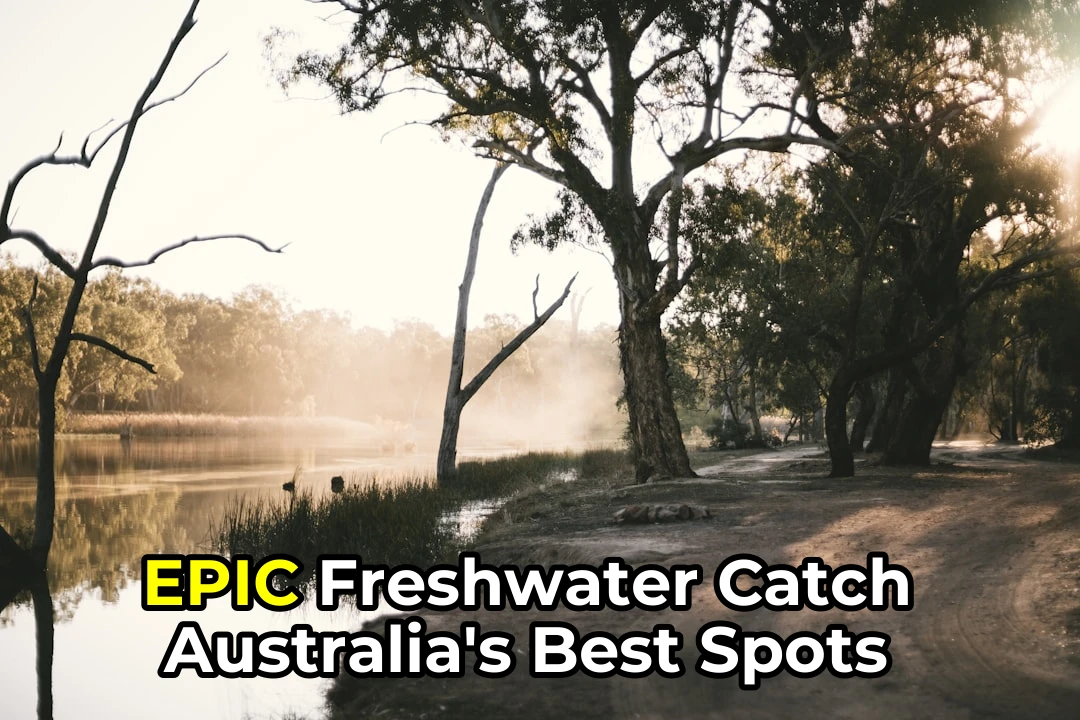

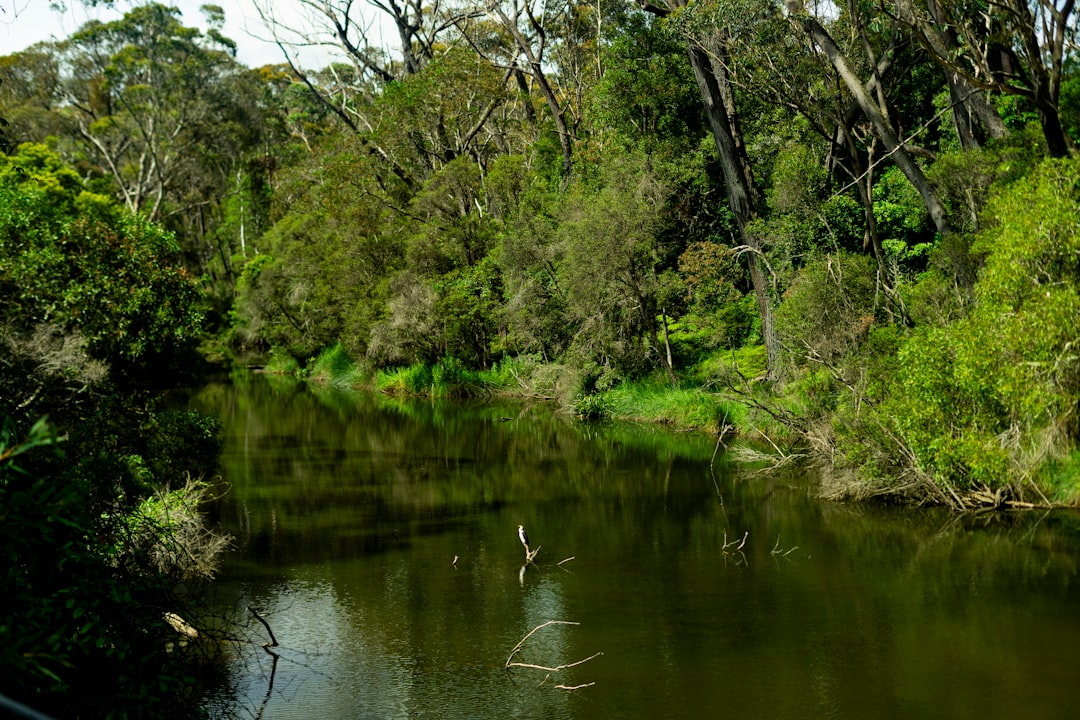

Dawn on the Murray: Where It All Begins
The mist hangs low over the Murray River as first light creeps across the water, and the only sound is the gentle gurgle of current against the snag line. You work a surface lure slowly along the timber edge, each pause feeling like an eternity. Then it happens—an explosive strike that nearly tears the rod from your hands. A Murray cod has inhaled your offering, and in that heart-stopping moment, you understand why anglers become obsessed with Australian native fish. This is freshwater fishing in Australia: ancient waterways, species found nowhere else on Earth, and the constant humbling reminder that the water always has more to teach you.
This guide exists to bridge the gap between standing on the bank wondering what to do, and actually understanding what’s happening beneath the surface. Whether you’re chasing the legendary Murray cod, the fighting golden perch, or the elusive Australian bass, the principles remain the same: read the water, know your quarry, respect the resource. Let’s dive into everything you need to know about freshwater fishing across this vast, varied continent.
Reading Australian Waterways: Where Fish Actually Live
Australian freshwater systems are unlike anywhere else in the world. Our rivers run slow and brown with tannin, our impoundments hide submerged forests beneath their surfaces, and our tropical northern rivers pulse with seasonal rhythms that demand respect. Understanding where fish live—and why—transforms fishing from luck into informed pursuit.
The Murray-Darling Basin: Australia’s Inland Highway
The Murray-Darling Basin covers roughly one-seventh of Australia’s landmass, draining into the Southern Ocean through Lake Alexandrina in South Australia. This system holds our most iconic native species, but reading it requires understanding its moods. The Murray itself offers endless snag lines—fallen timber, undercut banks, and backwater eddies where cod and yellowbelly wait in ambush. The Murrumbidgee, a major tributary, carves deep holes along its meandering course, particularly below weir pools where current concentrates fish.
Tropical Northern Rivers: The Wet-Dry Pulse
From the Kimberley across the Top End and down through Queensland’s Gulf Country, northern rivers operate on a dramatic seasonal cycle. The wet season (November to April) floods the landscape, allowing fish to spread across vast floodplains. As waters recede in the dry season, fish concentrate in the main channels and permanent waterholes. This concentration makes dry-season fishing incredibly productive, but accessing remote areas requires careful planning and often a four-wheel-drive vehicle.
Alpine Streams and Highland Impoundments
The Snowy Mountains, Victorian High Country, and Tasmania’s central plateau offer a completely different experience—cold, clear waters where introduced trout species thrive alongside native mountain galaxias. Lake Eildon in Victoria exemplifies highland impoundment fishing: submerged timber creates a labyrinth of fish-holding structure, and trolling deep-diving lures along old creek beds produces consistent results. These waters demand different techniques and lighter tackle than the big rivers to the north.
Queensland’s Stocked Impoundments: The Dam Phenomenon
Queensland’s network of stocked impoundments—Lake Awoonga, Lake Monduran, Lake Somerset, and dozens more—represents one of Australia’s great freshwater fishing success stories. These dams hold healthy populations of barramundi, saratoga, golden perch, and even the mighty mangrove jack in some systems. The key to reading impoundments lies in understanding seasonal thermoclines (temperature layers that concentrate fish at specific depths) and locating submerged structure like timber stands, old creek channels, and rock bars.
Here’s the honest truth: even expert anglers get skunked on so-called “guaranteed” waters. I’ve spent days on the Murray during perfect conditions—stable barometer, good flow, ideal water temperature—and caught nothing. Then I’ve returned a week later in supposedly ordinary conditions and landed multiple fish. The water doesn’t read the same guidebooks we do. Fish aren’t where they *should* be; they’re where the food is, where they feel secure, and where the conditions suit their biological imperatives at that moment.
The Australian Native Pack: Who You’re Chasing
Australian freshwater fish have evolved in isolation for millions of years, developing unique characteristics that make them challenging and rewarding targets. Knowing your quarry—their habits, preferences, and fighting styles—dramatically improves your chances of success.
Murray Cod: The Legendary Giant
The Murray cod holds near-mythical status in Australian fishing culture, and for good reason. These fish can exceed 100 centimetres and live for decades, growing slowly in our often-harsh inland conditions. Cod are ambush predators, holding tight to structure—snags, rock walls, fallen timber—and exploding outward to engulf prey. Their strike is explosive, their fight powerful and determined, and their survival after catch-and-release requires careful handling.
Behaviour patterns worth knowing: cod become particularly active before weather changes, when dropping barometric pressure seems to trigger feeding. They’re most active in low-light periods—dawn, dusk, and overcast days—but will feed throughout the day in turbid water or deep structure. Large cod are territorial, often occupying the same snag for years, which makes them vulnerable to overfishing and underscores the importance of releasing big breeding fish.
Golden Perch (Yellowbelly): The Schooling Sportfish
Golden perch, affectionately known as yellowbelly, offer some of Australia’s most accessible and enjoyable freshwater fishing. These aggressive predators school at specific depths, particularly during winter when they congregate in deep water. The thrill of finding a school and hooking fish after fish keeps anglers returning to favourite impoundments and river holes year after year.
Yellowbelly fight hard for their size, using their broad bodies to resist being pulled from the depths. They respond well to a variety of techniques—bait fishing with yabbies or worms, casting hardbody lures, and jigging soft plastics through schooled fish. In impoundments, locating the thermocline (often with the help of a sounder) puts you in the zone where yellows concentrate. In rivers, look for them around structure and in the backwaters off the main current.
Australian Bass: The Recirculating Wanderers
Australian bass hold a special place in the hearts of eastern seaboard anglers. These fish spend most of their time in freshwater but migrate to estuaries during winter to spawn—a life cycle that makes them vulnerable to barriers like dams and weirs. Bass are aggressive surface feeders, making them prime targets for surface lures at dawn and dusk when they hunt insects and small fish along the edges.
The thrill of a bass smashing a surface popper in low light keeps many anglers awake the night before a trip. These fish punch above their weight, fighting with determined runs and aerial acrobatics. Key bass waters include the coastal rivers of New South Wales and southern Queensland, as well as stocked impoundments like Maroon Dam and Lake Somerville.
Silver Perch and Catfish: The Overlooked Options
Silver perch, often called silverys or bidyan, get less attention than cod and yellowbelly but offer excellent sport on light tackle. They’re deeper-bodied than goldens and tend to school more tightly, often around submerged timber or in the deeper sections of impoundments. Freshwater catfish, meanwhile, provide a different experience entirely—bottom-dwelling scavengers that respond well to bait fished on the ground. Catfish have made a strong recovery in many waters after suffering from introduced carp competition, and they’re excellent eating if you choose to keep a few for the table.
Trout: The Southern Introduction
Brown trout, rainbow trout, and brook trout were introduced to Australia in the 1800s and have established wild populations in suitable waters across the southern highlands. While not native, they’ve become part of Australia’s freshwater fishing culture and support significant recreational fisheries. Trout demand different techniques—fly fishing, spin fishing with small lures, and bait fishing with regulations varying by state. Key destinations include the Snowy Mountains, Victorian High Country, Tasmania’s Central Plateau, and the cooler streams of the New England region in New South Wales.
The Tackle Box Truth: Gear That Actually Works Here
Australian freshwater conditions demand specific tackle choices. Our native fish fight differently than trout or bass in other countries, our waterways hold unique challenges, and our local lure industry has developed innovations specifically for our conditions. Here’s what actually works.
Rod and Reel Setups: Match the Hatch
For Murray cod and large yellowbelly, a 6-7 foot medium-heavy casting rod paired with a quality baitcaster reel in the 200-300 size range offers the best combination of casting accuracy and fish-fighting power. The baitcaster configuration allows precise placement of lures beside snags—essential for cod fishing where inches matter. Load your reel with 20-30 pound braid for main line and attach a fluorocarbon leader of 30-40 pound breaking strain; cod have abrasive teeth that will slice through light leader in seconds.
For bass and smaller yellowbelly, a 6-7 foot medium spinning outfit in the 2500-3000 size class provides versatility. These fish don’t require the heavy tackle demanded by cod, but they still fight hard enough to make light gear exciting. Ten to fifteen pound braid with a 15-20 pound fluorocarbon leader works well.
Lures: The Local Arsenal
The Australian lure market has evolved to produce specific designs for our native fish, and these local options consistently outperform imported lures designed for bass or pike. Here’s what deserves space in your tackle box:
- Hardbody lures: Medium-diving hardbodies in the 50-80mm range are cod and yellowbelly staples. Look for tight wiggling actions and colours that imitate local prey—golden shad, purple, and firetiger patterns all have their moments. Surface lures (poppers, fizzers, and surface walkers) produce explosive strikes at dawn and dusk.
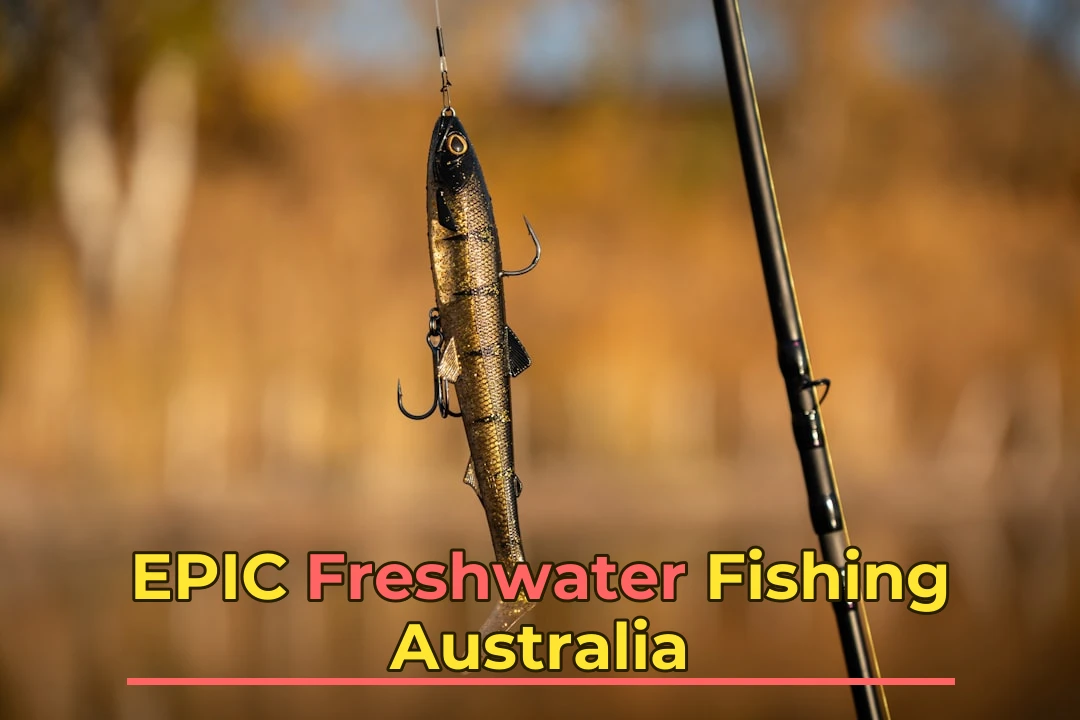
- Soft plastics: Paddle-tail swimbaits in the 3-5 inch range are incredibly versatile, allowing you to work various depths by adjusting your weight head size. Soft plastic imitations of yabbies, worms, and small fish also produce when fish are finicky.
- Spinnerbaits and chatterbaits: These lures excel when fishing through heavy timber where other lures would constantly snag. The spinning blade creates vibration that attracts fish in turbid water, and the design allows the hook to ride through structure.
A Lesson Learned the Hard Way
Early in my cod fishing journey, I spent a day casting expensive imported swimbaits at a productive snag on the Murray—lures designed for American largemouth bass and Northern pike. The cod showed absolutely no interest. A local angler watched my frustration for an hour before offering a simple observation: “That thing’s got no vibe, mate.” He handed me a classic Australian-made hardbody, and within three casts I’d hooked a solid fish. The lesson? Local knowledge isn’t just about where to fish—it extends to what fish in these waters actually respond to. Australian natives have evolved to key in on specific vibration patterns and swimming actions; give them something familiar, and your results improve dramatically.
Terminal Tackle Essentials
Beyond rods, reels, and lures, a few terminal items deserve permanent residence in your tackle bag:
- Quality hooks: If bait fishing, carry a range of circle hooks in sizes 2/0 to 6/0. Circle hooks virtually eliminate gut-hooking, making catch-and-release more successful.
- Swivels and snaps: Quality barrel swivels prevent line twist when using lures with rotating blades. Quick-change snaps allow rapid lure changes without retying.
- Sinkers: A variety of ball sinkers and bean sinkers for running sinker rigs, plus some heavier options for holding bottom in current.
- Leader material: Always carry spare fluorocarbon leader; it abrades against snags and needs regular replacement.
Technique Breakdown: From Cast to Landing Net
Having the right gear means nothing without the skills to use it effectively. These core techniques will transform your freshwater fishing success.
Casting Accuracy: Putting It Where They Live
Murray cod, in particular, hold incredibly tight to structure. The difference between a lure landing three metres from a snag and one landing thirty centimetres from it can be the difference between a fishless day and a memorable capture. Practice casting for accuracy at home—set up targets in the backyard and work on landing lures precisely where you intend. The investment in practice pays dividends on the water.
When fishing snags, cast beyond your target and retrieve the lure past it, keeping the lure in the strike zone for as long as possible. Cod often follow lures for several metres before striking, so maintain your retrieve speed and action right back to the boat or bank.
Working Lures at Different Depths
Different situations demand different presentations. Surface lures worked at dawn and dusk target fish feeding in the shallows. Mid-diving hardbodies (2-4 metres) cover the zone where many fish hold during lower light periods. Deep-divers and soft plastics on heavy jig heads probe the depths where fish retreat during bright midday conditions. The key is varying your approach until you find what’s working on that particular day.
Bait Fishing Fundamentals
While lure fishing gets most of the glory in Australian freshwater fishing, bait remains deadly effective—particularly for yellowbelly, silver perch, and catfish. Yabbies (freshwater crayfish) are the gold standard for native fish bait, either live or dead. Earthworms work well for most species. The key to bait fishing is keeping your offering in the strike zone; use enough weight to hold bottom in current, and resist the urge to constantly recast.
Reading Your Electronics
For anglers fishing from boats, a quality sounder transforms your understanding of what’s below. Learn to distinguish between baitfish schools (dense clouds of returns), individual larger fish (arches), and structure like timber and rock bars. In impoundments, locating the thermocline—visible as a distinct line across your screen—concentrates your efforts at the depth where fish are holding. Electronics aren’t magic, but they remove much of the guesswork from reading subsurface water.
Catch-and-Release: Doing It Right
Best practice catch-and-release involves:
- Minimising fight time: Use appropriate tackle to land fish quickly rather than exhausting them on light gear.
- Keeping fish in the water: Remove hooks while the fish remains submerged if possible. If you must lift the fish for a photo, support its body weight horizontally and keep it out of the water for seconds, not minutes.
- Using appropriate landing gear: Large cod should be netted with knotless mesh nets that minimise slime loss. Avoid lifting large fish by the jaw alone—their body weight can dislocate vertebrae.
- Reviving exhausted fish: Hold the fish upright in the water, moving it gently forward to force water through the gills, until it swims away strongly under its own power.
Timing: Moon, Pressure, and Seasons
Experienced anglers track conditions that trigger feeding. A rising barometer after a period of stable or falling pressure often produces excellent fishing. The three days either side of a new or full moon (the “lunar cycle”) correlate with increased fish activity. Seasonal triggers matter too: spring brings cod into shallower water to spawn, autumn sees yellowbelly schooling tightly in impoundments, and winter concentrates fish in the deepest holes.
That said, the best time to go fishing is whenever you can. Perfect conditions mean nothing if you’re not on the water, and fish sometimes feed aggressively when conventional wisdom says they shouldn’t. Use timing as a guide, not an excuse.
Planning Your Trip: Ethics, Access, and Stewardship
The final piece of the puzzle involves logistics, legal requirements, and the ethical framework that ensures our waterways remain fishable for future generations.
Licences and Permits
Fishing licence requirements vary by state and sometimes by specific waterway. In New South Wales, you need a recreational fishing licence unless you’re under 18, over 70, or hold a pensioner concession. Victoria, Queensland, Tasmania, South Australia, and Western Australia all have their own systems, with fees supporting fisheries management and stocking programs. Some stocked impoundments require additional permits—Queensland’s Stocked Impoundment Permit Scheme (SIPS) is a prime example. Always check current requirements before travelling; regulations change, and ignorance isn’t a defence.
Access Points and Boat Ramps
Finding places to launch a boat or access the bank requires research. Many excellent fishing
Frequently Asked Questions
What are the key fish species targeted in Australian freshwater fishing?
The main native species include Murray cod (which can exceed 100 centimetres), golden perch (yellowbelly), Australian bass, silver perch, and freshwater catfish. Introduced trout species including brown, rainbow, and brook trout are also popular targets in southern highland waters. Each species has distinct habits: cod are ambush predators holding tight to structure, yellowbelly school at specific depths particularly during winter, and bass migrate to estuaries during winter to spawn.
How do I read the Murray-Darling Basin for fishing success?
The Murray-Darling Basin spans over one million square kilometres and drains into the Southern Ocean through Lake Alexandrina in South Australia. Focus on snag lines (fallen timber), undercut banks, and backwater eddies where cod and yellowbelly wait in ambush. The Murrumbidgee carves deep holes along its course, particularly below weir pools where current concentrates fish. Fish stocks vary dramatically with seasonal conditions and water management practices, so local knowledge is invaluable.
What rod and reel setup works best for Murray cod fishing?
For Murray cod and large yellowbelly, use a 6-7 foot medium-heavy casting rod paired with a quality baitcaster reel in the 200-300 size range. This configuration allows precise placement of lures beside snags where cod hold. Load your reel with 20-30 pound braid for main line and attach a fluorocarbon leader of 30-40 pound breaking strain, as cod have abrasive teeth that will slice through light leader in seconds.
When is the best time to fish in tropical northern Australian rivers?
Northern rivers from the Kimberley across the Top End and down through Queensland’s Gulf Country operate on a dramatic wet-dry seasonal cycle. The wet season runs from November to April when fish spread across floodplains. The dry season concentrates fish in main channels and permanent waterholes, making this period incredibly productive for fishing. However, accessing remote areas during this time requires careful planning and often a four-wheel-drive vehicle.
What are the fishing licence requirements across Australian states?
Fishing licence requirements vary by state and sometimes by specific waterway. In New South Wales, you need a recreational fishing licence unless you’re under 18, over 70, or hold a pensioner concession. Victoria, Queensland, Tasmania, South Australia, and Western Australia all have their own systems with fees supporting fisheries management and stocking programs. Queensland’s Stocked Impoundment Permit Scheme (SIPS) requires additional permits for fishing stocked dams like Lake Awoonga and Lake Monduran.



Be the First to Comment
Sign in to start the conversation.