



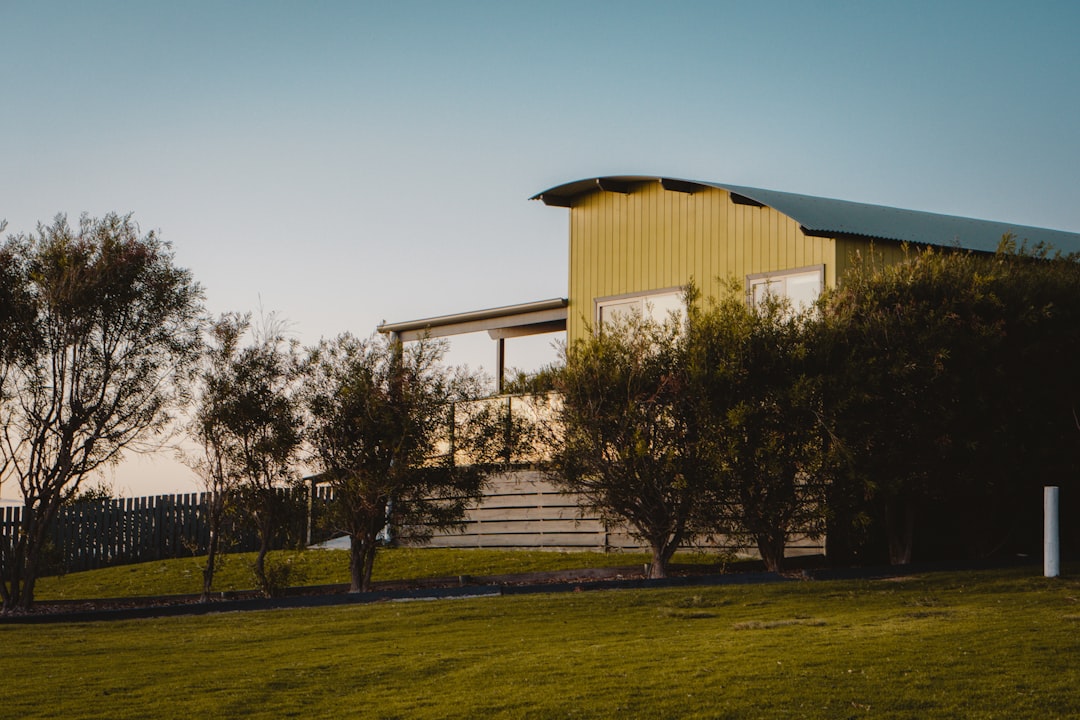
Containing Australia’s highest peak and covering over 6,900 square kilometres of national park, the Kosciuszko region is home to the only place on the continent where you can find glacial landscapes and alpine vegetation. It is a vast, rugged environment that captures the imagination of every outdoor enthusiast. But numbers don’t tell you about the feeling of cold air hitting your lungs at 7 AM. That’s where the real adventure begins.
Choose Your Own Adventure: Hiking the High Country
The Snowy Mountains aren’t just a destination; they are a mood. Whether you are looking for a gentle stroll with the kids or a challenging ridge walk that tests your quads, this region has a trail for you. Instead of a generic list, let’s look at these tracks through the lens of what kind of day you want to have.
The “Leg-Stretcher”: Summit Walk to Mount Kosciuszko
If you are new to hiking or have the family in tow, this is the absolute winner. It is accessible, visually spectacular, and achievable for most fitness levels. The track has undergone significant upgrades in recent years to protect the sensitive alpine environment, meaning it is now a raised metal boardwalk for much of the way.
Logistics: The Chairlift vs. The Track
You have two main choices to start this walk. The first—and easiest—is the Kosciuszko Express Chairlift at Thredbo. It whisks you from the valley floor to Eagles Nest (1,937m) in about 15 minutes, shaving off a significant vertical climb. From there, it’s a 13km return trip to the summit and back. The second option is starting from Charlotte Pass, which adds a few extra kilometres but offers a more traditional alpine start.
Don’t let the word “walk” fool you, though. Even in summer, the UV index at this altitude is extreme. You are exposed to the elements for the duration, and weather can shift from scorching sun to biting wind in minutes.
Everyone has a giggle when they see it, but everyone stops there. The Rawson Pass toilet is the highest public toilet in Australia at 2,100m. It is the landmark everyone looks for but no one admits to needing until it’s too late.
The “Solitude Seeker”: Main Range Track to Blue Lake
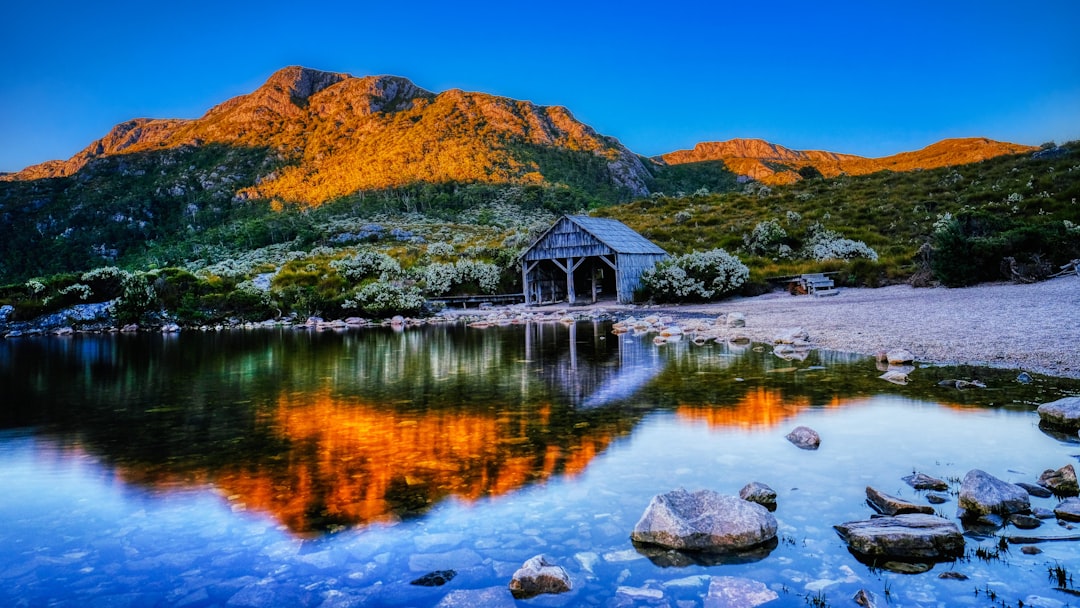
For those who find the summit track a bit too crowded (yes, even in the middle of the wilderness), the Main Range Track offers a sterner test and a bigger reward. This walk takes you past Blue Lake, one of only four glacial lakes in mainland Australia. The water is a colour that defies description—deep, icy blue that seems to glow from within.
The geological history here is wild. You are essentially walking through a valley carved by glaciers thousands of years ago. The rocks are twisted and jagged, dumped by retreating ice, and the silence here feels heavier than at the summit.
As you hike towards Carruthers Peak, keep your eyes peeled for a small, unnamed tarn tucked away just below the ridgeline. It’s often missed by hikers rushing to check off the peaks, but if you stop there, you’ll likely find a rock formation that looks remarkably like a sleeping dragon guarding the water. It’s the perfect spot for a quiet moment of reflection.
The “Local’s Secret”: Guthega to the Historic Huts
While the masses flock to Kosciuszko, the locals head to Guthega. This area feels less like a tourist park and more like a working landscape. The walk from the Guthega Pond up to the Seaman’s Hut or the Blue Cow Creek area is rich in history.
The alpine huts of the Snowy Mountains are like a living museum. They were built by graziers, skiers, and hydro-electric workers seeking shelter in the harsh conditions. They are not just ruins; they are protected heritage sites that tell the story of human resilience in this tough country.
I remember speaking to a volunteer ranger at Seaman’s Hut a few seasons ago. She told me the story of how the hut was saved from a massive bushfire by a team of firefighters who wrapped the structure in reflective foil, standing their ground while the fire front passed through. Hearing that story while sitting inside the humble stone walls, watching the mist roll over the range, added a profound layer of connection to the land that you don’t get from a guidebook.
The “Alpine Start” Experience
If you only do one thing differently on your trip, try to start a walk at Charlotte Pass before dawn. The silence in the parking lot at 5 AM is heavy and physical. The only movement is usually a mob of kangaroos waking up in the half-light, silhouetted against the fading stars. As the sun crests the horizon, it hits the granite peaks in a way that turns the mountains gold. That first hour of light is pure magic.
The “Kosciuszko False Summit” Moment
If you are walking from Thredbo or Charlotte Pass, brace yourself for the mental game near the top. You will reach a saddle, look at your watch, and think, “Thank goodness, I’m there.” And then you look up, and you see the track winding up another ridge to the actual summit trig point. It’s a notorious moment of despair for many hikers. Just know that everyone around you is thinking the exact same thing. It’s a shared struggle that creates a strange kind of camaraderie on the mountain.
The Weather Reality Check
You cannot talk about hiking in the Snowy Mountains without addressing the weather. It is the single biggest factor that will determine whether you have a great day or a dangerous one.
Safety here is non-negotiable. The landscape is beautiful, but it is unforgiving.
Seasonal Advice
- Summer (Dec-Feb): Busy and hot. UV exposure is extreme. Carry 3-4 litres of water.
- Autumn (Mar-May): My favourite time. The crowds thin out, the air is crisp, and the leaves on the snow gums turn a stunning red.
- Spring (Oct-Nov): The wildflowers are out, but watch out for late-season snow dumps.
Expert Tips for the Trail
Before you lace up your boots, here are a few final pearls of wisdom to ensure your trip goes smoothly.
The View From the Top
You can memorise the maps and check the gear lists, but the map doesn’t show the way the light hits the granite at 4 PM. It doesn’t capture the smell of the snow gums after a rainstorm or the sound of the wind whipping through the saddle. That isn’t something you can plan for—it’s just something you have to be there to witness.
So, whether you are chasing the summit with the kids or seeking solitude by the glacial lakes, the Snowy Mountains are ready for you. The air is thin, the views are vast, and the experience is unforgettable. Which track are you going to tackle first?
Key Takeaways
- The Summit Walk is family-friendly but requires sun protection and weather preparation.
- Blue Lake and the Main Range offer quieter, more challenging hikes with unique geological features.
- Visiting the historic huts near Guthega provides a glimpse into the region’s human history.
- Always check the weather forecast and carry warm gear, even in summer.
- Winter hiking requires specialised gear and experience; stick to the warmer months unless you are prepared.

Be the First to Comment
Sign in to start the conversation.