
🔥 Ever wondered what separates a happy trail runner from a miserable one in the Blueys? After five years of pounding these tracks, I’ve cracked the code and honestly, it’s not what you’d expect!
🎒 What You’ll Need Before Hitting the Trails
Righto, before you even think about lacing up, let’s sort your kit. You don’t need fancy gear, but a few essentials will save your bacon:
• **Proper trail shoes** – Those old road runners won’t cut it on loose gravel and tree roots. I use Hoka Speedgoats, but any trail shoe with grip will do the job.
• **Hydration vest or handheld** – Trust me, you’ll thank me when you’re halfway up a climb in 25-degree heat.
• **Phone + emergency contact** – Reception’s patchy in parts, but better safe than sorry.
• **Sun protection** – Sannies, hat, and sunscreen. The Aussie sun doesn’t muck around, even in winter!
• **Light jacket** – Weather in the mountains changes faster than a Sydney driver changes lanes.
1️⃣ Start Easy: Prince Henry Cliff Walk
Don’t be a hero on day one, mate! The Prince Henry Cliff Walk between Katoomba and Leura is ripper for beginners. It’s about 7km return, mostly flat, and serves up those iconic valley views without destroying your quads.
I reckon this is the perfect warm-up to get used to running on uneven terrain. You’ll still cop some stairs near the Three Sisters, but nothing too gnarly. Park at Echo Point and head towards Leura Falls – you can grab a coffee in Leura afterwards as a reward!
2️⃣ Build Up to the Grand Canyon Track
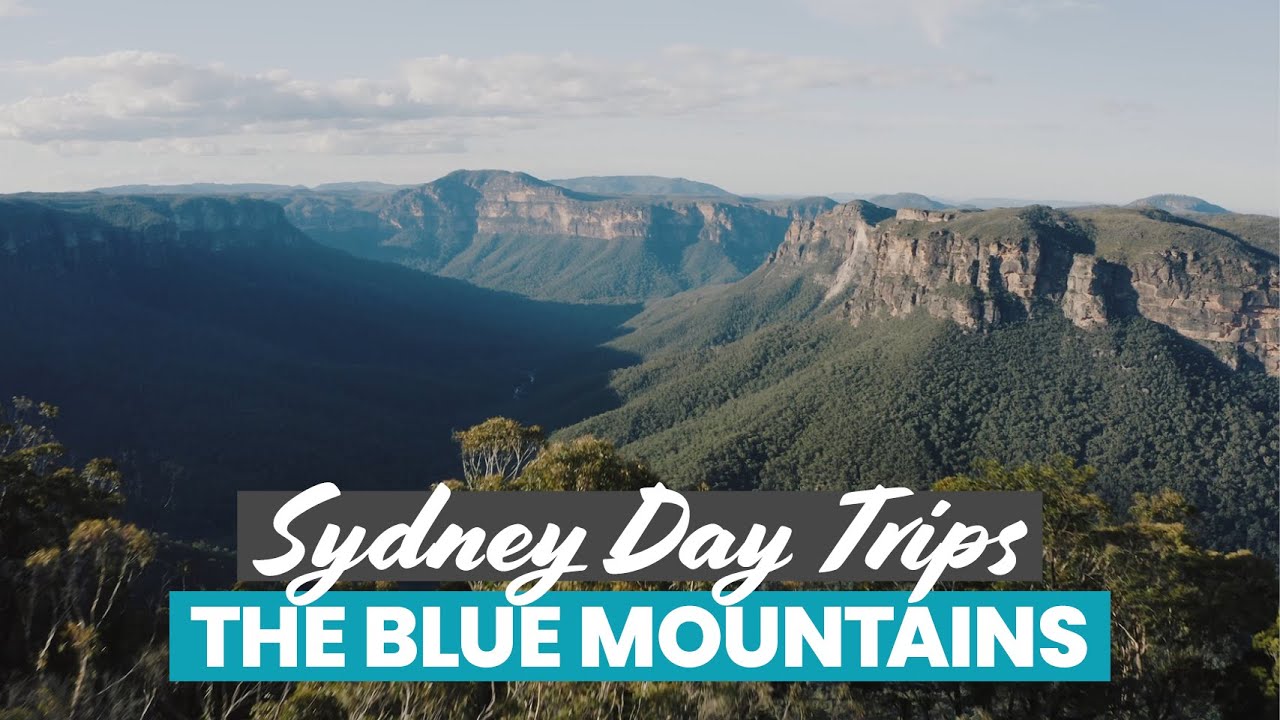
Once you’re feeling confident, the Grand Canyon Track in Blackheath is where it’s at. This 6km loop is proper trail running – steep descents, creek crossings, and lush rainforest that’ll make you feel miles from anywhere.
Fair warning: the climb back out is a leg-burner! Take it slow, walk the stairs if you need to, and soak in those sandstone walls. I’ve run this track probably 20 times and it still takes my breath away every single visit.
3️⃣ Time Your Runs Like a Pro
Here’s a rookie mistake I see all the time: rocking up at midday in summer. Don’t do it!
**Best times to run:**
• **Early morning** (6-9am) – Cooler, prettier light, and you’ll beat the day-trippers
• **Late arvo** (4-6pm) – Golden hour magic, especially in autumn
**Best seasons:**
• **Autumn (Mar-May)** – Crisp air, stunning colours, perfect running temps
• **Spring (Sep-Nov)** – Wildflowers are popping, everything’s green
• **Winter** – Actually my fave! Clear skies, no crowds, and you warm up quick anyway
4️⃣ Master the Downhill Technique
This is where most beginners come unstuck (sometimes literally, ouch). Running downhill on trails is an art form:
• **Shorten your stride** – Think quick feet, not giant leaps
• **Lean slightly forward** – Fight the urge to lean back!
• **Keep eyes 2-3 metres ahead** – Scan for roots, rocks, and slippery sections
• **Relax your body** – Tense muscles = more fatigue and higher injury risk
I learnt this the hard way after stacking it on the Federal Pass track. Took a chunk out of my elbow and my pride that day!
5️⃣ Respect the Trail and Your Mates
The Blueys tracks are shared with hikers, so be a legend:
• **Slow down approaching walkers** – A friendly ‘morning!’ goes a long way
• **Yield on narrow sections** – Uphill runners usually have right of way, but use common sense
• **Stay on marked trails** – Don’t be that person creating rogue tracks
• **Take your rubbish** – Even apple cores and orange peels. Pack it in, pack it out!
These mountains are bloody special – let’s keep ’em that way for everyone.
⚠️ Common Mistakes to Avoid
Learn from my stuff-ups so you don’t have to make ’em:
❌ **Going out too hard** – Trail running uses different muscles than road running. Ease into it!
❌ **Ignoring elevation** – That 5km run might have 400m of climbing. Check the stats first!
❌ **Skipping warm-up** – Cold muscles on technical terrain is asking for trouble
❌ **Running alone without telling anyone** – Always let someone know your route and expected return time
❌ **Underestimating hydration** – It’s dry up here and you’ll lose more fluid than you realise
💡 Pro Tips from a Local
Just a few more bits of wisdom from years of running these tracks:
• **Download offline maps** – AllTrails or Gaia GPS are heaps good for navigation when reception drops
• **Join a group run** – Blue Mountains Trail Running Club on Facebook is super welcoming to newcomers
• **Book accommodation in advance** – Weekends get busy, especially during school holidays
• **Fuel properly** – A banana or energy gel in your vest can save a bonk situation
• **Track your progress** – Strava’s fun for seeing how you’re improving on local segments
📋 Practical Info
📍 Blue Mountains National Park, Katoomba NSW 2780
🚗 From Sydney CBD, 1.5-2 hours by car via M4/Great Western Highway, or 2 hours by train from Central Station to Katoomba Station
💰 Free entry to most tracks! $8 per vehicle for National Parks if parking at certain trailheads (annual pass $65 for unlimited visits)
🕐 Trails accessible 24/7, but recommended running times are dawn to dusk for safety
⏱️ Beginner runs: 45-90 mins | Intermediate: 1.5-3 hours | Full day adventures available
💡 Tips & Warnings
✅ Start on easier tracks like Prince Henry Cliff Walk before tackling technical terrain
✅ Carry at least 500ml water per hour of running, more in summer months
⚠️ Check weather before heading out – flash floods can occur in gullies after heavy rain
❌ Don’t wear headphones on shared trails – you need to hear approaching walkers and wildlife
🚀 Give it a crack and let me know how you go! 🚀 Drop a comment if you want specific track recommendations for your fitness level – always happy to help a fellow trail runner get amongst these beautiful mountains!
#BlueMountainsTrailRunning #BlueMountainsNSW #TrailRunningAustralia #RunLocal #Katoomba #SydneyWeekender #GetOutside #TrailTips #AustraliaAdventure #OutdoorFitness

Be the First to Comment
Sign in to start the conversation.