


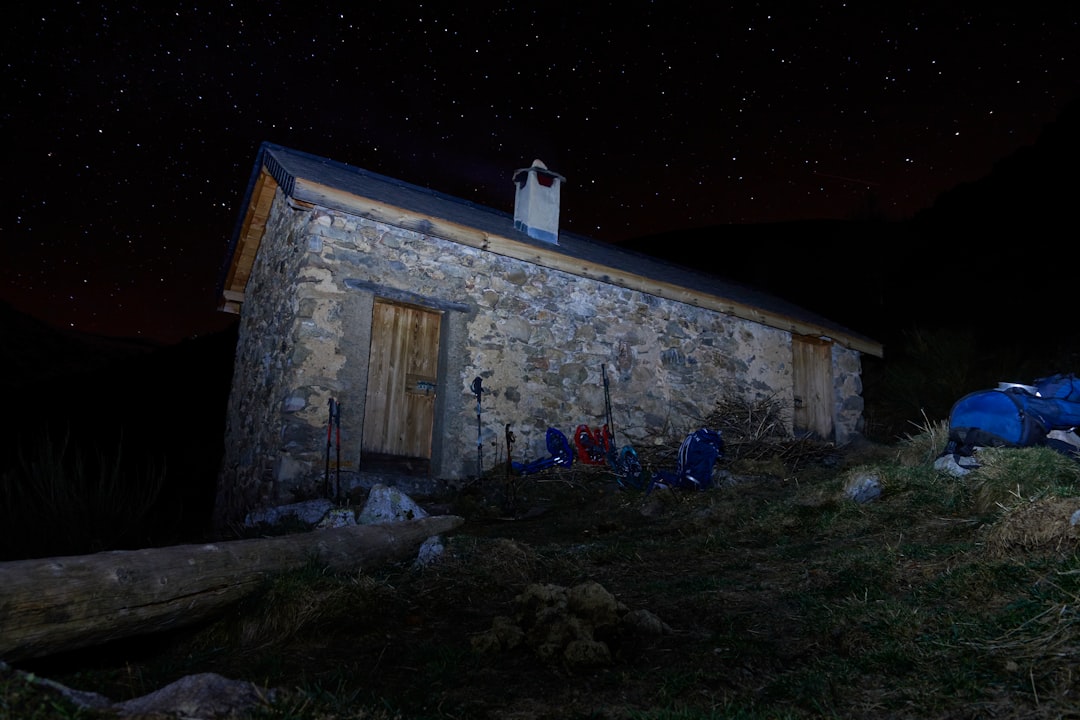
Did you know the Wide Bay registers a Bortle Scale Class 2 sky rating, making it scientifically darker than 95% of populated Australia? While the bright lights of Brisbane and the Gold Coast create a skyglow that washes out all but the brightest stars, the stretch of coastline from Rainbow Beach up through Fraser Island (K’gari) offers a celestial viewing platform that is increasingly rare in the modern world. For those willing to venture slightly off the beaten track this winter, the region offers a front-row seat to the Southern Hemisphere’s most spectacular cosmic show.
The “Fraser Island Effect” (Value Proposition & Specific Information)
Winter in Wide Bay isn’t just about escaping the humidity; it is the premier season for astrophotography and naked-eye observation. The scientific reason lies in the atmospheric stability. During the summer months, heat haze and humidity create atmospheric turbulence, causing stars to twinkle violently or “boil,” which blurs fine details. In winter, the cooler, denser air settles, significantly reducing this turbulence.
But there is a unique phenomenon specific to this region that we like to call the “Fraser Island Effect.” The vast expanse of white silica sand on Fraser Island acts as an immense thermal mass. During the day, it absorbs heat, and at night, it releases it slowly. This process creates a gentle, rising thermal current that actually stabilizes the air column immediately above the beach. This creates a “lens” of calm air that can make the stars appear sharper and steadier than almost anywhere else on the coast.
“The combination of low humidity and the thermal buffering of the sand creates ‘seeing’ conditions that rival professional observatories. It’s the perfect natural laboratory for anyone wanting to understand why our galaxy looks the way it does.”
The “Dark Sky” Spots Map (Regional Highlights & Local Knowledge)
Finding a dark patch of sky is easy; finding one with a convenient horizon, parking, and wind protection requires local intel. Here are three tiers of stargazing locations tailored to different adventure levels.
The Drive-Up (Easy)
Inskip Peninsula Recreation Area (near Rainbow Beach)
For those not keen on navigating sand tracks at night, Inskip offers the perfect balance of accessibility and darkness. It is a narrow spit of land separating the mainland from Fraser Island, meaning you get the dark ocean horizon on both sides.
The Sandy Observatory (Moderate)
Eastern Beach near Eurong (K’gari)
This requires a 4WD and a barge ticket, but the payoff is immense. The eastern side of the island faces the vast, unlit expanse of the Pacific Ocean. Driving on sand at night requires caution, so stick to the lower tide mark if the sand is hard, or travel slowly in the tracks.
The Hidden Clearing (Hard)
Central Station Inland Track
This is the spot for the unexpected discovery. While most people stargaze on the beach, the dense rainforest surrounding the Central Station area offers a surreal contrast. A short hike inland from the main picnic area leads to a natural clearing in the canopy.
Why go here? The trees act as a 360-degree windbreak, which is crucial in winter when the coastal breeze cuts right through a jumper. The silence here is profound—no crashing waves, just the hum of the forest and the universe above. It requires a bit of a hike in the dark, so good footwear is non-negotiable.
Boots, Blankets, and Binoculars (Actionable Advice)
One of the biggest mistakes beginners make is underestimating the winter chill in Wide Bay. It might be a pleasant 22°C during the day, but once the sun sets over the ocean, the temperature plummets, and the wind chill factor on the sand can make it feel closer to zero.
The “Shivering Surprise” (Honest Limitation & Authentic Experience)
I learned this the hard way a few winters back. I drove out to Eurong, convinced that a hoodie and a pair of skinny jeans would suffice. I parked on the beach, set up my tripod, and within twenty minutes, I was violently shivering. My feet were the worst—numb and aching because I was wearing canvas sneakers. The sand acts as a heat sink; it sucks the warmth right out of your shoes. I ended up retreating to the car after 45 minutes, missing the full rise of the Milky Way because I simply couldn’t stand the cold.
Since then, my gear list has changed drastically. If you want to stay out for hours rather than minutes, treat it like a snow trip.
Essential Gear Checklist
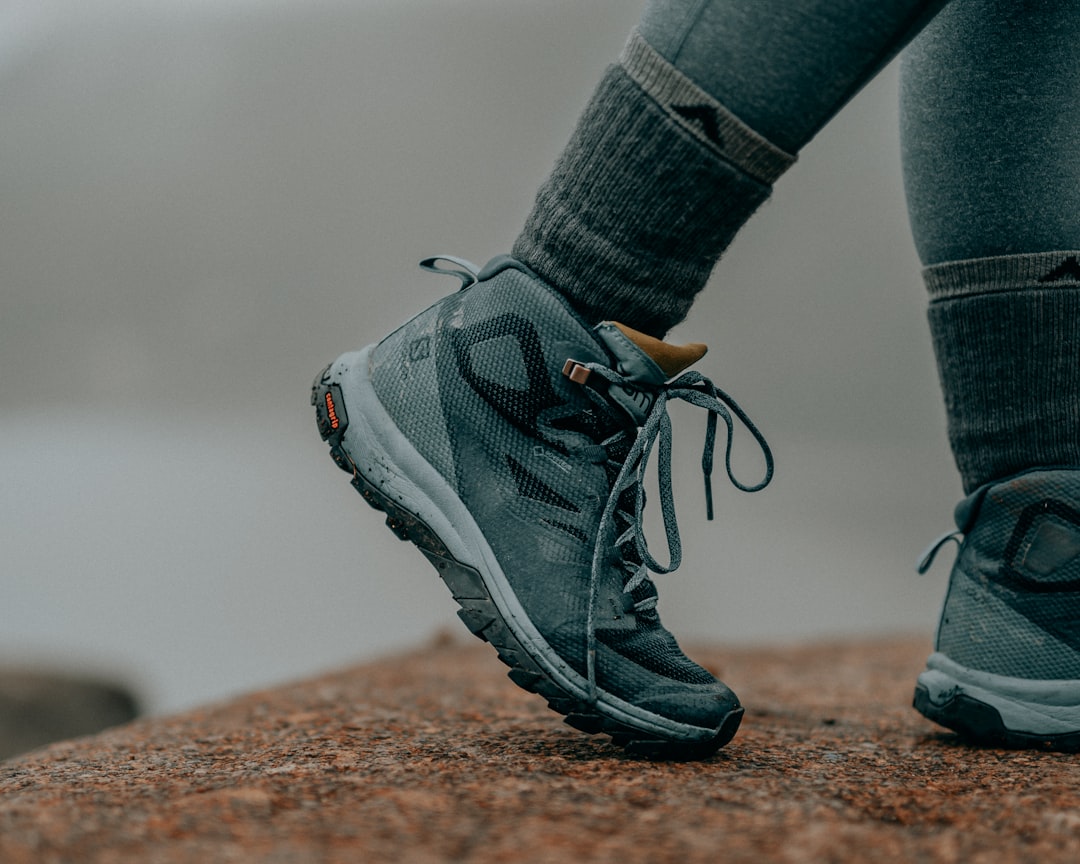
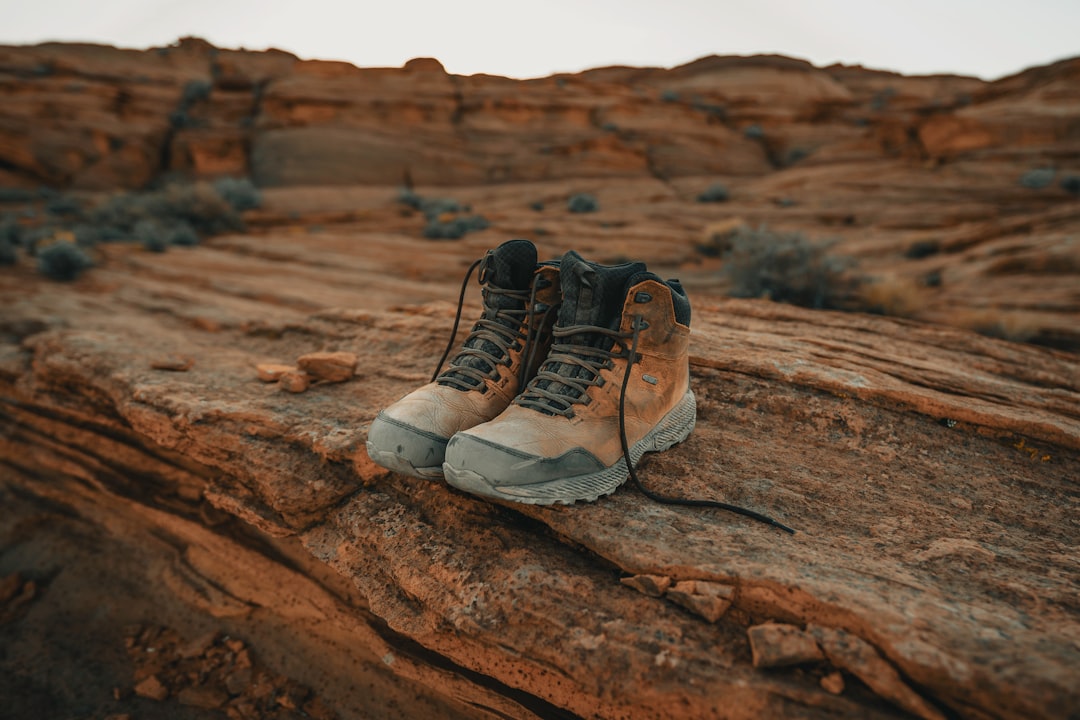
- Footwear: This is where the right kit matters. Whether you are looking at anaconda hiking boots or asking the cashier “are aldi hiking boots good?” for a budget trip, the answer is yes—grab them. You need closed-toe, insulated boots. The best hiking boots Australia offers for this terrain are waterproof, which stops the cold night dew from soaking your socks.
- Base Layers: Thermal underwear is not just for snow. Wear a set under your jeans.
- Red Light Torch: White light destroys your night vision (which takes 20-30 minutes to adapt). Use a torch with a red filter or a red LED mode to check your camera settings or map.
- Insulation: A thick picnic rug or a camping chair with a waterproof insulated seat. Sitting directly on the sand will freeze you quickly.
The “Ghost Ship” Story (Local Knowledge & Specific References)
There is a specific visual phenomenon on 75 Mile Beach that locals call the “Ghost Ship,” though it has nothing to do with maritime wrecks. This occurs when the core of the Milky Way is rising in the southeast during the winter months.
If you time your visit with a low tide, the water retreats, leaving the sand hard-packed and glistening wet. As the galaxy rises, its billions of stars reflect perfectly off the wet sand. It creates an illusion that you aren’t standing on a beach, but are floating in a mirror portal suspended in space. The dark silhouette of the Pinnacle rocks in the distance looks exactly like the rigging of an ancient sailing ship caught in the stars. It is a fleeting, spine-tingling moment that makes the drive and the cold completely worth it.
The “Cosmic Perspective” Wrap-Up
The goal of a trip to Wide Bay this winter isn’t just to tick a box or get a pretty photo for Instagram. It is about the “Call to Quiet.” In our hyper-connected lives, we rarely experience true darkness or absolute silence. When you stand on the edge of Fraser Island, looking up into a Bortle Class 2 sky, you are reminded of how small we really are.
So, when you get there, turn off the car engine. Kill the torches. Sit in the dark for ten minutes. Let your eyes dilate and let the universe rush in. Pack the thermos and the boots; the universe is waiting, and it’s definitely brighter than your phone screen.
Key Takeaways
- Wide Bay offers Bortle Scale Class 2 skies, scientifically superior for viewing compared to city locations.
- Winter provides cooler, stable air and the “Fraser Island Effect” for sharper star visibility.
- Choose your spot based on difficulty: Inskip (Easy), Eurong Beach (Moderate), or Central Station (Hard).
- Invest in proper hiking boots Australia rated footwear to protect against freezing sand.
- Use red light to preserve night vision and time your visit with low tides for the “Ghost Ship” reflection.

Be the First to Comment
Sign in to start the conversation.