
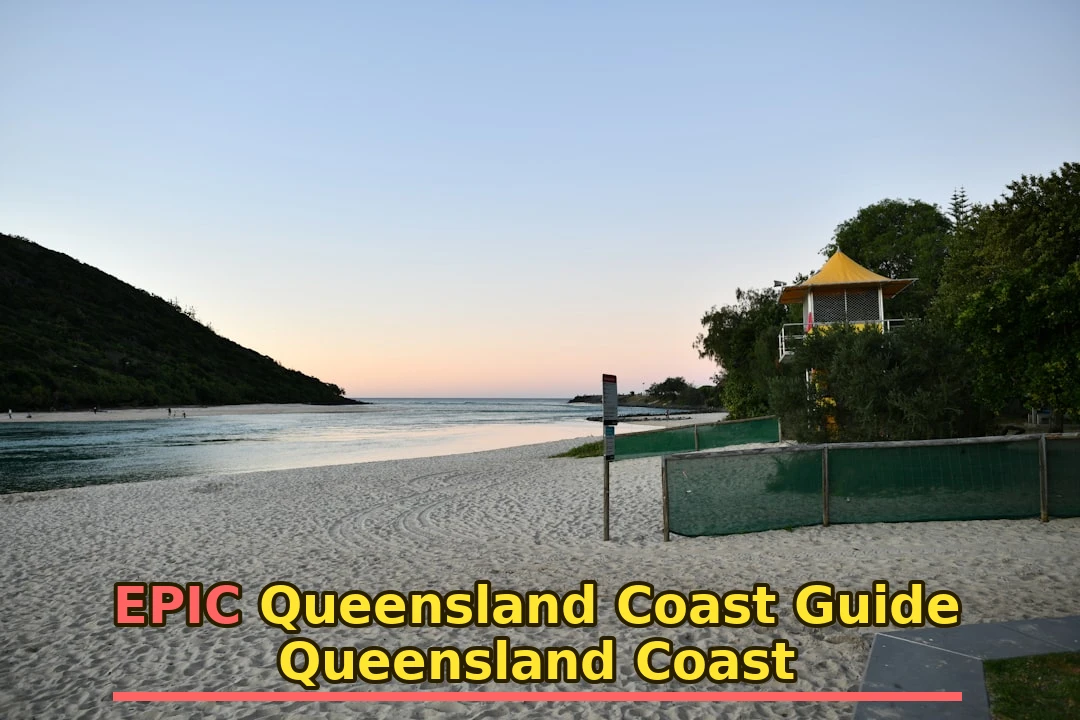
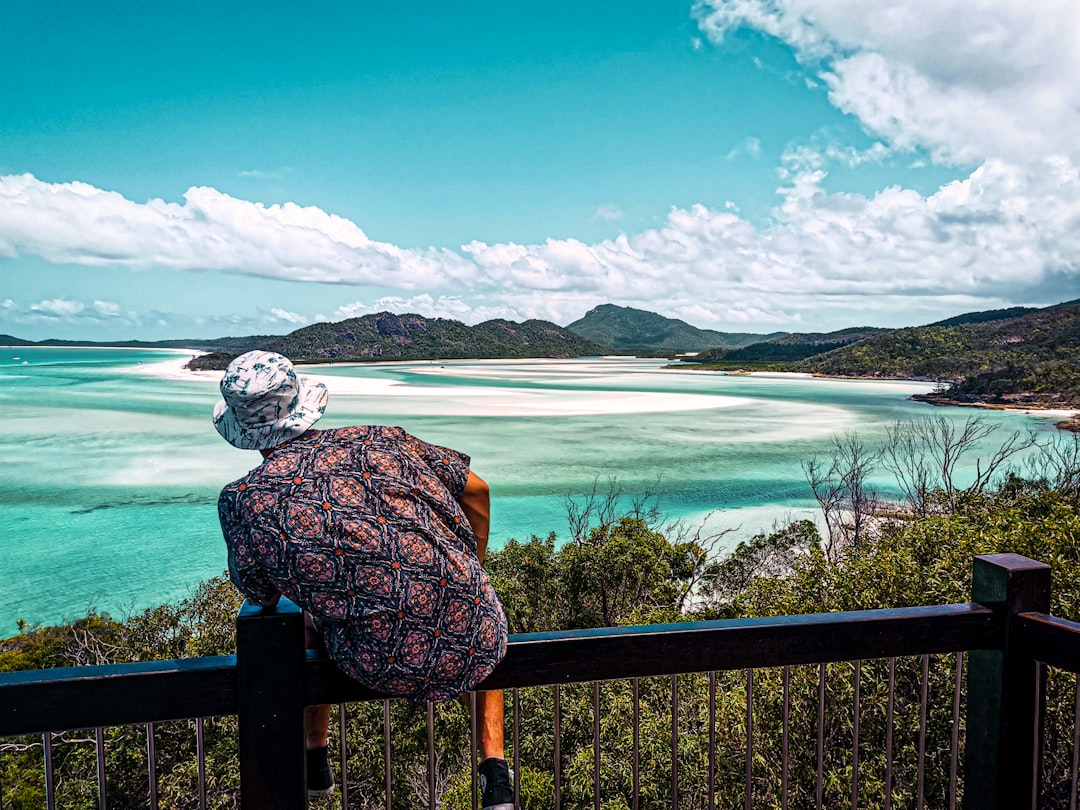
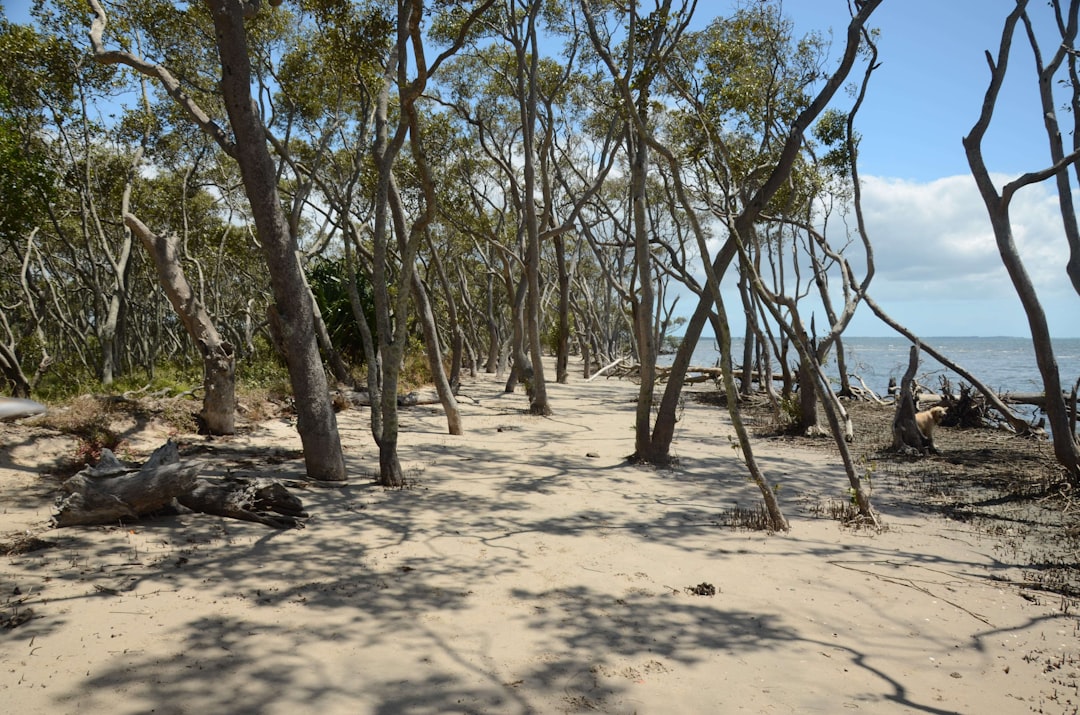

The salt spray kisses your cheeks as you step onto the golden sand, the rhythmic crash of waves creating a natural symphony that drowns out the rest of the world. The sun warms your shoulders while a cool breeze carries the unmistakable scent of eucalyptus and ocean. Before you stretches the impossibly turquoise water of the Great Barrier Reef, inviting you into an underwater world few ever truly experience. This is Queensland’s outdoor paradise, and it’s waiting to be explored beyond the postcard-perfect scenes.
1. Tide & Time – Coastal Living
Queensland’s coastline offers an incredible diversity of experiences, from the accessible family beaches to the hidden coves revealed only by low tide. Each region has its own character and seasonal rhythm that savvy visitors learn to respect. The key to truly experiencing this coastline isn’t just finding the right spot, but understanding when and how to experience it.
Beach Profiles by Region
The Queensland coast stretches over 7,000 kilometers, offering dramatically different beach experiences:
- Far North Queensland: Remote, rugged beaches with powerful surf and pristine wilderness. The sand here is whiter than anywhere else in the world.
- Whitsunday Islands: Picture-perfect anchorages with fringing reefs just meters from shore. These beaches change dramatically with the tide.
- Magnetic Island: A blend of accessible swimming beaches and rugged rocky outcrops with excellent snorkeling.
- Great Keppel Island: Sandy coves and sheltered bays perfect for families and beginner snorkelers.
Local Insight: “The best beach experiences happen when you follow the tides, not your schedule. The reef pools at Double Bay on Magnetic Island are only accessible at low tide, but they’re worth planning your day around.” – Michelle, local marine guide
2. The Blue Cathedral – Reef Encounters
The Great Barrier Reef isn’t just a single destination but a complex ecosystem stretching over 2,300 kilometers. To truly experience it, you need to know where to go, what to expect, and how to move through this fragile environment respectfully.
Snorkeling vs. Diving: Making the Right Choice
Snorkeling offers accessibility and minimal preparation, allowing you to experience the reef’s upper layers without extensive training. The best spots for beginners include:
- Helix Bay on Hayman Island
- Manta Ray Bay at Lady Elliot Island
- The Nursery at Michaelmas Cay
Diving opens up a different world, taking you deeper to explore coral bommies and discover marine life that rarely visits the shallows. The current season (December 2025 – February 2026) offers excellent visibility and calm conditions for both activities.
Unexpected Marine Encounters
While most visitors hope to see the iconic clownfish and sea turtles, the reef has plenty of surprises for those who know where to look:
- Cleaner wrasse stations – watch as small fish perform “dental services” for larger marine creatures
- Nudibranch gardens – colorful sea slugs that photographers specifically seek out
- Mantis shrimp hunting – these incredible predators strike with the speed of a bullet
- Coral spawning events – an annual phenomenon occurring four to six nights after the full moon in November
3. Green Horizons – Hinterland Adventures
Beyond the beaches lies Queensland’s lush hinterland, a world of ancient rainforests, cascading waterfalls, and wildlife corridors that offer a completely different outdoor experience.
Trail Breakdowns for Different Fitness Levels
Easy Trails (1-2 hours)
- Mooloobaba Trail, Lamington National Park – wheelchair accessible boardwalk through subtropical rainforest
- Mason’s Falls, Paluma Range National Park – short walk to a picturesque waterfall
- Paronella Park Rainforest Walk – historical ruins surrounded by lush vegetation
Intermediate Trails (3-5 hours)
- Baroon Pocket Dam Circuit – scenic lake views with moderate elevation changes
- Kings Falls circuit in Girraween National Park – granite formations and seasonal waterfalls
- The Shipwreck Walk, Hinchinbrook Island – coastal views with some scrambling required
Wildlife Spotting Techniques
Queensland’s diverse habitats support an incredible array of wildlife:
- Dawn and dusk are prime times for spotting kangaroos and wallabies
- Look up for tree-dwelling species like koalas, possums, and gliders
- Be quiet and still – animals are more likely to appear when there’s less human activity
- Check waterholes in late afternoon for birds coming to drink
4. The Local’s Playbook – Insider Timing
Understanding Queensland’s seasonal patterns is key to planning the perfect outdoor adventure. The climate varies dramatically from north to south, creating different optimal times for different activities.
Regional Seasonal Guide
Far North Queensland (Cairns to Cape York)
- Dry Season (May-October): Perfect for all reef activities, minimal rain, consistent temperatures
- Wet Season (November-April): Lush landscapes, fewer tourists, but potential for cyclones and stinger alerts
- Current recommendation: Visit in September 2026 for the sweet spot of good weather without peak crowds
Whitsunday Region
- Winter (June-August): Crisp days, calm seas, perfect for sailing and hiking
- Spring (September-November): Water temperatures warming, whale migration through the area
- Summer (December-February): Hot and humid, school holidays bring crowds
Event-Based Timing
Schedule your visit around these annual events for unique experiences:
- Whale watching season (June-November) – see humpbacks migrate
- Coral spawning (November) – witness one of nature’s most spectacular events
- Bioluminescence displays (January-March) – certain beaches glow at night
- Festival of the Wind (August, Magnetic Island) – perfect conditions for kite surfing
Key Takeaways
- Plan your activities around tides and seasons, not just your travel dates
- Follow local advice for hidden gems and current conditions
- Balance popular attractions with off-the-beaten-path experiences
- Respect the fragile reef ecosystem – use reef-safe sunscreen and never touch coral
- Allow flexibility in your schedule for unexpected discoveries
The Queensland coast offers endless possibilities for outdoor adventure, from snorkeling the world’s largest reef system to exploring ancient rainforests teeming with wildlife. By understanding the rhythms of this unique ecosystem and respecting the local environment, you’ll create memories that will last long after the salt spray has dried on your skin.
Frequently Asked Questions
What are the different beach experiences available along Queensland’s 7,000km coastline?
Queensland’s coastline offers diverse beach experiences: Far North Queensland features remote, rugged beaches with powerful surf and world’s whitest sand; Whitsunday Islands provide picture-perfect anchorages with fringing reefs accessible at low tide; Magnetic Island blends accessible swimming beaches with rocky outcrops for snorkeling; and Great Keppel Island offers sandy coves and sheltered bays ideal for families and beginners. Each region has its own character and seasonal rhythm that savvy visitors learn to respect.
How can I choose between snorkeling and diving on the Great Barrier Reef?
Snorkeling offers accessibility with minimal preparation, perfect for beginners at spots like Helix Bay on Hayman Island, Manta Ray Bay at Lady Elliot Island, and The Nursery at Michaelmas Cay. Diving opens up deeper exploration of coral bommies and marine life rarely seen in shallows. The current season (December 2025 – February 2026) provides excellent visibility and calm conditions for both activities. Consider your comfort level with equipment, desired depth of experience, and whether you want to explore the reef’s upper layers or its deeper mysteries.
When is the best time to visit Queensland’s Far North region for outdoor activities?
For Far North Queensland (Cairns to Cape York), the dry season from May to October offers perfect conditions for all reef activities with minimal rain and consistent temperatures. The wet season (November-April) features lush landscapes and fewer tourists but carries risks of cyclones and stinger alerts. The sweet spot is September 2026, which provides good weather without peak crowds. Always check current conditions before your trip, as weather patterns can vary yearly.
What are some practical considerations for planning Queensland coastal adventures?
Plan activities around tides and seasons rather than just travel dates – reef pools at Double Bay on Magnetic Island are only accessible at low tide. Download the ‘Waterfall Finder’ app which uses real-time rainfall data to predict flowing waterfalls. During stinger season (November to May), always swim in protected enclosures or wear a stinger suit. Use reef-safe sunscreen and never touch coral to protect the fragile ecosystem. Allow flexibility in your schedule for unexpected discoveries and balance popular attractions with off-the-beaten-path experiences.



Be the First to Comment
Sign in to start the conversation.