
Ever Wondered What It’s Like to Scramble Through Ancient Rock Formations While a Crocodile Watches From the Billabong Below?
That’s not the opening line you’ll find on most fitness websites, but then again, obstacle courses in the Northern Territory aren’t like most fitness experiences. Up here, you’re not climbing over manufactured foam blocks in a climate-controlled warehouse—you’re navigating landscapes that have been forming for millions of years, where the ancient sandstone escarpments of Kakadu National Park create natural challenges that make even the toughest Spartan race feel like a warm-up. The Northern Territory offers obstacle course experiences that range from organised events in Darwin to self-guided adventures through some of Australia’s most spectacular wilderness, where the terrain itself becomes your training ground and every session comes with a side of saltwater crocodile awareness.
The Honest Truth About NT Obstacle Courses
Let’s be straight with you—these aren’t your weekend warrior courses with soft landings and volunteers every 50 metres holding out water cups. The NT serves up obstacle experiences that are genuinely different from anything you’ll find in Sydney, Melbourne, or Brisbane, and it all comes down to three brutal realities: heat, humidity, and terrain that wasn’t designed with human comfort in mind.
What makes Northern Territory obstacle courses unique isn’t just the scenery—though watching the sunrise over Arnhem Land while you’re halfway up a rock face is pretty hard to beat—it’s the fact that everything up here hits differently. The sandstone around Kakadu and Litchfield National Park has been weathering tropical storms for millennia, creating grippy, textured surfaces that are brilliant for climbing but absolutely unforgiving when you slip. The humidity means you’ll be sweating in ways you didn’t know were possible, and the wildlife situation means you can’t just blindly jump into that inviting waterhole at the bottom of a natural slide.
You’ll need a reasonable base fitness level—this isn’t the place to discover whether you enjoy obstacle courses for the first time. But if you’ve done a few Spartan races, Tough Mudder events, or you’re just the type who sees a rock formation and thinks “I wonder if I can climb that,” the NT will reward you with experiences that make for genuinely unbelievable stories.
Three Types of Obstacle Experiences
- Organised events: Timed races with proper infrastructure, usually in the Darwin region during the dry season
- Permanent adventure parks: Fixed courses with safety equipment, great for families and beginners wanting a taste
- DIY natural routes: Self-guided challenges using the landscape itself—requires experience, preparation, and local knowledge
Where You’ll Actually Find Courses (And What They’re Really Like)
Darwin Region: The Established Players
Darwin hosts the most accessible obstacle course options in the NT, and for good reason—the infrastructure is here, the population base supports regular events, and you’re never too far from a cold drink and a place to recover. The dry season (May to September) sees a handful of organised obstacle events, typically 5-12km courses that combine man-made obstacles with the natural terrain of the Top End.
What sets Darwin events apart from southern equivalents isn’t the obstacles themselves—you’ll still find your walls, cargo nets, and mud pits—but the conditions. A 10am start that would be pleasant in Melbourne feels completely different when it’s 32°C with 70% humidity, and that’s considered a “good” day in the build-up season.
Kakadu’s Natural Obstacle Opportunities
Here’s where things get properly interesting. Kakadu National Park isn’t marketed as an obstacle course destination, but for experienced adventurers, it offers some of the most rewarding natural challenges in Australia. The key is knowing where to look—and more importantly, knowing your limits.
The boulder fields around Nourlangie Rock (also known as Burrungkuy) create natural parkour opportunities that locals have been using for fitness for decades. The rock art sites here are world-famous, but the surrounding landscape of massive sandstone boulders, split by millennia of wet seasons into climbable, jumpable, scramble-able formations, is equally impressive for the obstacle enthusiast.
Ubirr offers a different flavour—the main walking track is straightforward enough, but the surrounding rock formations provide excellent scrambling for those confident in their abilities. The views across the Nadab floodplain from the top are genuinely spectacular, and knowing you’ve earned them through physical effort makes them even sweeter.
Alice Springs: Desert Terrain, Different Game Entirely
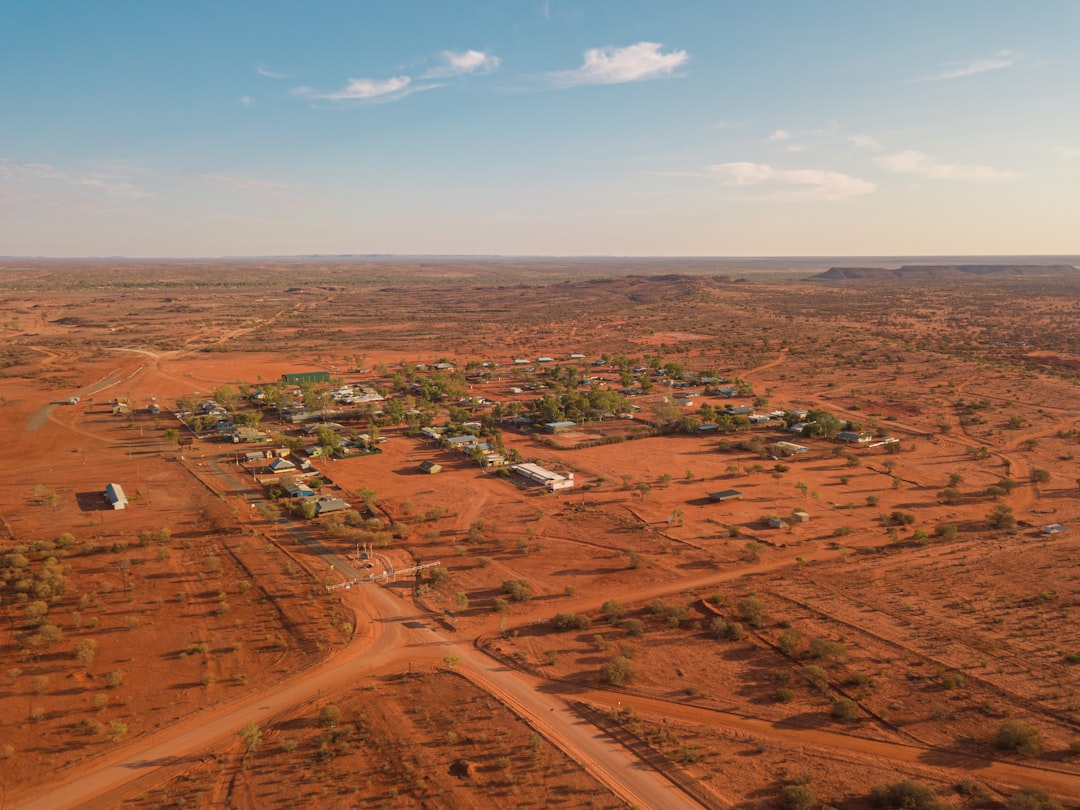
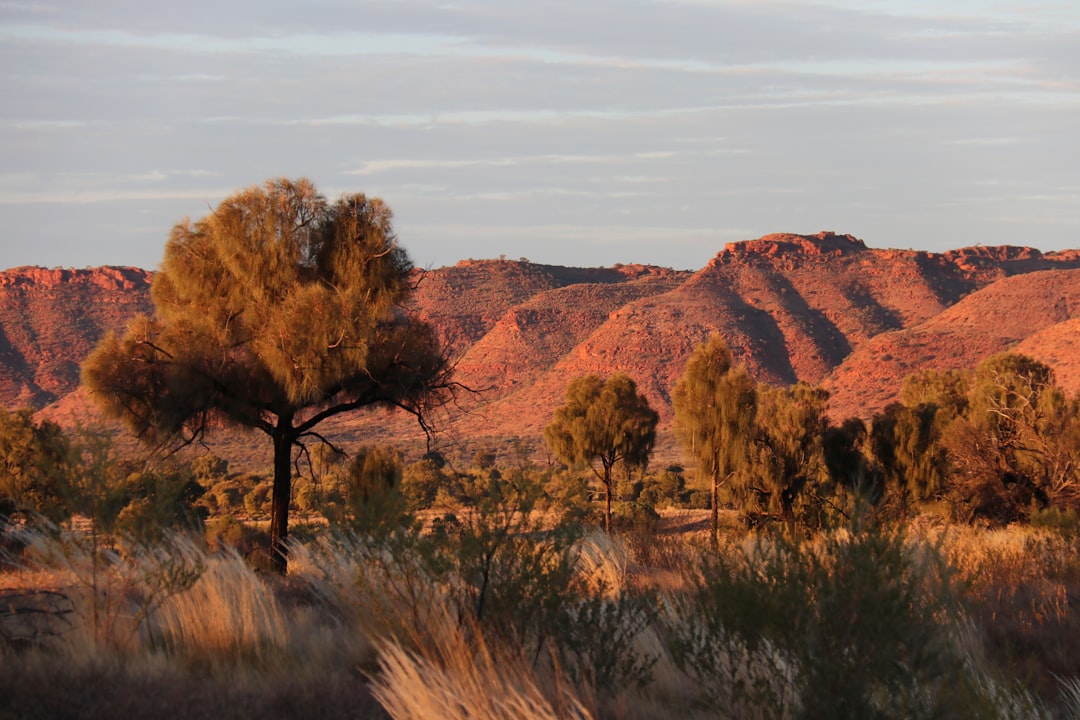
Head south to Alice Springs and the obstacle course experience shifts dramatically. The red centre offers a completely different challenge: hard-packed earth, loose rocks, and temperatures that can swing 20°C between dawn and midday. The MacDonnell Ranges create natural obstacles that test your endurance rather than your agility—longer climbs, sustained scrambles, and terrain that forces you to read every foot placement.
Desert obstacle training demands different skills than tropical environments. There’s no mud to slip in, but there’s plenty of loose rock that’ll roll under your feet. There’s no humidity to battle, but the dry heat can dehydrate you faster than you realise. And while crocodiles aren’t a concern here, you’ll want to watch for snakes and be realistic about how far help is if something goes wrong.
The Timing Conversation Nobody Has With You
Here’s the thing about the Northern Territory that most travel content glosses over: when you go matters more than where you go. The difference between attempting an obstacle course in June versus November isn’t just noticeable—it’s the difference between a challenging, enjoyable experience and genuinely dangerous conditions.
The Seasons, Honestly Explained
Dry season (May to September): This is your window. Temperatures sit in the comfortable high 20s to low 30s, humidity drops to manageable levels, and most outdoor activities are genuinely pleasant. Waterholes are accessible, tracks are in good condition, and your biggest weather concern is remembering sunscreen. This is when organised events are scheduled and when you should plan any DIY natural obstacle adventures.
Build-up season (October to November): I’ll share a personal lesson here. A few years back, I attempted some rock scrambles near Jim Jim Falls in late October, figuring my fitness level would handle it. What I didn’t account for was humidity in the high 80s, zero breeze, and a sun that felt like it was personally targeting me. I made it maybe 40 minutes before acknowledging that fitness means nothing when your body can’t cool itself. The experience was humbling and, honestly, a bit stupid.
Wet season (December to April): Everything changes. Tracks flood, waterholes become unsafe, and the combination of extreme heat and extreme humidity makes sustained physical activity genuinely dangerous for all but the most acclimatised individuals. Some adventure parks close entirely. This is not obstacle course season—embrace it as your recovery and planning period.
Planning Without the Overwhelm
What to Pack That You Wouldn’t Think Of
Standard obstacle course gear lists won’t cut it up here. Along with your usual gloves, trail shoes, and moisture-wicking clothing, consider:
- Electrolyte tablets: Water alone won’t replace what you’re sweating out in 35°C+ heat
- Long-sleeved UV protection shirt: Sunburn will end your adventure faster than any obstacle
- Insect repellent: The mozzies in Kakadu aren’t just annoying—they can carry Ross River virus and other nasties
- A snake bandage: Essential for any remote area training, even if you never use it
- More water than you think: Plan for at least one litre per hour of activity, more in build-up season
Family-Friendly vs “Leave the Kids at Home”
Not all obstacle experiences in the NT are suitable for families, but some absolutely are. Permanent adventure parks near Darwin typically offer age-appropriate courses with proper safety equipment and staff supervision. These are brilliant for building kids’ confidence and getting them excited about outdoor fitness.
Natural obstacle routes in national parks are a different story. Even confident teenage kids need to be strong swimmers (for croc-free areas only), comfortable with heights, and realistic about their limits. Kakadu’s rock formations are no place to discover someone has a fear of exposure or isn’t ready for a challenging scramble.
Budget Breakdown
| Experience Type | Typical Cost | What You’re Paying For |
|---|---|---|
| Organised events | $80-$150 per person | Course design, timing, safety support, event atmosphere |
| Adventure parks | $40-$80 per person | Equipment, staff supervision, maintained obstacles |
| DIY natural routes | Park entry fees only | The experience itself is free; you pay for safety preparation and transport |
Quick Reference: First-Timers vs Experienced Racers
If you’re new to obstacle courses: Start with a permanent adventure park near Darwin. Build your confidence on manufactured obstacles before attempting natural terrain. Plan a dry season trip (June-August) and book a guided experience for your first Kakadu adventure.
If you’re an experienced obstacle racer: The NT will feel like levelling up. Plan your trip for early dry season (May-June) when waterholes are still full from the wet but conditions are manageable. Connect with locals through running groups or fitness communities to find the informal training spots that don’t make it onto any website. And definitely spend time in Kakadu—just make sure someone knows where you’re going.
So Here’s What I Want You to Do
Pick one destination from this list, check the season, and commit to a date. Not “someday.” An actual date. Write it down, book the leave, start the training.
The NT will test you differently than anywhere else in Australia. The crocs (probably) won’t get you, but the humidity might humble you. The ancient rock formations will challenge you in ways foam pits never could. And honestly? That’s exactly why it’s worth doing.
Your move.
Frequently Asked Questions
What types of obstacle course experiences are available in the Northern Territory?
The Northern Territory offers three distinct types of obstacle experiences. Organised events are timed races with proper infrastructure, typically held in the Darwin region during the dry season. Permanent adventure parks feature fixed courses with safety equipment, making them ideal for families and beginners. DIY natural routes involve self-guided challenges using the natural landscape itself, such as the boulder fields around Nourlangie Rock in Kakadu or the rocky coastline at Nightcliff foreshore—though these require experience, preparation, and local knowledge to attempt safely.
When is the best time to attempt obstacle courses in the Northern Territory?
The dry season from May to September is the optimal window for obstacle courses in the NT. During this period, temperatures sit in the comfortable high 20s to low 30s, humidity drops to manageable levels, and waterholes are accessible. The build-up season (October to November) brings humidity in the high 80s and dangerous conditions—even fit individuals can struggle when their body cannot cool itself. The wet season (December to April) sees tracks flood and some adventure parks close entirely. For early dry season trips, May to June offers the bonus of waterholes still being full from the wet season.
How much do obstacle course experiences cost in the Northern Territory?
Costs vary significantly by experience type. Organised events typically cost $80-$150 per person, which covers course design, timing, safety support, and event atmosphere. Permanent adventure parks charge $40-$80 per person, providing equipment, staff supervision, and maintained obstacles. DIY natural routes only require park entry fees, making the experience itself free—though you will need to invest in safety preparation and transport. First-timers should budget for the higher end with organised experiences, whilst experienced racers can access natural terrain for minimal cost beyond their own equipment and preparation.
What essential gear do I need for obstacle courses in the NT that differs from standard equipment?
Beyond standard gloves, trail shoes, and moisture-wicking clothing, the NT demands additional gear due to its extreme conditions. Electrolyte tablets are essential because water alone will not replace what you sweat out in 35°C+ heat. A long-sleeved UV protection shirt prevents sunburn that could end your adventure prematurely. Insect repellent is crucial in Kakadu, where mosquitoes can carry Ross River virus. A snake bandage is essential for any remote area training. Most importantly, carry more water than you think you need—plan for at least one litre per hour of activity, and more during the build-up season.



Be the First to Comment
Sign in to start the conversation.