

The Dawn You’ll Remember: Kayaking Byron Bay
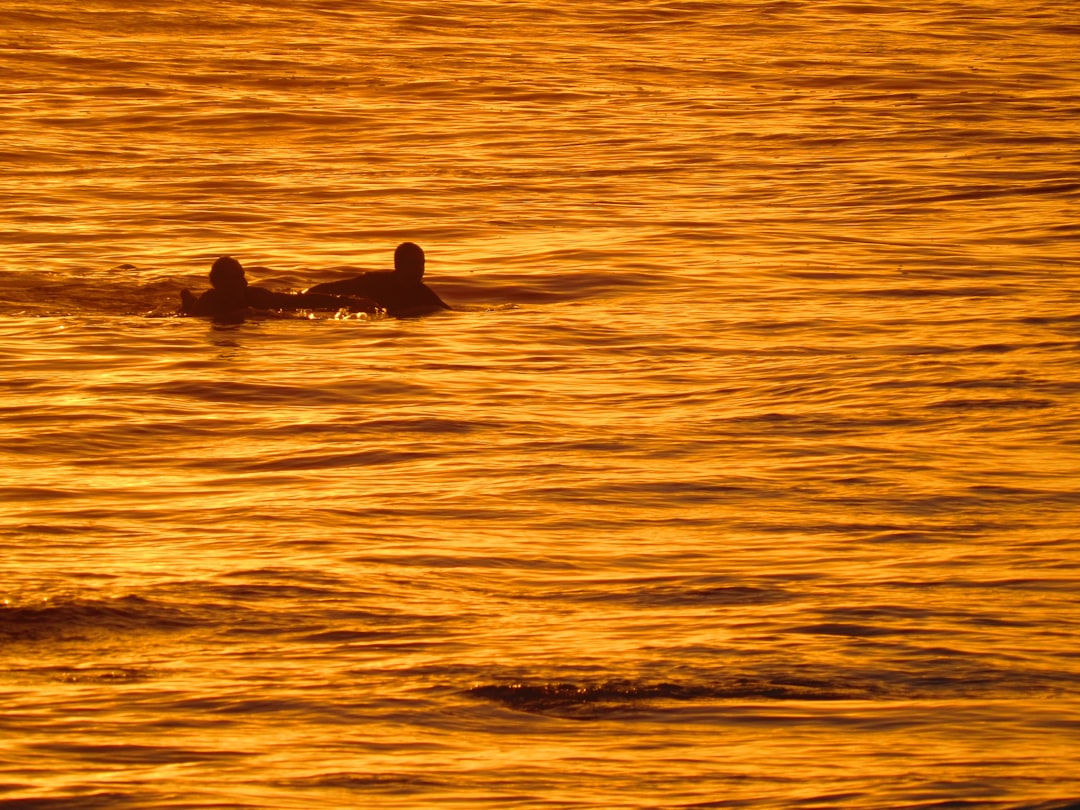
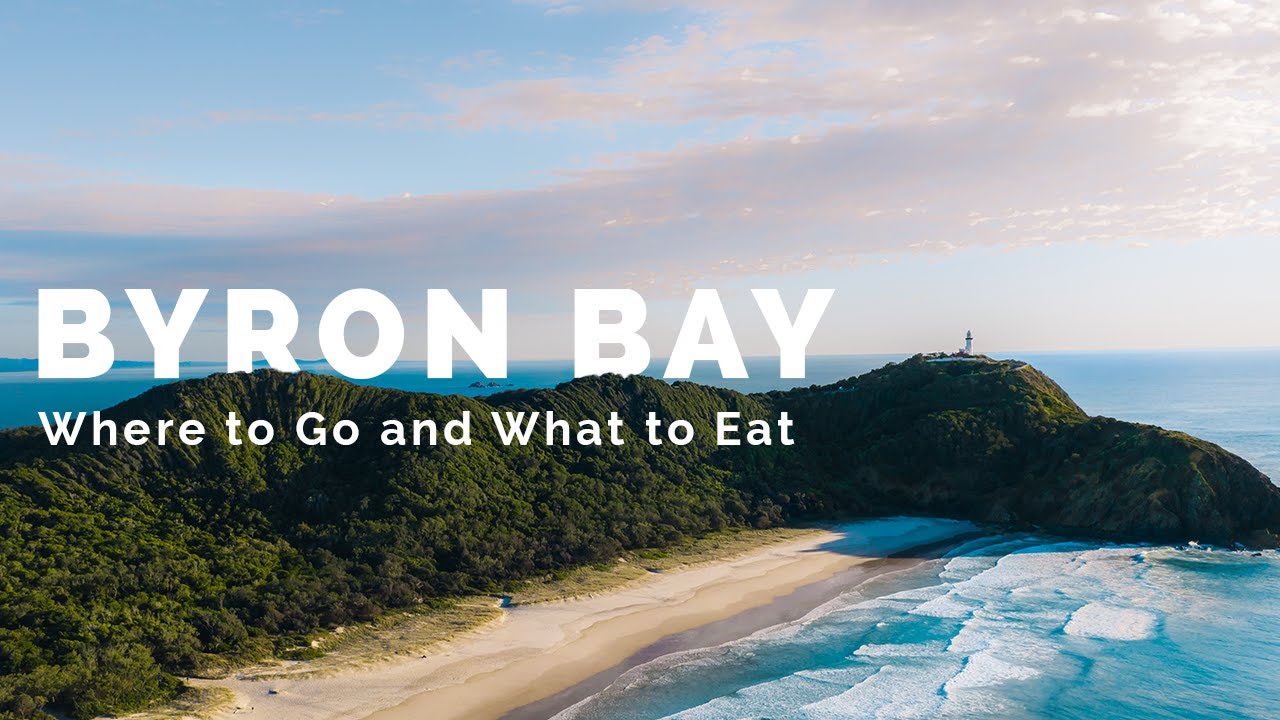
The first paddle dips into glass-smooth water as dawn light spills across Wategos Beach, turning the horizon soft gold and pink. Above, the Cape Byron Lighthouse stands sentinel on the headland, its beam still sweeping though the sky grows lighter by the minute. Three feet from your kayak hull, a sea turtle surfaces—slow, prehistoric, utterly unbothered by your presence. It takes a breath and slips beneath again, leaving only concentric ripples. This is what draws people to kayaking here. But getting this moment? It takes some local knowledge.
Byron Bay sits roughly 45 minutes south of the Gold Coast, making it an easy day trip or weekend escape for anyone holidaying along Australia’s eastern coastline. And while the region is famous for its surf breaks and bohemian charm, kayaking remains one of the most rewarding Byron Bay things to do—particularly for adults seeking something more memorable than another beachside brunch. Whether you’re travelling solo, with mates, or looking for Byron Bay things to do for couples, the waterways here deliver experiences that stay with you long after the holiday ends.
The Reality Check: What Nobody Tells You About Byron Kayaking
Let’s be honest before we get into the dreamy stuff. Social media has a habit of making every paddle look like a serenity-soaked paradise. The reality is a bit more nuanced, and knowing this upfront will save you from disappointment.
First, the seasons matter enormously. Winter—yes, winter—is secretly the superior time to kayak here. Between June and November, humpback whales migrate past Cape Byron, and seeing them breach from your kayak is the kind of experience that rearranges your priorities in life. The water’s calmer, the crowds thinner, and the morning light has that crisp quality photographers chase. Summer, by contrast, brings nor’easterly winds that whip up chop, plus temperatures that make midday paddling feel like a punishment.
Then there’s the fitness question. Kayaking isn’t technically demanding, but three hours of paddling will reveal muscles you forgot existed. If you’re booking a tour as one of those romantic Byron Bay things to do for couples, maybe don’t schedule it for the day after a brutal hangover. Your relationship will thank you.
Finally, some spots look spectacular on Instagram but deliver miserable experiences for beginners. Tallow Beach, for instance, can turn nasty in certain swells—it’s exposed to open ocean and lacks the protected waters that make Byron’s other locations so beginner-friendly. The photos don’t show the dumping waves or the current that pushes you toward rocks. Trust local advice over social media aesthetics.
Three Waters, Three Vibes: Matching Your Skill to Your Day
The Brunswick River: Beginners and Romance
If you’re new to kayaking or seeking something genuinely romantic, the Brunswick River is your answer. Located in Brunswick Heads, about 20 minutes north of Byron, this waterway delivers glassy conditions year-round thanks to its sheltered position. Mangrove tunnels create a sense of seclusion that’s hard to find elsewhere—think lazy paddling, kingfishers darting across the surface, and the kind of silence that makes you lower your voice automatically.
For couples, this is gold. Several operators offer sunset tours that finish with drinks and platters, essentially turning the paddle into a floating picnic. The current is gentle enough that you can drift and chat without constant paddling, and the scenery shifts from riverside houses to wild wetlands within a few kilometres. It’s intimate without being challenging.
Afterwards, head to the Brunswick Heads Boat Harbour for coffee. The kiosk there does a proper flat white and doesn’t judge you for looking slightly salty.
Cape Byron Marine Reserve: Intermediate Wildlife Chasers
This is the bucket-list option—the one where you paddle out from The Pass or Wategos and find yourself in the Cape Byron Marine Reserve, surrounded by nothing but ocean and the occasional dorsal fin. It’s also where those iconic lighthouse photos come from: you on the water, the white tower rising above the cliffs behind you.
Dawn tours here consistently outperform afternoon ones. The sea is calmer in the early hours, dolphins are more active, and you’ll beat both the wind and the crowds. Several operators run sunrise paddles that have you on the water before 6am—brutal to wake for, but absolutely worth it when a pod of bottlenose dolphins decides to investigate your group.
The difficulty here is moderate. You’re dealing with ocean swell, potential wind, and the need to time your exit through the shore break. Beginners can manage it with a guide, but it’s not the lazy float of the Brunswick River. You’ll work for your wildlife encounters.
Tweed River to Cook Island: Adventurous Adults Seeking Solitude
Here’s the option most tourists never hear about. The Tweed River, about 30 minutes north of Byron, offers access to Cook Island—a small rocky outcrop that’s practically guaranteed to deliver sea turtle encounters. We’re not talking “maybe you’ll see one” territory; we’re talking “counted 17 turtles in an hour” stories from paddlers who made the trip.
The island itself is a bird sanctuary, so you’ll see shearwaters and cormorants diving around you while turtles surface nearby. It’s the kind of place that reminds you why you travel—genuine wildness, no crowds, experiences that feel earned rather than served up.
The “We’re Not Doing That” Guide: Avoiding Common Mistakes
Sometimes the most useful advice is knowing what to avoid. Here are the mistakes that turn magical mornings into regrettable afternoons.
Booking midday summer tours. It sounds obvious, but people do it constantly. In January and February, the UV index hits extreme levels by 11am. Paddling at midday is how you end up sunburnt, dehydrated, and thoroughly over the experience before you’ve even reached the interesting bits. Dawn or sunset. Those are your options. Nothing in between.
Trusting random internet advice. The “I read on Reddit that this spot was great” crowd regularly find themselves paddling into fishing zones, stuck in currents they can’t fight, or launching from beaches where shore break flips kayaks like a washing machine. Local knowledge matters. If you’re reading Reddit for Byron Bay things to do Reddit threads, take them as a starting point, not gospel.
Skimping on gear rental. The cheapest kayak hire isn’t always the bargain it appears. Leaking vessels, missing drain plugs, paddles that snap mid-journey—these things happen when operators cut corners. Pay a bit more for established companies with proper equipment. Your experience is only as good as your gear.
For couples specifically, here’s a mistake that ruins more romantic outings than you’d imagine: booking separate kayaks when you’re not confident paddlers. Tandem kayaks have a reputation as “divorce boats” for a reason, but they’re also how you stay together when one person tires. If you’re both experienced, separate boats are fine. If not, consider whether your relationship can handle an hour of one person steering while the other feels like dead weight.
The Local’s Seasonal Playbook
Timing your trip right can mean the difference between a good paddle and an unforgettable one.
- June to August: Peak whale season. Humpbacks pass close to shore, and hearing them slap their tails from your kayak is genuinely moving. Water’s cool but manageable, mornings are calm, crowds are thin.
- September to November: The sweet spot. Whales are still passing through, dolphins are active, water’s warming up, and the summer crowds haven’t arrived yet. Book now if you have flexibility.
- December to February: Busy, hot, and prone to afternoon storms. Dawn paddles are essential. The Brunswick River stays calm even when ocean conditions deteriorate.
- March to May: Underrated. Water’s still warm from summer, crowds thin out, and the light takes on that golden autumn quality that makes everything look cinematic.
One final seasonal note: the Brunswick River’s upper reaches stay paddleable even when ocean conditions turn nasty. If you’ve booked a Cape Byron tour and the swell’s up, ask about switching to the river instead. It’s not a consolation prize—it’s a different experience that might actually be better for your skill level.
Making It Happen
Picture yourself back at Wategos as the sun rises higher, the lighthouse catching the full morning light now. You’re paddling toward shore, arms satisfied-tired, salt drying on your skin. There’s coffee waiting at the kiosk by the beach, and somewhere in your phone’s camera roll is a photo of a turtle that surfaced close enough to touch. The dolphins never appeared today, but that’s fine—you’ll remember the turtle, and the light, and the feeling of being the first person on the continent to see the sun.
The boats are there. The turtles don’t run on a schedule, but they show up most mornings. You just have to get yourself on the water.
Frequently Asked Questions
Where are the best kayaking spots near Byron Bay for beginners?
The Brunswick River at Brunswick Heads is the ideal spot for beginners, located about 20 minutes north of Byron Bay. This sheltered waterway offers glassy conditions year-round thanks to its protected position. Mangrove tunnels create a secluded atmosphere perfect for lazy paddling, and the gentle current allows you to drift without constant effort. For the best experience, time your paddle for high tide when the mangrove section near the river mouth becomes accessible, revealing channels most tourists never see.
When is the best time of year to go kayaking at Byron Bay?
Winter (June to November) is secretly the superior time to kayak Byron Bay. Humpback whales migrate past Cape Byron during these months, and the water is calmer with thinner crowds and crisp morning light. September to November is the sweet spot, with whales still passing through, active dolphins, warming water, and fewer summer crowds. Avoid midday summer paddling (December to February) when UV levels hit extreme and nor’easterly winds create choppy conditions.
How far is Byron Bay from the Gold Coast and what kayaking options are nearby?
Byron Bay sits roughly 45 minutes south of the Gold Coast, making it an easy day trip or weekend escape. Key kayaking locations include the Brunswick River (20 minutes north of Byron), Cape Byron Marine Reserve launching from The Pass or Wategos Beach, and the Tweed River to Cook Island (30 minutes north of Byron). Each offers different experiences, from the beginner-friendly Brunswick River to the more adventurous open-water paddle to Cook Island.
What wildlife can I expect to see while kayaking around Byron Bay?
Byron Bay delivers remarkable wildlife encounters from your kayak. At Cook Island, paddlers report counting up to 17 sea turtles in an hour, practically guaranteeing sightings. Cape Byron Marine Reserve offers dolphin encounters, particularly at dawn when bottlenose dolphins are most active. Between June and November, humpback whales breach close to shore. The Brunswick River features kingfishers, crabs on mudflats, and stingrays gliding beneath your hull through the mangrove tunnels.


Be the First to Comment
Sign in to start the conversation.