
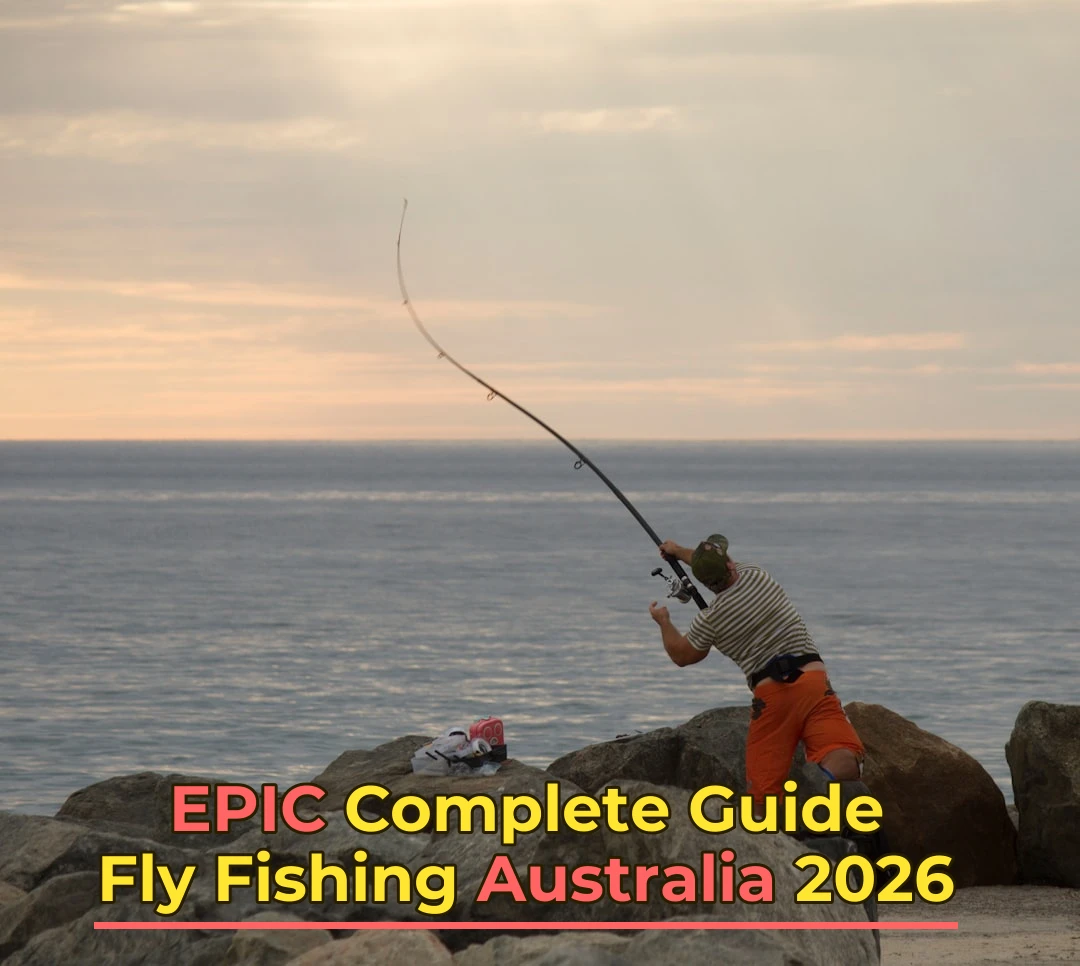
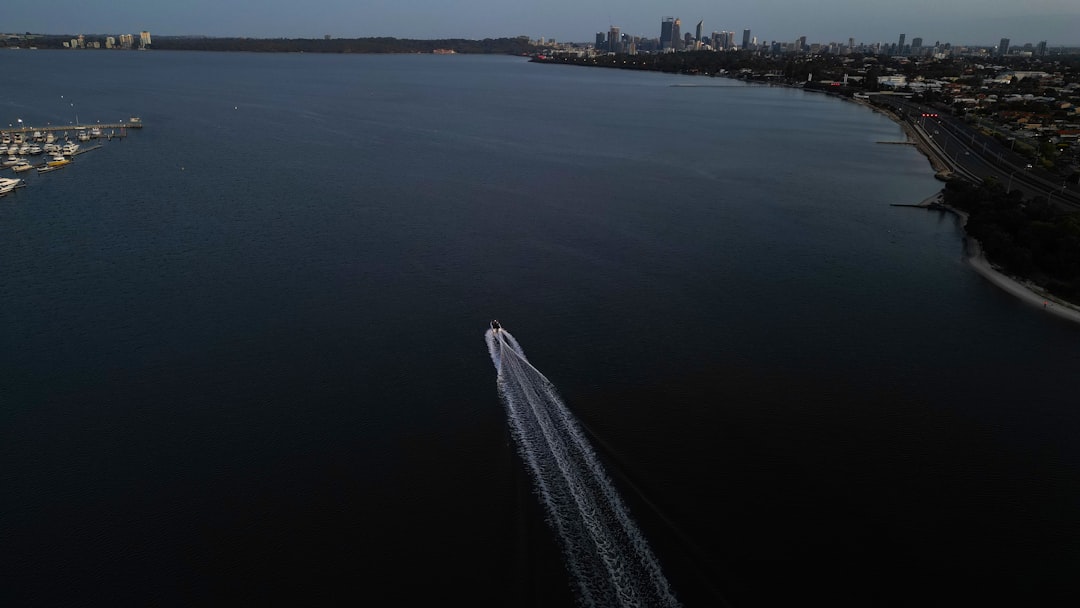
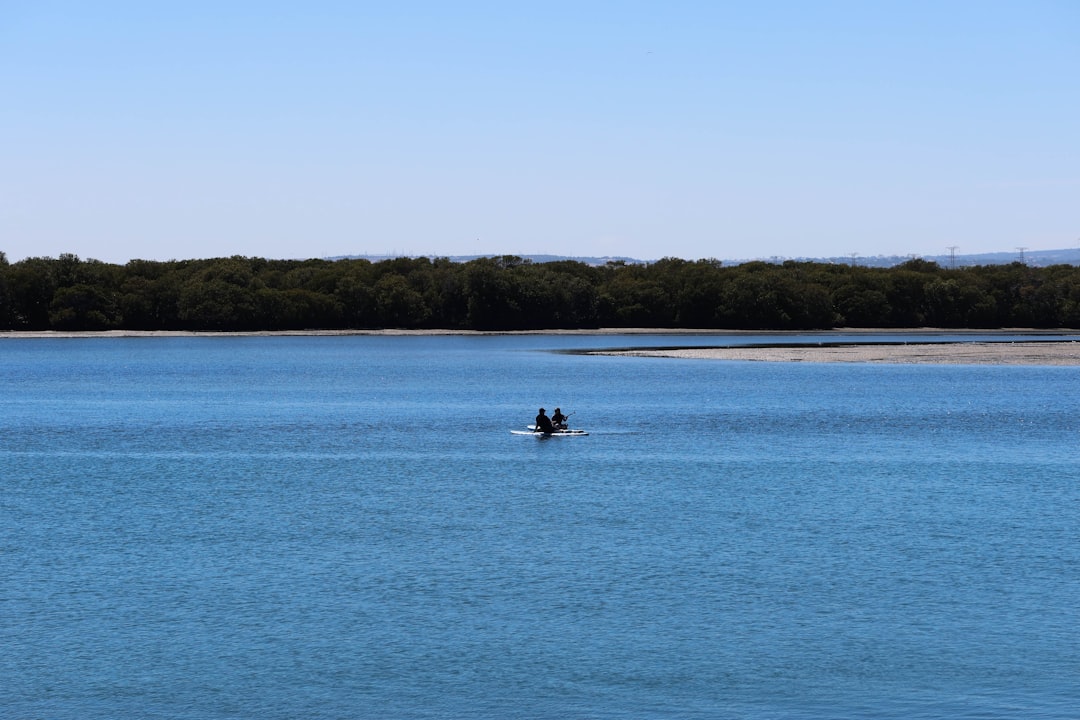
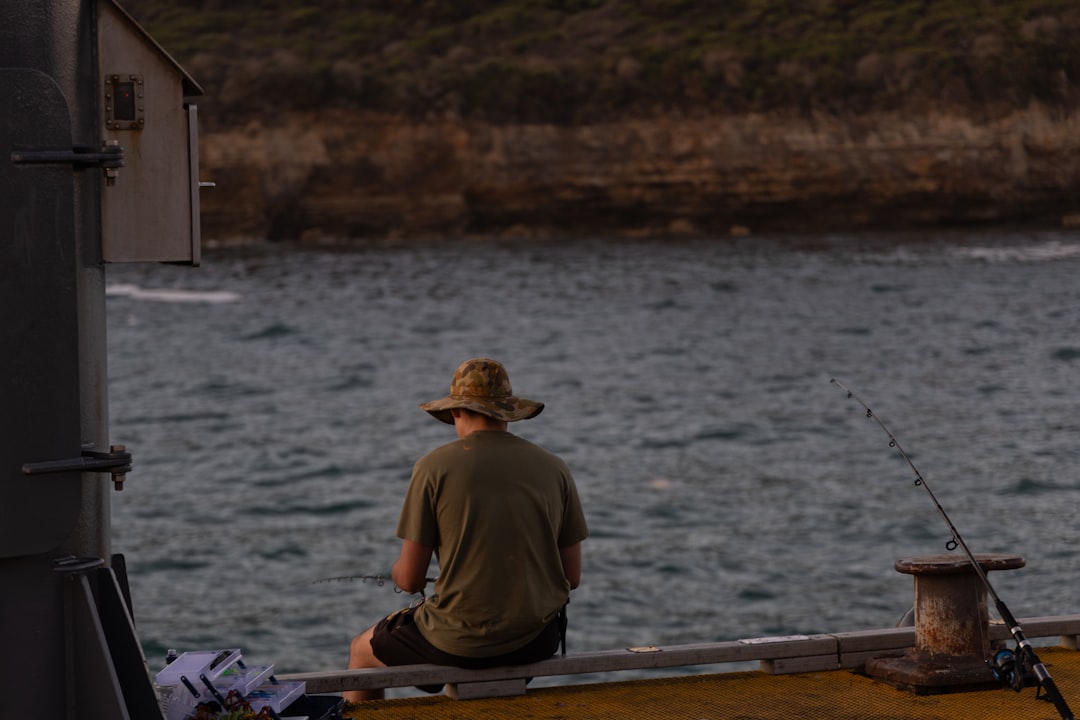
The humid tropical air clings to your skin as salt spray mingles with the sweet scent of mangroves drifting across the flats. Standing thigh-deep in water so clear it reads like liquid glass, you feel the subtle pulse of the incoming tide against your legs—a rhythm as old as the continent itself. The weight of an 8-weight fly rod sits familiar in your casting hand, your eyes scanning the mercury surface for the dark shadows of cruising trevally or the sickle-fin silhouette of a feeding permit. Then it happens: a subtle flash, your strip stops, and an electric jolt rockets up the line into your fingertips. The reel screams, backing slices through the water, and for one crystalline moment, you understand why fly fishing in Australia is less a hobby and more a relationship with some of the most dynamic waters on the planet.
The Lay of the Water: Mapping Australia’s Fly Fishing Geography
Australia’s fly fishing landscape defies the simple categorisation that works for smaller nations. This is a continent where tropical flats and alpine streams exist within the same borders, where a single flight can transport you from pursuing bonefish on sun-bleached coral sand to stalking wild brown trout in mist-shrouded mountain valleys. Understanding this geography—and matching your ambitions to the right water type—forms the foundation of any successful Australian fly fishing journey, a principle emphasised in every comprehensive fishing Australia book worth reading.
Tropical Saltwater Flats: The Great Barrier Reef and Cape York
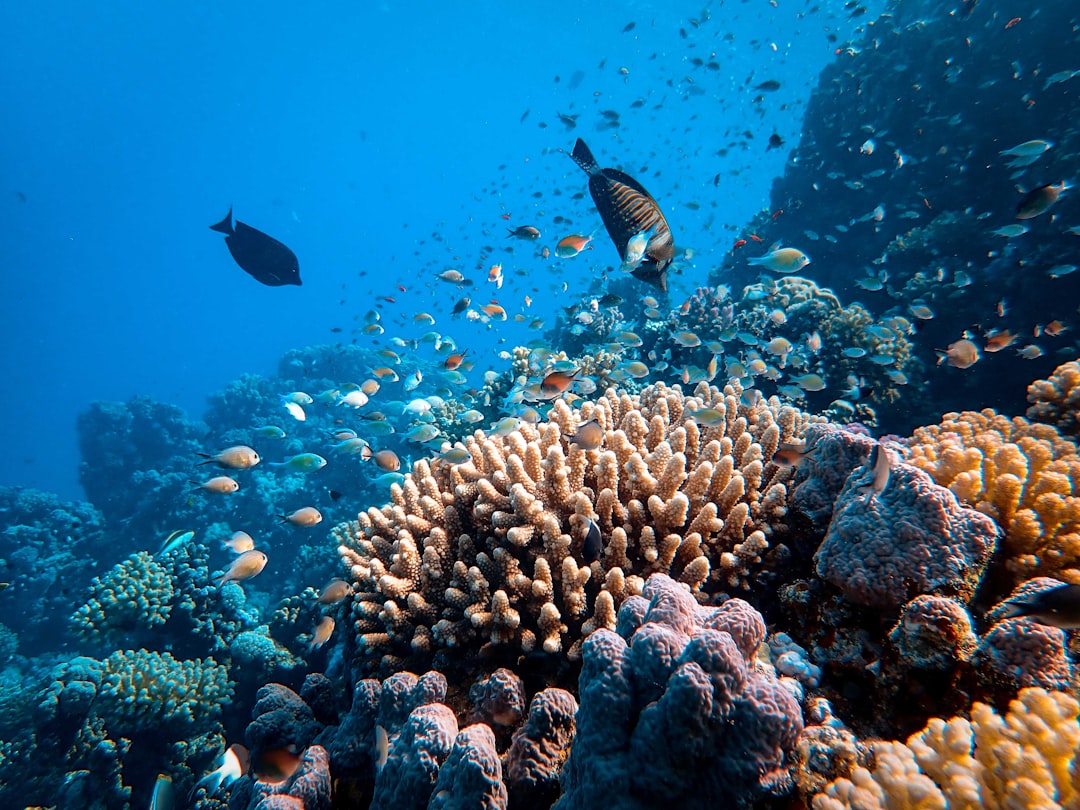
The Great Barrier Reef represents the pinnacle of Australian flats fishing—a wilderness of coral cay, seagrass meadow, and sandy expanse stretching over 2,300 kilometres along Queensland’s coast. This isn’t merely a fishery; it’s an ecosystem that demands respect and rewards preparation.
What distinguishes Reef flats fishing from other tropical destinations worldwide is the sheer diversity compressed into accessible range. Within a single day’s boat run from Cairns, Port Douglas, or the Whitsundays, anglers can target permit, triggerfish, golden trevally, giant trevally, bonefish, and the humble but spectacular queenfish. Each species demands different tactics, different flies, and increasingly, different levels of mental fortitude.
Cape York extends this experience into remote territory where guide operations are fewer and self-sufficiency becomes paramount. The trade-off for logistical complexity is crowds that thin to near-zero and fish that see fewer flies in a season than their southern cousins encounter in a week.
Seasonal Window: April through November delivers the most reliable flats conditions, with the coral spawn period (typically November into early December) creating exceptional feeding activity for species like permit and trevally.
Temperate Coastal Estuaries: The Southern Comfort
From the Noosa Everglades to the remote inlets of Tasmania’s west coast, Australia’s temperate estuaries offer fly fishing that balances accessibility with genuine challenge. These waters host bream, flathead, estuary perch, and the occasional mulloway—a quartet of species that demand precision presentation but tolerate the learning curve of newcomers to the saltwater fly game.
The beauty of estuary fishing lies in its year-round potential. While tropical flats shut down during the wet season’s monsoonal deluge, southern estuaries continue producing through winter, particularly for bream聚集 near structure and flathead lying patient on the drop-offs.
Alpine Streams: The Snowy Mountains and Tasmanian Highlands
Here exists the Australia that surprises international visitors—snow-gum country where morning frost clings to tussock grass and wild brown trout rise to mayfly hatches with Old World selectivity. The Snowy Mountains around Jindabyne and the Tasmanian Central Highlands around Penstock Lagoon and Arthurs Lake represent the pinnacle of Australian trout fishing.
These fisheries operate on a distinctly different calendar. Prime season runs from the October long weekend through to the Queen’s Birthday weekend in June, with a hard closure that protects spawning fish. Within that window, the magic periods bookend the season: spring hatches of mayfly and caddis, and the autumn egg migration that brings large fish into the shallows.
Access Reality: These waters require permits beyond standard fishing licences—specifically, the Inland Revenue Trout Licence in Tasmania and appropriate National Parks entry for Snowy Mountains waters. Many premier locations benefit enormously from local guide knowledge, particularly for accessing remote sections of streams like the Thredbo or Eucumbene.
Remote Billabongs: Northern Territory and Kimberley
The billabongs of the Top End and Kimberley represent fly fishing’s final frontier in Australia—waters where barramundi, saratoga, and the occasional threadfin salmon patrol lily-lined edges beneath the watchful eyes of saltwater crocodiles. This is adventure fishing in its purest form: remote, demanding, and transformational.
Seasonal Window: The “Run-off” period (March through May) delivers peak barramundi fishing as receding floodwaters concentrate baitfish at creek mouths and billabong entrances. This narrow window sees the biggest barra of the season caught on flies.
The Cast of Characters: Species Profiles with Local Intelligence
The phrase “cast of fishing Australia” carries a beautiful double meaning. It speaks both to the community of guides, writers, and anglers who’ve built this country’s fly fishing culture, and to the actual casting techniques each species demands. Understanding who you’re pursuing—and how they behave in Australian waters specifically—transforms random casting into targeted hunting.
The Holy Grail Targets
Barramundi (Lates calcarifer)
The barramundi occupies a unique space in Australian angling culture—revered equally by lure fishers, bait soakers, and fly anglers. For the fly fisher, barra represent the ultimate intersection of power and accessibility: a fish that will absolutely crush a well-presented fly but also humble experienced anglers with their capricious feeding windows.
Behavioural Quirk: Barramundi possess a uniquely Australian adaptation—they thrive in both fresh and saltwater, migrating between the two during their lifecycle. This means the same fish you target in a billabong during the Wet Season might be caught in estuarine waters months later. Understanding this migration pattern, documented extensively in Fishing Australia Magazine over decades, is crucial for timing your pursuit.
Fly Selection Reasoning: Barramundi are visual predators that respond to movement and profile over exact imitation. Large (3/0 to 5/0) baitfish patterns in chartreuse/white, olive/white, or pure black (for dirty water) stripped with aggressive, erratic action produce better than subtle presentations. Surface flies—particularly popper patterns stripped with long pauses—draw explosive strikes during low-light periods.
Permit (Trachinotus falcatus)
If barramundi represent power, permit represent psychology. These fish possess an uncanny ability to inspect, follow, and refuse flies with an arrogance that has broken stronger anglers than most of us will ever meet. A permit on the flats is simultaneously the most frustrating and rewarding pursuit in Australian saltwater fly fishing.
Honest Assessment: Permit fishing on the Great Barrier Reef flats is accessible but demanding. You can hire a guide out of Cairns or Port Douglas and be on permit water within an hour of leaving your hotel—but success rates hover around 20-30% even for experienced fly fishers. The learning curve is measured in seasons, not sessions.
Milkfish (Chanos chanos)
Often called the “ghost of the flats,” milkfish present a unique challenge: they’re algae grazers that can be nearly impossible to interest in traditional fly patterns. The breakthrough came when innovative anglers developed small, sparse flies tied to imitate the algae mats and plankton clouds milkfish filter-feed upon.
The Reliable Sport Fish
Bream (Acanthopagrus australis – Yellowfin Bream)
Yellowfin bream might be the perfect entry point for Australian saltwater fly fishing. They’re widespread (from central Queensland to Victoria), available year-round, willing to take well-presented flies, and capable of putting a bend in lighter rods without requiring specialised heavy gear.
Dusky Flathead (Platycephalus fuscus)
Flathead are the ambush predators of Australian estuaries—fish that bury themselves in sand or mud, invisible until they erupt upward to engulf prey. For fly fishers, this behaviour translates to a simple but effective approach: drag flies along the bottom through likely lying areas.
The beauty of flathead lies in their size potential. A metre-plus dusky flathead hooked in shallow water on an 8-weight rod delivers a fight that punches well above the species’ reputation. These are genuinely large predators that warrant respect and appropriate gear—minimum 8-weight rods with reels capable of holding 200+ metres of backing.
Unexpected Delights
Saratoga (Scleropages jardinii and S. leichardti)
Often called the “poor man’s barramundi” (an unfair label that undersells their unique appeal), saratoga are ancient fish—living fossils with bony tongues and a prehistoric appearance. They take surface flies with genuine enthusiasm and leap when hooked, providing spectacular visual fishing in the Northern Territory and Queensland’s remote waterways.
Accessibility Note: Unlike barra, which can be targeted on reasonably accessible waters, quality saratoga fishing typically requires expedition-level logistics. This keeps pressure low and experiences authentic—a trade-off many anglers find worthwhile.
Seasonal Rhythms: When the Water Comes Alive in Australia
Australia’s fly fishing calendar doesn’t follow the neat seasonal patterns of Europe or North America. Instead, it operates on a continental rhythm shaped by the monsoon, the coral spawn, the trout spawning runs, and the subtle temperature shifts that trigger fish movements most anglers never detect.
Summer: The Monsoon Push (December-February)
Summer in tropical Australia means the Wet Season—potentially unfishable conditions as monsoonal downpours flood rivers and reduce visibility to zero. But timing is everything. The pre-monsoon build-up (October-November) offers some of the year’s best barramundi fishing as heat and humidity peak before the rains break.
Meanwhile, southern waters hit their stride. Bass and estuary perch move into the lower reaches of coastal rivers, providing exciting surface fishing with popper flies. The tropical flats remain productive when weather windows open, though high temperatures and potential storms require flexible planning.
Autumn: The Coral Spawn Trigger (March-May)
On the Great Barrier Reef, autumn brings the coral spawn—a mass synchronised spawning event that blankets kilometres of reef in a pinkish-white slick of eggs and larvae. This biological explosion triggers feeding activity across the food chain, from baitfish through to the apex predators fly fishers target.
Key Insight: The coral spawn typically occurs 5-7 nights after the November full moon, though timing varies by location and year. Tracking spawn reports through Fishing Australia Magazine online updates and local tackle shop networks allows you to time your trip for peak activity. The week following the spawn can produce extraordinary permit and trevally fishing as fish gorge on the protein bonanza.
Autumn also signals prime time for the Top End “Run-off”—the period when floodwaters recede and concentrate barramundi at creek mouths and drainage points. This is expedition fishing at its finest, typically accessed via guided packages from Darwin or Katherine.
Winter: Southern Comfort (June-August)
While the tropical north experiences its dry season (actually excellent for weather but variable for fishing), southern Australia delivers consistent fly fishing through winter. Bream and flathead remain active in estuaries, while trout fishing in the Snowy Mountains and Tasmania continues through to the season’s June closure.
The winter advantage: crowds thin dramatically. Popular waters that see heavy pressure in spring and autumn become quieter, and guides have more availability. The trade-off is shorter days and potentially challenging weather in alpine areas.
Spring: The Awakening (September-November)
Spring marks the start of the trout season in alpine regions (October long weekend opening), with peak mayfly hatches drawing rising fish to surface flies. For dry fly enthusiasts, the weeks from mid-October through November on waters like Tasmania’s Penstock Lagoon deliver the kind of selective trout fishing usually associated with New Zealand or Montana.
In the tropics, spring is build-up time—increasing heat and humidity that signals barra to feed aggressively ahead of the Wet. This pre-monsoon period is physically demanding but potentially the most productive barra window of the year.
The Angler’s Kit: Curated by Australian Conditions
Australian fly fishing conditions differ fundamentally from the American and European contexts where most gear is designed and tested. Our sun is genuinely harsher, our saltwater more corrosive, our species profiles unique. A rod perfectly adequate for American bass becomes under-gunned for Australian barramundi. A reel that handles Montana trout may not survive a week on the Great Barrier Reef flats.
Rod Selection: Matched to Reality
4-6 Weight: Alpine streams and estuaries. Perfect for trout in the Snowy Mountains, bream in southern waters, and flathead on calm days. A 5-weight is the versatile workhorse for traveling anglers targeting smaller species.
7-8 Weight: The saltwater all-rounders. Capable of handling most estuary species plus smaller tropical targets like golden trevally and queenfish. An 8-weight is the minimum responsible choice for flats fishing where permit or large trevally might appear.
9-12 Weight: Heavy artillery for serious tropical work. Barramundi, giant trevally, and any situation where fish might exceed 15kg. A 10-weight represents the sweet spot for dedicated barra anglers—capable of turning big fish without being exhausting to cast all day.
Reel Requirements: Saltwater Survival
The reel conversation in Australian fly fishing centres on one word: sealing. A fully sealed drag system isn’t a luxury on tropical flats—it’s survival. Salt infiltrates unsealed reels with remarkable speed, turning smooth drags into grinding messes mid-fight.
Backing Capacity: Australian species run. A metre-plus barramundi or a hooked permit can strip 150 metres of backing before you’ve processed what’s happened. Quality reels should hold minimum 200 metres of 30lb Dacron or 250+ metres of gel-spun backing for serious flats work.
Fly Patterns: Local Intelligence
The most common mistake visiting anglers make is arriving with fly boxes full of patterns that work elsewhere but underperform in Australian conditions. Our baitfish profiles differ. Our water clarities vary. Our species have evolved to key in on specific triggers that imported patterns often miss.
Patterns That Work:
- Clouser Minnow variations (chartreuse/white, olive/white) – universal producers for everything from bream to barra
- Deceivers in baitfish colours – essential for trevally and pelagic species
- Crab patterns (Merkin, Turneffe) – for permit and triggerfish on the flats
- Surface poppers and gurglers – barra, saratoga, and golden trevally can’t resist them
- Small shrimp patterns (#4-#8) – bream and estuary species specialists
Why Imported Patterns Fail: American bass flies are often too small for Australian natives. UK trout patterns assume mayfly hatches that don’t exist here. Bonefish patterns from Christmas Island are worth trying on our flats, but local guides have developed Australian-specific variants that outperform the originals.
Sun Protection: Not Optional
Essential protection includes:
- UPF 50+ long-sleeve shirt and long pants (many quality fishing brands now offer these)
- Broad-brimmed hat with neck coverage
- Polarised sunglasses
Frequently Asked Questions
Where are the best fly fishing locations in Australia for different fish species?
Australia offers diverse fly fishing across four main regions. The Great Barrier Reef and Cape York provide tropical flats fishing for permit, trevally, and bonefish (April-November). Alpine streams in the Snowy Mountains around Jindabyne and Tasmania’s Central Highlands near Penstock Lagoon offer wild brown trout fishing (October long weekend to Queen’s Birthday weekend in June). Northern Territory and Kimberley billabongs deliver barramundi and saratoga during the Run-off period (March-May). Temperate estuaries from Noosa Everglades to Tasmania’s west coast provide year-round bream, flathead, and estuary perch fishing.
What fly fishing rod weight do I need for Australian conditions?
Rod selection depends on your target species and location. For alpine streams and estuaries targeting trout, bream, and flathead, a 4-6 weight rod is ideal, with a 5-weight being the versatile workhorse. For saltwater all-round use handling estuary species and smaller tropical targets like golden trevally, choose a 7-8 weight rod. For serious tropical work targeting barramundi, giant trevally, and fish exceeding 15kg, you’ll need a 9-12 weight rod, with a 10-weight being the sweet spot for dedicated barra anglers. Australian species are generally stronger pound-for-pound than northern hemisphere equivalents, so when uncertain, choose the heavier option.
When is the best time to go fly fishing in Australia’s tropical waters?
Tropical flats fishing on the Great Barrier Reef is most reliable from April through November. The coral spawn period (typically November into early December, occurring 5-7 nights after the November full moon) creates exceptional feeding activity for permit and trevally. For Northern Territory and Kimberley barramundi, the peak ‘Run-off’ period runs from March through May when receding floodwaters concentrate baitfish at creek mouths and billabong entrances. The pre-monsoon build-up (October-November) offers excellent barramundi fishing despite challenging heat and humidity. Avoid the Wet Season (December-February) when monsoonal downpours flood rivers and reduce visibility to zero.
What permits and licences do I need for fly fishing in Australia?
Beyond standard fishing licences, Australian fly fishing requires location-specific permits. For Tasmania’s premier trout waters, you need an Inland Revenue Trout Licence. For Snowy Mountains waters around Jindabyne, appropriate National Parks entry fees apply. Alpine trout fisheries operate under strict seasonal closures, running from the October long weekend through to the Queen’s Birthday weekend in June, protecting spawning fish. Remote billabong fishing in the Top End and Kimberley doesn’t require additional permits beyond standard licences, but safety protocols for saltwater crocodile areas are essential—always travel with experienced operators and never clean fish near your fishing spot.
What fly patterns work best for Australian saltwater and freshwater species?
Effective Australian fly patterns differ from imported options. Clouser Minnow variations in chartreuse/white or olive/white are universal producers for bream to barramundi. Deceivers in baitfish colours work for trevally and pelagics, while crab patterns (Merkin, Turneffe) target permit and triggerfish on flats. Surface poppers and gurglers are essential for barramundi, saratoga, and golden trevally. For estuary specialists, small shrimp patterns (#4-#8) work well. For barramundi specifically, use large (3/0 to 5/0) baitfish patterns with aggressive, erratic action, or pure black for dirty water conditions. Local Australian-specific variants generally outperform imported American and UK patterns.



Be the First to Comment
Sign in to start the conversation.