
What if I told you that the most serene moment on your board isn’t when the water is glass, but when it’s choppy enough to keep you honest?
Imagine standing on the edge of a jetty in Sydney Harbour, the morning fog lifting to reveal the Opera House sails shimmering in a way no postcard ever captured. Or perhaps you’re navigating the winding, salt-water mangroves of Queensland’s Fraser Coast, where the only sounds are your paddle slicing through stillness and the distant call of a kookaburra. Paddleboarding in Australia has evolved from a niche Californian pastime into a cornerstone of our outdoor culture, offering an unmatched blend of physical challenge and mental respite. But let’s strip away the Instagram filters for a moment. Real paddleboarding isn’t just about finding the perfect sunset spot; it’s an engagement with the elements that demands respect, preparation, and a willingness to get wet.
As an Australian outdoor enthusiast who has spent years navigating everything from the calm, turquoise lagoons of the Great Barrier Reef to the unpredictable, choppy swells off the Geelong coast, I’ve learned that the board is merely a tool. The real activity lies in reading the water, understanding your body’s limits, and connecting with our unique marine environment. This guide is designed to take you beyond the beginner’s wobbles and into a deeper appreciation of water sports in Australia, providing expert insights that turn a day at the beach into a transformative experience.
The Anatomy of an Australian Session: Beyond the Board
When people think of paddleboarding, they often picture a simple inflatable board and a cheap pump. While that works for a paddling pool in your backyard, it fails spectacularly when facing the diverse and demanding conditions of Australian waters. The equipment you choose is not just a preference; it dictates your safety, efficiency, and enjoyment.
In Australia, local conditions dictate equipment choices with ruthless precision. A thick, wide board designed for the calm, warm waters of the Great Barrier Reef would be a disaster in the cold, fast-moving currents of Tasmania. Conversely, taking a narrow, high-performance carbon fibre board designed for speed down the length of Sydney Harbour to Manly into choppy surf conditions is a recipe for disaster. Understanding this distinction is the first step to mastering paddleboarding.
The Great Divide: Reef vs. Harbour
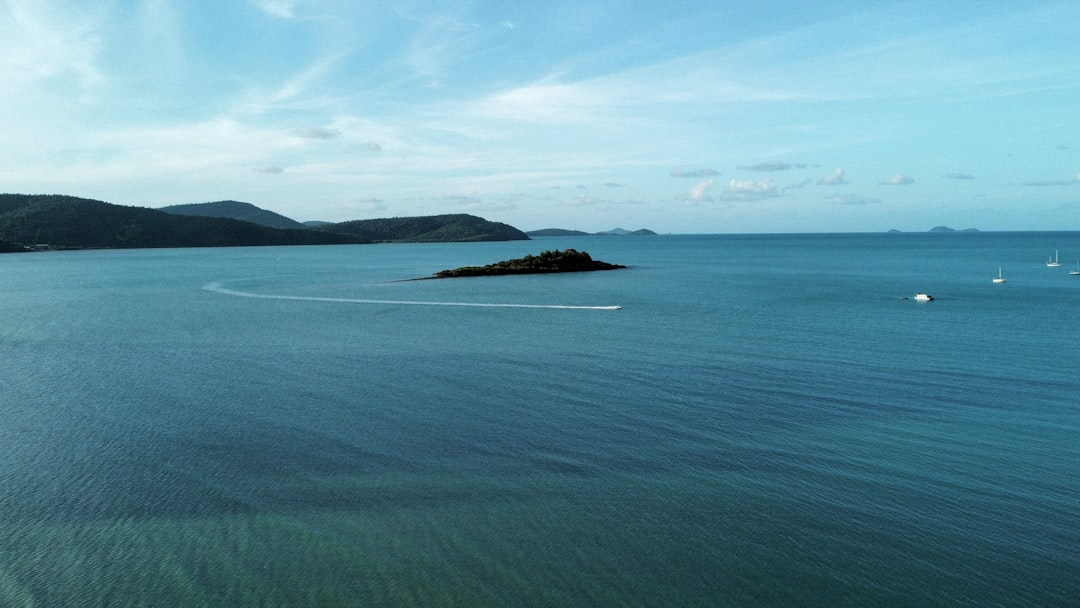
If your goal is exploration in tropical North Queensland or the Whitsundies, you need stability over speed. Look for boards that are 10 feet or longer and at least 32 inches wide, with a volume-to-weight ratio that accounts for your gear. These conditions often feature coral reefs and sandy bottoms, where a hard composite board might be damaged by accidental scrapes. For these sessions, high-quality inflatable boards (iSUPs) are excellent choices—they offer enough durability to withstand the occasional coral contact and provide a softer landing if you take a tumble.
However, move south to the Sydney Basin or Melbourne’s Port Phillip Bay, and the rules change. Here, wind chop is your constant adversary. You need a board with a planing hull design that slices through waves rather than bouncing over them. Narrower rails and a sharper nose allow for better tracking in the cross-winds common around heads like Botany Bay. In these colder waters, insulation becomes key.
Gear Specifics for Australian Conditions
Your board is only as good as your kit. In Australia, the sun is not a suggestion; it’s a hazard. Standard sunscreen often washes off too quickly in salt water and can harm sensitive marine ecosystems.
- Rash Guards: Forget relying solely on lotion. A high-UPF (Ultraviolet Protection Factor) rash guard is non-negotiable for paddleboarding. It protects your torso from chafing against the board and shields you from UV rays that reflect off the water surface.
- Reef-Safe Sunscreen: When you do apply sunscreen, ensure it is mineral-based (zinc oxide or titanium dioxide) and labeled “reef-safe.” Chemical sunscreens containing oxybenzone are banned in places like Hawaii and Palau, and they are increasingly restricted in Australian marine parks to protect coral health.
- The Leash: This is your lifeline. In surf conditions, a coiled leash is preferred to prevent it from dragging in the water and causing drag. For flatwater touring, a straight leash is standard.
Finally, respect the regulations. Many of our best paddleboarding spots are within Marine Parks. Check local signage for no-entry zones, particularly during breeding seasons for seals or turtles. Bringing local knowledge to your gear check ensures you are not just a visitor, but a responsible steward of these waters.
The Rhythm of the Tide: A Decision Matrix for Every Skill Level
Most beginner guides categorise paddleboarders by skill: novice, intermediate, expert. This is flawed advice because it ignores intent. Two people can have the same skill level but vastly different goals. One might be seeking mental therapy, while another is training for a race. To get the most out of paddleboarding in Australia, you must match your skill to your intent.
The Therapist’s Path: Finding Stillness
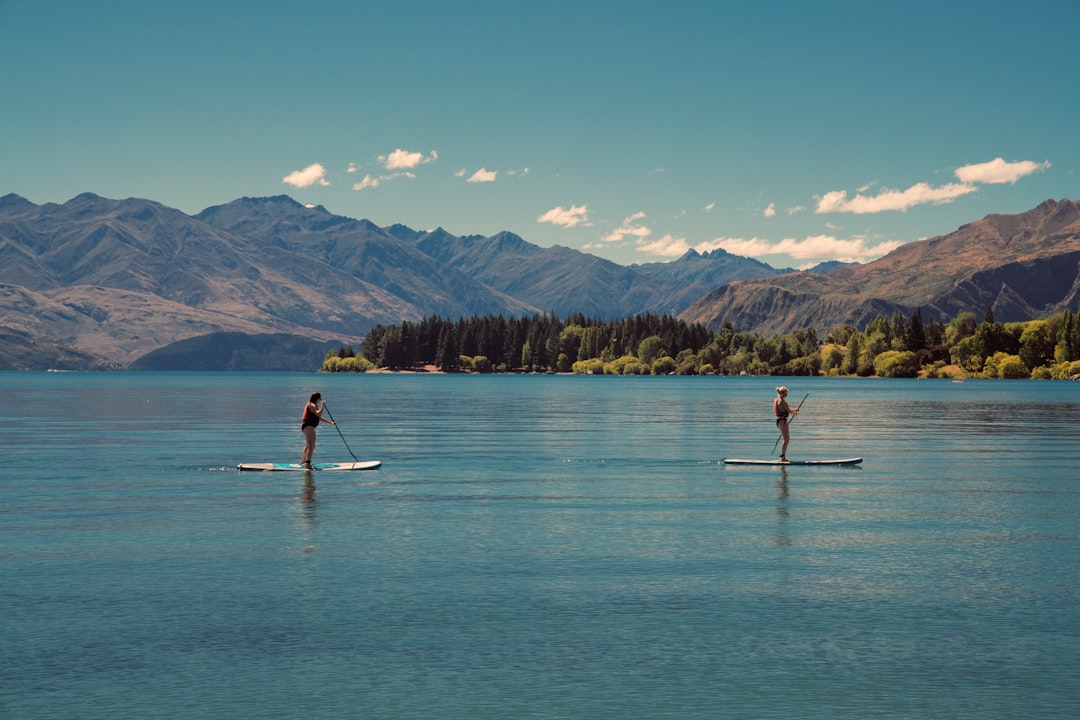
If you are paddleboarding for stress relief and mental clarity, your goal is not to conquer the water, but to merge with it. This path requires calm environments: think Port Phillip Bay at dawn before the commercial boats start, or the sheltered bays of Margaret River.
Tips for the Therapist:
- Posture is Key: Keep your core engaged and your gaze fixed on the horizon, not your feet. This promotes balance and opens up the chest for deeper breathing.
- Breathing Techniques: Use your paddle stroke as a metronome for your breath. Inhale for three strokes, exhale for three strokes. This rhythmic breathing lowers cortisol levels and puts your body in a parasympathetic state.
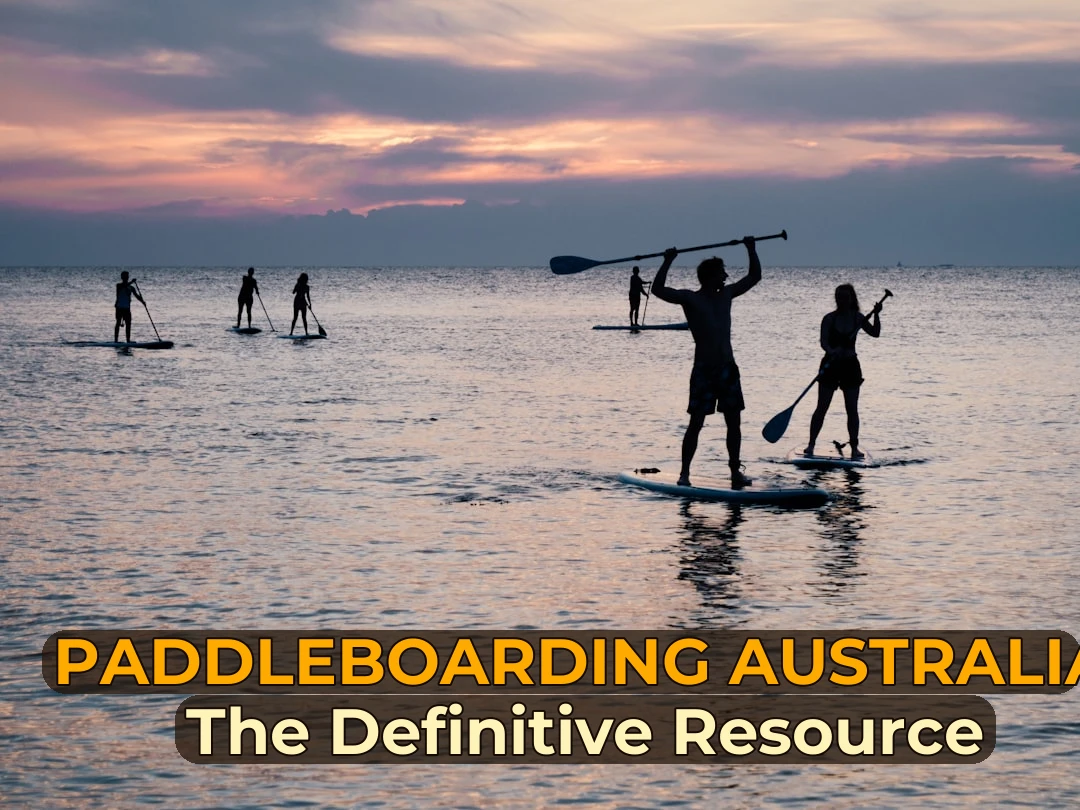
- The Sunrise Epiphany: There is a specific magic to paddling to a secluded cove in the Mornington Peninsula just before sunrise. The water is often mirror-still, reflecting the changing hues of the sky from indigo to apricot. The physical effort required to get there transforms into a flow state, leaving you with a profound sense of peace that is hard to replicate on land.
The Athlete’s Circuit: Challenging the Elements
For those seeking fitness and technical challenge, paddleboarding is one of the most complete full-body workouts available outdoors. This involves navigating surf breaks and choppy waters, such as the protected channels of the Gold Coast or the headlands around Sydney’s Northern Beaches.
Tips for the Athlete:
- Stance Width: Widen your stance for stability in chop. If the water is rough, dropping your centre of gravity by bending your knees more than usual keeps you above the waves rather than in them.
- Stroke Efficiency: Focus on long, slow strokes rather than short, fast ones. Grab the water deep with your paddle blade and pull back through your hips, not just your arms. This engages your core and glutes, turning the paddle into a rowing machine.
- Gear Swap: In cold waters like Tasmania’s Derwent Estuary, a rigid composite board is superior to an inflatable one. The rigidity allows for better power transfer during intense paddling, and the material properties offer slight thermal insulation compared to thin PVC inflatables.
The Explorer’s Route: Distance and Navigation
Paddleboarding is also a mode of transport for exploring remote waterways. This could mean a long-distance trip down the Murray River or navigating the intricate mangrove systems of Queensland. This requires navigation skills and safety protocols beyond simple paddling.
- Navigation: Always carry a waterproof map or a GPS device mounted on your board. Tidal windows are critical; missing the tide can strand you on sandbars or expose dangerous rocks.
- Safety Protocols: For remote areas, a VHF radio or a satellite messenger is essential. Mobile phones are useless in many bushland waterways.
- The “Stuck” Story: I recall a specific memory of being stuck in the middle of a channel during low tide in Victoria’s Surf Coast. I had my high-end, expensive equipment, but no local knowledge of the tidal windows. The water dropped away beneath me, leaving my board nose-down in the mud. I was stuck for two hours until the tide turned. It was a humbling lesson that no amount of gear can substitute for understanding the local environment.
When the Weather Turns: Honest Limitations and Safety Protocols
The romanticised image of paddleboarding often ignores one harsh reality: it can be more dangerous than kayaking or surfing for the unprepared. Unlike a kayak, which has secondary flotation and a seat that keeps you above water even if capsized, a paddleboard offers little assistance when you are in the water. You must swim to your board, which can be exhausting and time-consuming.
The Geelong Squall: A Cautionary Tale
A few years ago, I was paddleboarding off the coast of Geelong on what the Bureau of Meteorology had forecast as “light winds.” Within twenty minutes, a sudden squall moved in from the south-east. The water went from glass to confused, six-foot chop in minutes. I was miles from shore, fighting a cross-current that pushed me towards rocky outcrops. My heart pounded not just from exertion, but from fear. That day taught me that Australian coastal weather can change with terrifying speed.
Cold Water Risks: Hypothermia and Flash Flooding
Even in Australian summer, water temperatures can drop quickly. Hypothermia is not just a winter problem; it affects paddleboarders in Tasmania, Victoria, and even parts of New South Wales.
- Wetsuits: In waters below 20°C, a wetsuit is mandatory, regardless of the air temperature. A 3mm suit is standard for most southern Australian waters.
- Flooding: Flash flooding from inland rivers is a real danger in the tropics and subtropics. Always check upstream rainfall forecasts before paddling into river mouths.
- The Leash: Reiterate the importance of your leash. It keeps you and your board together, preventing separation in rough water.
It is crucial to admit that not every day is a paddleable day. Some of the best advice is knowing when to stay home. Respect for the ocean means recognising your limits and the ocean’s power.
Community and Culture: Finding Your Place on the Water
Paddleboarding is no longer a solitary activity. Across Australia, a vibrant community of paddlers has emerged, fostering connection through clubs, races, and conservation efforts. Engaging with this community enhances your experience and provides valuable networking opportunities.
Racing and Organisations
If you enjoy the competitive side, organisations like SUP Australia organise regional and national championships. These events range from marathon-style long-distance races to stand-up paddle surfing competitions. Joining a local club can provide training, safety oversight, and a sense of camaraderie.
Eco-Initiatives: Paddle for Planet
A significant part of modern paddleboarding culture is environmental stewardship. Initiatives like “Paddle for Planet” encourage paddlers to collect marine debris during their sessions. This has led to some massive clean-up efforts across Australian waterways, proving that paddleboarding can be a force for positive environmental change.
Beyond the Tourist Spots: Hidden Gems
While Bondi and Manly are iconic, the true magic of Australian paddleboarding lies in its hidden lagoons. In Victoria’s Surf Coast, there are secret estuaries accessible only at high tide, offering isolation and wildlife encounters with dolphins and whales. In Queensland, the mangrove tunnels offer a surreal, green-cathedral experience that feels worlds away from the city.
Connect with these communities through official resources. The Bureau of Meteorology offers detailed deep-dive marine forecasts that are essential for serious paddlers. Equipment repair guides and local council regulations should be your first stop before setting out.
Key Takeaways: Your Path Forward
Paddleboarding in Australia is a multifaceted activity that blends sport, therapy, and exploration. It requires respect for the environment, proper gear selection, and an understanding of local conditions. By choosing your intent—whether as a Therapist, Athlete, or Explorer—you can tailor your experience to maximize enjoyment and safety.
- Match Gear to Water: Use inflatables for reefs and rigids for chop; always consider thermal protection.
- Respect the Elements: Check marine forecasts meticulously and be aware of currents like the EAC.
- Join the Community: Engage with local clubs and conservation groups to enhance your experience.
- Prioritise Safety: Always wear a leash, carry communication devices, and know your limits.
The water is waiting, but are you listening to what it’s telling you?
Paddleboarding is not about conquering the water; it’s about learning to move with it. It is a practice that asks for your full attention, offering back a clarity and connection that few other sports can provide. Whether you are watching the sunrise over Sydney Harbour or navigating the quiet mangroves of Queensland, remember that you are part of an ecosystem that demands respect.
So, what will you do next? Here are three immediate steps to begin your journey:
- Check the Tide Charts: Look up the tide and current data for your local beach this weekend. Find a time when the water is calmest.
- Join a Local Group: Search for a local paddleboarding club or “Paddle and Pick” event. Meet others who share your passion.
- Commit to Leave No Trace: Pack out all your waste, including micro-trash. Respect marine park regulations and wildlife distances.
The board is in your hands. The water is calling. Paddle on.
Frequently Asked Questions
What equipment is best for paddleboarding in different Australian conditions?
Equipment choices depend heavily on local waters. For calm, warm tropical waters like the Great Barrier Reef or Whitsundies, use high-quality inflatable boards (iSUPs) that are 10 feet or longer and at least 32 inches wide for stability. These handle coral contacts well. Conversely, for choppy harbour conditions like Sydney’s Botany Bay or Melbourne’s Port Phillip Bay, use narrow, high-performance rigid composite boards with planing hulls to slice through waves. In colder southern waters like Tasmania, rigid boards offer better power transfer and slight thermal insulation compared to thin PVC inflatables.
How does the East Australian Current affect my paddleboarding trip?
The East Australian Current (EAC) flows south along the east coast and can significantly impact your energy levels. If you are paddleboarding northwards from Sydney towards Newcastle, fighting the EAC can drain your energy reserves by up to 30% compared to paddling in still water. To manage this, always plan your return trip when the tide is with you rather than against it. Ignoring this current can lead to rapid fatigue and difficulty returning to shore, especially over long distances.
When is the best time to paddle for mental clarity and stress relief?
For those seeking the ‘Therapist’s Path’ and mental clarity, aim for calm environments with minimal commercial traffic. Early morning is ideal, specifically paddling to a secluded cove in the Mornington Peninsula just before sunrise. At this time, the water is often mirror-still, reflecting sky hues from indigo to apricot. This timing allows you to merge with the water in a flow state, lowering cortisol levels through rhythmic breathing and leaving you with a profound sense of peace that is difficult to replicate on land.
What are the critical safety gear requirements for Australian paddleboarding?
Safety gear is non-negotiable in Australian waters. You must wear a high-UPF rash guard to protect against UV reflection and chafing, and use mineral-based, reef-safe sunscreen (zinc oxide or titanium dioxide) to protect marine ecosystems. A leash is your lifeline; use a coiled leash for surf conditions to reduce drag, and a straight leash for flatwater. Additionally, always check marine forecasts for wind gusts and wave heights; if waves exceed 1 meter, paddleboarding is generally not recommended for all but the most experienced athletes.

Be the First to Comment
Sign in to start the conversation.