


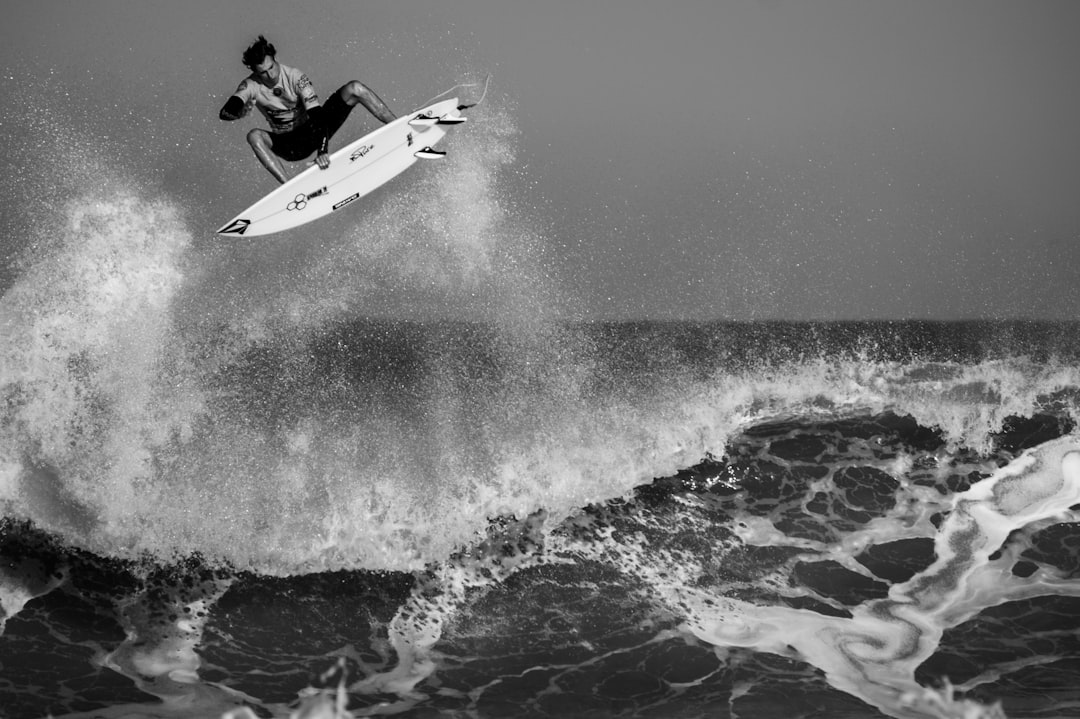
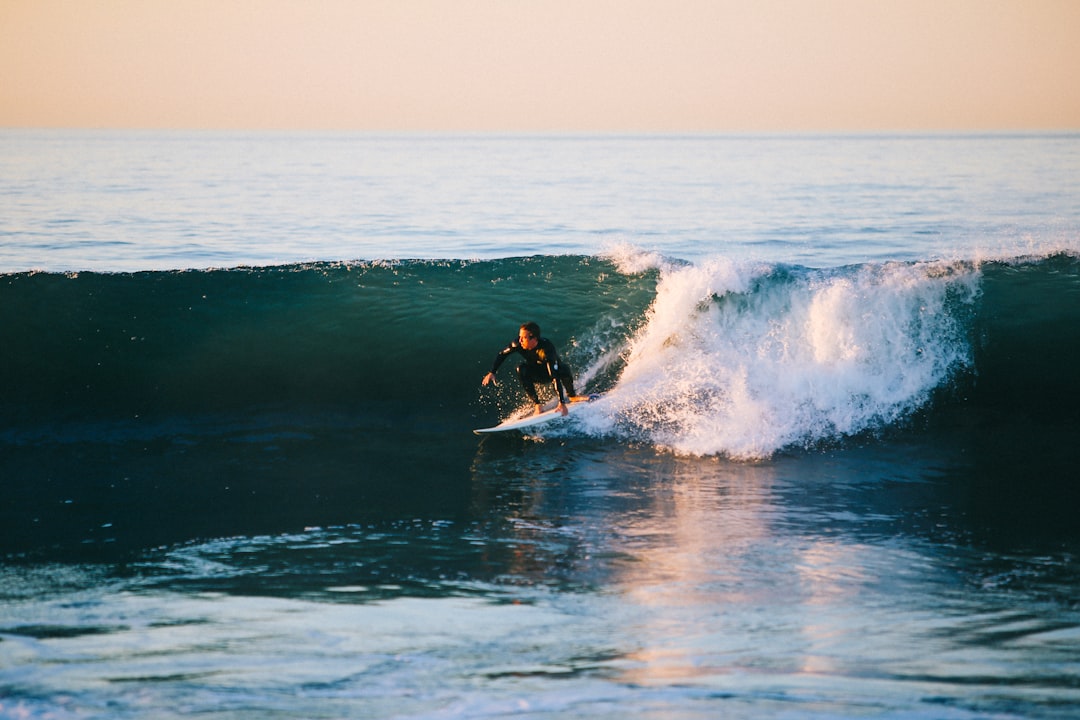
Queensland’s Gold Coast stretches 57 kilometres along the Pacific, creating one of the world’s most consistent wave breaks. Yet, despite this geographic advantage and its global reputation as a surfing mecca, over 60% of first-time visitors to the Gold Coast end up “washing out” at their very first surf lesson. This statistic isn’t meant to discourage you; rather, it highlights a critical gap between the idyllic postcard image of Australian surfing and the technical reality of its demanding rips. This guide bridges that gap, offering a realistic yet exhilarating roadmap for navigating the 47 Gold Coast surf breaks—from the expert-only pipes of Snapper Rocks to the gentle rollers perfect for families at Currumbin Alley.
The Lineup Logic: Beyond the Postcard
While the Gold Coast is famous for its endless summer, treating every beach break as equal is a rookie mistake. The coastline is essentially a massive reef system with varying depths and sandbanks, meaning wave behaviour changes dramatically from one suburb to the next. To surf here successfully, you must match your skill level and board choice to the specific geography of the break.
Expert Shredd: Snapper Rocks & Kirra
For those seeking barrel rides and performance turns, the northernmost break of Snapper Rocks (part of the Billabong Pro venue) is legendary. The wave here breaks over a shallow reef, requiring precise positioning.
* Target Audience: Intermediate to advanced surfers with directional boards (shortboards or funboards).
* Key Advice: Arrive early. The reef is shallow, so wading in can be treacherous. Look for the darker water channel that marks the entry point; staying inside this “tube” is key to catching the wave before it closes out.
The Longboarder’s Paradise: Burleigh Heads
Just south of Snapper, Burleigh Heads offers a more forgiving left-hand point break. The wave here travels further and slower, making it ideal for longboarders or beginners on larger boards.
* Target Audience: Beginners, longboard enthusiasts, and intermmediate surfers.
* Key Advice: The right side of the beach (near the rock pile) often offers smaller, cleaner waves for learners. Always check the direction of the wind; an onshore wind from the east will make these waves messy and unrideable.
Family Friendly: Currumbin Alley
Perhaps the most iconic stretch, Currumbin Alley comprises seven distinct breaks along a 500-metre cliff section. It is predictable, consistent, and generally safer for families than the bigger southern points.
* Target Audience: Everyone from kids on soft-tops to experienced surfers.
* Key Advice: Watch the “closing out” section near the rocks at the northern end. The best waves usually break further south, away from the river mouth where debris and currents can be unpredictable.
“The Gold Coast isn’t just about finding the biggest wave; it’s about reading the reef. The water here tells you exactly where the magic happens if you know how to listen.”
The Local’s Ledger: Etiquette & Safety
Surfing the Gold Coast is as much about social dynamics as it is about physical ability. The lineup can be crowded, with local surfers holding decades of experience in the water. Understanding the unspoken rules—the “local’s ledger”—is essential for your safety and respect within the community.
Priority Rights
In a crowded lineup, priority goes to the surfer closest to the peak of the wave (the “drop-in” zone). If you drop in on someone who has priority, it’s considered a major breach of etiquette and can lead to heated confrontations.
* The Rule: If you are further out, wait. Let the person with priority take the wave.
* Safety Note: Always look before you drop in. Ensure no one is already riding the section of the wave you are aiming for.
Respecting the Lineup
Entering a crowded break requires humility and awareness.
1. Drop your board down: When paddling out past the lineup, don’t try to shoot through. Drop your board and hand it to a local surfer if possible, or wait for a lull.
2. Don’t take more waves than you can handle: If you are wiping out frequently, paddle back and give a wave to someone else. This builds goodwill and keeps the lineup friendly.
3. Apologise immediately: If you do make a mistake (like dropping in accidentally), a quick “Sorry mate!” goes a long way. Most locals are forgiving if you show respect.
Dealing with Rips
The Gold Coast is home to powerful rips, particularly at Burleigh and Currumbin.
* Identification: Look for a dark channel of water with fewer breaking waves, often carrying seaweed or foam away from the shore.
* Action: If caught in a rip, do not panic and do not swim directly back to shore. Swim parallel to the beach until you are out of the current, then paddle back in.
When the Sky Opens: Seasonal Strategy
Timing your visit to the Gold Coast is crucial for both safety and enjoyment. The region experiences distinct seasonal shifts that affect wave size, water temperature, and crowd density.
Summer (December – February)
* Conditions: Warmer water temperatures mean you can often surf in boardshorts. However, this is also the wet season, bringing potential for tropical storms and strong cross-shore winds.
* Best For: Families and beginners looking for smaller, manageable waves. Early mornings are best to avoid the heat and afternoon wind.
Winter (June – August)
* Conditions: This is when the Gold Coast earns its reputation as a world-class surf destination. Massive southern swells hit the point breaks, creating fast, hollow waves. Water temperatures drop significantly, requiring a 3/2mm or 4/3mm wetsuit.
* Best For: Advanced surfers looking for performance waves. Note that crowds are smaller, but the lineup is more serious and competitive.
Tide & Weather Planning
* Tides: Most Gold Coast breaks work best on a rising to mid-tide. Extremely low tides can expose dangerous rocks, while high tides may cause waves to “close out” (break all at once rather than peeling).
* Forecast: Use apps like Surf-Forecast or Magicseaweed to check swell direction. A south-west swell is ideal for the northern breaks, while a north-east swell might be better for southern spots.
Personal Stories & Unexpected Discoveries
A Morning at Currumbin: A Lesson in Humility
I once rode into what I thought was the “perfect” morning at Currumbin Alley. The sun was shining, the water was glassy, and I was convinced I had found a secret spot. I caught three waves in quick succession before paddling back out, only to be aggressively shouted at by a local surfer who had been holding his position for twenty minutes. He didn’t want my wave; he wanted respect for his priority. That morning ended with me paddling out, apologising, and letting him have the next five waves. It was embarrassing, but it taught me that surfing here is as much about reading people as it is about reading waves.
The Hidden Gem: Narrow Neck Park
While everyone flocks to the famous points, my unexpected discovery was Narrow Neck Park on a low winter tide. The waves were smaller, the crowds were non-existent, and the water was calm enough for my children to learn safely. This spot proved that the best conditions for beginners aren’t always at the most famous breaks, but often at these hidden, sheltered spots during specific tidal windows.
The Unpredictability Factor
Despite all planning, the Gold Coast remains unpredictable. Even locals get “wiped out” by sudden swell changes or shifting sandbanks. There is no guarantee of a perfect session, and that’s part of the allure. Humility and adaptability are your best tools here.
Practical Travel Information
Getting There
* Transport: The Gold Coast Light Rail (G:link) is a great option for getting to Surfers Paradise and Broadbeach, but you’ll need a car or taxi for the remote northern breaks like Snapper Rocks.
* Parking: Many beachside car parks fill up by 7am during good surf conditions. Arrive early or use the multi-story carparks where available.
Gear Recommendations
* Rental: If you’re just starting out, rent from a local shop near the beach. They will provide a soft-top board and wetsuit appropriate for the season.
* Sun Protection: The Australian sun is intense. Use reef-safe sunscreen, a rash vest (leggy bee), and consider wearing a hat when not in the water.
Finding Lessons
* Certified Instructors: Look for ASR (Australasian Surfing Revolution) or ISA certified instructors. They know the local rips and prioritise safety.
* Family Packages: Many schools offer “parent and child” lessons, which are excellent for bonding and ensuring kids learn safe habits early.
Final Thoughts: Embrace the Ocean’s Quirks
Surfing on the Gold Coast is not just a sport; it’s a cultural immersion. It requires you to respect the ocean, listen to the locals, and accept that sometimes, you will spend more time underwater than on top of your board.
Instead of viewing a wipeout as a failure, view it as part of the authentic Australian surf culture. It’s a rite of passage that connects you to thousands of others who have chased the same swells. So, check the local tide charts for your chosen spot, book a lesson with a certified instructor who knows the local rips, and dive in. The ocean is waiting, and it’s kinder than you think—if you respect her rules.
Frequently Asked Questions
What are the best surf breaks for beginners on the Gold Coast?
For beginners, Burleigh Heads and Currumbin Alley are the top recommendations. At Burleigh Heads, look for the right side of the beach near the rock pile, which offers smaller, cleaner waves ideal for learners on larger boards. Currumbin Alley is also family-friendly and predictable; aim for the southern breaks away from the river mouth to avoid debris. Avoid Snapper Rocks, which is an expert-only reef break with shallow waters that can be treacherous for those without directional boards and advanced skills.
How do I identify and safely escape a rip current at Gold Coast beaches?
Identify rips by looking for a dark channel of water with fewer breaking waves, often carrying seaweed or foam away from shore. If caught in a rip at spots like Burleigh or Currumbin, do not panic or swim directly back to shore. Instead, swim parallel to the beach until you are out of the current’s pull, then paddle back in. This technique is crucial for safety, especially given that over 60% of first-time visitors struggle with these demanding rips.
What is the best time of year to surf on the Gold Coast?
Winter (June – August) is widely considered the best time for experienced surfers, as massive southern swells create fast, hollow waves at point breaks. However, water temperatures drop significantly, requiring a 3/2mm or 4/3mm wetsuit. For families and beginners, summer (December – February) offers warmer water allowing for boardshorts, but be aware of tropical storms and cross-shore winds. Early mornings in summer are best to avoid heat and afternoon wind.
What are the key etiquette rules and costs associated with surfing the Gold Coast?
Priority in a crowded lineup goes to the surfer closest to the peak. If you drop in on someone with priority, it is a major breach of etiquette. When entering a break, drop your board and wait for a lull rather than shooting through. If you make a mistake like dropping in accidentally, immediately apologise with ‘Sorry mate!’ For logistics, beachside car parks often fill by 7am during good conditions, so arrive early or use multi-story carparks. Renting gear from local shops is recommended for beginners to ensure appropriate soft-top boards and wetsuits.



Be the First to Comment
Sign in to start the conversation.