
The Ultimate Australian Hiking Guide: Conquering the Blue Mountains
The scent of crushed eucalyptus leaves hangs heavy in the humid air, a sharp, medicinal sweetness that clings to your shirt even before you take your first step. Beneath your boots, the forest floor is a mosaic of ironstone gravel and ancient, twisted roots that seem to grip your ankles with possessive intent. Above, the canopy breaks intermittently, allowing shafts of harsh, white sunlight to pierce through the smoke-hazed atmosphere, illuminating dust motes dancing in the silence. Then, it hits you: the low, resonant boom of a kookaburra’s laugh echoing off sandstone cliffs miles away, followed immediately by the distant, thunderous crash of water plunging into a gorge so deep it seems to swallow sound itself. This is not just a hike; it is an immersion into the geological memory of Australia, where every step on the Blue Mountains trails feels like walking through a living, breathing museum of time.
Situated approximately 100 kilometres west of Sydney in New South Wales, the Blue Mountains region is more than a tourist destination; it is a vast, rugged landscape defined by the sandstone escarpment that rises sharply from the Hawkesbury Waterway. This geological formation has sculpted some of the most dramatic canyon systems on Earth, creating a labyrinth of trails that cater to everyone from curious families seeking their first bushwalk to seasoned alpinists looking for technical endurance tests. Understanding the unique interplay between this geology, the microclimate, and the cultural heritage of the Gundungurra and Darking peoples is essential for any hiker wishing to traverse these trails safely and respectfully.
Section I: Decoding the Sandstone Cathedral (The Context & Credibility)
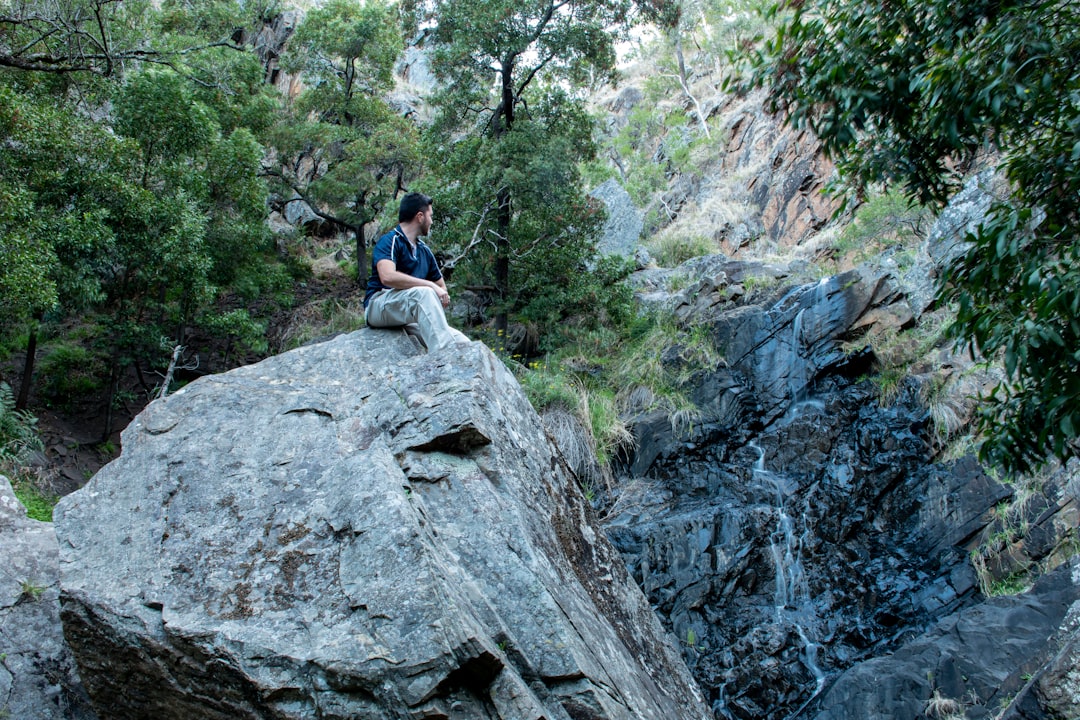
To hike effectively in the Blue Mountains, one must first understand what lies beneath the soil. The region is not monolithic; it is a complex interaction between hard, erosion-resistant sandstone caps and the softer shale layers beneath. This geological stratification dictates trail stability, drainage patterns, and even the types of vegetation that can survive. When hikers encounter slippery shale or loose scree, it is rarely an accident—it is the geology speaking.
The Geology of Grip
The Blue Mountains National Park protects one of the best examples of ancient sandstone landscapes in Australia. The top layer, known as the Hawkesbury Sandstone, is incredibly durable and forms the dramatic cliff faces you see at major lookouts like Katoomba Falls. However, underneath this cap lies a layer of siltstone and shale that erodes much more quickly. This differential erosion creates the deep gorges and narrow valleys.
Current Environmental Note: Following the severe weather events in NSW during early 2026, several sections of the Grand Canyon Track have been affected. Heavy rains have exposed loose shale on certain upper terraces, requiring specific footing techniques that prioritise low-centre-of-gravity movement over speed. The park authorities have updated trail ratings for these sections, and hikers must pay close attention to signage indicating “Stable” or “Unstable Ground.” Always check the Blue Mountains National Park website for real-time closure alerts before departure, as storm damage can alter trail conditions overnight.
The “Blue” Phenomenon: More Than Just a Name
The name “Blue Mountains” is derived from the blue haze that appears to hang over the mountain ranges. This is not merely poetic; it is a chemical reaction involving eucalyptus oil vapours interacting with sunlight. As the sun heats the vast stands of eucalypts, they release oil droplets into the air. These droplets scatter shorter wavelength blue light more than other colours, creating a visible mist.
Local Knowledge: Reading the Microclimate
Generic weather forecasts often fail in mountainous terrain. The microclimate in the valleys can be drastically different from the weather on the escarpment. Valleys are prone to rapid fog formation, especially in autumn and winter when cold air sinks into the gorges overnight. This can reduce visibility to near zero within minutes, even on a sunny day above the trees.
Safety professionals recommend relying on local resources such as the Blue Mountains National Park website and apps like Alchima for hyper-local weather data. These resources provide specific alerts for wind speed at lookouts and fire danger ratings, which are critical because the dense bushfire fuel load in this region requires constant vigilance. Ignoring a “Fire Ban” notice is not just illegal; it is potentially fatal in such a dry environment.
Section II: The Ascent – Finding Your Rhythm (Skill-Level Integration)
Rather than segregating trails by arbitrary difficulty ratings, this framework organises the hiking experience into three distinct “modes” of engagement. This approach respects the unique geology and ensures that safety, preparation, and appreciation are woven into every skill level.
Mode 1: The Family Connection (Low Impact, High Reward)
For families and casual hikers, the goal is accessibility without sacrificing the sense of adventure. The most iconic entry point for this mode is the walk from Echo Point to view the Three Sisters.
Featured Trail: Echo Point to the Three Sisters (via the Scenic World path)
This route is paved and well-maintained, making it accessible for strollers (though rugged terrain may require carrying them over steps). The key to a successful family hike here is timing. Start before 9 AM to avoid the influx of bus tours and heat buildup, which can become oppressive by mid-morning.
Honest Limitation: While the views are spectacular, these paths can be incredibly crowded. For a “quiet” family experience that offers similar elevation gain and jaw-dropping views, consider the segment of the Wentworth Falls to Prince Henry Cliff Walk. This alternative offers a similar sense of scale but with significantly fewer people, allowing children to explore the lower bushland without the constant jostle of large tour groups.
Mode 2: The Solitary Seeker (Moderate Effort, Mental Clarity)
This mode is for those seeking isolation and mental clarity through physical exertion. It requires a moderate fitness level but rewards hikers with profound solitude.
Featured Trail: Katoomba to Jamieson Lookout (The Prince Henry Cliff Walk)
This 13km trail is a masterclass in cliff-edge hiking. The elevation gain is significant, with constant ascents and descends along the sandstone rim. Unlike many suburban trails, there are no refill stations available on this route, making the carrying of at least 2 litres of water per person non-negotiable.
Authentic Experience: As you traverse the cliff edge, you will experience a unique feeling of isolation from the town below. The wind here is constant and often strong, stripping away noise and thought. Look closely at the shaded gullies to the south; if you are hiking in late spring, you may spot native orchids clinging to the rock face. This is a trail that demands respect for its length and exposure.
Mode 3: The Alpinist’s Challenge (High Effort, Technical Skill)
For the experienced adventurer, the Blue Mountains offer more than just views; they offer technical challenges that test endurance and skill.
Featured Trail: The Grand Canyon Walk (via the Three Falls Track)
This is not a “canyon” in the American sense of a wide, open gorge. It is a deep, narrow fissure that can feel claustrophobic at times. The technical difficulty lies in navigating the steep, uneven steps and slippery shale sections. Many hikers underestimate this trail because it is well-marked, but the physical toll on the knees and ankles is severe.
Safety Protocol: Trekking poles are highly recommended for knee preservation on the descents. More importantly, there is a risk of rockfalls in certain narrow sections where the walls are unstable due to freeze-thaw cycles (even in winter, frost heave occurs). While helmets are not always mandatory on the main track, carrying a lightweight climbing helmet is a prudent choice for any serious bushwalker traversing the upper sections. The “Grand Canyon” name can be misleading; treat it with the same respect you would a technical alpine climb.
Section III: The Gear of Survival – Beyond the Basics
Most generic guides list “water and snacks” as sufficient preparation. In the Blue Mountains, this approach is dangerously inadequate. The combination of humidity, UV exposure (even through haze), and physical exertion requires a nuanced gear strategy.
The Eucalyptus Factor: Insect Management
Standard insect repellent often fails against the specific species of bush flies and mosquitoes found in the Blue Mountains. These insects are attracted to the eucalyptus oils released by the vegetation. Locals swear by formulations containing high concentrations of DEET (20-50%) or specific lemon eucalyptus oil alternatives that mimic the natural deterrents of the bush.
Footwear Philosophy: Grip Over Support
The myth of the heavy, ankle-supporting boot persists in Australian bushwalking circles, but it is outdated for day hikes in this region. The terrain is characterised by loose ironstone gravel, wet sandstone, and slippery shale.
Expert Insight: Advocate for lightweight trail runners with aggressive lugs (deep, multi-directional treads). These shoes provide the grip necessary for loose gravel without weighing down your legs. Ankle support is less relevant on well-maintained trails than traction is; a stiff boot can actually increase the risk of rolling an ankle on uneven rocks by restricting natural foot adjustment. Choose shoes with excellent wet-grip capabilities, as the shale becomes like ice when wet.
The “Unexpected Discovery”: The Bivy Sack
There is a growing trend among experienced Blue Mountains hikers to carry a lightweight emergency shelter, such as a bivy sack or space blanket. This is not for rain; it is for sudden fog banks.
Section IV: The Ethical Hiker’s Code
Hiking in the Blue Mountains is a privilege, not a right. The ecosystem here is fragile and slow-growing. Sustainable practices are essential to preserve these trails for future generations.
Leave No Trace in a Fragile Ecosystem
The instruction to “stay on the marked track” is critical here. Stepping off-trail in the Blue Mountains causes disproportionate damage due to the presence of slow-growing native plants, particularly tree ferns and ancient mosses. These plants can take decades to recover from being trampled. Additionally, off-trail walking increases the risk of erosion on shale slopes, leading to wider trails and further environmental degradation.
Respecting Country
The Blue Mountains are the traditional lands of the Gundungurra and Darking peoples. It is imperative to acknowledge this history and respect the cultural significance of every landmark.
Resource Hub:
- Cultural Significance: Learn about the deeper spiritual meaning of landmarks like the Three Sisters, which are not just rock formations but part of a creation story involving three sisters and two elders. This moves the experience from a tourist sightseeing trip to a respectful engagement with Indigenous heritage.
- Emergency Contacts: In Australia, the universal emergency number is 000. For non-emergency assistance in national parks, carry the specific contact numbers for the Blue Mountains National Park office.
- Offline Mapping: Cell service is unreliable in the valleys. Download offline maps using apps like AllTrails or Komoot before you depart. A physical compass and the ability to use it are essential skills, as GPS batteries can fail in cold or wet conditions.
Conclusion: The Journey Inwards
The Blue Mountains offer more than just a backdrop for photographs; they offer a profound challenge and reward system that tests the physical and mental limits of any hiker. From the accessible family walks near Echo Point to the technical demands of the Grand Canyon, these trails require preparation, respect for geology, and an understanding of the local environment.
Key Takeaways:
- Understand the Geology: Shale and sandstone dictate trail conditions; adjust your footing accordingly.
- Gear Strategically: Prioritise grip and insect protection over heavy ankle support.
- Respect the Microclimate: Prepare for rapid fog and temperature changes.
- Honour the Culture: Acknowledge the Traditional Custodians and respect their heritage.
By integrating these practices, hikers can ensure that their experience is not just memorable for the views, but for the depth of connection they forge with this unique Australian landscape. Whether you are a family with young children or an alpinist seeking solitude, the Blue Mountains offer a path that is as rewarding as it is demanding. The key lies not in conquering the mountain, but in learning to walk with it.
Remember: The best hike is the one you complete safely. Plan ahead, leave no trace, and always respect the bush.
Frequently Asked Questions
What specific geological factors affect trail stability in the Blue Mountains, and are there current closures to be aware of?
The region features hard Hawkesbury Sandstone caps over softer siltstone and shale layers, which erode quickly to create deep gorges. This differential erosion often results in slippery shale or loose scree, requiring low-centre-of-gravity movement. Following severe weather events in early 2026, sections of the Grand Canyon Track have been affected by heavy rains exposing unstable upper terraces. Trail ratings have been updated, and hikers must strictly adhere to signage indicating ‘Stable’ or ‘Unstable Ground.’ It is essential to check the Blue Mountains National Park website for real-time closure alerts before departure, as storm damage can alter conditions overnight.
How does the ‘blue’ haze impact hiking conditions and visibility in the valleys?
The blue haze is a chemical reaction where eucalyptus oil vapours scatter shorter wavelength blue light, creating a visible mist. Practically, this haze traps heat within valleys, creating microclimates that are 5-10°C warmer and more humid than the escarpment top, significantly affecting hydration needs. Additionally, valleys are prone to rapid fog formation in autumn and winter when cold air sinks overnight, potentially reducing visibility to near zero within minutes. Hikers should use local resources like the Blue Mountains National Park website or apps such as Alchima for hyper-local weather data, including wind speed and fire danger ratings.
What gear strategies are recommended for insect protection and footwear on these trails?
Standard repellent often fails against insects attracted to eucalyptus oils; locals recommend formulations with 20-50% DEET or lemon eucalyptus oil. Apply repellent to light-coloured, loose-fitting clothing treated with permethrin rather than just skin. For footwear, avoid heavy ankle-supporting boots which can restrict natural foot adjustment on uneven rocks. Instead, choose lightweight trail runners with aggressive lugs (deep, multi-directional treads) for better grip on loose ironstone gravel and wet sandstone. Ensure shoes have excellent wet-grip capabilities, as shale becomes slippery like ice when wet.
How should hikers prepare for the Prince Henry Cliff Walk regarding water and isolation?
The 13km Prince Henry Cliff Walk from Katoomba to Jamieson Lookout involves significant elevation gain with constant ascents and descends along the sandstone rim. There are no refill stations on this route, making it non-negotiable to carry at least 2 litres of water per person. The trail offers profound solitude and constant strong winds that strip away noise, but hikers must respect its length and exposure. For families seeking similar elevation with fewer crowds, the segment from Wentworth Falls to Prince Henry Cliff Walk is a quieter alternative that allows children to explore lower bushland without the jostle of tour groups.
What are the critical safety protocols and ethical considerations for hiking in this region?
Ethically, hikers must stay on marked tracks to protect slow-growing native plants like tree ferns and ancient mosses, which take decades to recover. The area is the traditional land of the Gundungurra and Darking peoples, so acknowledging this heritage is imperative. For safety, cell service is unreliable in valleys; download offline maps using AllTrails or Komoot before departing. Carry a physical compass, as GPS can fail in cold conditions. For technical sections like the Grand Canyon Walk, trekking poles are recommended for knee preservation, and a lightweight climbing helmet is prudent due to rockfall risks. In emergencies, dial 000.



Be the First to Comment
Sign in to start the conversation.