

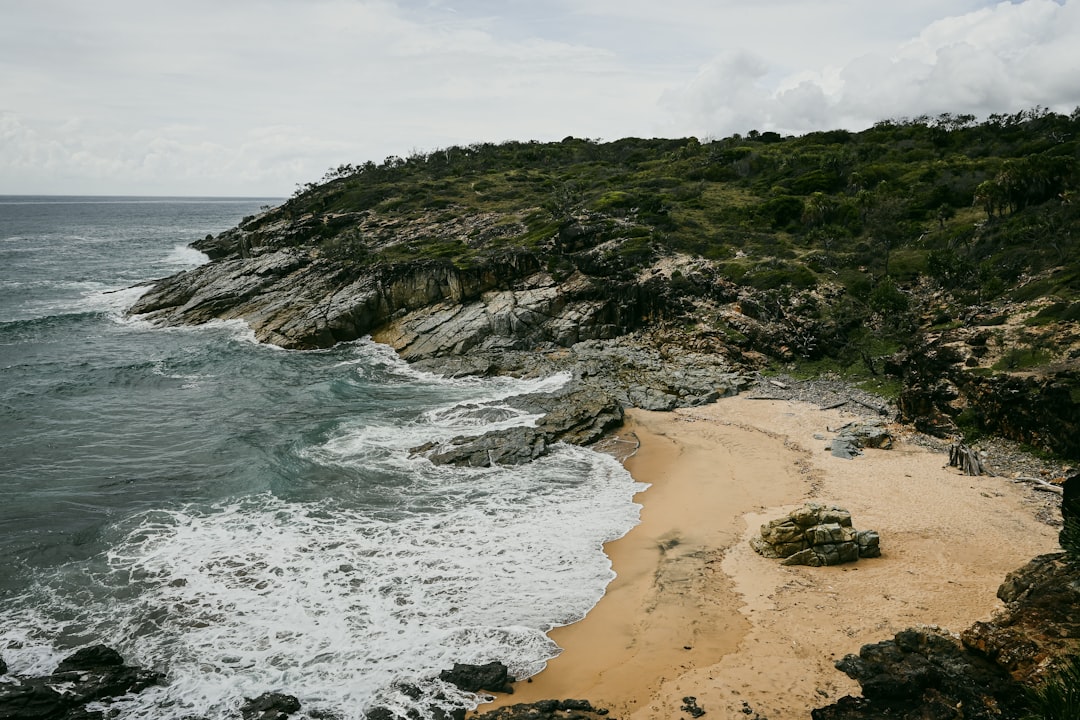

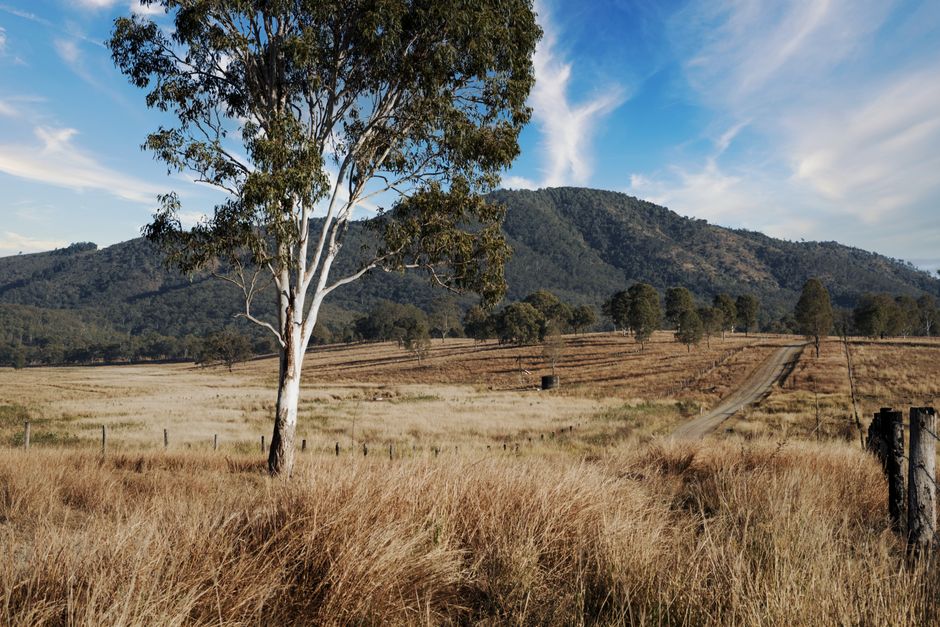
The sun hasn’t quite breached the horizon over Airlie Beach, but the air is already thick with salt and the distant cry of a kookaburra. You’re standing on a ridge overlooking the Whitsunday archipelago, your breath visible in the cool morning mist, while below, the turquoise water of Hamilton Island glimmers like scattered glass. The car winds down from the high ground, tyres crunching on gravel that gives way to hardened red earth. You’re here for more than a jog; you’re stepping into the rhythm of one of Australia’s most striking landscapes, where the boundary between the bush and the reef blurs with every breath. This isn’t just about logging kilometres—it’s an immersion into a world where the terrain dictates your pace, and the view rewards every stride.
The “Red Dirt, Blue Sea” Reality Check
Central Queensland is not the Scottish Highlands or the rugged trails of Victoria. It has a personality all its own, defined by a stark and beautiful contrast between red earth trails and pristine coastal boardwalks. When you lace up for trail running in this region, you are committing to a unique physical negotiation with the landscape.
The terrain here is deceptive. What looks like a gentle incline on a map can turn into a steep, sandy scramble that tests your quads and stability. The mix of loose red lateritic soil and compacted coastal paths requires a different mindset than standard trail running.
Honest Limitation: The Heat Factor
Let’s be brutally honest for a moment. Running here in January at 10 AM is not a feature; it’s a mistake. The heat index can soar rapidly, and the humidity clings to you like a second skin.
Warning: Do not underestimate the Central Queensland sun. The UV levels are extreme, and dehydration happens faster than you think in high humidity. While standard trail running advice suggests carrying water, here it is a survival necessity. You must plan for electrolytes—specifically sodium and potassium—to prevent cramping when your body is trying to cool itself by sweating profusely. Hydration strategies here are not about comfort; they are about safety.
* Hydrate early: Start drinking water before you feel thirsty.
* Electrolytes are key: Standard water won’t cut it in the humidity; use tablets or powders.
* Timing is everything: Stick to early mornings or late afternoons during summer months.
Local Voices: Beyond the Postcard
To truly understand these trails, you have to listen to those who treat them as daily life rather than tourist attractions. Local runners in the Whitsundays speak of a hidden world that most visitors never see.
Specific, Lesser-Known Spots
While the main boardwalks around Airlie Beach and Shute Harbour are popular, locals gravitate towards quieter stretches. There are hidden paths behind Shute Harbour that wind through dense scrub before dropping down to secluded coves. Near Nulsun, there are quiet stretches of red-dirt tracks that offer a meditative solitude rarely found on the main tourist strip.
Note: These quieter trails often lack clear signage. Always download offline maps before you head out, and respect Indigenous land markers along the tracks. These are not just suggestions; they are sacred boundaries that local runners know well and respect deeply.
Wildlife Encounters
One of the most magical aspects of trail running here is the wildlife. It’s not uncommon to spot kangaroos at dusk, bounding through the scrub as you jog past. These encounters remind you that you are a guest in their home. Local runners advise moving quietly and keeping your distance, allowing these animals to go about their business undisturbed.
> “The best runs aren’t found on a map—they’re felt in the rhythm of your feet against the red earth and the sight of white-sand beaches stretching into infinity.”
Timing Your Escape
Choosing when to run in the Whitsundays is less about specific months and more about understanding weather patterns. The region offers a long running season, but the “shoulder seasons” offer the best balance of comfortable temperatures and fewer crowds.
Best Times to Run
* April – May: The summer heat begins to break, and the humidity drops slightly. The trails are lush from the wet season, and wildflowers may be in bloom.
* September – October: The weather is warming up, but it’s not yet the blistering heat of January. Crowds are thinner, and you’ll have more solitude on popular tracks.
Practical Advice for Maximising Run Time
To get the most out of your trip, book accommodations near trailheads. This minimises drive time and allows you to hit the trails while the air is still cool.
Pro Tip: Look for eco-resorts or guesthouses near Hamilton Island or Shute Harbour that offer early access to their private tracks. This exclusive knowledge can make the difference between a crowded morning and a solitary, immersive experience.
Key Moments on the Trail
Every runner has their story—a moment that defines why they keep coming back. For many, it’s not about the finish line; it’s about the unexpected discoveries that turn a standard run into an adventure.
The Hidden Cove Scramble
One local runner recalls a specific morning where the planned route led to an unexpected discovery: a hidden cove visible only from above. Instead of turning back, they scrambled down a loose scree slope—a dangerous but exhilarating move—and found themselves in a secluded swimming hole. They took a spontaneous swim before continuing the run, a moment that defined the “authentic” experience over any structured tour. It was raw, unpredictable, and perfectly Central Queensland.
Data-Driven Choices: Magnetic Island vs. Boathaven
For those weighing their options based on fitness levels, here is the concrete data to help you choose:
* Magnetic Island Loop: Approximately 32km with significant elevation gain (over 800m). This is for the experienced runner looking for a challenging, multi-day event.
* Boathaven Track: A shorter 12km loop with moderate elevation gain (around 200m). Perfect for beginners or those wanting a manageable morning jog.
Expert Tip: If you are new to trail running, start with the Boathaven Track. It offers beautiful coastal views without the technical difficulty of the Magnetic Island Loop, allowing you to build confidence and endurance.
The Community Stash
In the heart of the running community lies a secret: local runners often leave “stashes” of cold water bottles at trail junctions during particularly hot weeks. It’s a gesture of solidarity, ensuring that no one runs out of hydration. Finding one is a badge of honour—a sign that you’re part of the tribe. It illustrates the tight-knit community aspect of local trail runners, who look out for each other in this demanding environment.
Closing Thoughts
As you tie your laces for the final time on this trip, remember that the best runs in the Whitsundays aren’t found on a map—they’re felt in the rhythm of your feet against the red earth and the sight of white-sand beaches stretching into infinity. Go out there, listen to the bush, and let the coast run through you. Whether you’re a family looking for a gentle boardwalk stroll or an adventurer seeking the thrill of the scree slopes, this region offers something for every stride. Embrace the heat, respect the land, and let the unique character of Central Queensland guide your journey.
Frequently Asked Questions
What specific terrain challenges should I expect on Central Queensland trails?
You will encounter a unique mix of loose red lateritic soil and compacted coastal paths, which differs significantly from Victorian or Scottish trails. The terrain is deceptive; what appears as a gentle incline on a map may turn into a steep, sandy scramble that tests your quads and stability. This combination requires a different mindset than standard trail running, as the loose red earth can affect your footing and pace. Be prepared for technical sections where the boundary between bush and reef blurs, demanding careful attention to your steps to avoid slips on the hardened red earth.
How should I manage hydration and electrolytes in this climate?
Hydration here is a survival necessity, not just comfort. Due to extreme UV levels and high humidity, dehydration happens rapidly, so you must start drinking water before you feel thirsty. Standard water is insufficient; you need to use electrolyte tablets or powders rich in sodium and potassium to prevent cramping as your body sweats profusely to cool down. Additionally, respect the local community practice of ‘stashes’—cold water bottles left at trail junctions by runners during hot weeks. Always download offline maps and check for these community resources, as they are vital for safety in the intense Central Queensland heat.
When is the best time of year to run in the Whitsundays?
The optimal running windows are during the shoulder seasons: April to May and September to October. During April and May, the intense summer heat begins to break, humidity drops slightly, and trails are lush from the wet season with potential wildflower blooms. September and October offer warming weather without the blistering heat of January, along with thinner crowds for more solitude. Avoid running in January at midday, as the heat index soars rapidly and humidity becomes oppressive, making it dangerous rather than a feature of your run.
Which trail is recommended for beginners versus experienced runners?
For beginners or those seeking a manageable morning jog, the Boathaven Track is ideal. It is a shorter 12km loop with moderate elevation gain of around 200m, offering beautiful coastal views without technical difficulty. In contrast, the Magnetic Island Loop is suited for experienced runners looking for a challenging multi-day event. This route covers approximately 32km with significant elevation gain exceeding 800m. If you are new to trail running, start with Boathaven to build confidence before attempting the more demanding Magnetic Island Loop.




Be the First to Comment
Sign in to start the conversation.