

Did you know that nearly 40% of road incidents in the Blue Mountains occur on just five specific unsealed tracks, yet these same routes account for less than 2% of total tourist traffic? It’s a startling statistic that shatters the myth of accessibility. While Sydney is famously a city of concrete and harbour bridges, just 90 minutes west lies a labyrinth of ancient sandstone where the pavement ends and the real adventure begins. Hooking yourself into this reality means acknowledging that while “Blue Mountains 4WD adventures” sound like a standard Instagram filter, the actual experience involves mud, steep gradients, and the sudden realisation that your smartphone GPS has given up. This isn’t about conquering nature; it’s about learning to listen to it.
The “Get Stuck” Scenario: Why Most Plans Fail
Many visitors assume that because Katoomba Scenic World is paved and accessible, the hinterland tracks are merely an extension of the highway. This is a dangerous assumption. The reality is that while you can drive into town, venturing off the beaten path near Mount Solitary or along the Great Western Highway’s rugged side roads requires more than just a high-clearance SUV.
The primary culprit is the “Sandstone Trap.” The Blue Mountains soil is lateritic, meaning it contains high levels of iron and aluminium. When the surface appears dry to the eye—especially after a warm day—the soil underneath can turn into slick, red clay that offers zero traction.
“Have you checked the Blackheath Rain Gauge? If there’s been more than 10mm of rain in the last 48 hours, most hinterland tracks are effectively swimming pools.”
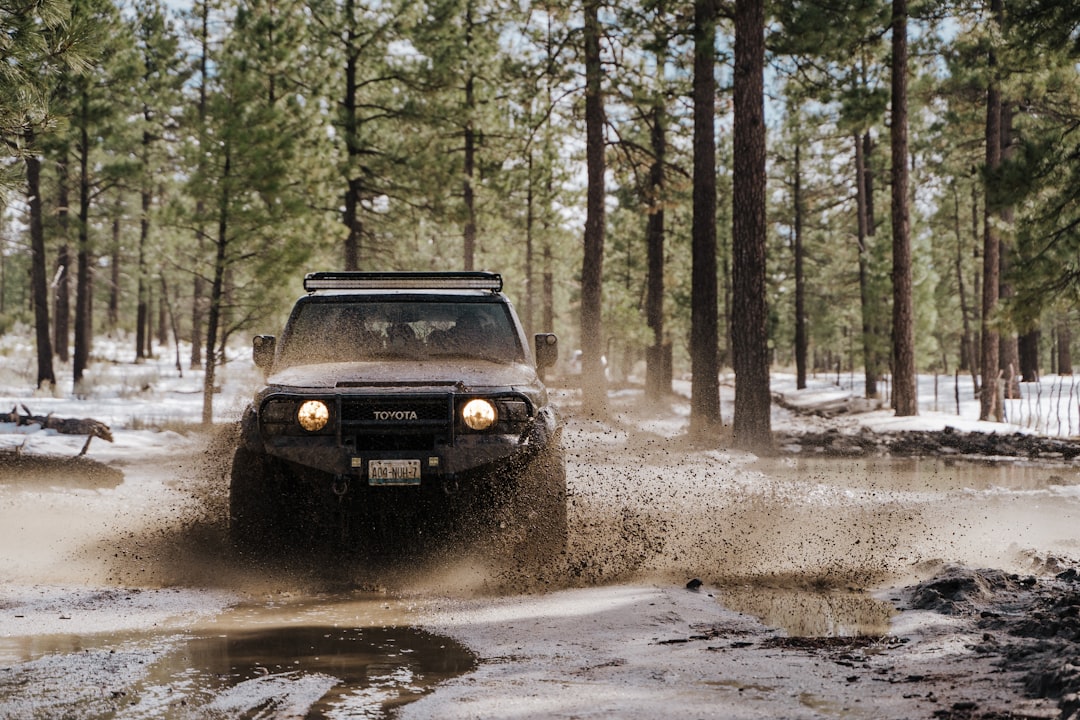
This local resident’s trick for predicting track conditions is far more reliable than any weather app. I learned this the hard way on a trip near the “Wollemi Passage.” Ignoring a faded “4WD Only” sign, my friend attempted to drive his rental SUV through a rutted section. We ended up stuck fast in the clay, requiring a tow-out that cost significantly more than the entry fee to the national park. The lesson? Just because a road is on a map doesn’t mean it’s driveable.
* Check the Gauge: Look for the local rain gauges near Blackheath or Mount Victoria.
* Respect the Signs: “4WD Only” usually means “2WD Get Out Now.”
* Assume the Worst: If it rained recently, assume the clay is slick regardless of surface dryness.
The Gear That Actually Matters (Beyond the Winch)
Forget the generic advice about bringing a first aid kit—everyone knows that. To truly plan 4WD adventures in the Blue Mountains, you need gear specific to the region’s unique geology.
1. Tire Pressure is King
On hard-packed sandstone, your tyres need to be lowered significantly. Dropping your pressure to between 15 and 20 psi allows the tyre to “bites” into the rock, providing necessary grip. However, do not drive fast after airing down; low pressure increases the risk of bead separation on sharp rocks.
2. Recovery Boards vs. Sandstone
Your recovery boards (like Maxtrax) are largely useless on the hard, rocky tracks common in this region. They sink or slip. However, they are absolutely essential if you find yourself sliding off a track near the Wentworth Falls drop-off where hidden mud patches lurk beneath dry leaves.
3. The Communication Dead Zone
The area between Leura and Blackheath is notorious for having patchy Telstra coverage. In many valleys, you will have zero signal.
> Safety Note: Do not rely on your smartphone for emergency calls in the deep gullies. Carry a satellite messenger or a dedicated UHF radio channel 40 for local traffic monitoring.
| Essential Gear | Purpose in Blue Mountains | Alternative (Don’t Use) |
| :— | :— | :— |
| Low-Pressure Tyres | Grip on sandstone ruts | High-pressure (4WD Mode) |
| UHF Radio | Local traffic & emergency | Smartphone Data |
| Winch | Steep inclines/rocky beds | Recovery Boards (mostly) |
Timing Your Escape: The Seasonal Sweet Spot
When you visit the Blue Mountains from Sydney significantly changes your experience. Rather than looking at a calendar, look at conditions.
Spring (September – November)
This is the wildflower season, offering stunning visuals of banksias and waratahs. However, spring brings a hidden danger: flash floods. Narrow gullies can fill with water rapidly after heavy rains, cutting off escape routes.
Autumn (March – May)
Expert Tip: This is the “Goldilocks” zone for 4WDing. The trails are dry, the air is crisp, and the tourist crowds have thinned out after the summer holidays. It’s the best time to tackle challenging tracks like the Wentworth Falls trail extensions.
Winter (June – August)
Winter demands caution. Shaded rock faces, particularly on steep descents near Echo Point, can develop black ice that is invisible until you’re halfway down a slope.
> Quick Fact: The Bureau of Meteorology updates track closure data daily during winter. Always check the NSW National Parks website before you leave, as the mountain changes faster than your GPS can update.
Beyond the Four Wheels: The Human Element
4WDing isn’t just about the drive; it’s about where you stop. The best rewards are often hidden gems accessible only by rough tracks that aren’t on standard tourist maps.
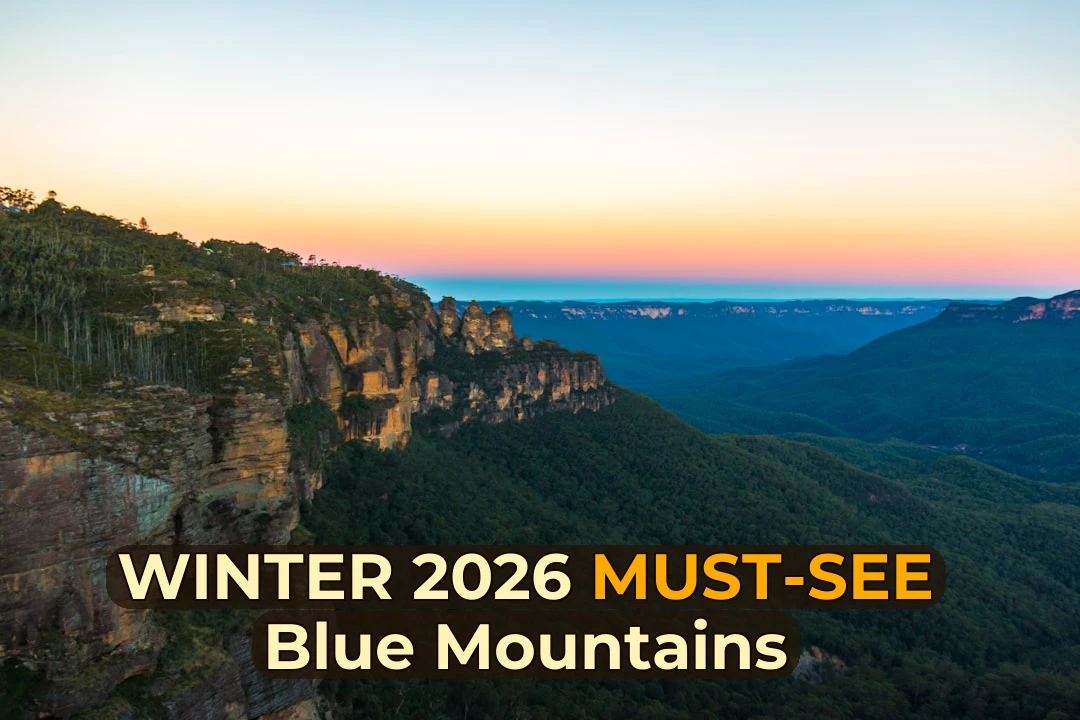
One such spot is a secluded campsite near Mount Solitary that offers views of the Three Sisters without the usual crush of tourists. Getting there requires navigating a rugged track off the main highway, but the payoff is a silent ridge line perfect for stargazing.
When it comes to accommodation, look for “Blue Mountains accommodation” options that specifically cater to 4WDers. Several cabin parks now offer dedicated parking bays for high-clearance vehicles and direct trail access, saving you the hassle of navigating narrow village streets with a large vehicle.
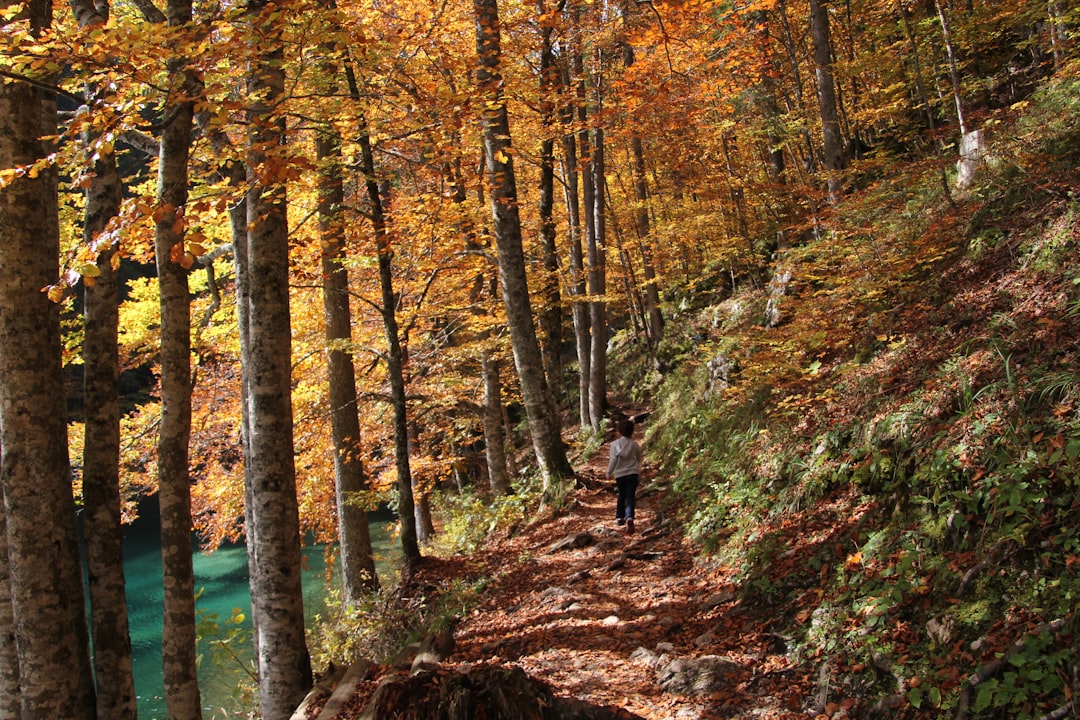
The most memorable part of my last trip wasn’t the driving, though; it was discovering a hidden grove of ancient Wollemi Pines via a rugged track. Seeing these living fossils—hidden from casual tourists—changed my perspective on what “access” means. It granted a connection to prehistoric history that no scenic lift could ever provide.
Key Takeaways for Your Next Adventure
Planning 4WD adventures in the Blue Mountains requires respect, preparation, and a willingness to slow down.
* Check Local Conditions: Always check the Blackheath Rain Gauge and NSW National Parks closures.
* Adjust Your Gear: Lower your tyre pressure to 15-20 psi for sandstone traction.
* Prepare for Disconnect: Assume you will have no mobile signal between Leura and Blackheath.
* Embrace the Pause: The best views are earned by respecting the land, not just conquering it.
Remember, in Greater Sydney, speed is currency. In the Blue Mountains, slow is survival. The best 4WD adventure isn’t measured in kilometers driven, but in the moments you spend standing on a ridge line, watching the mist roll over the Jamison Valley. Share your own “stuck stories” or hidden tracks in the comments below—we’re all learning together.
Frequently Asked Questions
How do I predict if Blue Mountains tracks are driveable?
Ignore standard weather apps and instead check the local Blackheath Rain Gauge. If there has been more than 10mm of rain in the last 48 hours, hinterland tracks are likely flooded or extremely slippery. This local trick is far more reliable for assessing conditions than any app, helping you avoid getting stuck in the region’s slick lateritic soil.
What tyre pressure is recommended for Blue Mountains 4WDing?
You should lower your tyre pressure to between 15 and 20 psi. This allows the tyres to ‘bite’ into the hard-packed sandstone ruts, providing necessary grip. However, do not drive fast after airing down, as low pressure increases the risk of bead separation on sharp rocks.
Why are recovery boards often ineffective in this region?
Recovery boards like Maxtrax are largely useless on the hard, rocky tracks common in the Blue Mountains because they tend to sink or slip. They are only essential if you slide off a track near areas like Wentworth Falls where hidden mud patches lurk beneath dry leaves, but for most sandstone sections, a winch is more effective.
When is the best time to visit for 4WD adventures?
Autumn (March – May) is the ‘Goldilocks’ zone for 4WDing. The trails are dry, the air is crisp, and tourist crowds have thinned out after summer holidays. This period offers the best conditions for tackling challenging tracks like the Wentworth Falls trail extensions without the flash flood risks of spring or black ice hazards of winter.


Be the First to Comment
Sign in to start the conversation.