
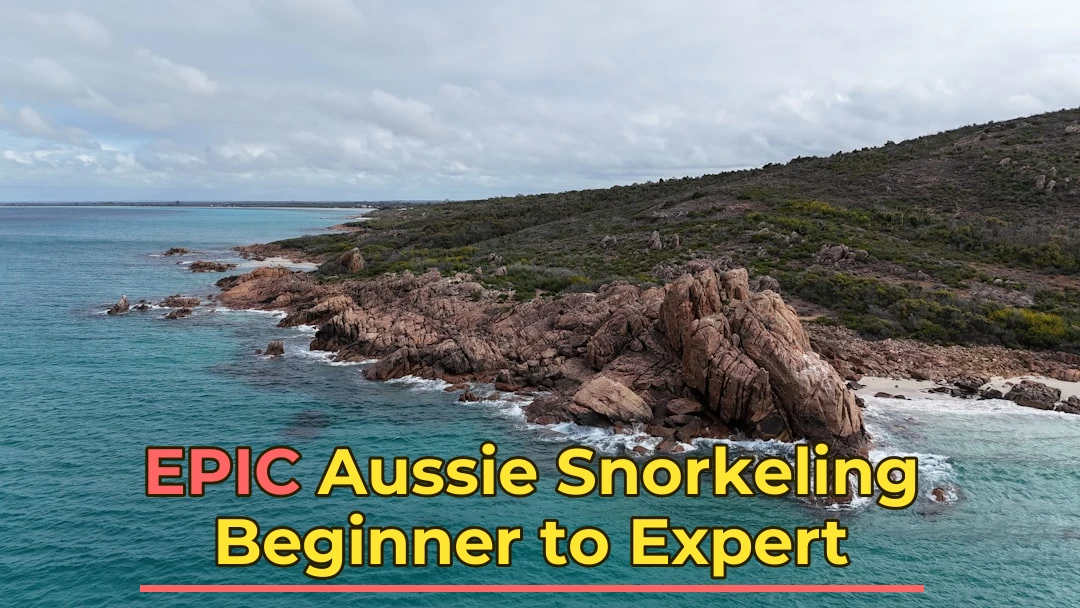
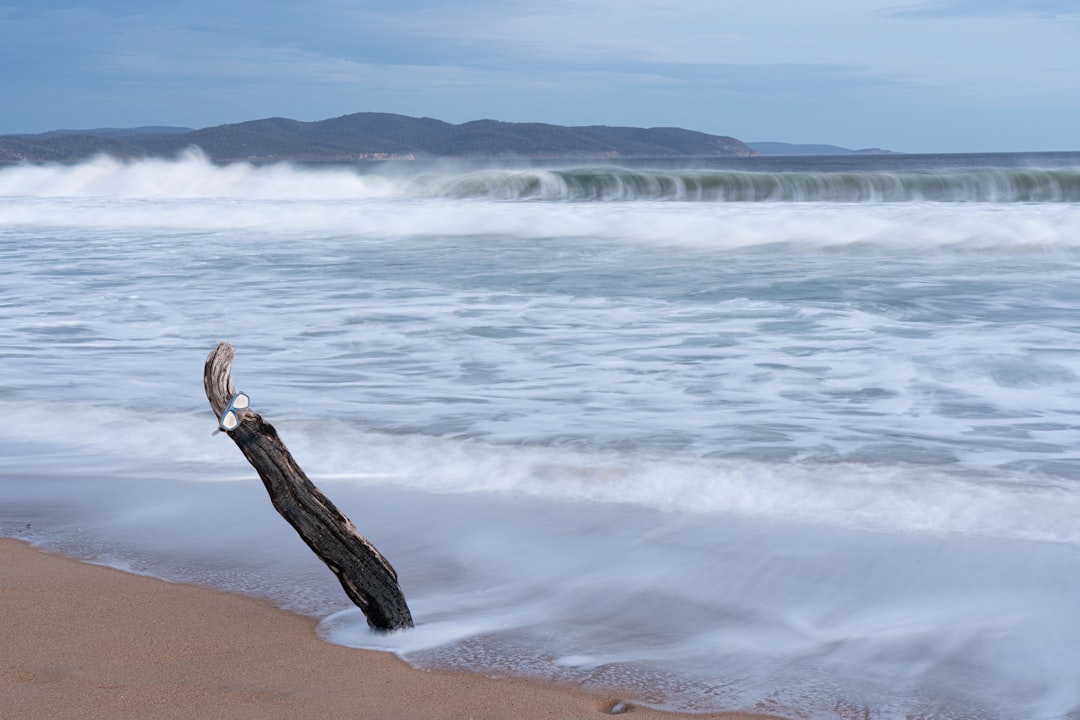
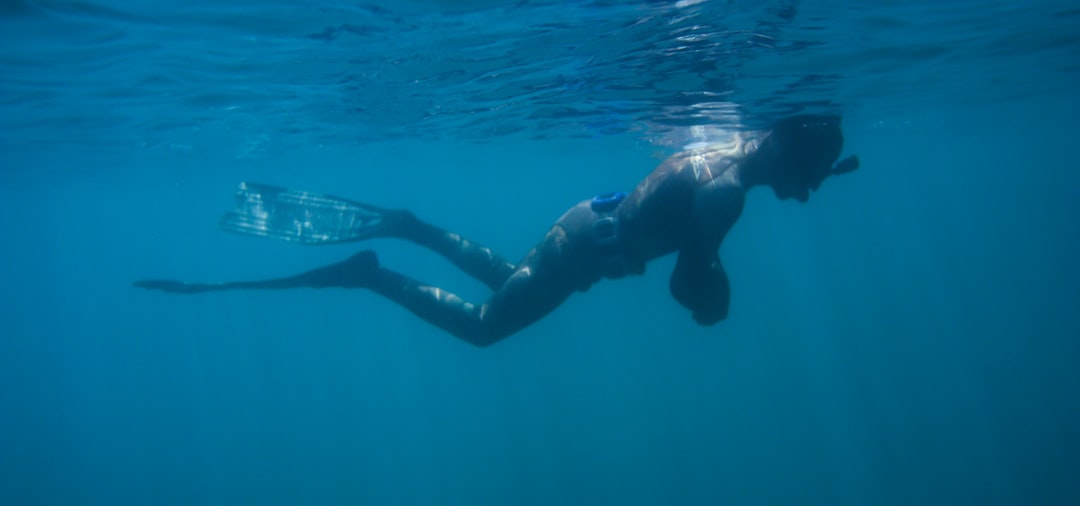
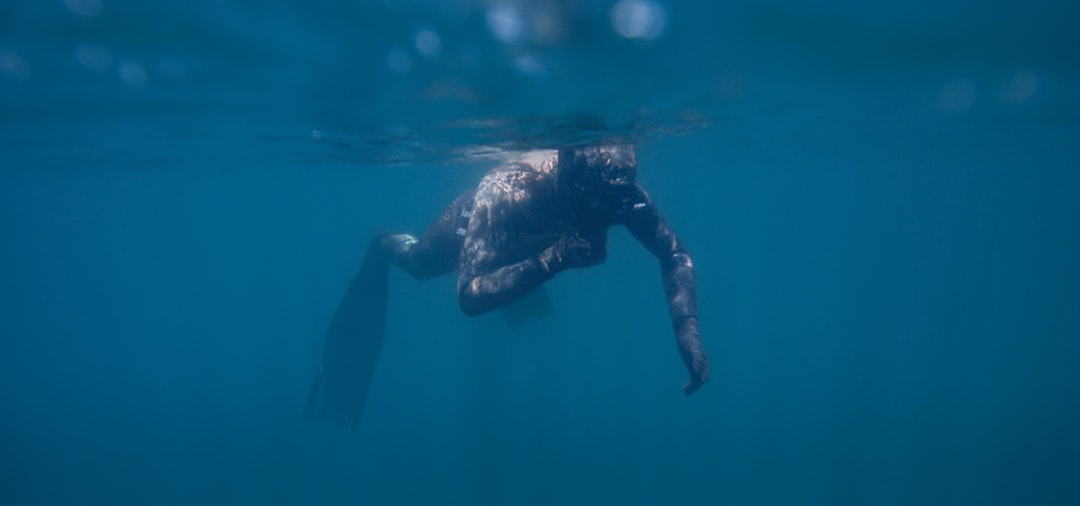
The car winds around the bend and suddenly you’re staring at water so impossibly turquoise it looks like someone’s tampered with the saturation slider. Turquoise Bay, on Western Australia’s Ningaloo Reef, offers this moment to anyone willing to make the journey — but the real magic happens about thirty metres from shore. You’re wading through waist-deep water over pale sand, watching your feet, when the bottom simply disappears. One step you’re standing on solid ground; the next, you’re suspended above thirty metres of crystalline blue emptiness. And then a shadow the size of a ute glides past beneath you. It’s a reef shark, harmless and uninterested, but your pulse doesn’t know that yet. This is the moment that hooks people on outdoor water sports in Australia — that heart-skip transition from observer to participant in a world that was here long before you arrived and will be here long after you leave.
Reading the Water: Understanding Australia’s Snorkeling Ecosystems
Australia’s 34,000 kilometres of coastline harbours some of the most diverse marine environments on the planet. This isn’t marketing hyperbole — it’s biogeography. The continent straddles tropical and temperate zones, creating two fundamentally different snorkeling experiences that both deserve places on any best water sports Australia list. Understanding what you’re getting into before you get wet isn’t just about comfort; it’s about matching your expectations to the reality of what each environment offers.
Tropical vs. Temperate: Two Different Worlds
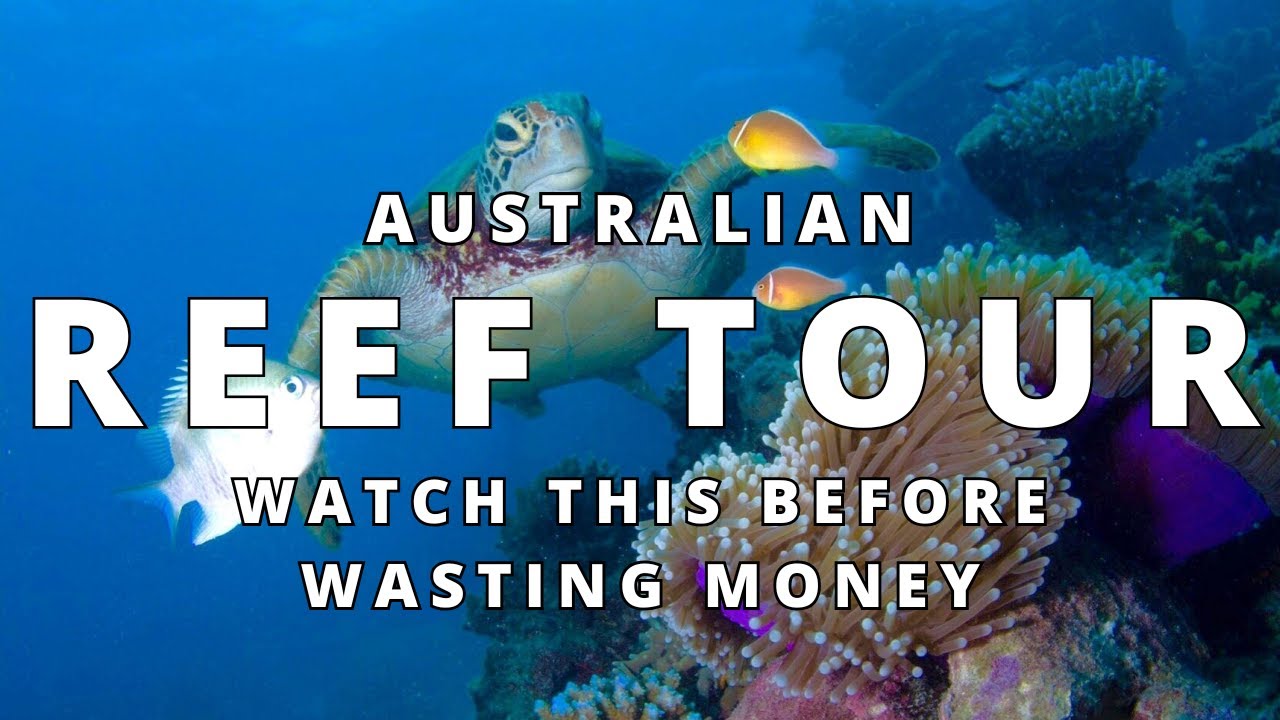
The Great Barrier Reef, Ningaloo Reef, and Lord Howe Island represent Australia’s tropical snorkeling crown jewels. Water temperatures here range from 24°C in winter to 29°C in summer, visibility regularly exceeds 20 metres, and the colour palette borders on overwhelming. Coral gardens in these regions support an estimated 1,500 fish species — you’ll see angelfish, butterflyfish, clownfish, and if you’re lucky, larger pelagics like mackerel and trevally cruising the drop-offs.
But here’s what the brochures don’t emphasise: temperate waters deserve equal billing. Victoria’s kelp forests, South Australia’s seagrass meadows, and Tasmania’s rocky reefs offer encounters that tropical waters can’t match. Water temperatures here run 12°C to 18°C, which sounds brutal until you’ve watched a leafy seadragon drift past your mask in its bizarre, camouflage perfection. These cooler waters support entirely different ecosystems — Australian sea lions, octopus, cuttlefish, and the legendary weedy seadragon that makes Rapid Bay Jetty a pilgrimage site for underwater photographers worldwide.
The Current Intelligence Nobody Tells You About
Currents make or break snorkeling experiences, yet most first-timers treat them as an afterthought. In Australia’s best water sports locations, understanding current behaviour transforms a frustrating swim into an effortless drift.
Turquoise Bay exemplifies the “lazy snorkeler’s secret” — the drift snorkel. The bay’s geography creates a consistent current that carries snorkelers along the reef edge without any swimming effort. You enter at the southern end, float north over the reef for 30–40 minutes, and exit on the beach. The mistake people make? Swimming against it. The rule is simple: never fight water that’s moving faster than you can walk. If you’re making no forward progress or losing ground, you’re fighting a current that doesn’t care about your fitness level.
At Julian Rocks in Byron Bay, the current situation changes with tide and swell. The site sits where tropical and temperate currents converge, creating unpredictable conditions that demand local knowledge. This is why many of Australia’s best outdoor water sports destinations have local operators who’ve spent decades reading the same stretches of water — their briefings aren’t administrative formalities, they’re safety information that genuinely matters.
Seasonal Intelligence: When Visibility Peaks
Water clarity follows patterns that don’t align with school holidays or summer vacations. In Queensland, winter (June–August) often delivers the best visibility — 25–30 metres isn’t uncommon on the outer reefs — because the dry season means less runoff and calmer conditions. The trade-off? It’s also peak tourist season, so popular sites get crowded.
Ningaloo’s sweet spot runs March through May. The coral spawning has finished (which can reduce visibility), whale shark season is ramping up, and water temperatures hover around that perfect 26°C. September through November offers a secondary window — humpback whales are present, water’s warming, and crowds have thinned.
The Gear That Actually Matters: Equipment as Skill Multiplier
Walk into any dive shop and you’ll face walls of equipment promising to revolutionise your experience. The truth? A handful of choices genuinely matter; the rest is marginal. Here’s how to prioritise when preparing for water sports in Australia’s diverse conditions.
The Mask Fit Test: A 10-Second Technique
Most mask fitting happens backwards. People press a mask to their face and inhale through their nose, feeling suction and assuming that means a good fit. It doesn’t. That test tells you the mask seals — it doesn’t tell you whether that seal will hold when your face moves, when you smile, when water pressure increases at depth.
Here’s the technique that actually works: put the mask on your face without pulling the strap over your head. Look down at the floor. Inhale gently through your nose. The mask should stay in place without you holding it. Now smile — a real smile, not a polite grimace. If the mask stays put, you’ve got a fit that will survive actual snorkeling rather than just the dive shop floor. If it drops, the skirt doesn’t match your face shape, regardless of what the price tag says.
Fins: Matching Propulsion to Australian Conditions
Fin choice divides into two philosophies: long fins for maximum power per kick, short fins for manoeuvrability. Australian snorkeling conditions often favour shorter fins than Caribbean or Mediterranean destinations for one simple reason — our best sites frequently involve navigating around coral bommies, through rocky channels, and in surge conditions where manoeuvrability matters more than raw speed.
For shore-entry snorkeling (which describes many of Australia’s best water sports locations), short fins also mean easier walking. The waddle from car to water is shorter, and the stubbed toes are fewer. Split fins reduce leg strain but sacrifice power — fine for casual floating, less ideal if you’re covering distance or swimming against current.
The Rashie vs. Wetsuit Decision Tree
Water temperature recommendations are where generic advice fails Australian conditions. 25°C sounds warm — and it is, for a 10-minute swim. But snorkeling isn’t swimming. You’re floating motionless for extended periods, watching something fascinating, and your body heat bleeds away faster than you expect. That 25°C water will feel genuinely cold after 45 minutes, which is exactly when a manta ray might appear.
Temperature guide for Australian snorkeling:
- 29°C+ (tropical summer): Rashie or nothing. Focus on sun protection.
- 24–28°C (tropical winter, subtropical summer): 0.5mm–1mm wetsuit or thick rashie. 1-hour comfortable limit in just a rashie.
- 18–23°C (subtropical winter, temperate summer): 2mm–3mm wetsuit. Full suit recommended.
- 12–17°C (temperate year-round): 3mm–5mm wetsuit with hood. These temperatures reward the committed but demand respect.
The Anti-Fog Reality
Commercial anti-fog solutions exist. Some work. None work as reliably or cheaply as saliva. The technique: remove your mask, spit into the inside of the lens, spread it around with your finger, give it a quick rinse in the water, and put it back on. The proteins in saliva break surface tension and prevent condensation from forming droplets. It sounds primitive because it is primitive — but it’s also what most dive professionals actually use.
The dish soap trick works for longer sessions: a tiny drop of dish soap spread inside a dry mask creates a film that lasts multiple dives. The key is “tiny drop” — too much and your eyes will sting for days.
The Confidence Curve: Skills Organised by Water Comfort Level
Water confidence isn’t binary. It’s a progression, and trying to skip stages leads to panic rather than competence. These skill stages meet you where you are.
Stage 1: The “I Can Stand Up Anytime” Zone
Shallow entries in protected water build foundational trust. Shelley Beach at Manly (Sydney) offers a perfect example — maximum depth around 3 metres, usually calm, and the fig trees provide landmarks visible from anywhere in the water. Magnetic Island’s Geoffrey Bay adds another element: a marked snorkel trail with submerged signs identifying species and features. You’re not just snorkeling; you’re following a path with handrails in the form of information.
The skill that matters most at this stage isn’t swimming — it’s floating. Vertical floating, face in the water, breathing through a snorkel. Most anxiety comes from feeling out of control in an unfamiliar medium. Mastering the art of doing nothing, of letting buoyancy do the work, builds the trust that everything else builds upon.
Breath-holding mechanics matter here too. The panic response when water touches your face triggers a gasp reflex that fills lungs with air — exactly the opposite of what helps you sink. Learning to exhale slowly, to control that first-second response, transforms the experience from survival to observation.
Stage 2: Comfortable in the Chaos
Open water moves. Surge pushes you back and forth over the reef. Swell lifts and drops you metres at a time. Current pulls. Learning to read and work with these forces rather than against them defines intermediate water confidence.
The “wait for the lull” principle: surge is rhythmic. Watch the water for 30 seconds before you enter. Count the time between peaks. When you’re in the water and conditions intensify, pause, tread water, and wait for the lull before making your move. Most surge-related injuries happen because people try to power through rather than wait out.
Duck-diving opens deeper territory. The technique — equalising ear pressure as you descend — isn’t complicated, but it requires practice. Start in shallow water where failure means standing up rather than emergency ascents. The key: equalise early and often. Waiting until you feel pressure means you’ve waited too long.
Stage 3: Deep Blue Comfort
Open water vertigo is real. Swimming over 30 metres of empty blue triggers a primal unease in most people — the “nothing beneath me” sensation that our ancestors evolved to avoid. Managing this response separates experienced snorkelers from beginners, and it’s entirely learnable.
The technique: pick a visual anchor. The reef wall beside you, a dive boat on the surface, your buddy’s fins. Something solid to orient against. The blue emptiness stops being threatening when you have a reference point that confirms you’re not falling.
Wildlife interaction ethics crystallise at this stage. The 3-metre rule — maintaining distance from any marine animal — isn’t just about safety. It’s about not disrupting behaviour patterns that existed long before tourism discovered them. Touching coral leaves oils and bacteria that can kill tissue. Chasing turtles forces them to surface for air before they’re ready. The best encounters happen when animals choose to approach you, which requires patience and stillness that confidence makes possible.
I learned this the hard way at Fish Rock Cave near South West Rocks. The surge caught me in a narrow channel, and for about 15 seconds, I was entirely at the water’s mercy. Panic spiked — the real kind, the useless kind. What broke me out was remembering to exhale. That simple act of breathing out signalled to my body that I wasn’t drowning, and suddenly the surge was just water moving, not a threat. I waited for the lull, kicked sideways out of the channel, and spent the next 20 minutes watching grey nurse sharks circle in the cave entrance. The breathing technique didn’t make me a better swimmer; it made me present enough to see what was in front of me.
The Maps They Don’t Print: Regional Deep Dives
Location guides usually read like tourism brochures — everything’s amazing, everywhere’s accessible, every experience is life-changing. Here’s what actually helps: honest assessments organised by who each site serves best.
First-Timer Friendly: Protected, Shallow, Absurdly Colourful
Lord Howe Island — Erscott’s Hole: A natural amphitheatre of coral in about 4 metres of water, protected from ocean swell by the surrounding reef. Accessible from shore via a 200-metre walk over reef flat (booties recommended). What makes it special: the fish density is absurd for such an accessible site, and the coral formations create natural swim-throughs that feel adventurous without genuine risk. Water clarity regularly hits 25 metres. The catch? Lord Howe requires commitment — flights from Sydney or Brisbane, limited accommodation, and a maximum of 400 visitors at any time.
Magnetic Island — Snorkel Trail: The most beginner-friendly introduction to tropical snorkeling in Australia. Five marked sites around the island with submerged plaques identifying common species. Geoffrey Bay and Nelly Bay offer the easiest entries. Rental gear available on the beach. Depth ranges from 2–6 metres. The surprise: you’ll likely see reef sharks, rays, and large barramundi cod within 50 metres of shore. The ferry from Townsville takes 20 minutes.
The Payoff for Your Passport: Remote Sites Worth the Journey
Rowley Shoals, Western Australia: Three coral atolls 260 kilometres off Broome, accessible only by 3-day liveaboard boats. This isn’t casual snorkeling — it’s expedition-level. The reward: water clarity that regularly exceeds 40 metres, virtually undisturbed coral gardens, and the “big blue” drop-offs where the reef wall plunges from 10 metres to 300 metres. Mermaid atoll’s lagoon offers protected snorkeling; Clerke and Imperieuse atolls deliver drift experiences over pristine reef. Season runs October to December (outside cyclone season). Cost is substantial, but the experience is genuinely world-class.
Osprey Reef, Queensland: Part of the Coral Sea, 100 kilometres beyond the Great Barrier Reef. Accessible via liveaboard from Cairns. Visibility averages 30 metres and often exceeds 50. The North Horn site offers shark encounters — grey reef sharks, silvertips, and the occasional hammerhead — that feel primal rather than staged. This is open ocean snorkeling: deep water, current potential, and wildlife that doesn’t recognise boundaries between snorkeler and prey. Not for beginners, but for experienced snorkelers, it represents Australia’s outdoor water sports at their most raw.
Cold Water Converts: Why Temperate Snorkeling Rewards Different Skills
Rapid Bay Jetty, South Australia: The leafy seadragon capital of the known universe. Water temperature: 14–18°C. Visibility: variable (5–15 metres). The search takes patience — 20 minutes or more scanning seagrass beds for a creature that looks exactly like floating seaweed. But when you find one, you understand why people travel halfway around the world for this experience. Leafy seadragons are endemic to southern Australia, meaning they exist nowhere else on Earth. Entry from the old jetty pylons; the new jetty has stairs designed for easier access. A 5mm wetsuit is non-negotiable.
Rye Pier, Victoria: The easy-entry introduction to temperate water and Melbourne’s most accessible snorkeling. Depth maxes out around 6 metres. The pier pylons host colourful sponges, seastars, and octopus. Night snorkeling here transforms the experience — octopus emerge to hunt, cuttlefish display pulsing colour changes, and the entire ecosystem shifts to its nocturnal mode. A headlamp with a red filter disturbs marine life less than white light.
The Wild Cards: Honest Warnings Required
Woolgoolga Shark Nursery, New South Wales: Between December and April, grey nurse shark juveniles congregate in the shallows around Arrawarra Headland. They’re docile, they’re beautiful, and for some people, the experience of floating above 30 sharks is nightmare fuel rather than bucket-list material. Know yourself before you go. Entry involves a 400-metre walk over reef platform — only accessible at mid to high tide. Surge can be significant. Not recommended for anyone uncomfortable with shark proximity, regardless of how “harmless” the species.
Bare Island, New South Wales: Spectacular when calm, genuinely dangerous when sou
Frequently Asked Questions
What is the difference between tropical and temperate snorkeling in Australia?
Australia offers two fundamentally different snorkeling experiences. Tropical destinations like the Great Barrier Reef and Ningaloo Reef feature water temperatures from 24°C to 29°C, visibility regularly exceeding 20 metres, and roughly 1,500 fish species including angelfish, clownfish, and pelagics. Temperate locations in Victoria, South Australia, and Tasmania run cooler at 12°C to 18°C but offer unique encounters with leafy seadragons, Australian sea lions, octopus, and cuttlefish. Australia is the only country where you can snorkel with whale sharks, great white sharks, and leafy seadragons without leaving the continent.
How do I test if a snorkel mask fits properly before buying?
The proper technique takes about 10 seconds and works better than the common suction test. Put the mask on your face without pulling the strap over your head. Look down at the floor and inhale gently through your nose — the mask should stay in place without you holding it. Then smile genuinely. If the mask stays put during the smile, you have a fit that will survive actual snorkeling. If it drops, the skirt doesn’t match your face shape regardless of price. Also choose silicone skirts over rubber for longevity, and transparent silicone lets in more peripheral light than black.
When is the best time to go snorkeling at Ningaloo Reef and the Great Barrier Reef?
At Ningaloo Reef, the sweet spot runs March through May when coral spawning has finished, whale shark season is ramping up, and water temperatures sit around 26°C. September through November offers a secondary window with humpback whales present and thinner crowds. For Queensland’s Great Barrier Reef, winter (June–August) often delivers the best visibility at 25–30 metres on outer reefs due to less runoff and calmer conditions during the dry season. Be aware that stinger season in northern Queensland runs from November to May, requiring stinger suits for protection.
What wetsuit thickness do I need for Australian snorkeling conditions?
For tropical summer waters above 29°C, a rashie or no suit is fine with focus on sun protection. Waters of 24–28°C (tropical winter, subtropical summer) require a 0.5mm–1mm wetsuit or thick rashie with a 1-hour comfortable limit. Temperatures of 18–23°C (subtropical winter, temperate summer) call for a 2mm–3mm full wetsuit. For temperate waters at 12–17°C year-round, a 3mm–5mm wetsuit with hood is essential. Remember that snorkeling involves floating motionless for extended periods, so you lose body heat faster than when swimming actively.
How do I handle currents and surge when snorkeling in Australia?
Never fight water moving faster than you can walk — if you’re making no forward progress or losing ground, stop and reassess. At locations like Turquoise Bay, use the drift snorkel technique: enter at the southern end and let the current carry you north along the reef for 30–40 minutes before exiting on the beach. For surge conditions, watch the water for 30 seconds before entering to count the rhythm between peaks. When conditions intensify, pause and wait for the lull before making your move rather than trying to power through. Most surge-related injuries happen because people ignore this rhythm.
Be the First to Comment
Sign in to start the conversation.