
Where the Water Changes Colour
What would you do if you found yourself floating above 1,500 species of fish, completely alone, with nothing but a paddle and a board between you and the coral?
That’s the question that hits you somewhere between the Whitsundays and Cairns, when the water shifts from jade to turquoise to something that doesn’t have a name in any paint chart. Queensland’s coastline isn’t just another destination for outdoor water sports in Australia—it’s the place that redefines what standing on water actually means. The Great Barrier Reef stretches 2,300 kilometres along this coast, and from a paddleboard, you’re not looking at it through glass or swimming beside it. You’re hovering above it, suspended between sky and reef, seeing both at once.
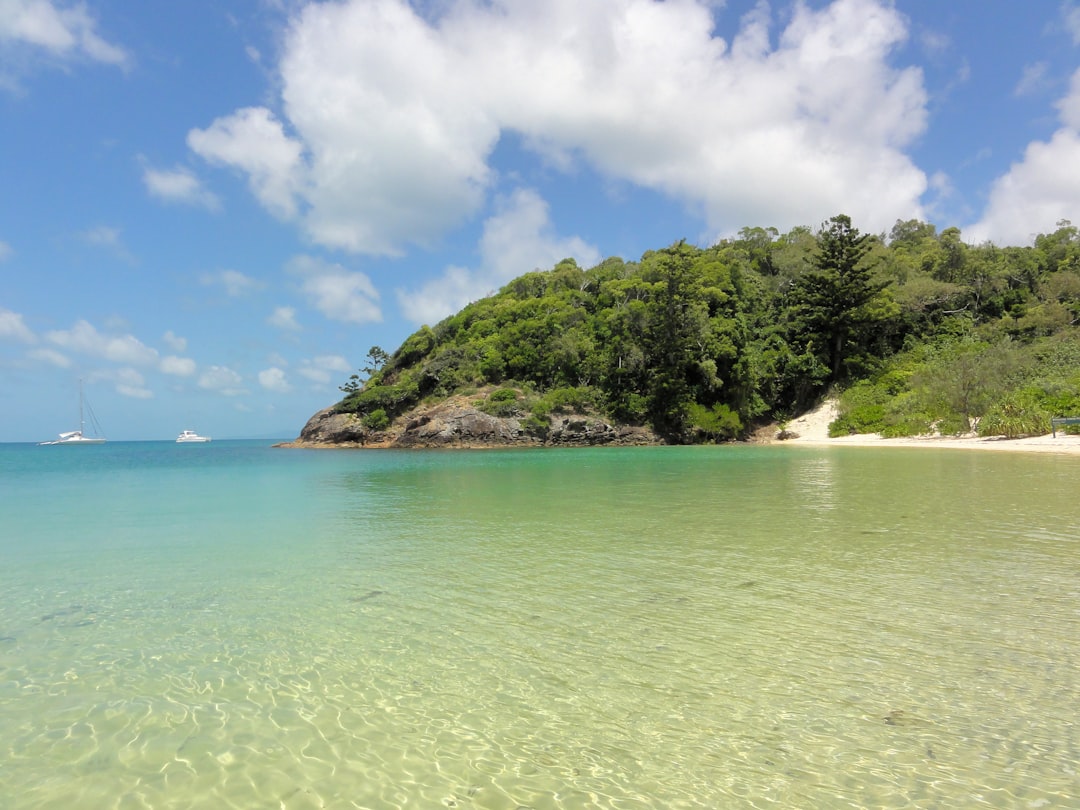
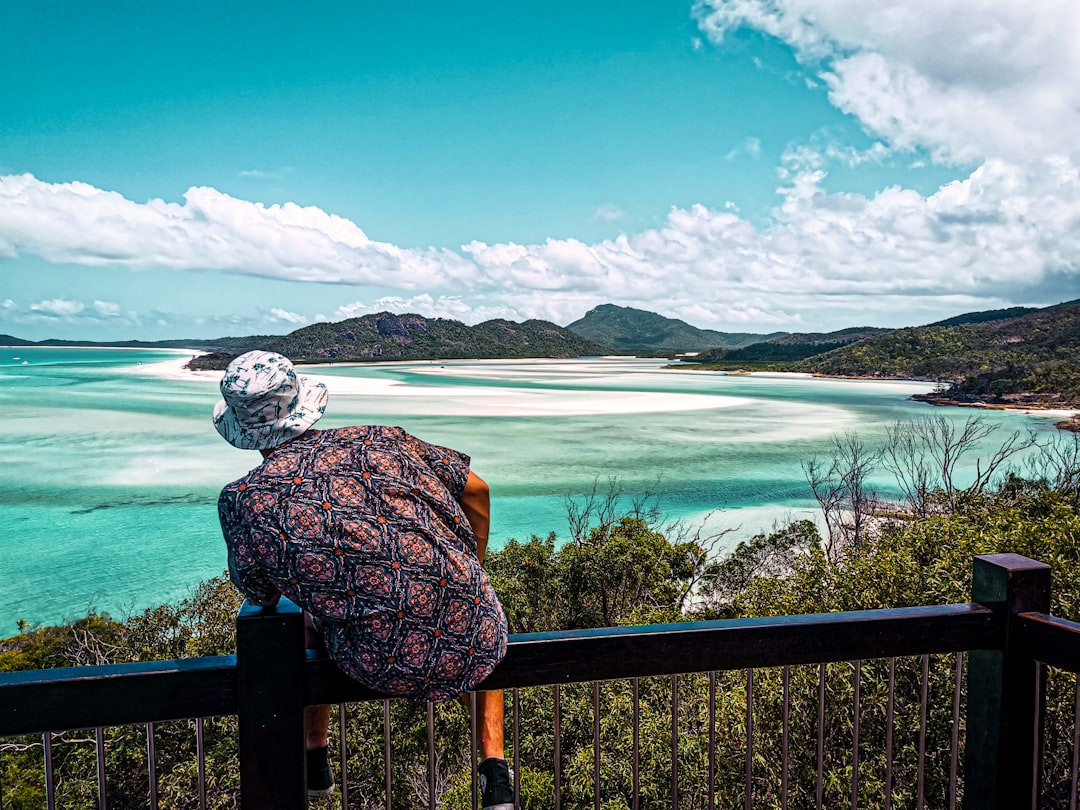
The colour changes tell you where you are. Up north off Port Douglas, the water runs deep indigo where the continental shelf drops away. Further south around the Whitsundays, it’s a shallower, more tropical jade—lighter where sand reflects sunlight back through the surface. Then there’s Green Island near Cairns, where the turquoise is so impossibly clear that your brain struggles to process the depth. Looking down from standing height, the coral formations seem close enough to touch, even when they’re four metres below your fins.
This is what makes Queensland paddleboarding fundamentally different from other water sports in Australia. The visibility. The scale. The sense that you’re paddling across an aquarium rather than a coastline.
Regional Highlights Worth the Journey
Each stretch of coast offers something distinct. Mission Beach remains one of the few places where you might spot dugong trails—the pale, sandy trenches these creatures carve through seagrass beds. It’s quiet here, less developed, and the water carries that particular stillness that comes when rainforest meets reef.
Moreton Island, off Brisbane, delivers a different experience entirely. The shipwrecks at Tangalooma create an artificial reef that draws fish in astonishing numbers, and paddleboarding among them at dawn—before the tourist boats arrive—feels like discovering a secret the island has been keeping. The wrecks loom beneath your board, rusted hulls now colonised by coral and curious with marine life.
Lady Elliot Island, at the reef’s southern end, offers something the northern sites can’t: the lagoon is protected enough for genuine beginners, yet the coral quality rivals anything further north. It’s also one of the few places where you can reliably see manta rays from your board during the winter months.
What the Locals Know That Maps Won’t Tell You
Guidebooks will tell you where to go. Locals will tell you when to leave.
In Cairns, there’s something operators call “the daily switch”—the afternoon sea breeze that turns glassy calm water into genuine chop, typically around 2pm. It arrives with remarkable consistency during the warmer months, and first-time paddlers caught off guard often find themselves paddling three times harder to cover the same distance back to shore. The morning sessions? Completely different conditions. Same location, entirely different experience.
Noosa’s river mouth illustrates another lesson. From the beach, it looks ideal for beginners—sandy bottom, gentle gradient, plenty of other people around. But the current where the river meets the sea creates confused water that catches newcomers constantly. The locals head upstream to the quieter stretches of the Noosa Everglades, where the water runs tea-dark and still, and the only traffic is the occasional kayak or houseboat.
Then there’s turtle etiquette. At Fitzroy Island, just off Cairns, green turtles gather around the seagrass beds in numbers that can feel almost routine after a few visits. The instinct is to paddle closer, to get that photo. But the unspoken rule among regulars is simple: hold your position. Let the turtle approach you. They’re curious creatures, and they’ll often surface within arm’s reach if given the space to do it on their own terms. Chase them, and they’ll disappear into depths where you can’t follow.
The Month-by-Month Reality
There’s no single best time to experience outdoor water sports in Australia’s tropical north—there’s only the time that matches what you want from the water.
Stinger season runs from November to May, and it changes everything. The netted enclosures at popular beaches aren’t aesthetic choices—they’re necessities. Paddling inside a “cage” takes psychological adjustment, particularly when you can see clear water beyond the net. But the nets work, and the enclosed areas are large enough that you’re not constantly aware of the boundaries. Outside the nets, full stinger suits become non-negotiable, which means your board stability changes (the suits add buoyancy but restrict movement slightly).
February brings humidity you can wear. The air feels heavy, the water feels warm, and the contrast between them barely exists. It’s not uncomfortable exactly—just dense. Everything moves slower in February, including paddlers.
August, by contrast, offers the year’s clearest visibility. The water runs crisp and cool (by Queensland standards—still 23°C), and the light penetrates deeper, illuminating coral formations that appear muted during the summer months. This is when underwater photography from your board actually works.
March delivers something unexpected: the annual coral spawn. The water develops a slightly oily sheen as corals release eggs and sperm in a mass synchronized event. It sounds unappealing, but the result is otherworldly—particularly for night paddles, when the bioluminescent organisms feeding on the spawn create faint trails of light with every stroke. The water glows. Not dramatically, not like a light show, but enough that moving your paddle leaves momentary light-trails in the darkness.
Getting Your Feet Wet Without Getting in Over Your Head
The mistake most first-timers make is equating “beginner” with “easy.” Paddleboarding is accessible, yes. But Queensland conditions can shift that accessibility dramatically within a single session.
For First-Timers
Start in the sand-bottomed bays of Double Island, north of Palm Cove. The water stays waist-deep for far longer than seems reasonable, which means you can walk your board back if needed. The gradient is gentle enough that falling off doesn’t mean plunging into deep water—you simply stand up, retrieve your board, and try again.
Lady Elliot Island’s lagoon offers similar advantages, with the added benefit of genuinely spectacular marine life visible even from sitting height. The protected waters mean wave action is minimal, and the coral formations close to shore provide immediate reward for the effort of staying upright.
For Intermediates Ready to Progress
The drift from Hastings Reef to Breaking Patches off Cairns covers about two kilometres of reef edge. The current does most of the work—you’re steering rather than powering. But the open water means exposure to wind and swell, and the coral passes close enough beneath your board that falling requires care about where you land.
What to Bring Versus What to Hire
Most hire operations provide adequate equipment. The boards are typically stable, wide-platform designs suited to local conditions. But bring your own leash if you have one—the hire leashes work, but they’re often coiled from repeated use and don’t release as cleanly. A personal leash that you’ve tested, that you trust, is worth the minor packing inconvenience.
Sun protection is non-negotiable. The Queensland sun doesn’t negotiate. A rashie provides better protection than sunscreen alone (which washes off, regardless of what the label claims), and a hat you can secure is essential—otherwise it’ll be swimming to New Zealand within fifteen minutes.
The View From Standing Height
There’s a moment off Fitzroy Island that stays with you. Low tide, late afternoon, the water so clear it might as well not exist. A green turtle surfaces three feet from your board—close enough to see the barnacles clustering on its shell, the ancient patience in its movements. The instinct is to reach for a camera. Instead, you stay still. The turtle watches you watching it, and for maybe thirty seconds, neither of you moves.
This is what positions Queensland among the best water sports in Australia: not the equipment, not the facilities, not the infrastructure. It’s the encounters that happen when you’re simply present on the water, neither rushing through it nor insulated from it.
I learned this the hard way off Palm Cove one afternoon when the trade wind arrived early. The forecast said 2pm; it showed up at noon. The return paddle became a lesson in humility—eventually, I lay prone on the board and hand-paddled the final kilometre, having exhausted myself fighting conditions I should have read. No guidebook had mentioned checking the sky for the cloud formations that precede the breeze shift. Now I check. Every time.
But there was also the night paddle in the Whitsundays when bioluminescence appeared unannounced. Each stroke left a trail of pale light in the water, the board seeming to glide across stars rather than sea. It wasn’t on any itinerary. It couldn’t be booked or planned. It was simply there, available to anyone on the water that night, one of those serendipitous moments that defines outdoor water sports in Australia more than any brochure could.
Because that’s the thing about standing on a board rather than sitting in a boat or swimming beneath the surface. You’re present in a way that other water sports don’t quite achieve. Vertical. Exposed. Part of the environment rather than protected from it. The coral and the fish and the turtle aren’t something you visit—they’re something you become part of, briefly, standing on a board in water clear enough to seem like air.
Frequently Asked Questions
Where are the best spots for beginners to try paddleboarding along the Queensland coast?
Beginners should head to Double Island north of Palm Cove, where the water stays waist-deep for an extended distance with a gentle gradient, allowing you to walk your board back if needed. Lady Elliot Island’s lagoon at the reef’s southern end is another excellent choice—the protected waters have minimal wave action, and the coral quality rivals northern sites. You can reliably see manta rays from your board during winter months, and marine life is visible even from sitting height.
How much does paddleboard hire cost in Queensland destinations?
Hire rates vary by location based on competition and conditions. In Port Douglas, half-day hire runs about $45–60 for a quality board, offering better year-round conditions. Airlie Beach operators charge $35–50 for similar gear due to more competition. Most hire operations provide stable, wide-platform designs suited to local conditions, though experienced paddlers should consider bringing their own leash for reliability.
When is stinger season on the Queensland coast and how does it affect paddleboarding?
Stinger season runs from November to May along the Queensland coast. During this period, you’ll need to paddle within netted enclosures at popular beaches or wear full stinger suits outside the nets. The suits add buoyancy but slightly restrict movement, which affects your board stability. Despite the precautions needed, the nets work effectively and the enclosed areas are large enough that you’re not constantly aware of the boundaries.
How can I avoid the afternoon wind conditions that affect paddleboarding in Cairns?
In Cairns, locals know about ‘the daily switch’—an afternoon sea breeze that turns glassy calm water into genuine chop, typically arriving around 2pm during warmer months. First-time paddlers caught in it often work three times harder to cover the same distance back to shore. Plan morning sessions when conditions are completely different—same location, but calm and manageable rather than challenging.
Be the First to Comment
Sign in to start the conversation.