

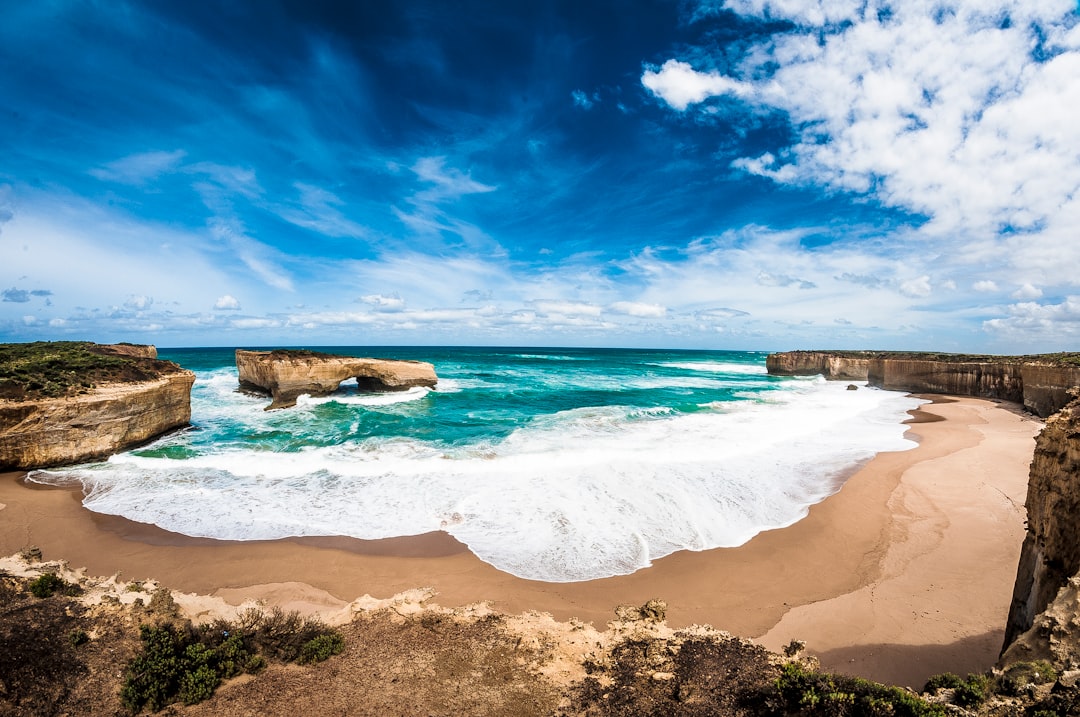
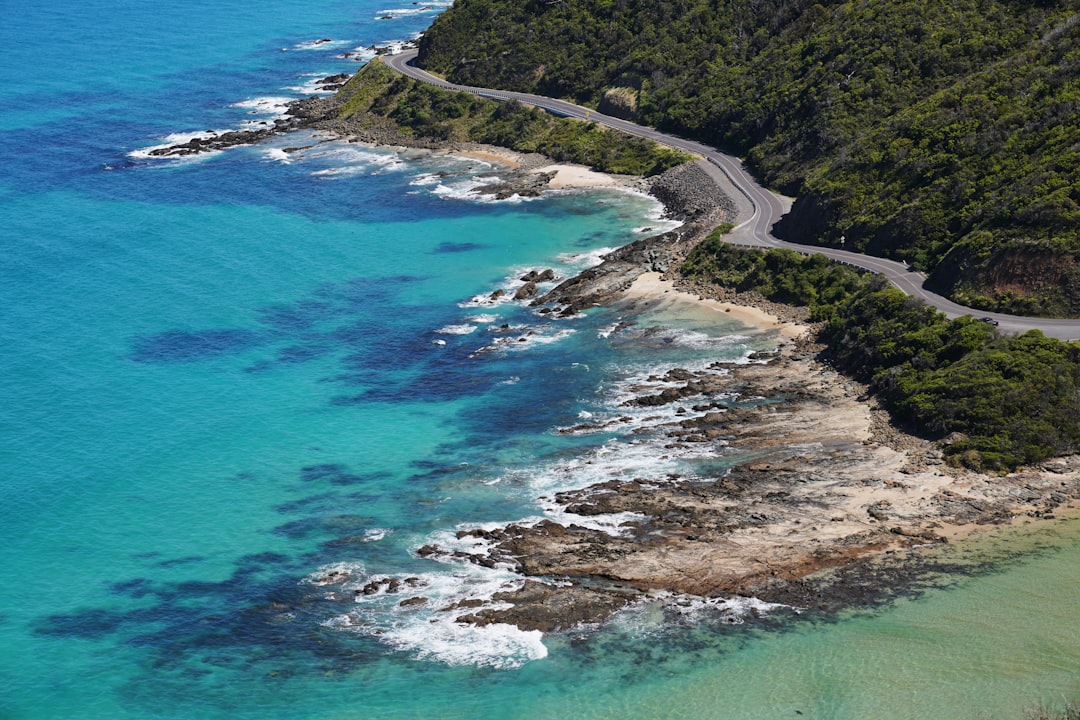
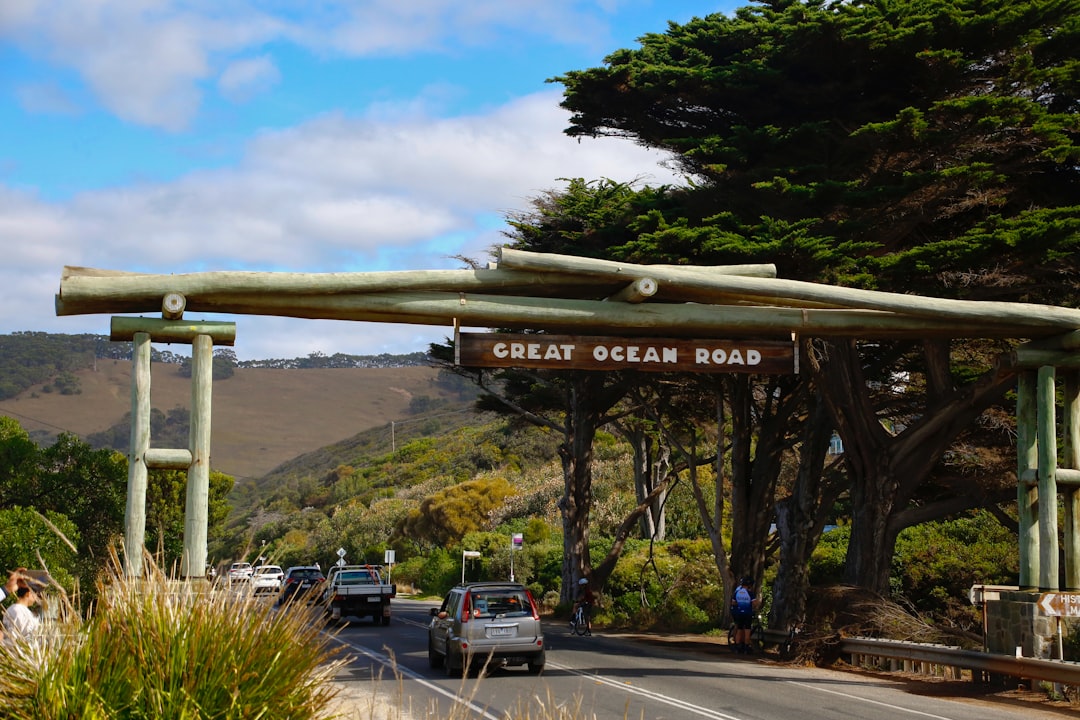
Despite the Great Ocean Road spanning just 243 kilometres, it attracts over 6 million visitors annually—meaning there are days when the iconic coastal views come with a generous side of brake lights and frustrated campervan drivers. This world-renowned stretch of asphalt, officially declared a National Heritage site, offers far more than just a scenic Sunday drive; it is a portal to some of the most dramatic limestone formations and temperate rainforests in the Southern Hemisphere. But let’s be honest: showing up unprepared is the fastest way to turn a dream holiday into a stress-fuelled parking lot experience. This isn’t just another generic list of lookouts; consider this your strategy session for beating the odds, finding the empty pockets of paradise, and actually enjoying the drive rather than enduring it.
Section 1: The Reality Check (Navigating the Curveballs)
Before you start packing your swag and dreaming of the Twelve Apostles at sunset, we need to have a serious conversation about the logistics. Driving the Great Ocean Road is not the same as cruising down the Hume Highway. It is narrow, winding, and frequently shared with wildlife that has absolutely zero concept of road rules.
The single biggest curveball you will face is the infrastructure itself. With its location hugging the sheer cliffs of the Shipwreck Coast, the road is prone to instability, which often leads to significant great ocean road closure events due to landslides or maintenance works. Nothing kills the vibe faster than driving two hours only to find a detour sign that sends you back inland.
Digital Lifelines and Driving Etiquette
To avoid the heartbreak of a blocked route, you need to treat your great ocean road map as a living document rather than a static image. Before you leave home—and again before you depart each morning—you must check live traffic updates via the VicRoads website or local traffic apps.
Furthermore, accept the reality of the speed limits. The legal limit drops frequently to 60km/h or even 40km/h through towns and tight corners. If you are in a hurry, you are missing the point. A relaxed drive from Torquay to Allansford takes about three hours without stops, but if you are factoring in photos, coffee, and sightseeing, you should block out a full day. What looks like a quick 45-minute drive on paper can easily double that if you get stuck behind a caravan on the winding sections near Lorne.
Section 2: The “Stop Before You Snap” Strategy (Hidden Highlights)
Everyone knows about the Twelve Apostles. While you absolutely should visit them, they are also the epicentre of the tourist crush. To truly experience the region, you need to employ the “Stop Before You Snap” strategy—looking for the gems that aren’t plastered on every postcard.
The Icons You Can’t Miss
We aren’t saying skip the big hitters, but time them wisely. Hit Loch Ard Gorge and the Twelve Apostles at sunrise. Even if you aren’t a morning person, the difference between a 7:00 AM arrival and a 10:00 AM arrival is the difference between a spiritual experience and a theme park queue. The golden light hitting the limestone stacks is worth the lost sleep.
Spots Locals Keep Secret
For a taste of the unexpected, divert your attention to the hidden beaches just past Lorne. While everyone stops at the main surf beach, drive five minutes further to Sheoak Falls. It’s a short walk that rewards you with a stunning waterfall cascading directly onto the beach—a rarity in this part of the world.
Another local favourite is the walk down to The Grotto just past Peterborough. It is often quieter than the main apostles viewing platforms and offers a fascinating geological perspective where the ocean has carved a cave into the limestone cliff face.
The “Oops” Moment: A Lesson in Timing
I learned the hard way that “tight scheduling” and “Great Ocean Road” are oxymorons. A few years ago, I had grand plans to watch the sunset at London Bridge. I calculated my drive time from Apollo Bay perfectly, ignoring the possibility of road trains and sightseers.
I spent forty minutes stuck behind a campervan that seemed terrified of curves, missing the golden hour entirely. When I finally arrived at London Bridge, it was pitch black. The stars were beautiful, sure, but I missed the main event. Now? I leave twice as much time as I think I need, and the drive is infinitely more enjoyable.
Section 3: The Seasonal Sweet Spot (A Month-by-Month Breakdown)
Timing is everything. While summer is the traditional holiday period, it isn’t always the “best” time to visit depending on your goals.
Summer (December – February)
Expect peak chaos. The towns are buzzing, the beaches are packed, and the temperature is perfect for swimming. If you love energy and people-watching, go now. Just be prepared for traffic and booked-out accommodation.
Autumn (March – May)
This is the sweet spot for road trips. The water is still warm enough for a dip, but the crowds have thinned out significantly. The light is softer, making for incredible photography, and you might even spot some migrating whales starting to appear near Warrnambool in May.
Winter (June – August)
This is moody, dramatic country. The ocean turns a brooding charcoal grey, and the rain creates lush, vibrant greenery in the Otways. It is the best time for storm watching and cosy pub dinners, but pack a thermos and a sturdy raincoat. The famous Great Ocean Walk is actually spectacular in winter, provided you have decent gear.
Spring (September – November)
Wildflowers are blooming in the heathland, and the waterfalls are pumping after the winter rains. It is arguably the most photogenic time of year, though the ocean can still be brisk for swimming.
The Local Café Tip
You could spend a fortune at a fancy waterfront restaurant, or you could do what the locals do. Stop in at the Apollo Bay Bakery on the main street. While the scallop pies get a lot of hype, the real hero is their vanilla slice. It is the perfect fuel stop before you tackle the twisty sections heading toward the Twelve Apostles.
Key Takeaways
- Plan your driving time loosely: A 2-hour drive can easily take 4, so factor in buffer time.
- Check live updates: Always verify great ocean road closure information before departing in the morning.
- Visit icons early or late: Sunrise at the Twelve Apostles beats the crowds and offers better light.
- Eat local: Skip the tourist traps for a bakery pie or vanilla slice in Apollo Bay or Anglesea.
- Go in shoulder season: May or March offers the best balance of weather and accessibility.
Turn the Key and Go
Planning the perfect road trip in VIC involves a bit of strategy, but don’t let the logistics paralyse you. The Great Ocean Road has a way of humbling you and healing you in equal measure. There will come a moment, likely somewhere between Fairhaven and Lorne, where the ocean stretches out endlessly to your left and the towering gums of the Otway Ranges rise to your right. The wind will be in your hair, the radio will be playing your favourite track, and for a brief second, the map won’t matter at all. Stop worrying about the checklist, check the fuel gauge, and just turn the key.




Be the First to Comment
Sign in to start the conversation.