
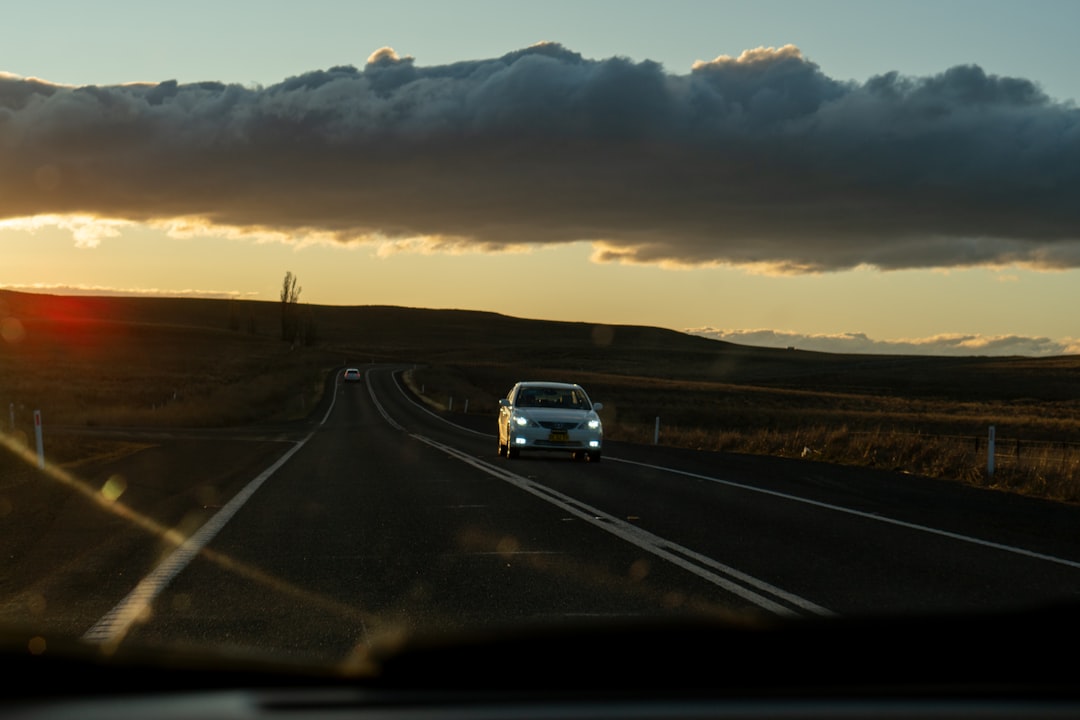
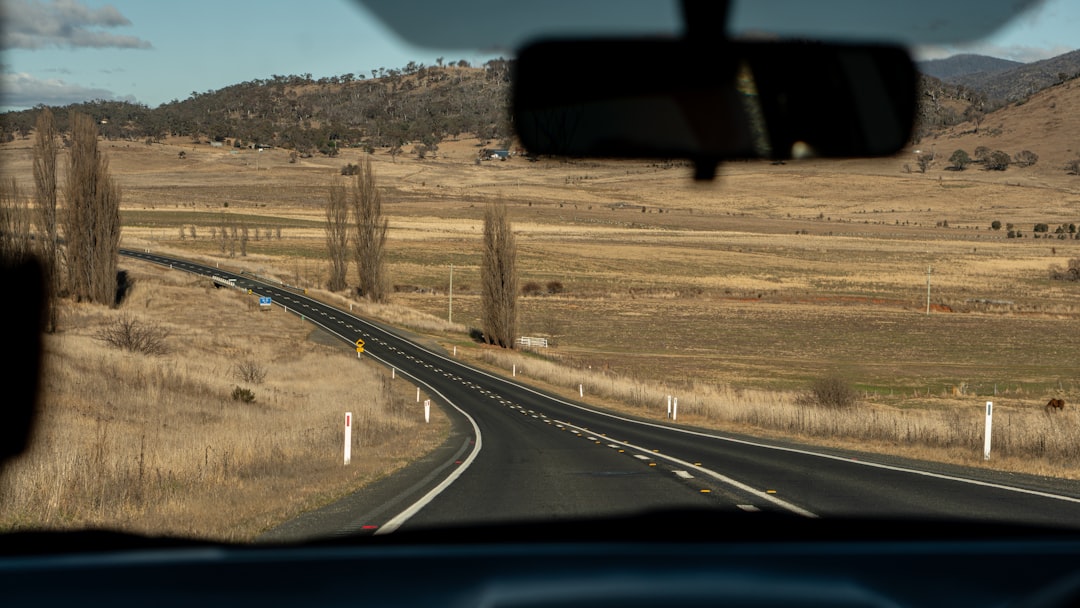


Have you ever wondered why some of Australia’s most stunning landscapes remain virtually untouched by tourists, despite being just hours from major cities? In a country known for its iconic road trip routes like the Great Ocean Road and the Red Centre, a revolution in exploration is underway as travelers seek more authentic experiences away from the well-trodden paths. As we navigate through 2026, this comprehensive guide will unveil the secrets to planning the perfect Australian road trip, from Sydney’s urban fringe to the nation’s most remote wilderness areas, with expert insights that transform ordinary journeys into extraordinary adventures.
The Unmapped Journey: Discovering Australia’s Secret Routes
While the classic Australian road trip itineraries have their merits, the truly transformative experiences often lie along routes less traveled. In 2026, Australia’s road trip landscape has evolved significantly, with newly opened sections of highways, revitalized coastal drives, and improved infrastructure in previously remote areas that now offer accessible yet uncrowded adventures.
Victoria’s Hidden High Country
The Victorian High Country has long been a favorite among locals, but recent upgrades to the Alpine Road between Bairnsdale and Omeo have made this spectacular region more accessible than ever. Unlike the more famous Great Ocean Road, which can become congested during peak season, the High Country offers a perfect blend of alpine scenery, historic gold mining towns, and excellent four-wheel-drive tracks that challenge and reward in equal measure.
New South Wales’ Sapphire Coast
Stretching from Merimbula to Narooma, the Sapphire Coast has undergone a transformation with the completion of the new Princes Highway bypass in late 2025. This coastal route now offers smoother driving while maintaining access to pristine beaches like Bournda and Wallaga Lake, where you’ll find fewer crowds compared to more northern coastal destinations.
Western Australia’s Wild West
For those seeking true isolation, the Coral Coast and the newly expanded route to Exmouth offer dramatic contrasts. The 2026 upgrade to the North West Coastal Highway has reduced travel times while maintaining the rugged beauty that makes this region special. From the pink lakes of the Mid West to the Ningaloo Reef’s underwater wonders, this route delivers experiences that few Australians have witnessed firsthand.
Your Rolling Basecamp: The 2026 Road Trip Revolution
The road trip vehicle of 2026 bears little resemblance to what we knew just a few years ago. Advances in technology, sustainability considerations, and the lessons learned during the pandemic have revolutionized how Australians hit the road. Whether you’re planning a weekend getaway or an epic cross-country adventure, your choice of mobile basecamp will significantly shape your experience.
Vehicle Options for Every Adventure
The modern road tripper has more choices than ever when it comes to suitable vehicles. From rugged four-wheel-drives to comfortable campervans with all the amenities, the market has evolved to meet diverse needs and budgets.
- 4WD Vehicles: For those venturing off the beaten path, vehicles like the updated Toyota LandCruiser 300 Series and the new Mitsubishi Pajero Sport offer improved fuel efficiency without sacrificing capability. The 2026 models feature advanced traction control systems that make challenging tracks more accessible while maintaining safety.
- Camper Trailers: The ultimate in flexibility, camper trailers like the new generation of off-road models from brands like Track Trailer and Aussie Traveller offer comfortable living quarters that can be set up in minutes. These setups excel in remote areas where larger vehicles struggle.
- Motorhomes and Campervans: The 2026 range of motorhomes represents the sweet spot for comfort and convenience. Brands like Jayco and Winnebago have introduced models with improved solar capacity, more efficient water systems, and better insulation for year-round comfort.
Essential Equipment for Modern Road Tripping
The 2026 road tripper’s toolkit has expanded beyond the basics. Today’s equipment must balance convenience, sustainability, and reliability in increasingly challenging conditions.
- Power Solutions: Portable power stations have become increasingly sophisticated, with brands like Jackery and EcoFlow offering systems that can power everything from refrigerators to laptops for days. The 2026 models feature faster charging times and improved battery life.
- Camping Gear: Modern tents are lighter, more durable, and easier to set up. Look for models with UV-protective coatings and improved ventilation systems that handle Australia’s extreme temperature variations.
- Cooking Equipment: Portable cooking solutions have evolved with an emphasis on efficiency and versatility. The latest camp ovens and portable barbecues offer more precise temperature control and faster cooking times.
- Communication Devices: Satellite communicators like the Garmin inReach Mini 2 have become essential safety equipment, providing reliable communication in areas without mobile coverage.
The Digital Compass: Navigating Australia’s Evolving Landscape
In 2026, navigation has become both simpler and more complex. While digital tools have made finding your destination easier than ever, they’ve also created new challenges, particularly in Australia’s vast and often featureless terrain. The key to successful navigation lies in understanding the strengths and limitations of different tools and knowing when to rely on technology versus traditional skills.
Digital Navigation Tools
The landscape of digital navigation has evolved significantly with improved coverage and more sophisticated tools designed specifically for Australian conditions.
Traditional Navigation Skills
Despite technological advances, traditional navigation skills remain essential for serious road trippers. Understanding how to read a topographic map, use a compass, and navigate by the sun and stars can be lifesaving when devices fail.
Seasonal Considerations
Australia’s road conditions vary dramatically with the seasons, and what works in spring may be completely different in summer or winter. Planning around seasonal conditions is crucial for both safety and enjoyment.
- Summer (December-February):strong> Focus on southern regions and coastal areas to avoid extreme heat. Be prepared for bushfire season, particularly in Victoria, South Australia, and Western Australia.
- Autumn (March-May):strong> Ideal time for most regions, with pleasant temperatures and fewer crowds. The Red Centre and Outback become more accessible as temperatures moderate.
- Winter (June-August):strong> Perfect for northern Queensland and the tropical north, but be prepared for challenging conditions in alpine regions and potential flooding in tropical areas.
- Spring (September-November):strong> Wildflower season in Western Australia and South Australia offers spectacular displays. Be prepared for changing conditions as the season progresses.
Sydney Gateway: Launching Your Adventure from the Harbour City
As Australia’s largest city and major international gateway, Sydney serves as the perfect starting point for countless road trip adventures. However, transitioning from the urban jungle to the open road requires careful planning to maximize your time and minimize stress.
Optimal Departure Routes
Sydney’s traffic can be challenging, especially during peak hours. Strategic planning of your departure can save hours of frustration and put you well on your way to adventure.
Essential Sydney Road Trip Preparation
Before hitting the road from Sydney, there are several key preparations that will ensure a smooth start to your adventure:
- Vehicle Preparation: Have your vehicle serviced by a mechanic familiar with long-distance driving. Check tire pressure, brake condition, and fluid levels. Consider a roof rack if you’re carrying additional gear.
- Supply Shopping: Stock up on supplies in Sydney where options and prices are better than in remote areas. Focus on non-perishable food, water, and essential medical supplies.
- Weather Check: Sydney’s weather can change rapidly, especially when heading toward the Blue Mountains or south coast. Check detailed forecasts for your entire planned route, not just your immediate destination.
- Traffic Planning: Use real-time traffic apps like Google Maps or Waze to avoid congestion. Consider leaving very early (before 6 AM) or late evening to bypass peak traffic.
Sydney’s Underrated Road Trip Starting Points
While most Sydney road trips begin from the city center or airport, several alternative starting points offer distinct advantages:
- Katoomba: Located in the Blue Mountains, this town makes an excellent base for exploring the region’s world-class hiking trails before continuing west. The 2026 upgrade to the Great Western Highway has improved accessibility significantly.
- Newcastle: As Australia’s seventh-largest city, Newcastle offers all the amenities of Sydney without the traffic chaos. From here, you can access the stunning Hunter Valley wine region or begin the coastal journey north.
- Nowra: This southern hub provides easy access to both the Sapphire Coast and the Highland’s cooler climate. The 2026 completion of the Princes Highway bypass has made this an increasingly popular starting point.
Key Takeaways
- Australia’s road trip landscape is evolving, with new routes and improved infrastructure making previously inaccessible areas now reachable.
- The 2026 road tripper has more vehicle and equipment options than ever, but careful consideration of your specific needs is crucial.
- Digital navigation has improved dramatically, but traditional skills remain essential, especially in remote areas.
- Sydney offers multiple departure strategies, with alternative starting points often providing advantages over the traditional city center departure.
- Seasonal planning is crucial for safety and enjoyment, with different times of year offering unique experiences and challenges.
Conclusion
The Australian road trip experience in 2026 offers unprecedented opportunities for adventure and discovery. While the classic routes remain popular, a new generation of travelers is finding that the most rewarding journeys often follow less-traveled paths. By combining modern technology with traditional skills, careful planning, and a spirit of adventure, road trippers can create experiences that go beyond tourism to become genuine connections with Australia’s diverse landscapes and cultures.
Whether you’re setting out from Sydney’s urban fringe or beginning your journey elsewhere, remember that the best road trips aren’t just about reaching destinations—they’re about the unexpected discoveries, the challenges overcome, and the memories created along the way. In 2026, the Australian road trip continues to evolve, offering both timeless experiences and new adventures for those willing to explore beyond the well-worn tracks.
Frequently Asked Questions
What are the best hidden road trip routes in Australia for 2026?
Australia’s best hidden road trip routes in 2026 include Victoria’s High Country with upgraded Alpine Road between Bairnsdale and Omeo, NSW’s Sapphire Coast from Merimbula to Narooma following the new Princes Highway bypass, and Western Australia’s Wild West featuring the upgraded North West Coastal Highway. These routes offer uncrowded experiences with Victorian High Country providing alpine scenery and gold mining towns, Sapphire Coast offering pristine beaches and whale watching, and WA’s route showcasing pink lakes and Ningaloo Reef.
How should I prepare my vehicle for an Australian road trip in 2026?
For a 2026 Australian road trip, prepare your vehicle by having it serviced by a mechanic familiar with long-distance driving, checking tire pressure, brake condition, and fluid levels. Consider your vehicle type based on your needs: 4WDs like Toyota LandCruiser 300 Series for off-road adventures, camper trailers from Track Trailer for flexibility, or motorhomes from Jayco/Winnebago for comfort. Calculate total ownership costs including fuel consumption, insurance, and maintenance. For Sydney departures, use the M5 Westlink to M7 to Hume Highway route to avoid traffic.
When is the best time to road trip in Australia’s different regions?
The best time for Australian road trips varies by region: Summer (Dec-Feb) favors southern coastal areas to avoid extreme heat but be mindful of bushfire season; Autumn (Mar-May) is ideal nationwide with pleasant temperatures and fewer crowds; Winter (Jun-Aug) suits northern Queensland but requires caution in alpine regions and flood-prone tropical areas; Spring (Sep-Nov) offers spectacular wildflower displays in WA and SA, with October-November particularly recommended for Victoria’s High Country when wildflowers bloom before summer crowds.
What essential equipment should I pack for a modern Australian road trip?
Essential equipment for a 2026 Australian road trip includes portable power stations from Jackery or EcoFlow with improved battery life and faster charging, modern tents with UV-protective coatings and ventilation systems, efficient portable cooking equipment with precise temperature control, and satellite communicators like Garmin inReach Mini 2 for areas without mobile coverage. When departing from Sydney, stock up on supplies as options and prices are better than in remote areas. Always carry comprehensive offline maps as mobile coverage, while expanded to 99% of national highways, can still be unreliable.
How can I navigate Australia’s remote areas safely during my road trip?
To navigate Australia’s remote areas safely in 2026, use a combination of digital tools and traditional skills. While mobile coverage now reaches 99% of national highways, always carry comprehensive offline maps and don’t rely solely on real-time navigation. Practice traditional navigation skills using topographic maps and compasses, and consider taking courses from organizations like Four Wheel Drive Australia. The Australian Government’s mobile black spot program has expanded coverage, but it can be unreliable during extreme weather, making traditional navigation skills essential for safety in truly remote locations.


Be the First to Comment
Sign in to start the conversation.