


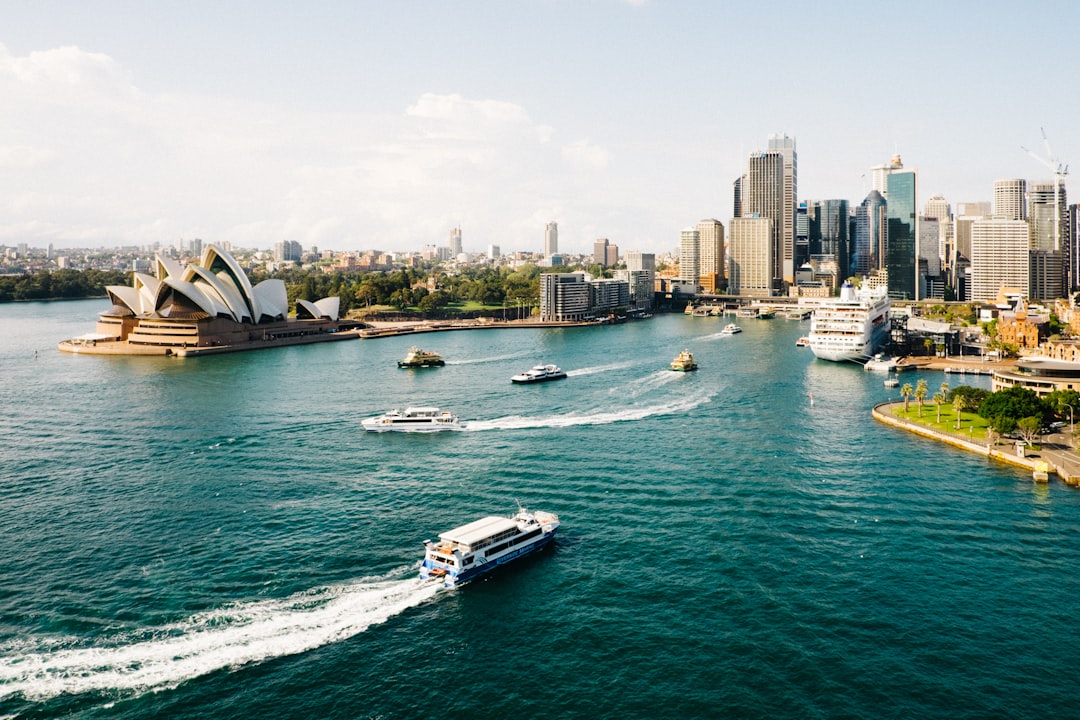
Did you know that Australia’s coastline stretches over 59,736 kilometers? That’s longer than the distance around the Earth at the equator! Yet most visitors only experience a fraction of our country’s spectacular outdoor offerings. From the ancient rainforests of Queensland’s Daintree to the rugged wilderness of Tasmania’s Southwest, Australia offers an incredible diversity of outdoor experiences that cater to all levels of adventurers. This guide reveals the hidden gems beyond the postcard-perfect scenes that most tourists never discover.
Beyond the Usual Suspects: Australia’s Undiscovered Wilderness
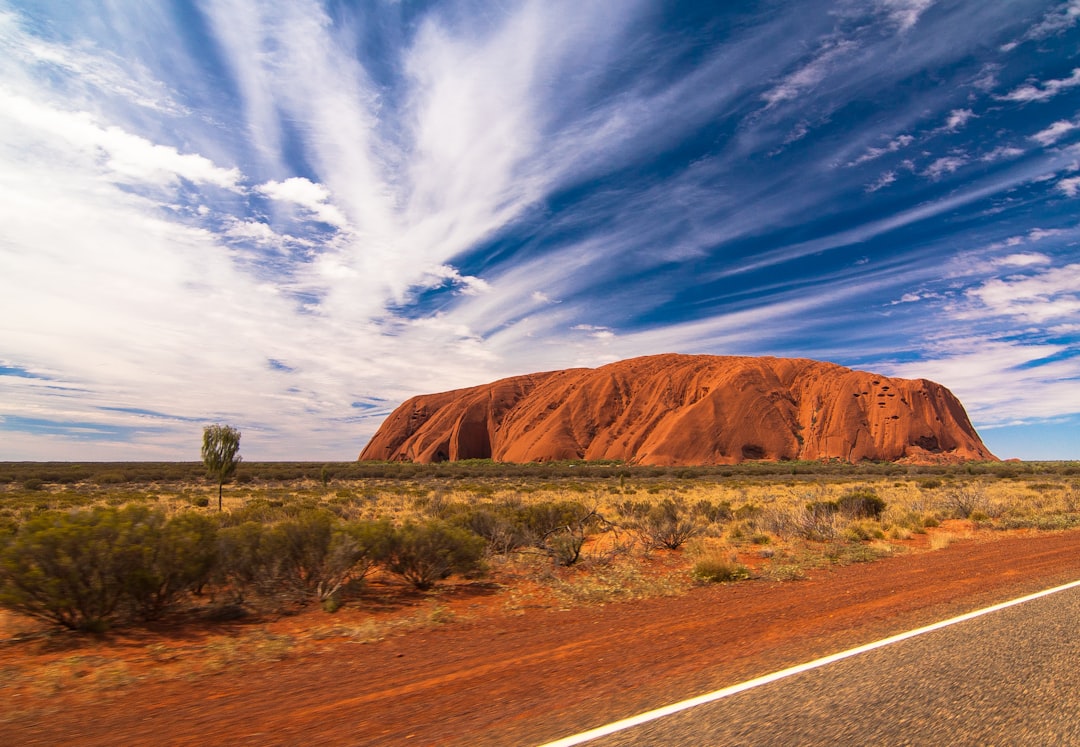
While Uluru and the Great Barrier Reef rightfully steal the spotlight, Australia’s true outdoor treasures often lie off the beaten path. These lesser-known locations offer authentic experiences away from the tourist crowds, allowing you to connect with nature in its purest form.
The Kimberley Region, Western Australia
The Mitchell Falls and the Bungle Bungles (Purnululu National Park) are must-see destinations that showcase nature’s incredible artistry. For the truly adventurous, the Gibb River Road offers a challenging but rewarding self-drive journey through some of Australia’s most spectacular scenery.
The Flinders Ranges, South Australia
South Australia’s oldest mountain range offers a different kind of wilderness experience. The rugged peaks, ancient gorges, and dry creek beds create a dramatic landscape that changes color dramatically with the shifting light. Wilpena Pound, a natural amphitheater of mountains, serves as an excellent base for exploring the region.
Northern Tasmania’s Hidden Coastline
While many tourists flock to Tasmania’s popular sites like Cradle Mountain and Port Arthur, the northeastern coastline remains relatively untouched. The Bay of Fires, with its orange-hued granite rocks contrasting against white sand and turquoise water, offers one of Australia’s most stunning coastal scenes.
Nature’s Rhythm: Seasonal Secrets for Outdoor Adventures
Understanding Australia’s seasons is crucial for planning the perfect outdoor adventure. The country’s size means weather patterns vary dramatically between regions, and timing your visit can make all the difference to your experience.
Autumn (March – May): The Sweet Spot
Autumn offers perhaps the best overall conditions for outdoor exploration across most of Australia. The oppressive heat of summer has passed, but the waterways remain warm enough for swimming and water activities. This is an ideal time for hiking in the Blue Mountains, exploring Victoria’s Great Ocean Walk, or enjoying the wildlife-rich wetlands in Kakadu National Park.
Winter (June – August): The Secret Season
While winter might seem like an unlikely time for outdoor adventures in Australia, it offers unique advantages. In tropical northern regions like Cairns and the Whitsundays, winter brings perfect conditions with warm days and minimal rainfall, making it ideal for diving, snorkeling, and sailing.
Conversely, in southern states like Victoria and Tasmania, winter transforms the landscape, offering crisp, clear days perfect for mountain biking and scenic drives. The snow-covered peaks of the Australian Alps provide a dramatic contrast to the typically dry brown landscape.
Spring (September – November): Nature’s Awakening
Spring also brings the emergence of baby wildlife, making it an excellent time for wildlife photography in national parks like Kangaroo Island and Wilsons Promontory. However, be aware that this is also peak season for many locations, so booking accommodation well in advance is essential.
The Local’s Playbook: Insider Tips from Those Who Know
The true magic of Australia’s outdoor destinations often comes from the knowledge and passion of locals. These insights can transform a good trip into an unforgettable adventure.
Where the Locals Fish
In Queensland, try the estuaries around Hervey Bay for mangrove jack and whiting. Western Australia’s Rottnest Island offers fantastic fishing just off the rocks, while Victoria’s Mornington Peninsula is renowned for its snapper and whiting grounds.
“The best fishing spots in Australia aren’t the ones with the most boats, but the ones where locals quietly go about their business before dawn.” – Mick, third-generation fisherman from Port Macquarie
Wildlife Encounters: What to Expect and How to Prepare
Australia’s unique wildlife is a major drawcard for outdoor enthusiasts. While kangaroos and koalas are high on most visitors’ lists, locals know that the most memorable wildlife experiences often happen unexpectedly.
Family-Friendly Adventures
Planning outdoor adventures with children requires a different approach. Fortunately, Australia offers numerous options that balance excitement with accessibility.
- Easy bushwalks: Many national parks offer short, well-marked trails suitable for families with young children, such as the Wentworth Falls track in the Blue Mountains or the Valley of the Giants in Western Australia.
- Wildlife parks: For guaranteed animal sightings, consider accredited wildlife parks where animals roam freely in natural habitats.
- Water-based activities: Gentle kayaking in sheltered bays or stand-up paddleboarding in calm lakes provide water adventure without overwhelming younger family members.
Extreme Adventures for Thrill-Seekers
For those seeking an adrenaline rush, Australia offers world-class extreme adventures. The Cradle Mountain to Lake St Clair trek in Tasmania takes hikers through some of the most dramatic alpine terrain in Australia. The South West Wilderness Track offers a challenging multi-day expedition through pristine wilderness.
Adventure Tailored: Matching Locations to Your Style
With such diverse outdoor options available, it’s helpful to match destinations to your specific interests and experience level. Whether you’re seeking relaxation, challenge, or cultural enrichment, Australia has something to offer.
For the Water Enthusiast
Australia’s relationship with water is central to its identity. The Great Barrier Reef offers world-class snorkeling and diving, with the Outer Reef providing the most pristine conditions. For freshwater adventures, the Murray River Australia’s longest river offers excellent kayaking and fishing opportunities.
For the Mountain Lover
Australia’s mountain ranges may not compete with the Himalayas in height, but they offer unique beauty and accessibility. The Australian Alps in New South Wales and Victoria provide excellent hiking in summer and world-class skiing in winter. The Tasmanian Central Plateau offers remote wilderness trekking with stunning alpine scenery.
For the Culture Seeker
Australia’s outdoor spaces are deeply connected to Indigenous culture, with many sites holding significant cultural and spiritual importance. The Kakadu National Park in the Northern Territory, managed by its traditional owners, offers opportunities to learn about Dreamtime stories and traditional land management practices.
Key Takeaways
- Australia offers incredibly diverse outdoor experiences beyond its famous tourist attractions
- Seasonal planning is crucial for making the most of your outdoor adventure
- Local knowledge can unlock hidden gems and authentic experiences
- Australia’s outdoor adventures cater to all experience levels, from families to extreme adventurers
- Responsible tourism practices help preserve these natural wonders for future generations
As you plan your Australian outdoor adventure, consider what truly draws you to the wild. Is it the challenge of conquering new heights, the peacefulness of a remote campsite, or the simple joy of discovering something unexpected? Australia’s outdoor spaces offer all of these and more. Before you go, remember that the best adventures often start with a single question asked of a local or a willingness to stray from the path. Pack your sense of curiosity along with your gear, and let Australia’s remarkable landscapes reveal their secrets in their own time.
Frequently Asked Questions
What makes Australia’s coastline so unique compared to other countries?
Australia’s coastline stretches over 59,736 kilometers, which is longer than the distance around the Earth at the equator! This vast coastline offers incredibly diverse outdoor experiences, from ancient rainforests in Queensland’s Daintree to the rugged wilderness of Tasmania’s Southwest, providing adventurers with spectacular natural landscapes that cater to all experience levels.
How can I experience Australia’s wilderness beyond the typical tourist spots?
Explore lesser-known locations like the Kimberley Region in Western Australia, which is twice the size of Victoria but has only 40,000 people. Visit the Flinders Ranges in South Australia with its dramatic peaks and ancient gorges, or head to Northern Tasmania’s Bay of Fires for stunning orange-hued granite rocks contrasting with white sand and turquoise water. Staying at local eco-lodges provides authentic insights from knowledgeable proprietors.
When is the best time to visit Australia for outdoor adventures?
Autumn (March-May) offers ideal conditions across most of Australia with comfortable temperatures and warm waterways. Winter (June-August) is perfect for northern regions like Cairns with warm days and minimal rainfall, while spring (September-November) features Australia’s largest whale migration and emerging baby wildlife. Each season offers unique advantages depending on your preferred activities and destinations.
What are some family-friendly outdoor activities available in Australia?
Australia offers numerous family-friendly options including easy bushwalks like the Wentworth Falls track in the Blue Mountains or the Valley of the Giants in Western Australia. Wildlife parks provide guaranteed animal sightings in natural habitats, while gentle kayaking in sheltered bays or stand-up paddleboarding in calm lakes offer water adventures suitable for younger family members. Many national parks also have short, well-marked trails perfect for children.




Be the First to Comment
Sign in to start the conversation.