
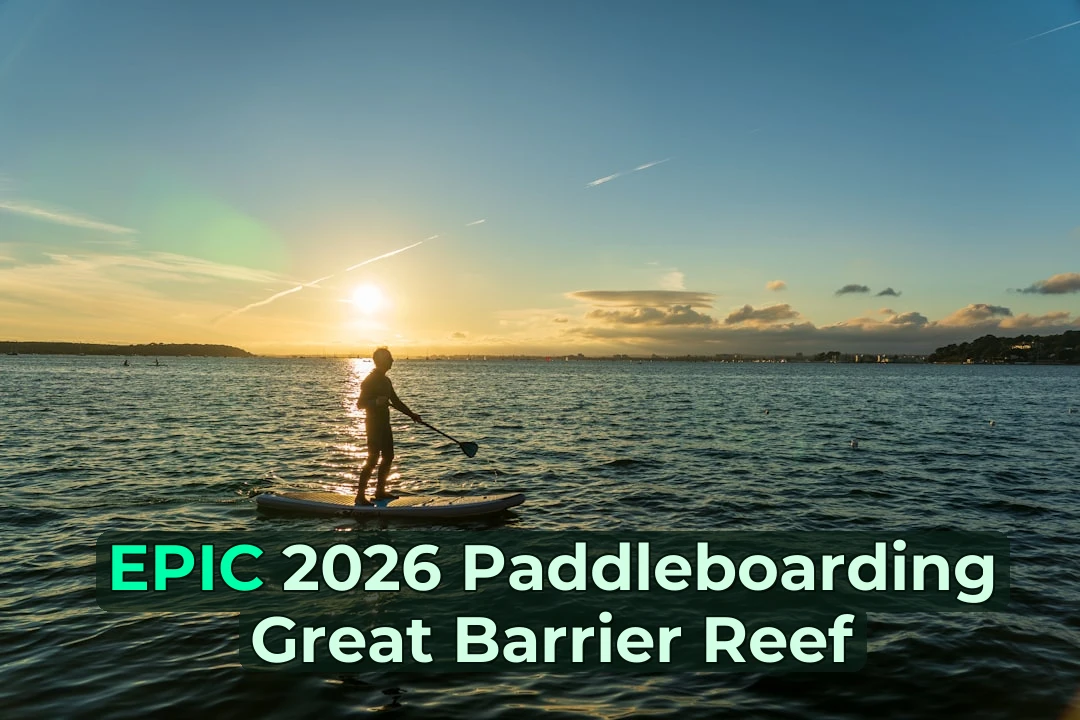
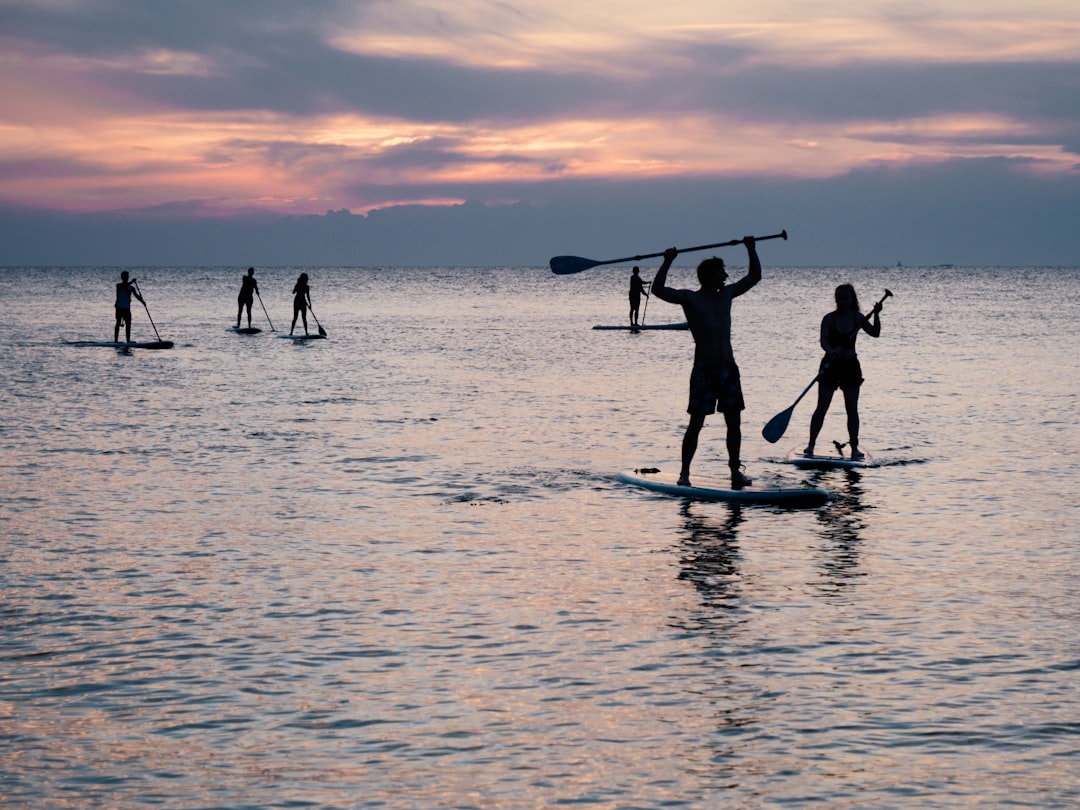
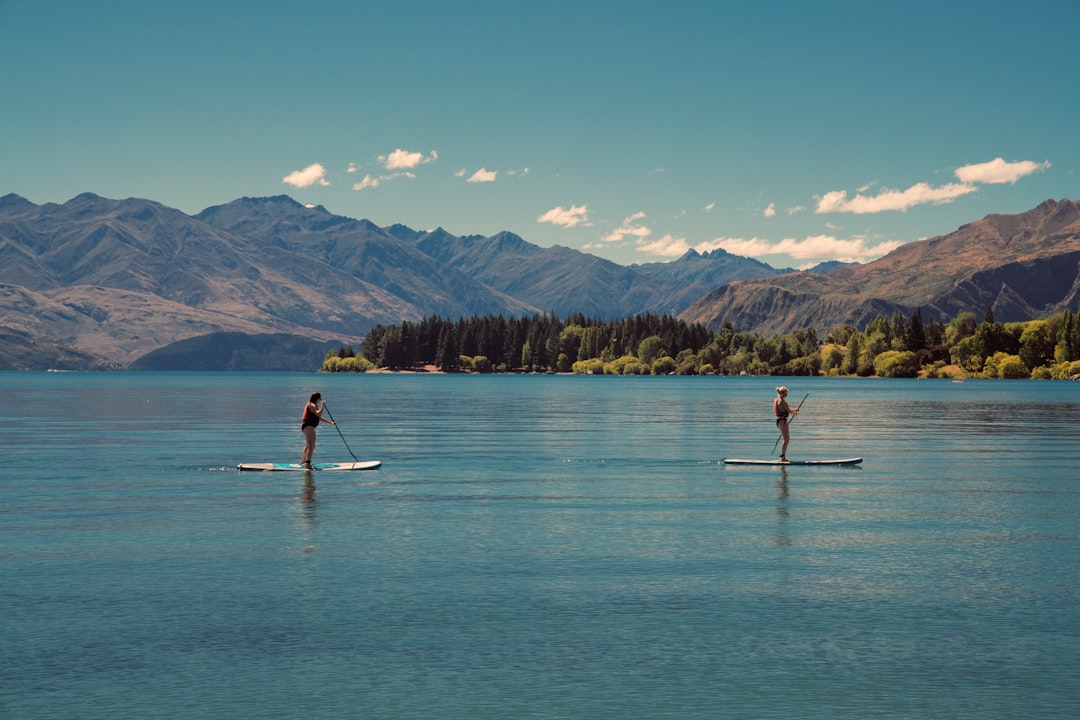
🔥 Did you know that over 3,400 individual reefs make up the Great Barrier Reef? That’s heaps of water to explore on a board, mate! I’m sharing exactly how I navigated those crystal-clear waters without getting lost (or eaten by a shark!)
🎒 What You’ll Need (Prereqs)
Righto, before you even think about hopping on that board, you need the right kit. For paddleboarding in the Great Barrier Reef, don’t just grab any old inflatable board from Bunnings. You need a stiff, high-pressure SUP (Suppose you’re doing it alone) or join a guided tour. Essential gear: 1️⃣ A helmet-grade SUP board (20cm+ thickness for stability), 2️⃣ Leash (non-negotiable!), 3️⃣ Reef-safe sunscreen (SPF 50+), 4️⃣ Salty Dog water shoes or reef booties (the coral bites back!), and 5️⃣ A dry bag for your phone. I learned this the hard way when my cheap board warped in the tropic heat!
1️⃣ Choose Your Spot Wisely
Not all reefs are created equal, mate. For beginners or those wanting calm waters, head to the protected lagoons near Cairns or Port Douglas. Areas like the Agincourt Reef have less current, making it easier to balance while scanning for turtles. If you’re feeling brave, try the outer reefs near Lizard Island, but only with a guide. The key is picking a spot with minimal boat traffic and calm tides. I always check the local weather app (like Buoy) before heading out—sudden squalls can turn a chill arvo into a nightmare fast!
2️⃣ Master the Stance & Stroke
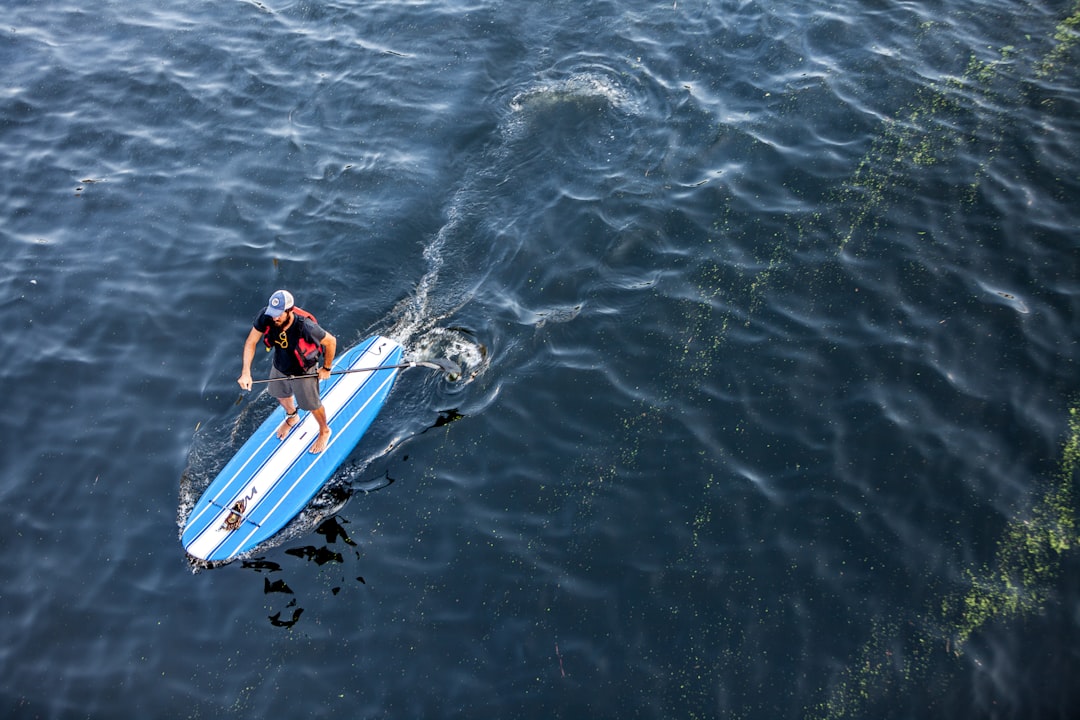
Once you’re on the water, stand up slowly! Kneel first, then one foot at a time. Keep your feet shoulder-width apart and look at the horizon, not your toes (trust me, falling face-first into turquoise water hurts!). Your paddle should be held with one hand on the top grip and the other midway down. Stroke on alternate sides to keep straight. Pro tip: take longer strokes in shallow water and shorter, quicker ones when you’re further out. It’s like rowing a kayak but standing up—takes practice, but once it clicks, you’ll feel like a pro!
3️⃣ Respect the Wildlife (Seriously!)
This is where it gets special. The Great Barrier Reef is home to sea turtles, reef sharks, and thousands of fish species. When you spot wildlife, STOP paddling! Float on your board and observe from a distance. NEVER chase or touch animals—it’s illegal and rude. I once saw a massive Manta Ray glide under my board; it was the most magical moment of my life. Keep your eyes peeled for coral walls too—they’re alive! Look for the vibrant anemones and colorful corals, but remember: one touch can kill them. Use a GoPro if you’ve got one, but keep your hands to yourself!
4️⃣ Know When to Head Back
Paddleboarding here isn’t a marathon; it’s a stroll. Start your return journey 1-2 hours before sunset or when the wind picks up. The currents can be deceptive, pulling you further out than you think. Always check the tide charts—low tide might expose coral heads, ruining your board (and your toes!). If you’re on a guided tour, follow the guide’s lead. For solo adventurers, stay within visual range of your accommodation or a boat. I always carry a waterproof whistle and a fully charged power bank for my phone’s location sharing. Safety first, fun second!
⚠️ Common Mistakes to Avoid
I’ve seen heaps of mates make these blunders: 1️⃣ Wearing regular sunscreen (chemicals bleach coral)—use zinc or reef-safe brands. 2️⃣ Standing up too fast (balance is key!). 3️⃣ Ignoring the wind direction (always paddle into it on the way out so you can glide back). 4️⃣ Not wearing a leash (if you fall, the board floats away faster than you can swim!). 5️⃣ Trying to stand on narrow, thin boards meant for surfing. Stick to wide, stable boards for reef paddling!
📋 Practical Info
📍 Cairns Marina, Cairns QLD 4870; Port Douglas Marina, Port Douglas QLD 2193
🚗 From Brisbane, 6 hours drive north or 1.5 hour flight to Cairns
💰 $80-$150 AUD for guided SUP tours; $200+ for private board hire
🕐 Best times: Early morning (6am-9am) or late arvo (4pm-6pm)
⏱️ 2-3 hours per session
💡 Tips & Warnings
✅ ✅ Do wear reef-safe sunscreen (zinc oxide based) to protect the coral ecosystem.
❌ ❌ Don’t stand on narrow surfboards; use wide, stable SUPs designed for touring.
⚠️ ⚠️ Watch out for boat traffic in popular areas—wear a bright life vest or attach a safety flag.
🚀 Give it a crack and let me know how you go! 🚀
#GreatBarrierReef #SUPAustralia #PaddleboardingTips #CairnsAdventures #ReefSafe #OutdoorLifeAU

Be the First to Comment
Sign in to start the conversation.