
🔥 Standing at the edge of a crystal-clear tidal channel, casting line into the deep blue, is pure magic—but one wrong move can turn that ripper morning into a nightmare. First time fly fishing? Don’t stress – I’ve got you covered!
🤔 What to Expect in the Reef
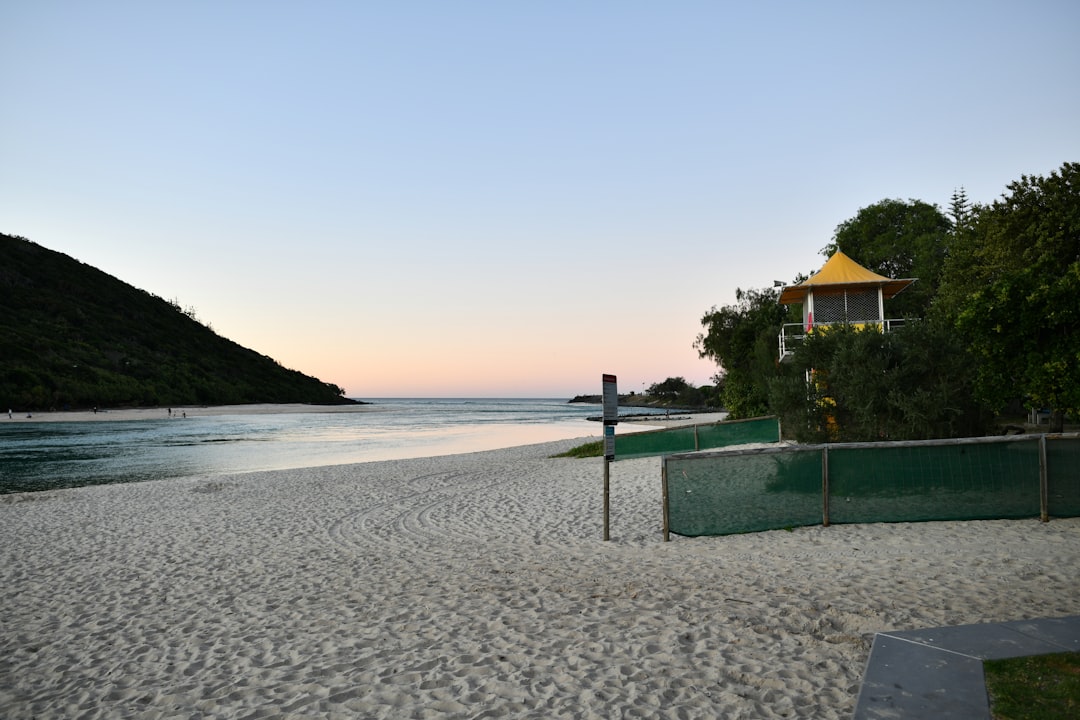
Look, fly fishing near the Great Barrier Reef isn’t just chucking a line in from the beach. You’re looking at shallow flats, tidal channels, and rocky outcrops. The water here moves fast, currents are sneaky, and the sun? It’s no joke. Last season I watched a mate get swept off his mark by a simple rip current—he was fine, but it was a bloody scare. Expect to wade in knee-to-chest deep water, deal with coral sand that cuts like glass, and spot marine life like turtles or even sharks. It’s beautiful, but respect the ocean first.
✅ Must-Have Safety Gear
Don’t even think about heading out without these. First up: a proper wetsuit or splash jacket—water temp drops fast, and hypothermia is real even in summer. Next, grip! Standard sneakers will have you sliding on wet rock faster than you can say ‘mate’. Get felt-soled waders or sticky rubber boots. Also, a PFD (life jacket) is non-negotiable if you’re in a boat or deep water. And sunnies with polarised lenses? Essential for spotting fish and avoiding hidden rocks.
📋 Step-by-Step Safety Checklist
Before you cast, do this: 1️⃣ Check the tide charts. Fishing on a rising tide is safer than a falling one when it comes to currents. 2️⃣ Tell someone where you’re going. Seriously, drop a pin in your phone and text it to your crew back home. 3️⃣ Scout the landing spot before casting. Don’t walk out on slippery algae-covered rocks without checking stability first. 4️⃣ Keep your rod and reel dry—saltwater kills gear fast, so rinse it with fresh water immediately after.
❌ Mistakes to Avoid
I’ve seen heaps of newbies make these errors. First, underestimating the heat. Hydrate like you’re at a summer festival—2 litres of water minimum per person, plus electrolytes. Second, ignoring the weather forecast for sudden squalls or wind gusts that can capsize small craft. Third, standing too close to the edge of drop-offs. One slip on coral sand and you’re in trouble. And never, ever turn your back on the ocean when casting near shore.
💪 You’ve Got This!
Fly fishing is about patience and respect. Take your time, listen to the water, and don’t rush the cast. When you feel that tension on the line, you’ll know why we do this—it’s bloody magical. Just remember: safety keeps you in the game longer to enjoy those moments. So gear up, stay smart, and let’s get you catching some reef beauties!
📋 Practical Info
📍 Great Barrier Reef Access Points, Cairns, QLD 4870
🚗 From Sydney, 3.5 hours flight to Cairns + 1 hour boat transfer
💰 $120 – $350 per person (gear rental included)
🕐 Early morning 6am – 10am (best light & tides)
⏱️ Half-day trip (3-4 hours)
💡 Tips & Warnings
✅ Always check local tide charts before heading out—tides dictate current strength and fish movement.
❌ Don’t wear cotton clothes; they stay wet and cold. Stick to synthetic or wool layers.
⚠️ Beware of hidden coral heads just below the surface—they can punctuate waders instantly.
🚀 First-timers, drop your questions below! 🚀
#FlyFishingSafety #GreatBarrierReef #FirstTimerGuide #AustralianOutdoors #FlyFishingTips


Be the First to Comment
Sign in to start the conversation.