
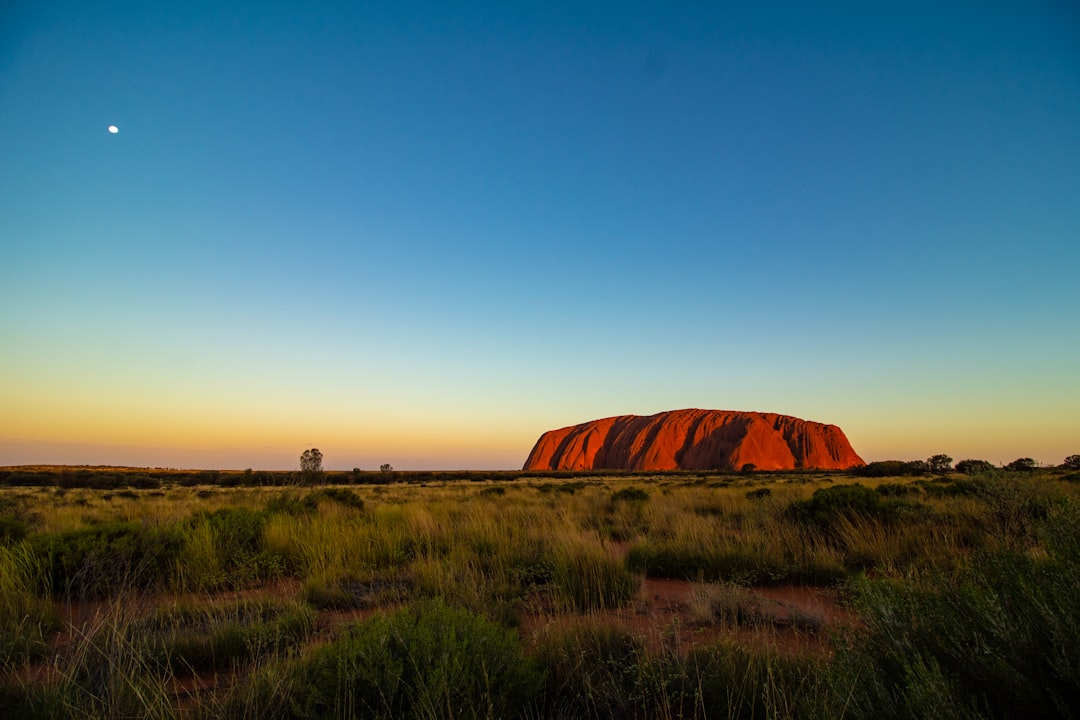

🔥 Ever wondered what it’s like to wake up to the sound of kookaburras in the bush or watch the sun rise over the ocean without another soul in sight? I’ve spent the last 5+ years trekking all over this massive sunburnt country, and I’m gonna let you in on a little secret—planning an outdoor adventure in Australia isn’t as hard as you reckon, provided you know a few tricks of the trade!
🎒 What You’ll Need
Before we dive into the nitty-gritty, let’s talk mindset and gear. You don’t need to spend a fortune to get started, but you do need the essentials. A good quality tent, a sleeping bag rated for the temperature you’re heading into, and solid hiking boots are non-negotiable. Oh, and a healthy sense of adventure! Trust me, getting out of your comfort zone is half the fun.
1️⃣ Pick Your Season and Location
Australia is massive, mate. You can’t just rock up to the Top End in the Wet Season (November to April) expecting sunshine, or head to the snowy mountains in July without a parka. Do your research! Right now, in late January/early February 2026, the south is perfect for hitting the beaches or coastal walks, while the northern tropics are steamy and prone to storms. I usually check the Bureau of Meteorology (BOM) before locking anything in.
2️⃣ Lock in Your Parks Pass
Here’s a ripper tip—don’t pay per park if you’re planning a big roadie. Most states offer an annual pass that pays for itself after about 3-4 visits. If you’re sticking to New South Wales like me, grab the ‘NPWS Annual All Parks Pass’. It saves you heaps of cash at the gate. Just make sure to book your campsites in advance if it’s a long weekend or school holidays, or you’ll be crying into your thermos.
3️⃣ The Gear Checklist
I made this mistake early on—overpacking. You don’t need the kitchen sink! Essentials include: plenty of water (at least 4 litres per person for hiking), a first aid kit, sunscreen (the UV here is no joke), a map or downloaded offline maps, and head torches. Don’t forget the mozzie repellent either, those buggers can ruin a good arvo!
4️⃣ Plan Your Route and Tell Someone
Even if you’re just going for a day hike, let a mate know where you’re going and when you expect to be back. I use an app called ‘Emergency+’. Also, check for national park alerts before you leave. Sometimes tracks are closed due to maintenance or bushfire risk. It’s better to be safe than sorry, yeah?
5️⃣ Leave No Trace
This is the golden rule, folks. If you carried it in, carry it out. Take your rubbish with you, respect the wildlife (don’t feed the roos!), and stick to the marked tracks to protect our native flora. We want to keep these spots pristine for the next generation of adventurers.
📋 Practical Info
📍 Various National Parks across Australia (e.g., Royal National Park, NSW 2232)
🚗 From Sydney CBD, 1 hour by car to Royal National Park via the Princes Highway (M1)
💰 Annual NPWS Pass approx. $190 AUD | Daily entry $12 per vehicle | Camping from $15-$35 per night
🕐 National parks are generally open 24/7, but check specific park alerts
⏱️ Weekend trips or multi-day expeditions
💡 Tips & Warnings
✅ Download offline maps on Google Maps or AllTrails before you lose signal.
✅ Bring extra water bottles—you can never have too much H2O.
❌ Don’t rely on finding a toilet at the trailhead—always bring your own loo roll or trowel if bush camping.
⚠️ Check for snake warnings in warmer months and keep your eyes on the trail!
🚀 Give it a crack and let me know how you go! 🚀
#AustraliaOutdoor #HikingAustralia #CampingLife #TravelTips #SeeAustralia #AdventureTime #VanLife #NatureLovers #RoyalNationalPark

Be the First to Comment
Sign in to start the conversation.