

The crisp, salt-heavy air bites gently at your exposed cheeks as you stand on the damp sand of Noosa’s First Beach, just before the sun begins to crest over the Pacific. In your hand, a paper cup of coffee radiates unexpected warmth against the cool morning chill, creating a sensory contrast that grounds you in this exact moment. Around you, mist clings low to the ground, wrapping around the gnarled branches of coastal banksia trees and creating a natural, ethereal frame for the horizon. The only sound is not the chaotic chatter of summer crowds, but the rhythmic hush of shallow waves licking over smooth, wet stones—a quiet, meditative percussion that signals the start of a day spent not just observing, but truly seeing.
The “Ghost” Season: Why Autumn is the Photographer’s Secret
If you’ve visited Noosa during the peak of summer, you know it by its noise. It’s loud, bright, and overwhelmingly crowded. But March through May brings something entirely different to the Sunshine Coast. Locals call it the “ghost season”—not because of anything spooky, but because the vast majority of summer tourists vanish, leaving the landscape raw, unfiltered, and intensely visible.
This is when Noosa reveals its true texture. The sun sits lower in the sky during these months, casting longer shadows that carve out deep contrasts on the sandstone cliffs of Noosa Heads. The light isn’t harsh and blinding; it’s golden, rich, and soft—perfect for capturing the rugged beauty of the coastline without blowing out your highlights.
The temperature plays a crucial role in this transformation. With daytime highs hovering between 18°C and 24°C, you’re no longer fighting the heat to get a shot. You can stand at Tea Tree Point for twenty minutes adjusting your composition without overheating or sweating through your gear. This comfort level extends to the wildlife, too. As the weather cools, koalas in Noosa National Park are less stressed and more active during daylight hours. Seeing these creatures clinging to eucalyptus branches in the soft morning light is a privilege that summer crowds simply miss.
Gear Up for the Shift: Boots, Bags, and Balance
Photography in autumn on the Sunshine Coast isn’t just about camera bodies and lenses; it’s about what’s on your feet. The environment changes as the seasons turn. The trails become softer, and rain showers—which are unpredictable in autumn—can transform a dry path into a slippery hazard.
This is where equipment choice directly impacts your creativity. You cannot capture a sharp image of the crashing waves at Tea Tree Point if you are slipping on wet leaves. For this reason, investing in quality footwear is non-negotiable.
I strongly recommend looking into Anaconda hiking boots. As a brand with deep Australian roots, they understand that local terrain requires rugged durability. Whether you opt for their trail runners or full boots, the grip and support they provide are essential when navigating the steep, rocky paths leading to the Lookout. Other top-tier options for best waterproof hiking boots Australia has to offer will serve you well here, but the key is ankle support and slip resistance.
Honest limitation: Even with the best boots and gear, catching perfect light at Noosa National Park requires patience. Sometimes the wind is too strong for a steady hand, or the light just isn’t where you want it. Accepting that not every shoot will yield a “hero shot” is part of the beauty of this season. It slows you down.
The Hidden Frames: Beyond the Postcard Spots
Everyone knows First Beach. It’s in every brochure, and it’s where the crowds congregate for sunset. To find your own unique perspective in autumn, you need to walk past the postcard spots and look for Noosa’s texture.
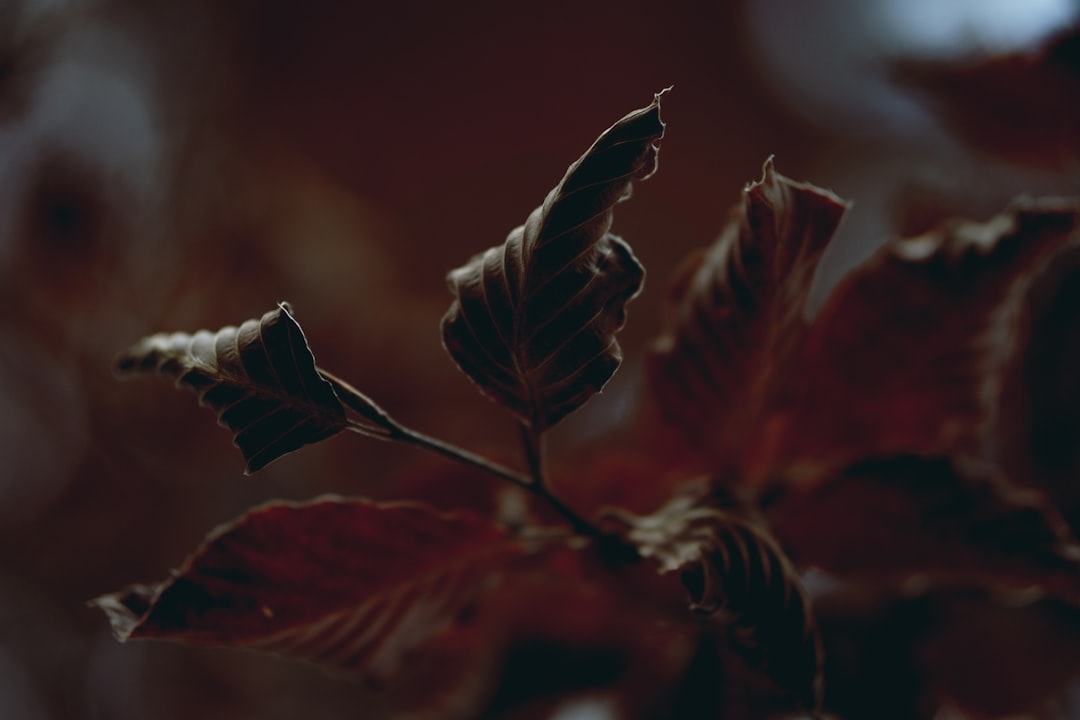
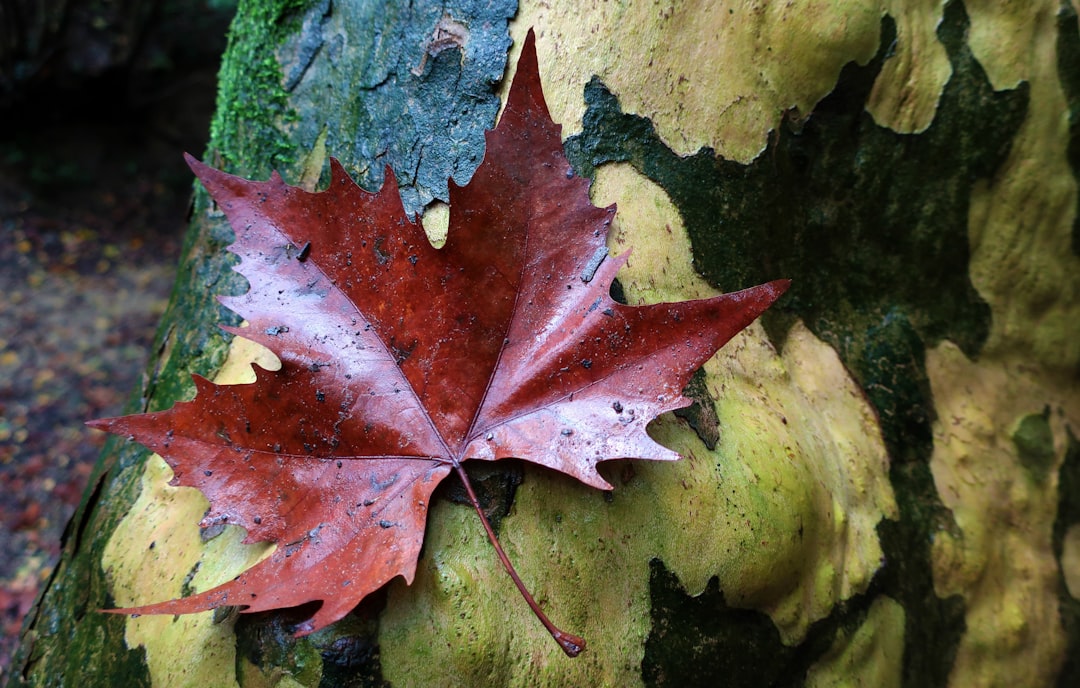
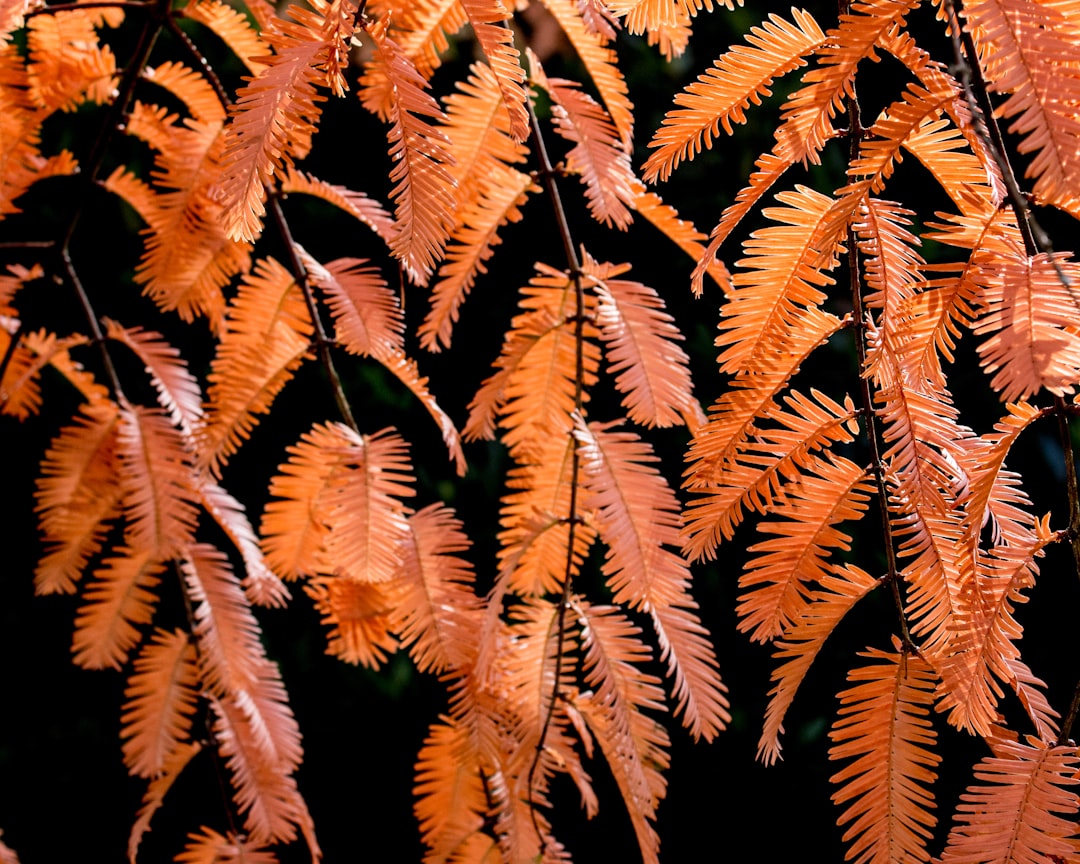
Head to the back of Noosa National Park. Here, amidst the dense eucalyptus canopies, autumn brings a different kind of magic. The leaves begin to change, shifting from vibrant greens to ochres and deep browns. As the wind picks up in March and April, it creates a dynamic movement in the grasses that adds energy to your static images. Look for small pockets of light filtering through the trees—these “frames within frames” are perfect for portrait photography or macro shots.
Another brilliant tool for autumn shooting is the polarizing filter. The lower sun can sometimes cause glare off wet rocks or ocean surfaces. A circular polarizer cuts through this haze, deepening the blues of the ocean and enhancing the contrast in the sky, making your images pop with saturation that raw files often lack.
“The best photos aren’t taken; they’re waited for.” — A mantra I live by when the light is tricky.
Stories from the Coast: The Reality of Shooting
I remember one specific afternoon during a recent visit. I had planned to shoot the pristine, golden-hour light on the beach. Instead, a sudden autumn downpour hit—an intense, heavy squall that soaked my gear within minutes. Frustrated, I almost packed up. But then I looked down.
The puddles left by the rain had become perfect mirrors. The Noosa Lifesaving Club building and the distant headland reflected upside down in the shallow water, creating moody, grey, atmospheric compositions that felt far more emotive than any sunny beach shot. That rainy day taught me flexibility: “bad” weather often yields the most striking images if you’re willing to adapt.
Then there was the “Boot Test” near Tea Tree Point. On a steep, rocky descent, my friend’s standard sneakers failed him on the mossy patches. Because I was wearing sturdy anaconda hiking boots, I could lean out over a precarious rock ledge to get a unique, low-angle perspective of the ocean below. That secure footing gave me the confidence to take a creative risk that I otherwise wouldn’t have attempted.
Finally, there’s the quiet magic of dawn. Standing still in 18°C air, watching a family of kangaroos emerge from the bush is a surreal experience. The cool temperature keeps them visible and calm, allowing for candid, respectful wildlife shots without disturbing their peace. These moments don’t happen in the heat of midday; they belong to the quiet, cooling months.
The Invitation to Slow Down
Noosa in autumn isn’t about ticking boxes or capturing every landmark. It’s an invitation to slow down and engage with the environment on a deeper level. Photography is as much about seeing as it is about capturing.
I encourage you to put the camera down occasionally. Stand on the shore and feel the cool autumn breeze on your face. Listen to the rhythm of the waves without worrying about the shutter speed. When you do lift your camera, do so with intention.
The best photos aren’t taken; they’re waited for. Let the ghost season reveal its secrets to those willing to watch, wait, and truly see.
Frequently Asked Questions
Why is autumn considered the ‘ghost season’ for photographers on the Sunshine Coast?
Autumn, specifically March through May, is dubbed the ‘ghost season’ because the vast majority of summer tourists disappear, leaving landscapes raw and unfiltered. This reduction in crowds allows photographers to capture Noosa’s true texture without the chaos of peak season. Additionally, the sun sits lower in the sky, casting longer shadows and providing golden, soft light that avoids blowing out highlights. Daytime temperatures of 18°C to 24°C ensure comfort, allowing photographers to stand at locations like Tea Tree Point for twenty minutes adjusting compositions without overheating.
What specific camera gear and footwear are recommended for autumn shoots at Noosa National Park?
Footwear is critical; high-quality hiking boots with ankle support and slip resistance are essential due to treacherous, wet sandstone cliffs. Brands like Anaconda are recommended for their rugged durability on local terrain. For lenses, bring a wide-angle (16-35mm) for sweeping beach curves and a telephoto (70-200mm) to isolate details like bark textures or distant birds without disturbing wildlife. A circular polarizing filter is also advised to cut through glare off wet rocks and deepen ocean blues, enhancing contrast in the softer autumn light.
When is the best time of day and year to photograph koalas in Noosa National Park?
The best time is during the cooler months of March through May, specifically in the early morning. As temperatures drop, koalas are less stressed and more active during daylight hours, making them easier to spot clinging to eucalyptus branches. The soft morning light enhances their visibility, offering a privilege that summer crowds often miss due to heat and stress on the animals. Patience is key, as catching them in the right light requires waiting for the right conditions.
How can photographers adapt to sudden rain and find unique compositions during autumn on the coast?
Sudden downpours can create unique opportunities by leaving puddles that act as perfect mirrors. These reflections can capture moody, atmospheric compositions of landmarks like the Noosa Lifesaving Club building or distant headlands upside down. Rather than packing up, adapt by looking for these reflective surfaces to create striking images. Additionally, use a telephoto lens to isolate details like vibrant fungal growth on rotting logs near trailheads, which pops with colour in the soft light and offers macro photography opportunities often missed by tourists.


Be the First to Comment
Sign in to start the conversation.